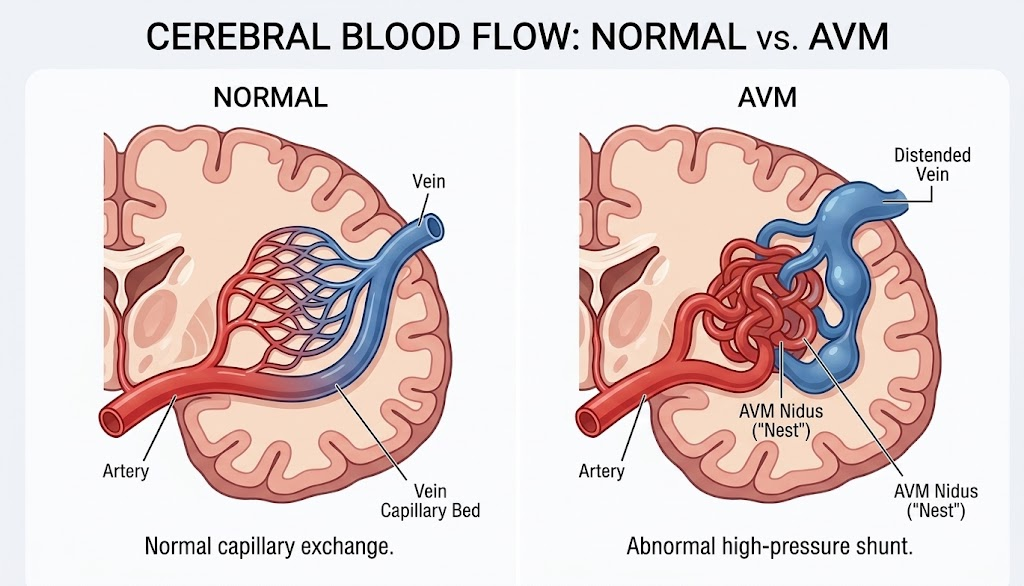
Arteriovenous Malformations (AVM): What They Are and When Surgery Is Needed
To understand an AVM, it helps to picture how blood normally moves through the brain. Arteries...
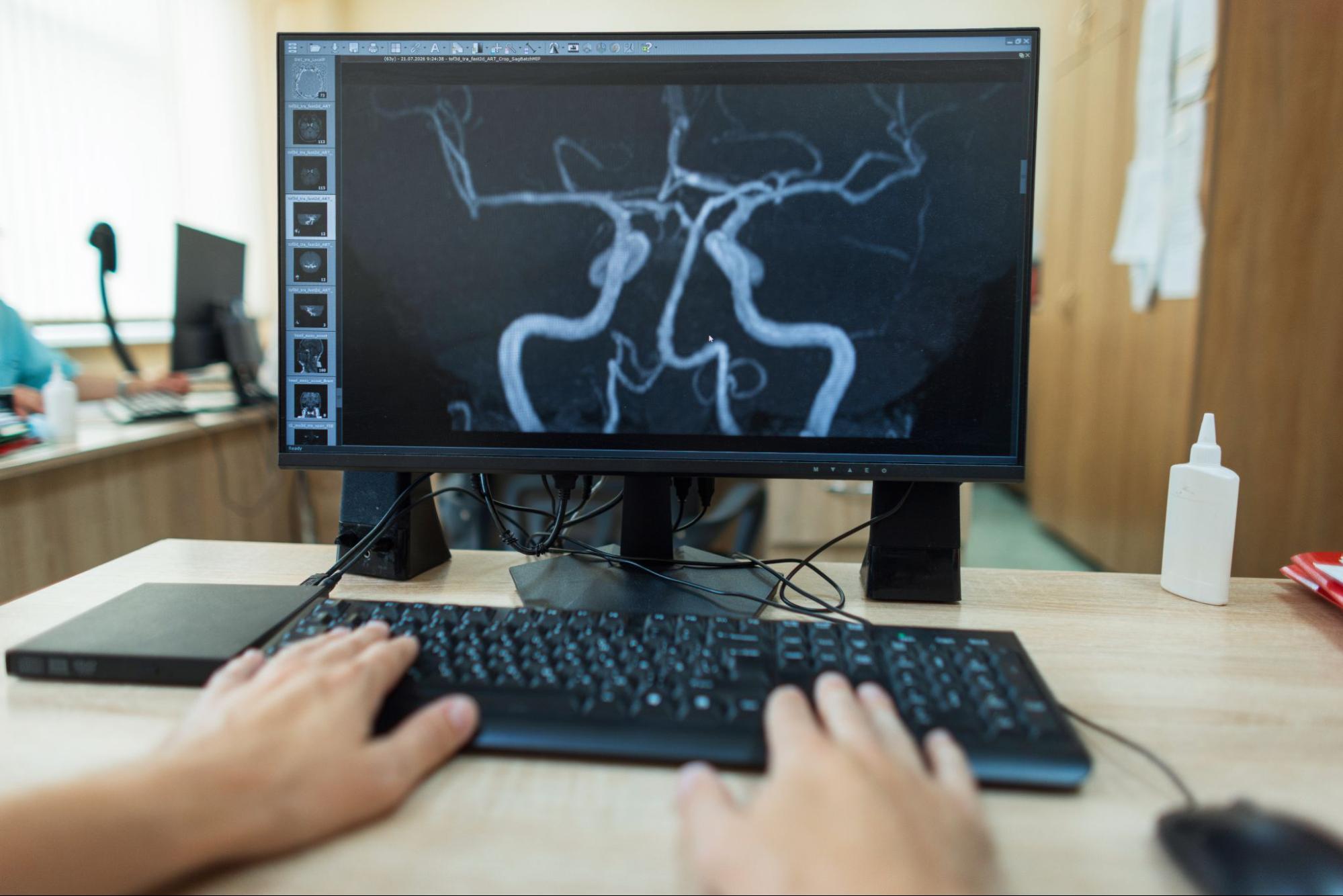
Cerebral Aneurysms: Vessel Wall Mechanics and Rupture Risk
A cerebral aneurysm is a weakened, bulging area in the wall of a blood vessel in...
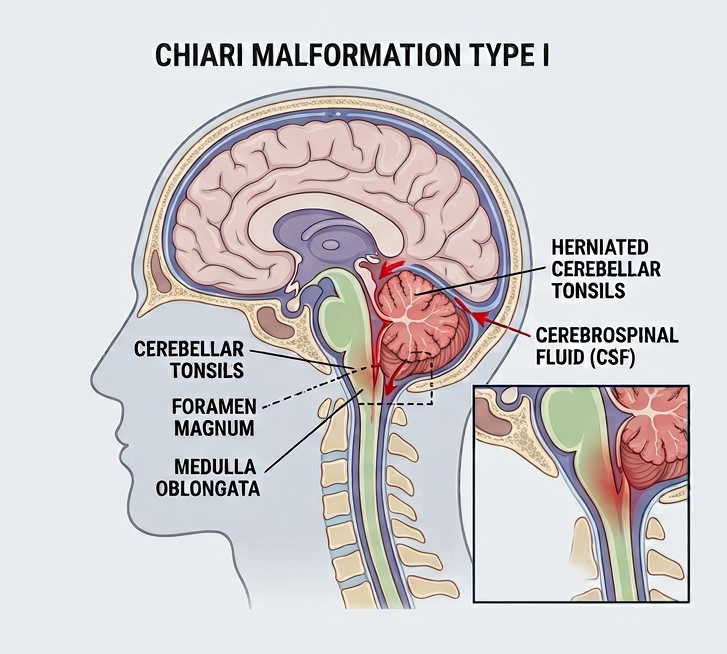
When Does a Chiari Malformation Actually Need Surgery?
To understand Chiari, it helps to picture the junction where the skull meets the spine, an...
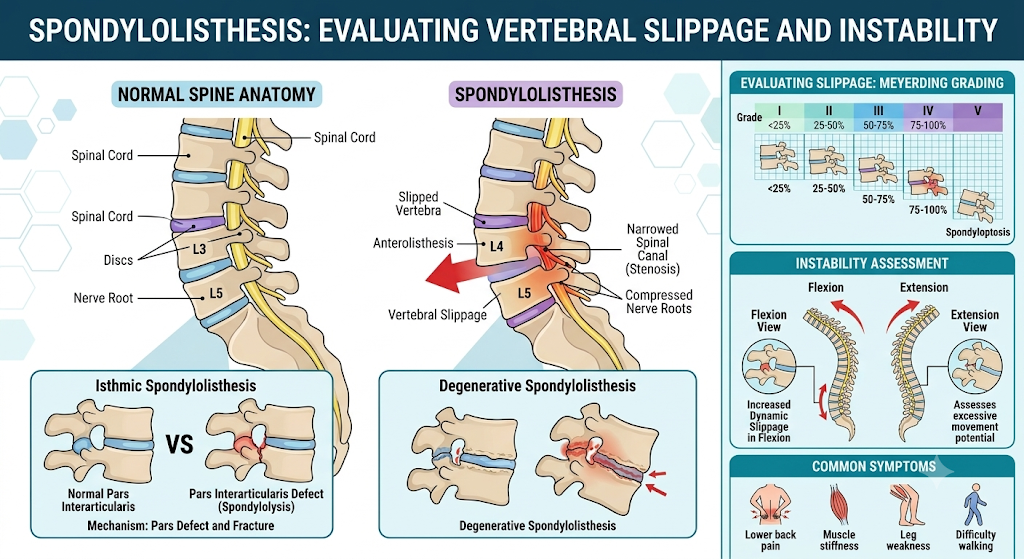
Spondylolisthesis: Evaluating Vertebral Slippage, Mechanical Shear Forces, and Instability
Spondylolisthesis refers to forward displacement, or anterolisthesis, of one vertebra over the one beneath it. It...
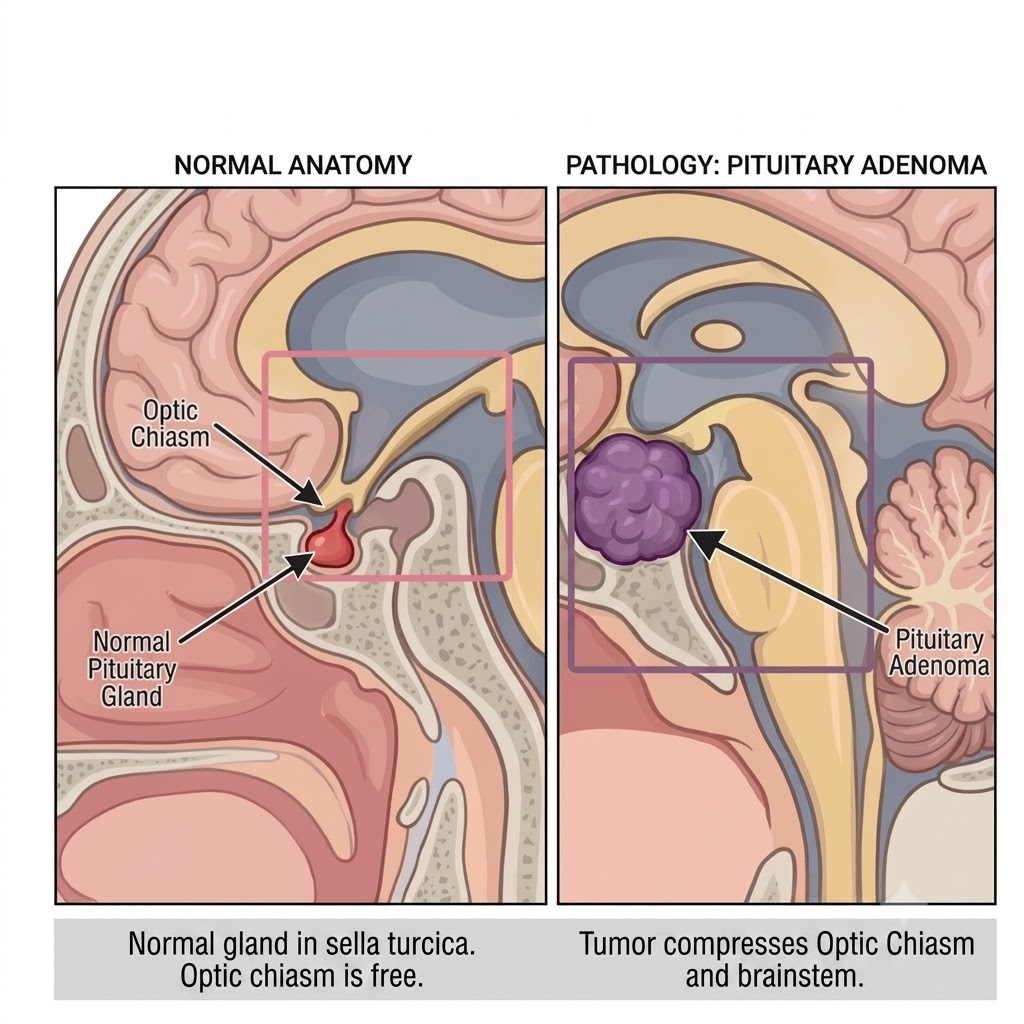
Pituitary Adenomas: Mass Effect, Hormones, and the Optic Chiasm
The pituitary gland is a small structure at the base of the brain, often called the...
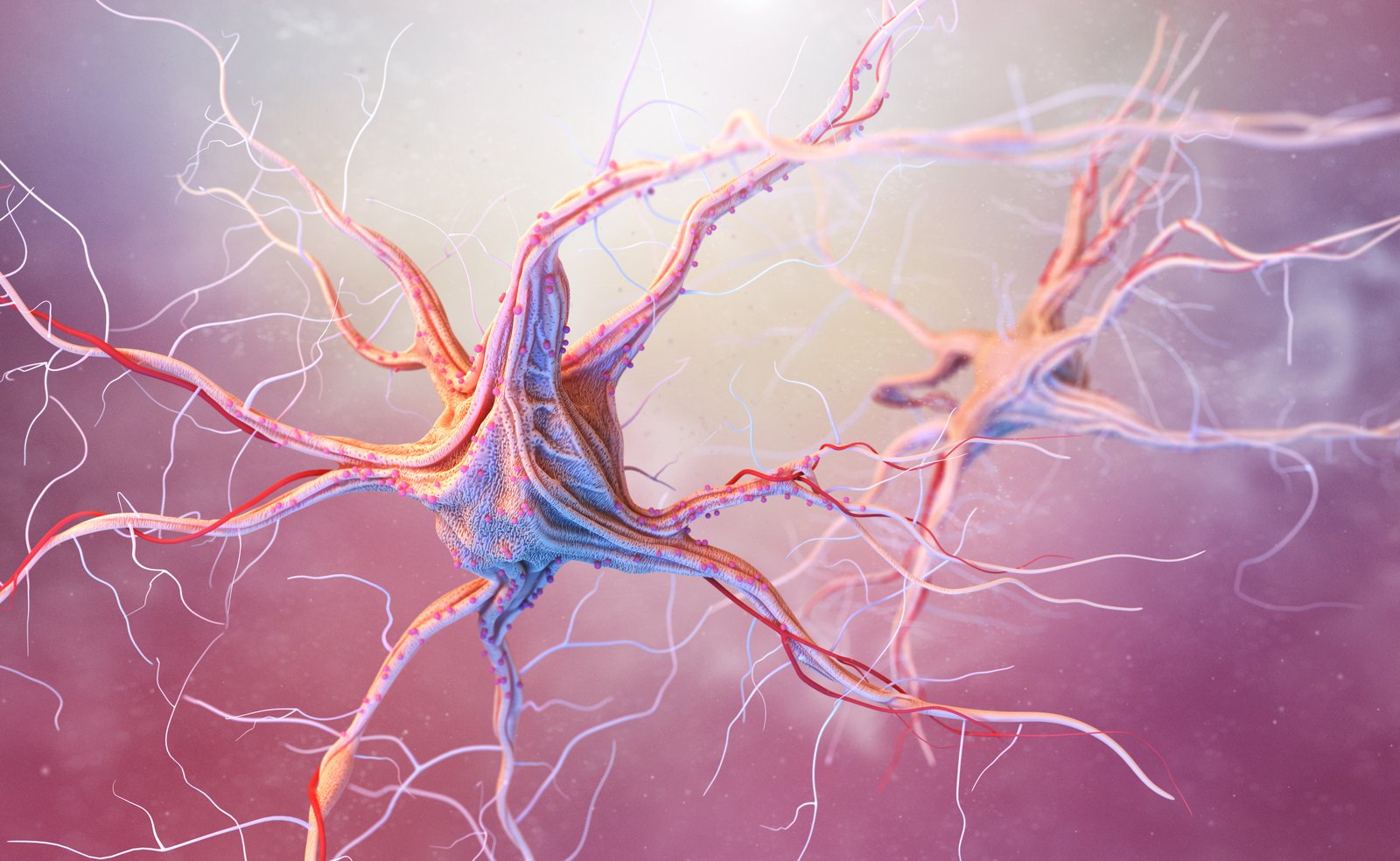
Deep Brain Stimulation: How It Works for Parkinson’s and Essential Tremor
At New Jersey Brain and Spine, DBS is almost never the first conversation we have. It...
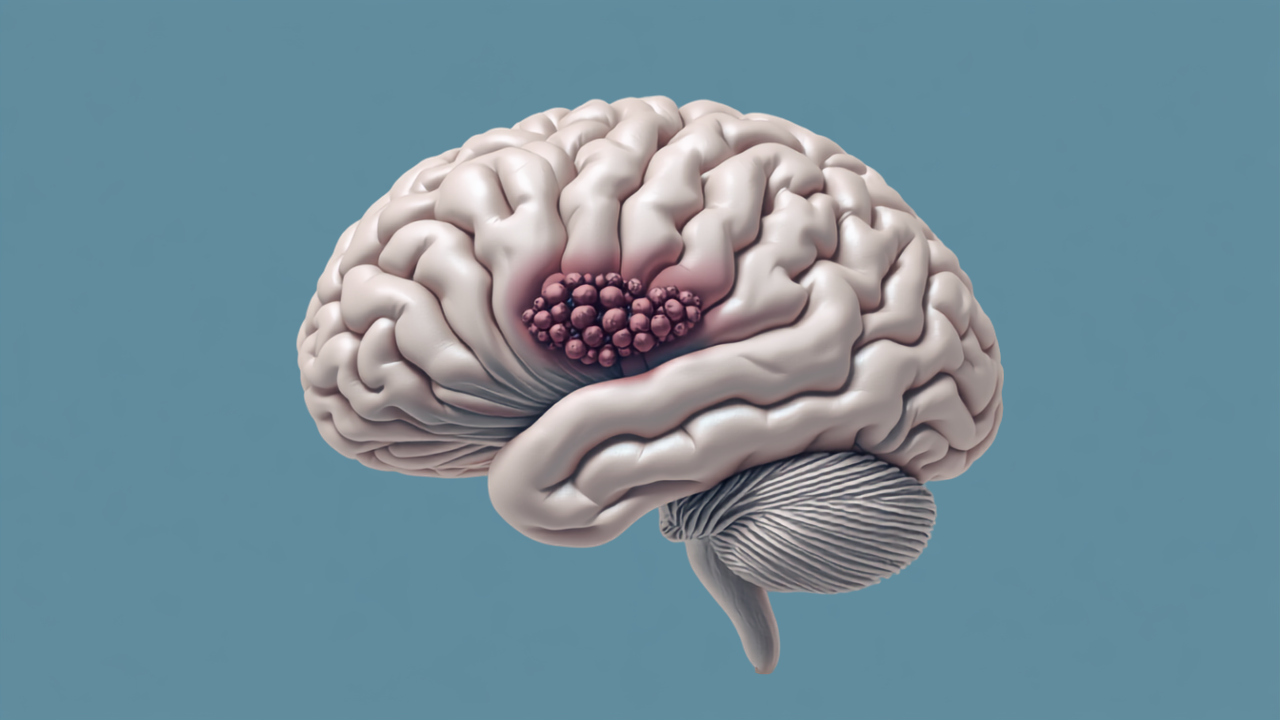
Cavernous Malformations: Silent Lesions and When They Require Treatment
A cavernous malformation, also called a cavernoma or cerebral cavernous malformation (CCM), is a cluster of...

Herniated Disc vs. Bulging Disc: What the Anatomy Actually Means
Each spinal disc has two main components: a tough outer ring called the annulus fibrosus, and...
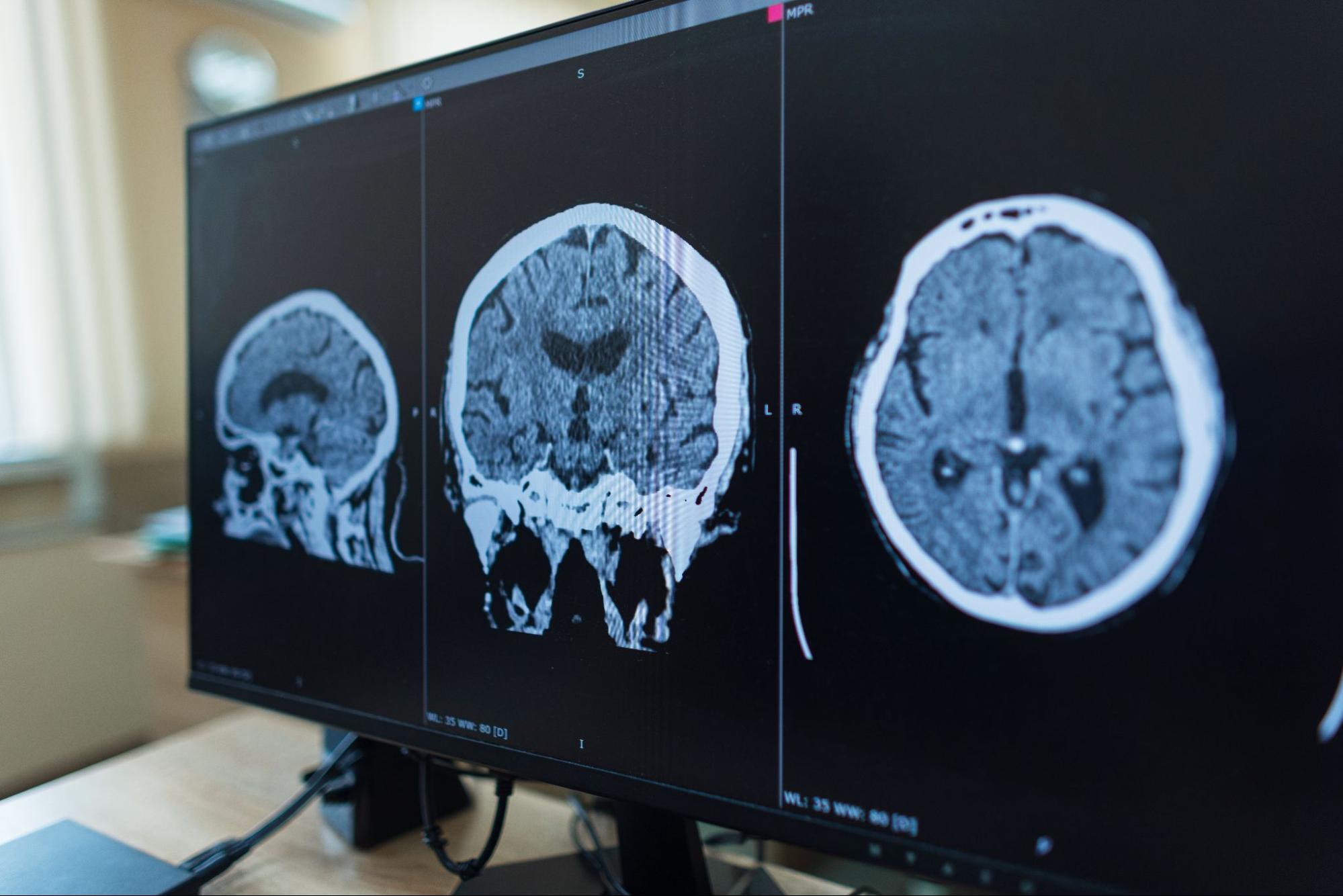
Benign vs. Malignant Brain Tumors: How Growth Pattern Drives Treatment
Benign and malignant describe how a tumor behaves at the cellular level, specifically how it grows...