What is Anterior Lumbar Interbody Fusion (ALIF) Surgery?
Anterior Lumbar Interbody Fusion (ALIF) is a type of spinal fusion surgery that approaches the lumbar spine from the front of the body (anterior approach) to remove damaged disc material and fuse two or more vertebrae together. The approach provides excellent access to the disc space and allows for optimal restoration of disc height and spinal alignment.
During the procedure, the surgeon makes an incision in the abdomen to access the spine from the front, removes the problematic discs, and replaces them with bone grafts, which reduces pressure on the spinal nerves. The fusion process for the bones then occurs gradually over the course of several months following the procedure. Although the incision is in the front of the body, the abdominal muscles can be protected and the sac, which contains the bowels (the peritoneum), is kept intact and swept aside. Finally, the great vessels (aorta, iliac arteries and veins) are similarly swept aside to allow for direct disc space visualization and access.
How is Anterior Lumbar Interbody Fusion (ALIF) Surgery Different from Other Spinal Fusion Surgeries?
The primary difference between ALIF and other spinal fusion techniques lies in the surgical approach and access to the spine. Unlike posterior fusion surgeries that approach the spine from the back, surgeons performing ALIF surgery access the spine from the front through the abdomen. The ALIF approach also differs from lateral fusion techniques, which approach the spine from the side of the body.
Unlike other approaches, ALIF provides access to the entire disc space, which tends to support more complete removal of diseased disc material and better restoration of normal disc height. The approach also enables placement of larger bone graft fusion cages, which can provide better surface area for bone growth and potentially higher fusion rates. Success rates for ALIF fusions are about 95%. The anterior approach spares the important muscles in the back and is often less painful. Finally, the anterior approach allows for the fusion to heal with lordosis (correct spinal curvature). This can help avoid degeneration in the adjacent spinal segments over time.
What Conditions Does Anterior Lumbar Interbody Fusion (ALIF) Surgery Treat?
ALIF surgery is primarily used to treat degenerative conditions of the lumbar spine that cause instability, nerve compression, or back pain that has not responded to conservative treatment. Common conditions treated with ALIF include:
- Severe degenerative disc disease
- Spondylolisthesis
- Recurrent disc herniations
- Spinal deformity
- Adult degenerative scoliosis
The procedure may be recommended for patients who have failed previous conservative treatments such as physical therapy, medications, and spinal injections, and who have confirmed structural problems on imaging studies.
Is Anterior Lumbar Interbody Fusion (ALIF) Surgery Safe?
ALIF is a major surgical procedure that requires careful evaluation and planning. While the procedure has excellent outcomes when performed by experienced surgical teams, it does carry inherent risks including bleeding, infection, and nerve injury. The complexity of the procedure requires coordination between highly experienced spine surgeons and vascular or general surgeons.
However, ALIF is a well-established procedure with a long track record of safety and effectiveness when performed by experienced surgical teams. Modern surgical techniques, improved instrumentation, and better understanding of anatomy have improved effectiveness and reduced complication rates over time.
How Long is the Recovery after Anterior Lumbar Interbody Fusion (ALIF) Surgery?
Recovery from ALIF surgery typically involves a hospital stay for a few days, followed by a gradual return to normal activities over several months. The complete fusion process takes approximately three to six months, during which time patients gradually increase their activity levels under medical supervision.
Physical therapy is a key aspect of recovery for most patients. At New Jersey Brain and Spine, we are big advocates for physical therapy and its long-lasting benefits, particularly after a major procedure like ALIF.
Long-term outcomes for patients who undergo ALIF surgery are generally excellent, with most patients experiencing significant pain relief and improved function.
What Type of Surgeon Is Best for Anterior Lumbar Interbody Fusion (ALIF) Surgery? | Surgeons in New Jersey
When considering spinal fusion surgery, selecting the right surgeon is a critical step toward ensuring a successful outcome.The ideal surgical team for ALIF procedures includes fellowship-trained neurosurgeons or orthopedic surgeons with specialized training in complex spinal reconstruction and fusion techniques. Experience with ALIF procedures is crucial, as the anterior approach requires specialized skills and knowledge of abdominal anatomy that not all surgeons possess.
With decades of experience and ultra-specialized training, the spine neurosurgeons at New Jersey Brain and Spine provide ALIF procedures using the most current techniques and technologies available.
Case Study: A Patient Successfully Treated with Anterior Lumbar Interbody Fusion (ALIF) Surgery
Tim, a 52-year-old landscaper, presented with severe lower back pain and bilateral leg pain that had progressively worsened over three years, preventing him from performing his job duties and significantly impacting his quality of life. Conservative treatments including physical therapy, epidural injections, and medications provided only temporary relief, and MRI imaging revealed severe degenerative disc disease with disc collapse, nerve compression, and loss of normal lumbar lordosis.
After thorough evaluation with the neurosurgeons at New Jersey Brain and Spine, David underwent an ALIF procedure followed by posterior stabilization with pedicle screws and rods. The procedure was performed successfully with restoration of normal disc height and spinal alignment, and David experienced immediate improvement in his leg symptoms. He was discharged home after three days and returned to light duty work at six weeks post-surgery. At his six-month follow-up, imaging confirmed solid fusion with excellent hardware position, and David had returned to full work duties including lifting and supervisory responsibilities. One year later, he remains pain-free and has resumed all his previous activities.
[name and details have been changed to preserve patient anonymity]
Is Anterior Lumbar Interbody Fusion (ALIF) available in New Jersey?
At New Jersey Brain and Spine, we are proud to offer ALIF surgery as part of our advanced spinal fusion services, and our experienced neurosurgeons have performed numerous ALIF procedures with excellent outcomes, utilizing the most current techniques and working closely with skilled vascular surgeons to ensure optimal safety and results.
We provide a thorough pre-operative evaluation to determine if ALIF is the most appropriate treatment option for each patient’s specific condition, and our multidisciplinary approach ensures comprehensive care from initial consultation through complete recovery and long-term follow-up.
Patients throughout New Jersey and the surrounding region can access our specialized services, benefiting from our commitment to surgical excellence and patient safety. Contact us today to schedule a consultation and learn if ALIF surgery may be the right solution for your spinal condition.
Have More Questions about This Condition
Radio host makes airwaves with stroke – and complete recovery
Today, Marisol Vargas is the mother of a vivacious 2½-year-old. But in 2019, she ended up permanently on a daily baby...
Overcoming Essential Tremors: Bob Bosloper’s Story
Reclaiming Your Future: Dana Raleigh’s Story
It Was, Indeed, a Problem Unfortunately, Dana had multiple fractures in her back that she was either born with or...
Flourishing After Parkinson’s Diagnosis: Sandy Deck’s Story
This video highlights the story of Sandy Deck, who was diagnosed with Parkinson’s disease and struggled with…
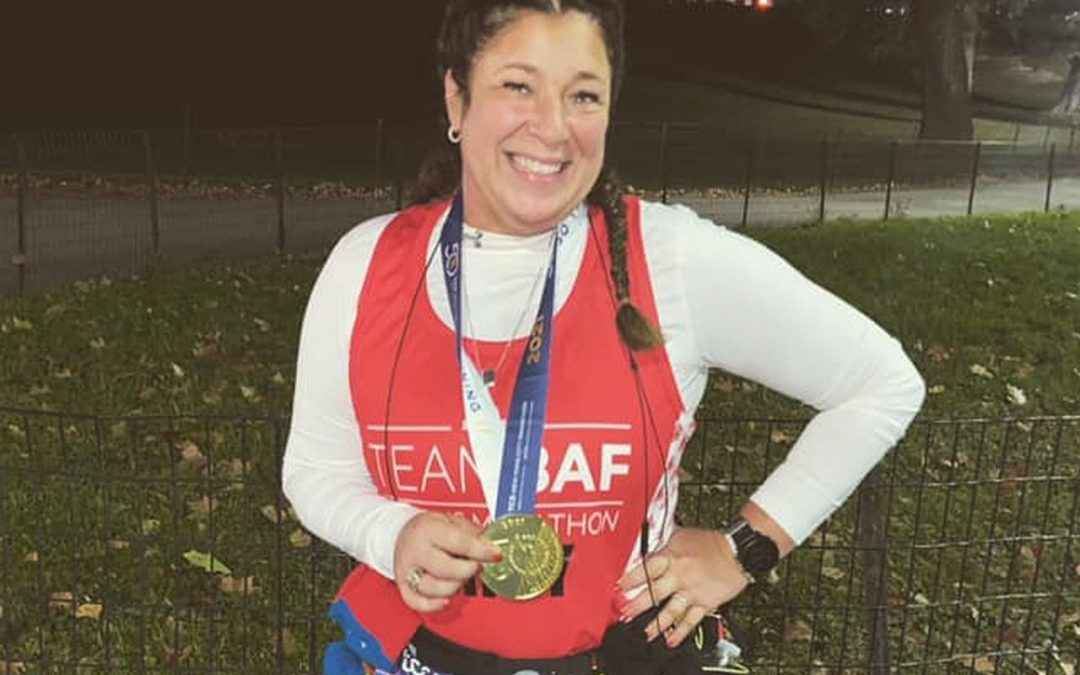
Discovering New Strength: Patty Petrula’s Story
Patty Petrula was training for her first triathlon when she collapsed at the gym and was rushed to the hospital, where Dr. Daniel Walzman determined she had suffered a ruptured brain aneurysm.
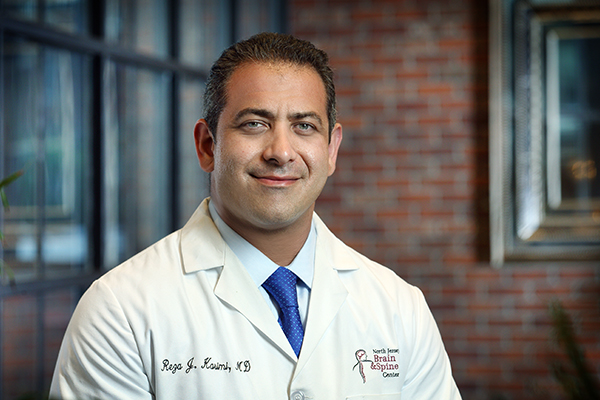
22-year-old Makes Incredible Recovery from Both COVID-19 and Stroke: Danny Dominguez’s Story
As a 22-year-old man, Danny Dominguez isn’t the typical stroke patient. The first time he experienced shortness of breath and headache accompanied by a throbbing sensation in April 2020, he went to a nearby hospital and was sent home with pain medication.
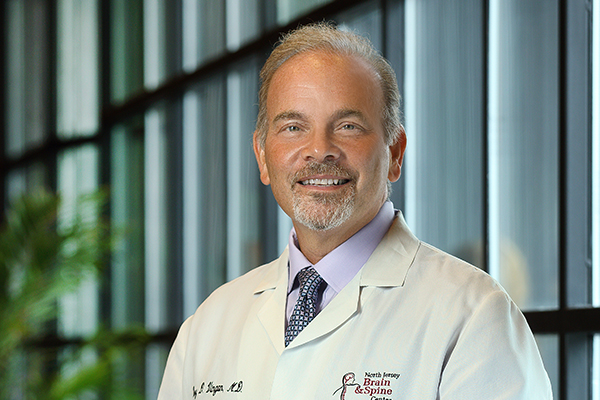
How Neurosurgeon Roy D. Vingan Cured One Patient’s Chronic Back Pain: Stephen Tinney’s Story
Surgery as a Last Resort Many patients with back pain can improve without surgical intervention, and more often than...
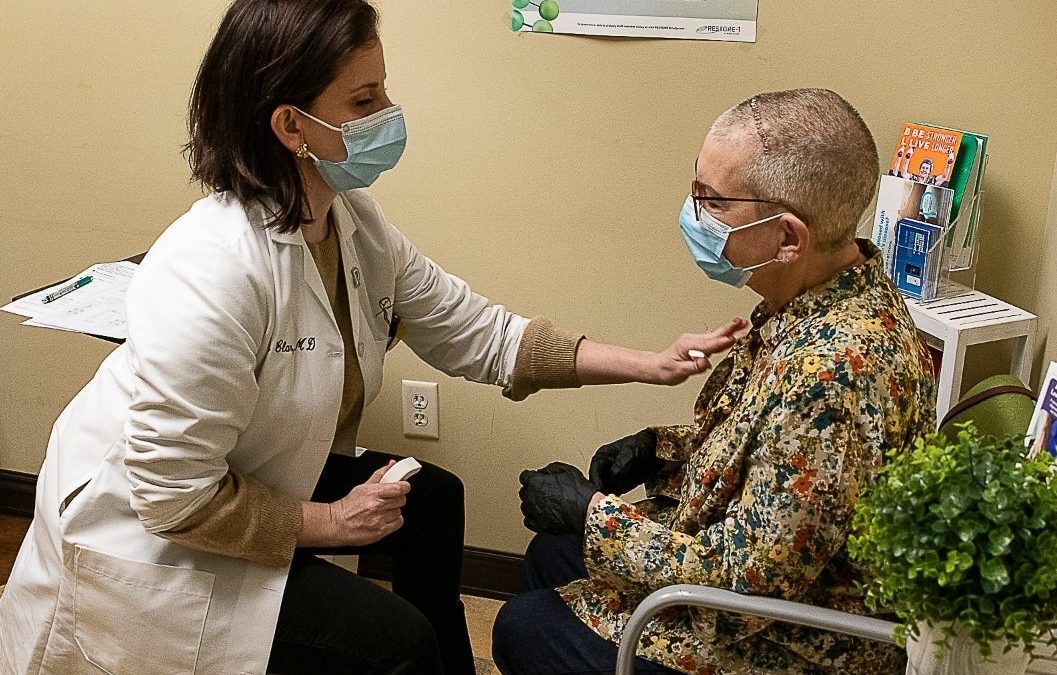
Newark Woman Uses Gift Of Hope To Fight Parkinson’s Disease: Susan O’Rourke’s Story
Susan O’Rourke has a gift: she can see hope where others see depression. Now, the president of Newark-based nonprofit Artfront Galleries is harnessing that ability to find a new pathway forward from her battle with Parkinson’s disease.

Surviving Multiple Aneurysms: Michele Blum’s Story
Michele Blum is an actress who lives to be on the stage. But when multiple aneurysms left her in a coma, Michele’s future was far from certain. That’s when Dr. Reza Karimi of New Jersey Brain and Spine entered the stage and found the one path recovery.