What Is Kyphoplasty?
Kyphoplasty is a minimally invasive outpatient procedure for certain kinds of spinal fractures (often called vertebral compression fractures). These fractures can cause the bones of the spine to collapse, leading to kyphosis. This spine curvature — when left untreated — can limit breathing and organ function, in addition to the exacerbation of the appearance of being hunched over.
The specialists at New Jersey Brain and Spine have extensive expertise in treating kyphosis via kyphoplasty, which significantly alleviates pain and stabilizes vertebra that’s damaged or collapsed.
Kyphoplasty is most often recommended for those who suffer from painful, worsening back pain and declining mobility or functioning related to:
- Osteoporosis
- Compression fractures
- Pathologic fractures related to spinal tumors or multiple myeloma
What is done in a kyphoplasty?
Kyphoplasty involves a small puncture through the skin instead of an incision (cut). Surgeons may opt for either moderate sedation, which involves minimal discomfort; or anesthesia, during which patients are asleep.
The surgery is performed on patients lying on their stomach, and a hollow needle (called a trocar) is inserted into the affected spine bone. Surgeons insert an inflatable balloon-like device into vertebra via the trocar. As the balloon inflates, a spot is opened for surgeons to inject bone cement. This prevents further collapse of the affected vertebrae or vertebra.
How long does it take to recover from kyphoplasty surgery?
Kyphoplasty is considered minimally invasive because it is an outpatient procedure, meaning patients can go home the same day. Kyphoplasty on one section of the spine takes approximately an hour or less to perform.
Within 48 hours, kyphoplasty typically provides relief from kyphosis pain, and improved mobility. In some cases, patients feel pain relief immediately from their condition, and the procedure itself involves minimal discomfort. Some soreness at the injection site may occur post-procedure, but this typically resolves within a few days and can be treated with ice.
Most patients are able to return to regular, non-strenuous activities within a day. Full recovery is expected within four to six weeks.
Is kyphoplasty a permanent fix?
Although kyphoplasty can provide significant pain relief and stabilize the vertebra, the procedure does not prevent future fractures. Kyphoplasty is not a permanent fix, so patients with osteoporosis, for example, may require ongoing treatment to maintain bone health.
However, an estimated 92% of people who undergo kyphoplasty report alleviation of pain after the procedure.
Exploring Kyphoplasty? New Jersey Patients Start Here
If you’ve been diagnosed with a vertebral compression fracture and are exploring options, schedule a consultation with Dr. Lee at New Jersey Brain and Spine to learn if kyphoplasty is right for you.
Frequently Asked Questions:
Are kyphoplasty and vertebroplasty the same thing?
Have More Questions about This Condition
Radio host makes airwaves with stroke – and complete recovery
Today, Marisol Vargas is the mother of a vivacious 2½-year-old. But in 2019, she ended up permanently on a daily baby...
Overcoming Essential Tremors: Bob Bosloper’s Story
Reclaiming Your Future: Dana Raleigh’s Story
It Was, Indeed, a Problem Unfortunately, Dana had multiple fractures in her back that she was either born with or...
Flourishing After Parkinson’s Diagnosis: Sandy Deck’s Story
This video highlights the story of Sandy Deck, who was diagnosed with Parkinson’s disease and struggled with…
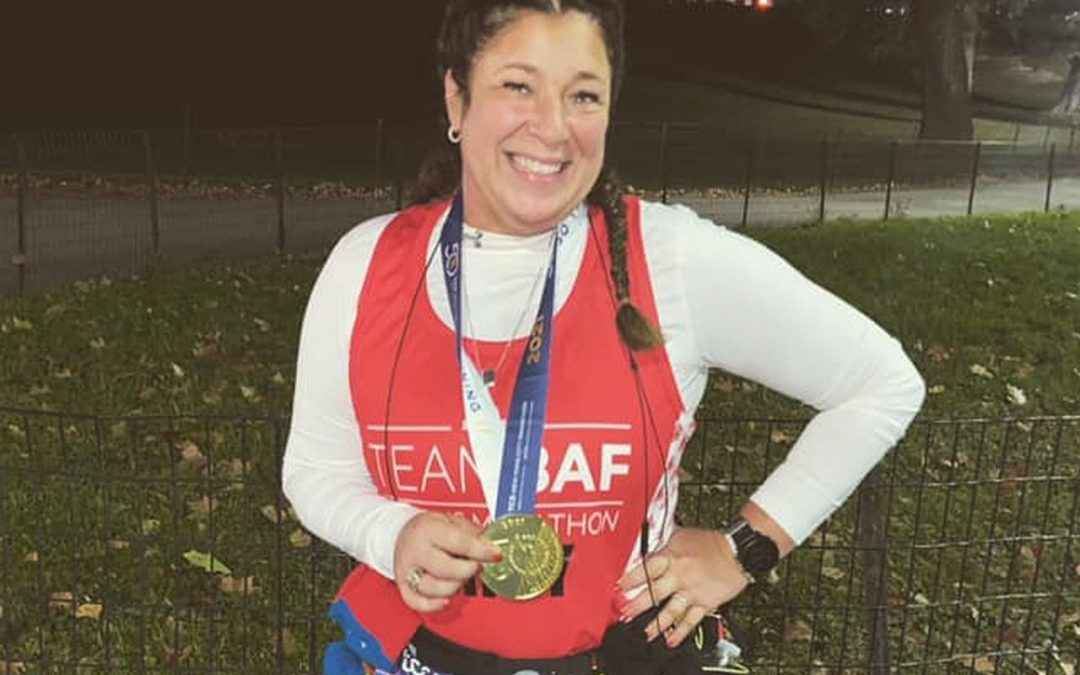
Discovering New Strength: Patty Petrula’s Story
Patty Petrula was training for her first triathlon when she collapsed at the gym and was rushed to the hospital, where Dr. Daniel Walzman determined she had suffered a ruptured brain aneurysm.
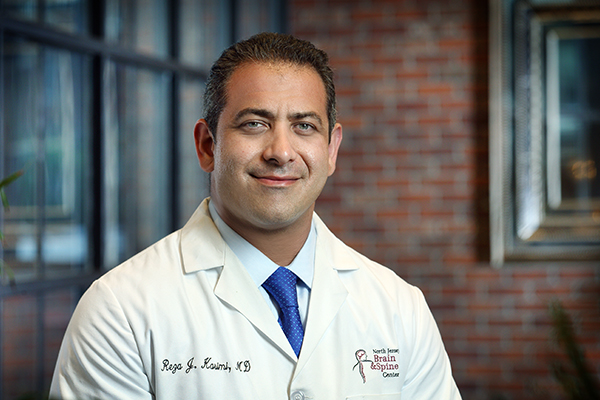
22-year-old Makes Incredible Recovery from Both COVID-19 and Stroke: Danny Dominguez’s Story
As a 22-year-old man, Danny Dominguez isn’t the typical stroke patient. The first time he experienced shortness of breath and headache accompanied by a throbbing sensation in April 2020, he went to a nearby hospital and was sent home with pain medication.
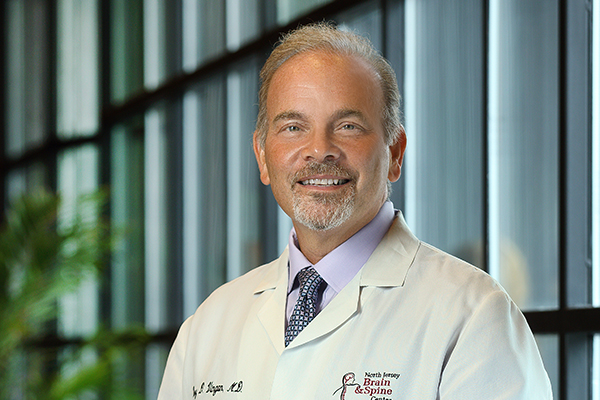
How Neurosurgeon Roy D. Vingan Cured One Patient’s Chronic Back Pain: Stephen Tinney’s Story
Surgery as a Last Resort Many patients with back pain can improve without surgical intervention, and more often than...
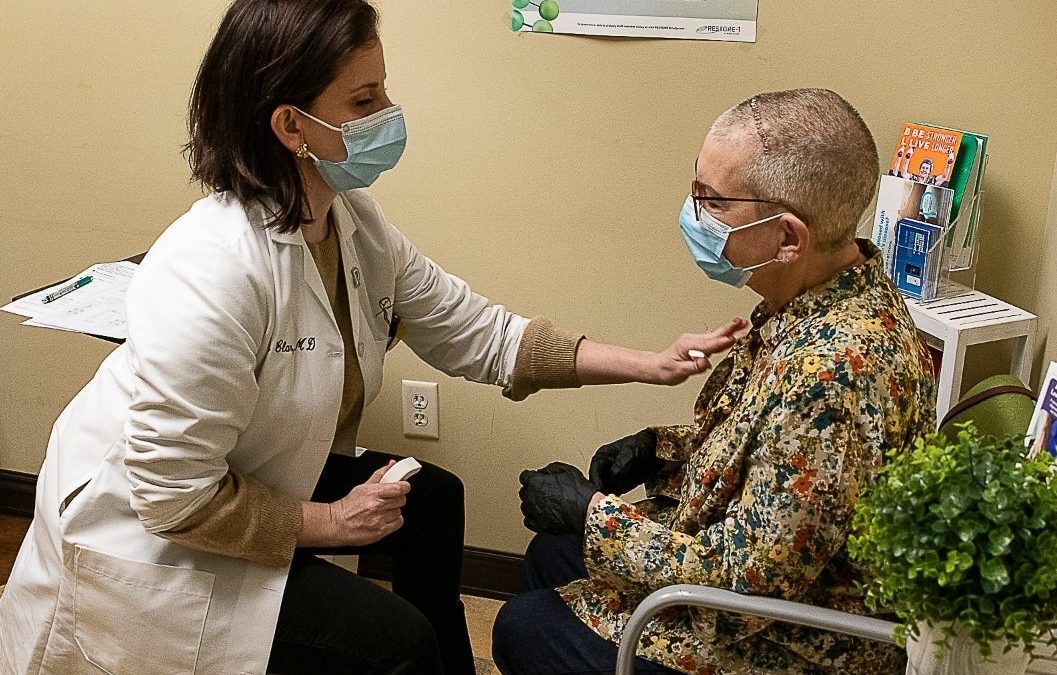
Newark Woman Uses Gift Of Hope To Fight Parkinson’s Disease: Susan O’Rourke’s Story
Susan O’Rourke has a gift: she can see hope where others see depression. Now, the president of Newark-based nonprofit Artfront Galleries is harnessing that ability to find a new pathway forward from her battle with Parkinson’s disease.
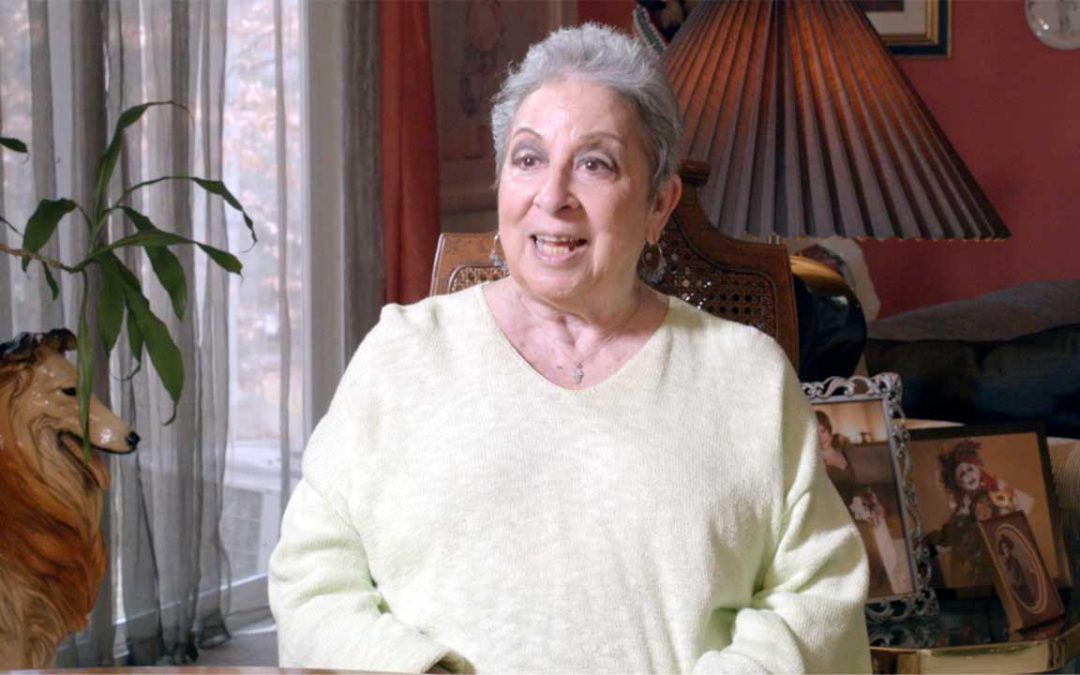
Surviving Multiple Aneurysms: Michele Blum’s Story
Michele Blum is an actress who lives to be on the stage. But when multiple aneurysms left her in a coma, Michele’s future was far from certain. That’s when Dr. Reza Karimi of New Jersey Brain and Spine entered the stage and found the one path recovery.