Astrocytoma: Understanding This Type of Brain Tumor
An astrocytoma is a tumor that develops in the brain or spinal cord from astrocytes, which are star-shaped cells that support and protect nerve cells. Astrocytomas are a type of glioma, which means they originate from glial cells. Because these tumors arise from cells within the brain itself, they are classified as primary brain tumors. The grade of an astrocytoma (ranging from I to IV) determines how fast the tumor grows and how aggressive the cancer is. Understanding your diagnosis, treatment options, and prognosis is an important first step in managing this condition.
What Is an Astrocytoma?
Astrocytes are star-shaped cells found throughout the brain and spinal cord. These cells perform critical support functions, helping to nourish nerve cells and maintain the chemical balance of the brain. When astrocytes become abnormal and begin to grow uncontrollably, they form an astrocytoma.
Astrocytomas are classified by grade according to the World Health Organization (WHO) grading system. This system ranks tumors from Grade I (slowest growing) to Grade IV (fastest growing and most aggressive):
- Grade I (Pilocytic Astrocytoma): The slowest growing subtype, often found in children. These tumors tend to be curable, especially when surgically removed.
- Grade II (Diffuse Astrocytoma): Low-grade tumors that grow slowly but may eventually progress to higher grades over time.
- Grade III (Anaplastic Astrocytoma): High-grade tumors that grow faster and are more aggressive. These require more intensive treatment.
- Grade IV (Glioblastoma): The most aggressive form, also called glioblastoma multiforme (GBM). This grade is fast-growing and carries the shortest median survival without treatment.
How Common Are Astrocytomas?
According to the Central Brain Tumor Registry of the United States (CBTRUS), astrocytomas account for approximately 22.2% to 22.9% of all primary brain tumors. The American Association of Neurological Surgeons (AANS) reports that gliomas as a whole account for roughly 20,000-25,000 new cases in the U.S. each year, with astrocytomas making up a significant portion of these cases. Prevalence varies by age, with Grade I and II astrocytomas more common in children and young adults, while Grade III and IV astrocytomas more frequently occur in middle-aged and older adults.
Symptoms of an Astrocytoma
Symptoms of an astrocytoma depend on the tumor’s size, location, and grade. Some tumors grow slowly and may not cause noticeable symptoms for a long time. Others grow rapidly and cause symptoms that develop suddenly. Common symptoms include:
- Headaches (often worse in the morning or upon waking)
- Seizures, especially in adults with no prior seizure history
- Cognitive changes (difficulty concentrating, memory problems)
- Personality or behavioral changes
- Weakness or numbness in limbs
- Vision problems or blurred vision
- Speech difficulties
- Balance and coordination problems (ataxia)
- Nausea or vomiting
When to See a Specialist
If you experience new or worsening neurological symptoms, especially new-onset headaches that do not respond to over-the-counter medications, seizures in adulthood with no prior history, vision changes, or persistent weakness, contact a neurologist or neurosurgeon promptly. A brain tumor can be life-threatening, and early diagnosis is critical to optimizing treatment outcomes.
Causes and Risk Factors
In the vast majority of cases, the exact cause of astrocytomas is unknown. They arise from random mutations in astrocyte DNA that cause the cells to grow abnormally. However, certain genetic mutations and rare hereditary syndromes have been associated with increased astrocytoma risk.
Molecular Markers and Genetic Changes
Modern pathology testing identifies specific mutations that influence prognosis and treatment selection:
- IDH1 and IDH2 Mutations: Found in approximately 70% to 80% of lower-grade astrocytomas (Grades II and III), IDH mutations are associated with a better prognosis and longer survival times.
- ATRX Mutations: Loss of ATRX protein function is common in lower-grade astrocytomas and is used to confirm diagnosis.
- TP53 Mutations: Alterations in the p53 tumor suppressor gene are present in many astrocytomas and influence tumor behavior and treatment response.
- MGMT Promoter Methylation: This epigenetic marker in high-grade astrocytomas predicts response to chemotherapy with temozolomide.
Risk Factors
While most astrocytomas develop sporadically, certain rare hereditary syndromes increase risk:
- Li-Fraumeni Syndrome: A genetic condition caused by TP53 mutations that significantly increases the risk of multiple cancers, including astrocytomas and other brain tumors.
- Neurofibromatosis Type 1 (NF1): Individuals with this hereditary disorder have a higher risk of developing astrocytomas and other nervous system tumors.
- Tuberous Sclerosis: A rare genetic disorder that predisposes patients to benign and malignant tumors, including astrocytomas.
- Prior Radiation Exposure: Previous radiation to the head (such as from prior cancer treatment or radiation therapy) increases the risk of secondary astrocytomas years or decades later.
How NJBS Diagnoses an Astrocytoma
Accurate diagnosis is essential for guiding treatment and predicting outcomes. The diagnostic process at NJBS involves advanced imaging and tissue analysis:
Imaging
Magnetic resonance imaging (MRI) is the primary tool for detecting and characterizing astrocytomas. Your NJBS specialist will typically order MRI with and without contrast (a dye injected into the bloodstream to enhance imaging clarity). These images reveal the tumor’s size, location, and relationship to surrounding brain structures. MR spectroscopy, an advanced technique, may also be performed to analyze the tumor’s chemical composition and distinguish it from other brain lesions.
Biopsy and Pathology
A definitive diagnosis requires tissue analysis. This is obtained through a biopsy (a small needle sample of tumor tissue) or surgical resection (removal of the tumor). The tissue is examined under a microscope by a neuropathologist, who grades the tumor according to WHO standards and identifies key molecular markers (IDH, ATRX, MGMT, and TP53 mutations). This information guides treatment decisions and predicts prognosis.
Treatment Options for Astrocytoma
Treatment depends on the tumor’s grade, size, location, and your overall health. Your NJBS team will discuss a personalized plan tailored to your situation. Many patients benefit from a multidisciplinary approach combining multiple treatment modalities.
Observation
Some Grade I astrocytomas, especially if they are small and not causing symptoms, may be carefully monitored with periodic MRI imaging rather than immediate surgery. This conservative approach preserves brain tissue and avoids surgical risks for tumors that may grow very slowly. Regular follow-up imaging ensures that any growth is detected early.
Surgical Resection
Surgery is the primary treatment for most astrocytomas. The goal is to achieve the maximum safe resection, meaning removing as much tumor as possible while preserving neurological function. The extent of resection significantly impacts outcomes. NJBS neurosurgeons use advanced techniques to improve safety and outcomes, including awake craniotomy (performing surgery while you are conscious to monitor language and movement), fluorescence-guided surgery (using special dyes to highlight tumor tissue), and intraoperative neuromonitoring (real-time monitoring of brain and spinal cord function during surgery).
Radiation Therapy
Radiation therapy uses high-energy beams to target and destroy tumor cells. It is typically recommended after surgery for Grade II, III, and IV astrocytomas. Intensity-modulated radiation therapy (IMRT) and proton therapy are advanced techniques that focus radiation precisely on the tumor while minimizing exposure to surrounding healthy brain tissue.
Chemotherapy
Chemotherapy drugs destroy cancer cells. For higher-grade astrocytomas (Grade III and IV), temozolomide is the standard chemotherapy agent, often combined with radiation therapy. Patients with MGMT-methylated tumors tend to respond better to temozolomide. For IDH-mutant astrocytomas, newer targeted therapies that inhibit IDH mutations may be available and show promise in clinical trials.
Targeted Therapy
For astrocytomas with specific genetic mutations (such as IDH1 or IDH2 mutations), targeted therapy drugs that specifically inhibit these mutations are emerging treatments that may improve outcomes and quality of life. Your NJBS team will evaluate whether you are a candidate for these newer approaches.
Why Choose NJBS for Astrocytoma Care
New Jersey Brain and Spine is ranked among the top 3 neurosurgery practices in the nation by Castle Connolly. Our team combines surgical expertise, advanced technology, and personalized care to deliver the best possible outcomes for brain tumor patients.
NJBS is affiliated with Hackensack Meridian Health, a leading healthcare system, and maintains a dedicated Neuro-Oncology Division. Our board-certified neurosurgeons hold fellowship training in brain tumor surgery and neuro-oncology, ensuring you receive care from specialists with deep expertise in treating astrocytomas and other brain tumors. We maintain a multidisciplinary tumor board where radiation oncologists, medical oncologists, neuroradiologists, and neurosurgeons collaboratively review every patient case to develop optimal, individualized treatment plans.
We serve patients across northern New Jersey and the greater tri-state area with convenient office locations in Paramus, Hackensack, Montclair, Montvale, Annandale, and Englewood. Our surgical facilities are equipped with the latest imaging and neuromonitoring technology to maximize safety and resection while preserving neurological function.
For more information on related brain tumor conditions, visit our pages on glioblastoma, meningioma, and brain tumor surgery options to learn about other conditions and treatments we offer.
Frequently Asked Questions (FAQs) About Astrocytoma
What is the survival rate for astrocytoma?
Is astrocytoma inherited or genetic?
Can a low-grade astrocytoma become high-grade?
What is the difference between astrocytoma and glioblastoma?
How fast do astrocytomas grow?
Will surgery cure my astrocytoma?
What does MGMT methylation mean?
Schedule Your Consultation Today
NJBS serves patients across northern New Jersey and the greater tri-state area, with offices in Paramus, Hackensack, Montclair, Montvale, Annandale, and Englewood. No referral is required to schedule a consultation.
Schedule a consultation or request a second opinion today.
Sources: CBTRUS (Central Brain Tumor Registry of the US)
NIH / StatPearls
Have More Questions about This Condition
New Jersey Brain and Spine Earns #3 National Ranking For Neurosurgical Practices
New Jersey Brain and Spine has once again been recognized among the nation’s elite neurosurgical practices—this time...

Patient Story: Patient Gets Fitness Career Back in Shape Thanks to Dr. Roth
Robin Bray is the owner of FitnessBarre™, a popular local workout studio in Midland Park, New Jersey. The...
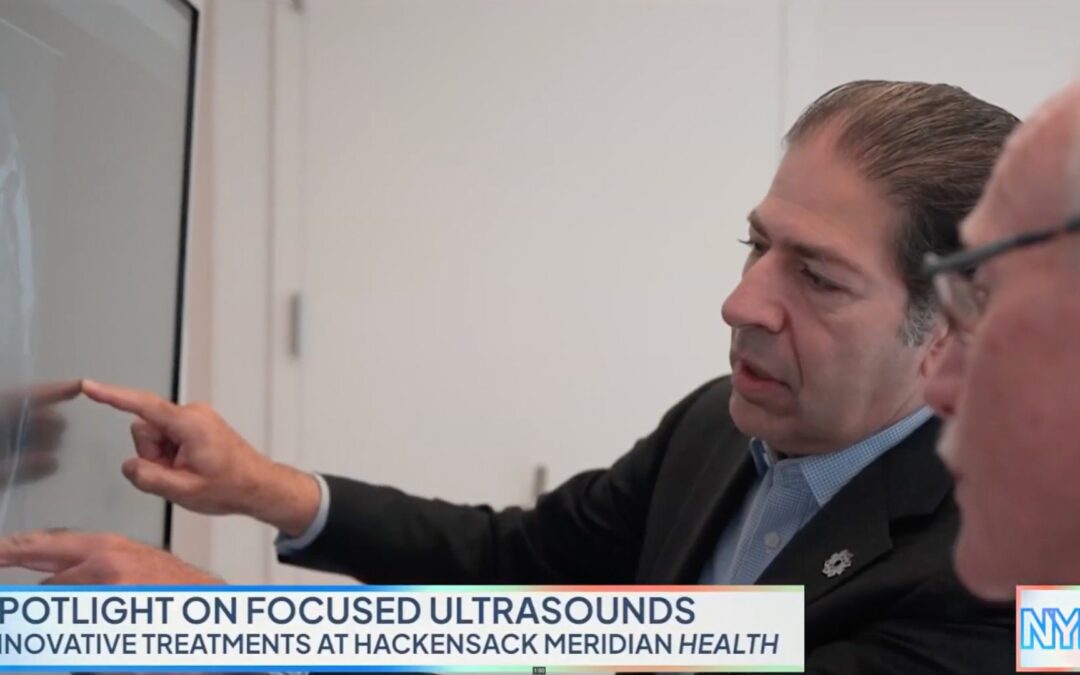
NJBS Highlighted for Advanced Tremor Treatment With Hackensack Meridian Health
New Jersey Brain & Spine was recently featured alongside Hackensack Meridian Health, highlighting the impact of...

Patient Story: Ashley’s Recovery After Cervical Disc Herniation
A stroke at birth left Ashley with cerebral palsy and limited mobility on her right side. So when she woke up at 1...

Back on the Competition Track: A Young Athlete’s Recovery After L4–L5 Disc Herniation Surgery
Severe nerve compression brought life to a halt—lumbar microdiscectomy helped him reclaim strength, mobility, and...
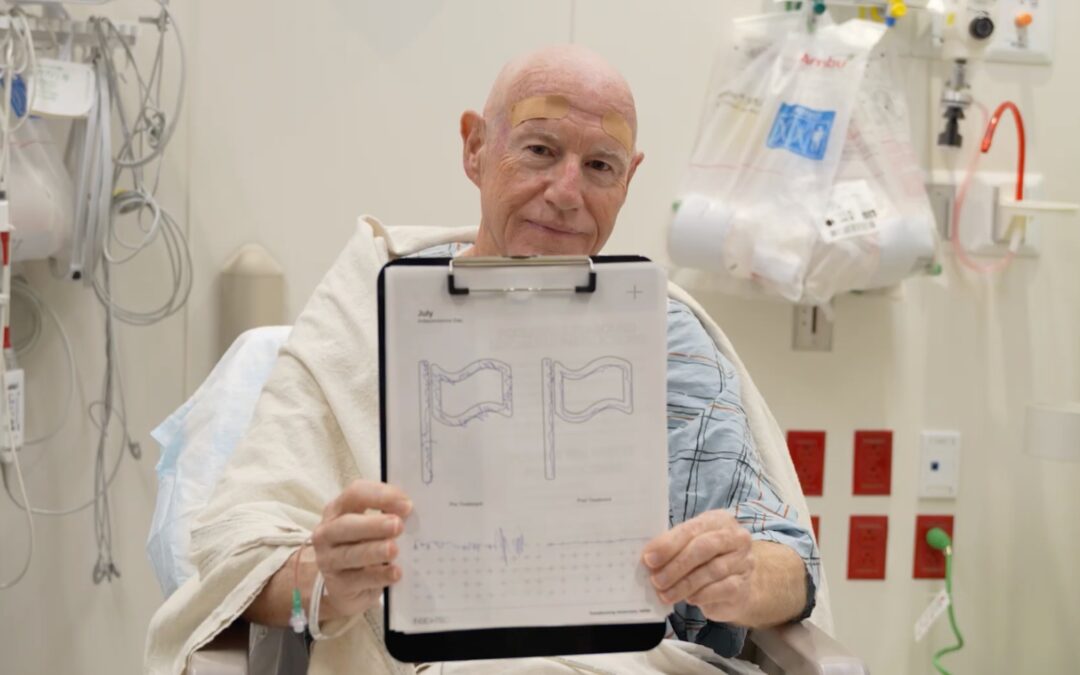
Ground-Breaking HiFu Treatment Re-Opens a Door
Innovative non-invasive essential tremor treatment puts car enthusiast back in the driver’s seat Dan lived with...
Full Patient Story: Chris’s Recovery After L4–5 Posterior Lumbar Interbody Fusion (PLIF)
How an L4–5 Posterior Lumbar Fusion Gave Chris Feeling in His Leg Again and His Life Back Chris was only in his early...
Back in the Game: Brian’s Recovery After C5–6 Disc Replacement
Neck pain and cervical radiculopathy stole his mobility, his golf swing, and his comfort, an artificial disc...

New Jersey Brain and Spine Launches $2000 Healthcare Scholarship to Support Next Generation of Healthcare Professionals
Investing in the future of healthcare: Annual scholarship open to high school and undergraduate students from or...