Pseudotumor Cerebri Idiopathic Intracranial Hypertension) : Symptoms, Diagnosis, and Treatment
Elevated pressure around the brain without a tumor. Learn how NJBS diagnoses and treats idiopathic intracranial hypertension with conservative and minimally invasive care.
A worsening headache that is worse when you lie down. Blurred or double vision. A sound like a whooshing in your ears that pulses with your heartbeat. For many patients with pseudotumor cerebri, these symptoms started weeks or months ago. They had multiple doctor visits, tests that showed no brain tumor, and still no diagnosis. Finally, a neurovascular specialist explained the problem: the fluid around your brain is under too much pressure, but there is no tumor. The condition has a name, a cause, and treatment options that range from weight loss and medication to minimally invasive procedures. Understanding what pseudotumor cerebri is and who can treat it is the first step toward relief.
What Is Pseudotumor Cerebri?
Pseudotumor cerebri literally means false brain tumor. The condition is also called idiopathic intracranial hypertension (IIH). It happens when the pressure of cerebrospinal fluid (CSF) around the brain and spinal cord increases without a detectable tumor or other obvious cause. The cerebrospinal fluid is a clear liquid that cushions the brain and spinal cord, removes waste, and provides a stable environment for the nervous system to function. When CSF builds up or is not reabsorbed normally, pressure rises inside the skull. That pressure can affect vision, cause headaches, and sometimes produce a pulsing sound in the ears if the elevated pressure affects blood vessels near the inner ear.
Who Does Pseudotumor Cerebri Affect?
Pseudotumor cerebri is most common in women of childbearing age, particularly those with elevated body mass index (BMI). According to the National Institute of Neurological Disorders and Stroke (NINDS), women are 8 to 9 times more likely than men to develop the condition. The average age of onset is in the third or fourth decade of life. While obesity is a significant risk factor, pseudotumor cerebri can affect people of any weight. Thin women and men of all weights can develop the disorder. Once recognized and treated, many patients see significant improvement or complete resolution of symptoms.
Symptoms of Pseudotumor Cerebri
Symptoms of pseudotumor cerebri develop gradually and are caused by elevated intracranial pressure. The most common symptoms include:
- Daily or near-daily headache, often behind the eyes, worsening when lying down or first thing in the morning
- Blurred or double vision, sometimes progressing to complete vision loss if untreated
- Transient visual obscurations: brief episodes (seconds to minutes) of vision darkening in 1 or both eyes
- Pulsatile tinnitus: a rhythmic whooshing or pounding sound in the ears that synchronizes with heartbeat
- Neck and back pain, sometimes worsening with movement
- Nausea or vomiting
- Papilledema: swelling of the optic nerve at the back of the eye, visible only during an eye exam with dilated pupils
Not every patient has all of these symptoms, and severity varies. Some patients have only a headache. Others have primarily vision problems. What unites them is the underlying pressure increase, which is what distinguishes pseudotumor cerebri from other headache disorders.
When to See a Specialist
You should seek a consultation with a neurovascular specialist if you have:
- New or worsening headache paired with vision changes
- Symptoms of elevated intracranial pressure noted on an eye exam (papilledema)
- Pulsatile tinnitus accompanied by headache or visual changes
- A diagnosis of pseudotumor cerebri that has not improved with initial treatment
- Symptoms that have worsened or returned after initial improvement
Causes and Risk Factors
Pseudotumor cerebri is called idiopathic because in most cases no single cause can be identified. However, certain conditions and medications increase risk substantially. Understanding these factors helps guide treatment decisions.
Key Risk Factors
- Obesity or rapid weight gain: The strongest preventable risk factor. Obese women are particularly at risk.
- Female sex and reproductive age: Women of childbearing age are 8 to 9 times more likely to develop pseudotumor cerebri than men.
- Certain medications: Tetracyclines (antibiotics), vitamin A derivatives (isotretinoin, tretinoin), corticosteroid use or withdrawal, hormonal birth control, and lithium.
- Polycystic ovary syndrome (PCOS): Associated with obesity and hormonal changes, increases risk in women.
- Sleep apnea: Oxygen disruption and increased nighttime intracranial pressure contribute to risk.
- Menstrual irregularities or thyroid disease: Hormonal factors play a role in some patients.
The exact mechanism by which these factors lead to elevated intracranial pressure is not fully understood. What is clear is that weight loss, if applicable, and discontinuation of offending medications can lead to symptom improvement or complete resolution in many patients.
How NJBS Diagnoses Pseudotumor Cerebri
Diagnosis of pseudotumor cerebri combines imaging and clinical evaluation. Because the condition can threaten vision, prompt and thorough evaluation is important. At NJBS, the diagnostic approach includes:
Magnetic Resonance Imaging (MRI) of the Brain
An MRI of the brain is the first step. It creates detailed images of brain tissue without radiation and can exclude structural causes like tumors, bleeding, or infection that might mimic pseudotumor cerebri. The MRI also looks for signs of elevated intracranial pressure, such as flattening of the back of the eyeballs (a sign of pressure from behind) or enlargement of the optic nerve sheath.
Lumbar Puncture (Spinal Tap)
If MRI is normal, a lumbar puncture is performed. During this procedure, a needle is placed between the vertebrae in the lower back to withdraw a small amount of cerebrospinal fluid. The opening pressure of the fluid is measured. Normal opening pressure is 15 to 25 centimeters of water. Pressures above 25 centimeters (and especially above 40) in a patient with normal imaging and appropriate symptoms confirm the diagnosis of pseudotumor cerebri. The fluid is also analyzed to ensure there is no infection, inflammation, or other abnormality.
Ophthalmology Examination
Dilated eye examination by a neuro-ophthalmologist or general ophthalmologist is essential. The exam looks for papilledema, which is swelling of the optic disc caused by increased intracranial pressure. It also assesses visual fields and visual acuity to establish baseline function and monitor for any vision loss from the pressure.
Imaging for Venous Sinus Stenosis
If standard imaging and lumbar puncture are inconclusive, or if the patient does not improve with conservative care, advanced imaging such as magnetic resonance venography (MRV) or computed tomography venography (CTV) may be performed. These studies visualize the venous sinuses and can identify stenosis (narrowing of the large veins draining the brain), which contributes to elevated intracranial pressure in some patients.
Treatment Options for Pseudotumor Cerebri
Treatment is guided by symptom severity, the presence of vision-threatening findings, and the patient’s response to conservative care. NJBS follows a conservative-first approach, reserving more invasive options for patients who do not improve or have vision-threatening symptoms.
Non-Surgical Treatment
Conservative care is always the starting point and is often effective, especially if the patient is overweight.
- Weight loss: Weight reduction of 5 to 10 percent of body weight can lead to improvement or resolution in many patients. Even modest weight loss can reduce intracranial pressure. This is the single most important modifiable factor.
- Acetazolamide (Diamox): A diuretic medication that reduces the production of cerebrospinal fluid. It is typically given at doses of 500 to 1000 milligrams daily. Side effects include tingling in fingers and toes, altered taste, and increased urination.
- Topiramate (Topamax): An anticonvulsant medication that also reduces CSF production and can aid in weight loss. It is an alternative or adjunct to acetazolamide.
- Serial lumbar punctures: In some cases, periodic lumbar punctures can be performed to release excess fluid and provide temporary relief while other treatments are initiated.
- Dietary modifications: Reducing sodium intake may help reduce intracranial pressure.
- Monitoring and ophthalmology follow-up: Regular eye exams ensure vision is not deteriorating and guide treatment adjustments.
Minimally Invasive Options
If medical therapy does not control symptoms or if vision is threatened, minimally invasive procedures offer a bridge between medication and surgery.
- Venous sinus stenting: If imaging identifies venous sinus stenosis, a small mesh tube (stent) can be placed through a catheter into the narrowed vein to restore normal blood flow and reduce intracranial pressure. This procedure is performed by an interventional neuroradiologist and does not require open surgery. It has become an important treatment for select patients with pseudotumor cerebri who have failed medical therapy.
Surgery: When It Is the Right Choice
Surgery is reserved for patients with vision-threatening symptoms or pseudotumor cerebri that has not responded to medical therapy and minimally invasive options.
- Optic nerve sheath fenestration: A neurosurgeon creates an opening in the sheath surrounding the optic nerve to release CSF pressure and relieve pressure on the nerve. This procedure directly protects vision and is especially useful when vision loss is the primary threat. It does not reduce intracranial pressure throughout the brain and so may not resolve headache.
- Cerebrospinal fluid shunting: A tube (shunt) is placed to divert excess CSF away from the brain. A ventriculoperitoneal (VP) shunt diverts fluid from the brain ventricles into the abdomen. A lumboperitoneal (LP) shunt diverts fluid from the spinal canal into the abdomen. Shunting can effectively reduce intracranial pressure and improve both headache and vision-related symptoms. The shunt requires long-term follow-up to ensure it is working correctly.
Why Choose NJBS?
Pseudotumor cerebri requires expertise in neurovascular imaging, intracranial pressure management, and both minimally invasive and surgical options. NJBS is uniquely positioned to provide comprehensive care.
NJBS is ranked #3 nationally by Castle Connolly. The neurovascular team at NJBS includes fellowship-trained specialists with expertise in intracranial hypertension, venous stenosis, and minimally invasive endovascular procedures.
“We see many patients who have suffered for months with pseudotumor cerebri before reaching a diagnosis. Once we confirm elevated intracranial pressure, we work closely with the patient to establish a treatment plan. For many, medical management combined with lifestyle change is effective. For those who do not respond, we have the full range of minimally invasive and surgical tools.”
Frequently Asked Questions
What causes pseudotumor cerebri?
How is pseudotumor cerebri diagnosed?
What are the symptoms of IIH?
Can pseudotumor cerebri go away?
What is papilledema?
When is surgery needed for pseudotumor cerebri?
How does weight affect pseudotumor cerebri?
Next Steps
If you have symptoms of pseudotumor cerebri, such as a progressively worsening headache paired with vision changes, or if you have been diagnosed with pseudotumor cerebri and your symptoms are not improving, a consultation with the NJBS neurovascular team is the logical next step.
NJBS serves patients across northern New Jersey and the greater tri-state area, with offices in Paramus, Hackensack, Montclair, Montvale, Annandale, and Englewood. No referral is required to schedule a consultation.
Have More Questions about This Condition

New Jersey Brain and Spine Earns #3 National Ranking For Neurosurgical Practices
New Jersey Brain and Spine has once again been recognized among the nation’s elite neurosurgical practices—this time...

Patient Story: Patient Gets Fitness Career Back in Shape Thanks to Dr. Roth
Robin Bray is the owner of FitnessBarre™, a popular local workout studio in Midland Park, New Jersey. The...
NJBS Highlighted for Advanced Tremor Treatment With Hackensack Meridian Health
New Jersey Brain & Spine was recently featured alongside Hackensack Meridian Health, highlighting the impact of...

Patient Story: Ashley’s Recovery After Cervical Disc Herniation
A stroke at birth left Ashley with cerebral palsy and limited mobility on her right side. So when she woke up at 1...

Back on the Competition Track: A Young Athlete’s Recovery After L4–L5 Disc Herniation Surgery
Severe nerve compression brought life to a halt—lumbar microdiscectomy helped him reclaim strength, mobility, and...
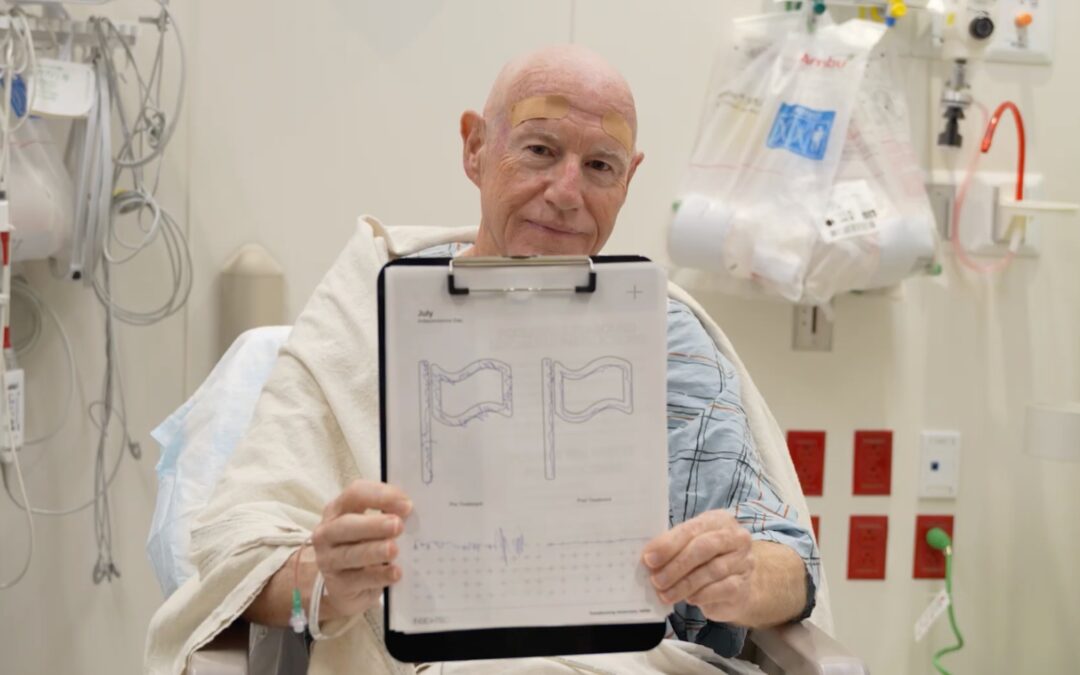
Ground-Breaking HiFu Treatment Re-Opens a Door
Innovative non-invasive essential tremor treatment puts car enthusiast back in the driver’s seat Dan lived with...
Full Patient Story: Chris’s Recovery After L4–5 Posterior Lumbar Interbody Fusion (PLIF)
How an L4–5 Posterior Lumbar Fusion Gave Chris Feeling in His Leg Again and His Life Back Chris was only in his early...

Back in the Game: Brian’s Recovery After C5–6 Disc Replacement
Neck pain and cervical radiculopathy stole his mobility, his golf swing, and his comfort, an artificial disc...

New Jersey Brain and Spine Launches $2000 Healthcare Scholarship to Support Next Generation of Healthcare Professionals
Investing in the future of healthcare: Annual scholarship open to high school and undergraduate students from or...