Spinal Cord Tumor Treatment in New Jersey: Expert Neurosurgical Care
A spinal cord tumor diagnosis can feel overwhelming, bringing uncertainty about treatment options, outcomes, and your future quality of life. At New Jersey Brain and Spine, our fellowship-trained neurosurgeons specialize in treating all types of spinal cord tumors using the most advanced microsurgical techniques, intraoperative monitoring technology, and comprehensive care protocols designed to maximize tumor removal while preserving neurological function.
We understand that treating a spinal cord tumor requires not just medical expertise but also compassionate guidance through a challenging time. Our team combines decades of experience treating complex spinal tumors with a patient-centered approach that addresses your medical needs, answers your questions, and supports you and your family throughout your treatment journey.
What is a Spinal Cord Tumor?
A spinal cord tumor is an abnormal growth that develops within or near the spinal cord. These tumors can develop within the spinal cord itself (intramedullary tumors), in the membranes covering the spinal cord (intradural-extramedullary tumors), or outside the protective covering but near the spinal column (extradural tumors). The location of the tumor significantly influences symptoms, treatment approach, and expected outcomes.
Spinal cord tumors are relatively rare compared to brain tumors or other cancers, accounting for only about 2-4% of all central nervous system tumors. However, their location makes them particularly significant—even small tumors can cause serious symptoms by compressing the spinal cord or nerve roots. Understanding the type and location of your tumor is essential for developing an effective treatment plan.
Are Spinal Cord Tumors Cancerous?
Not all spinal cord tumors are cancerous, and understanding this distinction is crucial for patients and families. Spinal cord tumors can be either benign (non-cancerous) or malignant (cancerous), and this classification significantly impacts treatment approach and prognosis.
Benign Spinal Cord Tumors
Many spinal cord tumors are benign, meaning they don’t spread to other parts of the body and typically grow more slowly than malignant tumors. Common benign types include meningiomas (arising from the membranes covering the spinal cord), schwannomas and neurofibromas (nerve sheath tumors), and ependymomas (arising from cells lining the central canal of the spinal cord). While benign tumors don’t metastasize, they can still cause serious symptoms by compressing the spinal cord and require treatment — often surgical removal.
Malignant Spinal Cord Tumors
Malignant spinal tumors include primary tumors that originate in the spine (such as high-grade gliomas or sarcomas) and metastatic tumors that spread from cancers elsewhere in the body (most commonly from lung, breast, prostate, or kidney cancers). Malignant tumors typically require multimodal treatment including surgery, radiation therapy, and sometimes chemotherapy. The prognosis for malignant tumors depends on the tumor type, grade, location, and extent of spread.
At New Jersey Brain and Spine, we work closely with experienced neuropathologists and oncologists to ensure accurate diagnosis and comprehensive treatment planning.
What Are the Symptoms of a Spinal Cord Tumor?
Spinal cord tumor symptoms can develop gradually or appear suddenly, depending on the tumor type, location, and growth rate. Recognizing these symptoms early is important because prompt treatment can prevent permanent neurological damage.
Common Symptoms Include:
- Back or neck pain
- Radiating pain that travels from the spine into the arms or legs
- Numbness and tingling in the arms, legs, trunk, or other area
- Muscle weakness in the arms or legs
- Loss of bowel or bladder control
- Difficulty walking and balance problems
- Spinal deformity
If you’re experiencing any combination of these symptoms, especially if they’re progressive, it’s essential to seek evaluation from a spine specialist promptly. Early diagnosis and treatment can prevent irreversible neurological damage and improve outcomes.
How Are Spinal Cord Tumors Diagnosed?
Accurate diagnosis of spinal cord tumors requires a combination of clinical evaluation and advanced imaging studies. At New Jersey Brain and Spine, we use a comprehensive diagnostic approach to fully characterize your tumor and plan optimal treatment. This might include:
- Neurological examination
- Magnetic resonance imaging (MRI)
- Computed tomography (CT) scan
- X-rays
- Biopsy
Additional studies might include blood tests, cancer screening studies, or imaging of other body areas may be recommended if metastatic disease is suspected. Electromyography (EMG) or nerve conduction studies may help assess the extent of nerve damage.
This comprehensive diagnostic approach allows us to develop a detailed understanding of your tumor and create a personalized treatment plan optimized for your specific situation.
How Are Spinal Cord Tumors Treated?
Treatment for spinal cord tumors depends on the tumor type, location, size, rate of growth, your neurological status, and overall health. At New Jersey Brain and Spine, we offer comprehensive treatment options tailored to each patient’s unique circumstances. Treatment might include:
- Surgical treatment
- Radiation therapy
- Chemotherapy and targeted therapy
- Observation
- Corticosteroids
Is Spinal Cord Tumor Surgery Dangerous?
Spinal cord tumor surgery is a serious procedure that requires exceptional skill and experience, but modern surgical techniques and technology have significantly improved safety outcomes.
While surgery carries risks, leaving a spinal cord tumor untreated often poses greater dangers. Untreated tumors typically cause progressive neurological deterioration that may become permanent if treatment is delayed. For many patients, the risk of surgery is significantly outweighed by the potential for neurological improvement and preventing further decline. Our team carefully evaluates each case to ensure that surgery offers the best chance for a positive outcome with acceptable risks.
Are Spinal Cord Tumors Curable?
The curability of spinal cord tumors depends primarily on tumor type and location. Understanding the prognosis for your specific tumor helps set realistic expectations and plan for the future.
Benign Tumors
The key to cure for benign tumors is achieving complete surgical removal, which is often possible with modern microsurgical techniques. Even when complete removal isn’t possible due to tumor location or spinal cord involvement, many patients achieve long-term disease control with partial resection and observation or radiation therapy.
Malignant Tumors
Malignant spinal cord tumors are more challenging to cure, though outcomes have improved with multimodal treatment approaches. High-grade gliomas arising within the spinal cord are difficult to cure completely, though surgery, radiation, and chemotherapy can provide meaningful survival benefits and quality of life improvements. Metastatic tumors to the spine are generally not curable but can be effectively managed to relieve symptoms, preserve function, and improve quality of life. Some patients with metastatic disease live for years with good symptom control through surgery, radiation, and systemic cancer treatments.
What Kind of Doctor Treats Spinal Cord Tumors?
Spinal cord tumor treatment requires specialized expertise that few medical professionals possess. Understanding which type of doctor is best qualified to treat these complex conditions is important for receiving optimal care.
Board-certified neurosurgeons with specialized training in spine surgery and spinal cord tumor treatment are typically the primary surgeons for these conditions. These specialists have completed medical school, neurosurgery residency, and often additional fellowship training in complex spine surgery or neuro-oncology. Neurosurgeons specializing in spinal tumors perform these operations regularly and have the expertise to navigate the delicate anatomy of the spinal cord while maximizing tumor removal and preserving neurological function.
Comprehensive spinal cord tumor treatment often involves a team of specialists working together. Neuro-oncologists help manage malignant tumors with chemotherapy and coordinate overall cancer care. Radiation oncologists provide specialized radiation treatment when needed. Neurologists may assist with diagnosis and long-term neurological management. Specialized radiologists interpret complex imaging studies. Physical medicine and rehabilitation specialists guide recovery and maximize functional outcomes. Pain management specialists help address chronic pain issues that may persist after treatment.
Not all neurosurgeons regularly treat spinal cord tumors, as these are relatively rare conditions requiring specialized expertise. The best outcomes are achieved by surgeons who have performed many spinal cord tumor operations and who work at centers with comprehensive support services, advanced technology, and multidisciplinary tumor boards where complex cases are discussed by multiple specialists.
Why Choose New Jersey Brain and Spine for Spinal Cord Tumor Treatment
When facing spinal cord tumor surgery, the experience and expertise of your surgical team directly influence your outcome. Our neurosurgeons have extensive experience specifically treating spinal cord tumors, having successfully managed hundreds of these complex cases. We regularly perform procedures that many surgeons encounter only rarely, providing the depth of experience that leads to superior outcomes.
Our team combines world-class surgical expertise with advanced technology and compassionate, personalized care. We welcome the opportunity to provide second opinions, discuss treatment options, and help you make informed decisions about your care.
Contact New Jersey Brain and Spine today to schedule a consultation with one of our specialized neurosurgeons.
Source: NIH / StatPearls
Have More Questions about This Condition
New Jersey Brain and Spine Earns #3 National Ranking For Neurosurgical Practices
New Jersey Brain and Spine has once again been recognized among the nation’s elite neurosurgical practices—this time...

Patient Story: Patient Gets Fitness Career Back in Shape Thanks to Dr. Roth
Robin Bray is the owner of FitnessBarre™, a popular local workout studio in Midland Park, New Jersey. The...
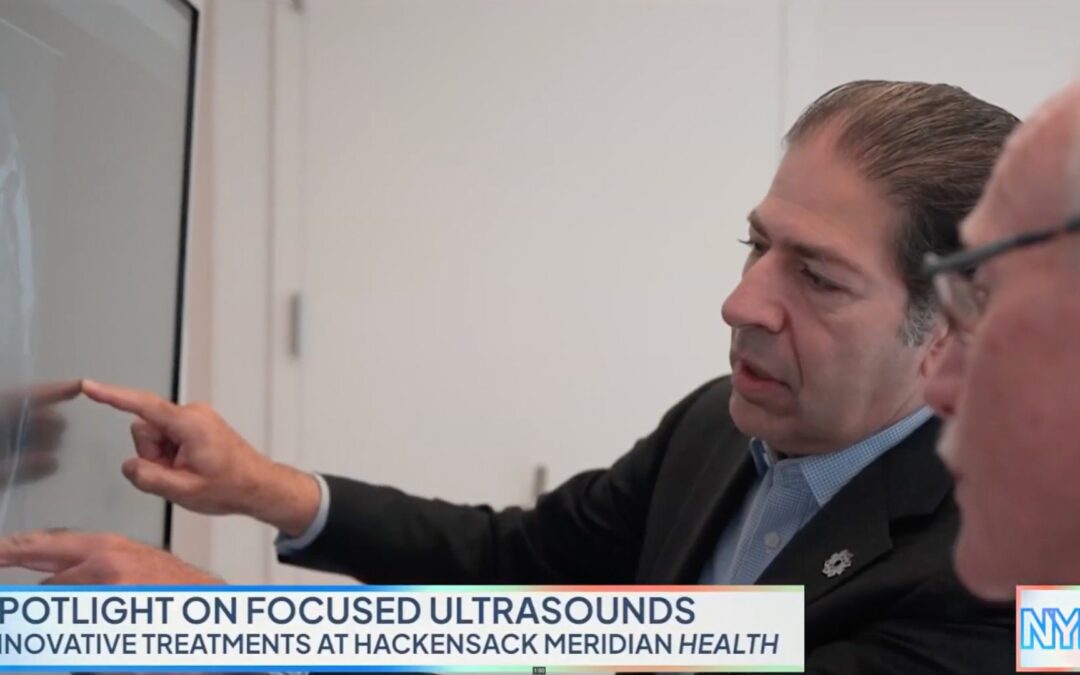
NJBS Highlighted for Advanced Tremor Treatment With Hackensack Meridian Health
New Jersey Brain & Spine was recently featured alongside Hackensack Meridian Health, highlighting the impact of...

Patient Story: Ashley’s Recovery After Cervical Disc Herniation
A stroke at birth left Ashley with cerebral palsy and limited mobility on her right side. So when she woke up at 1...

Back on the Competition Track: A Young Athlete’s Recovery After L4–L5 Disc Herniation Surgery
Severe nerve compression brought life to a halt—lumbar microdiscectomy helped him reclaim strength, mobility, and...
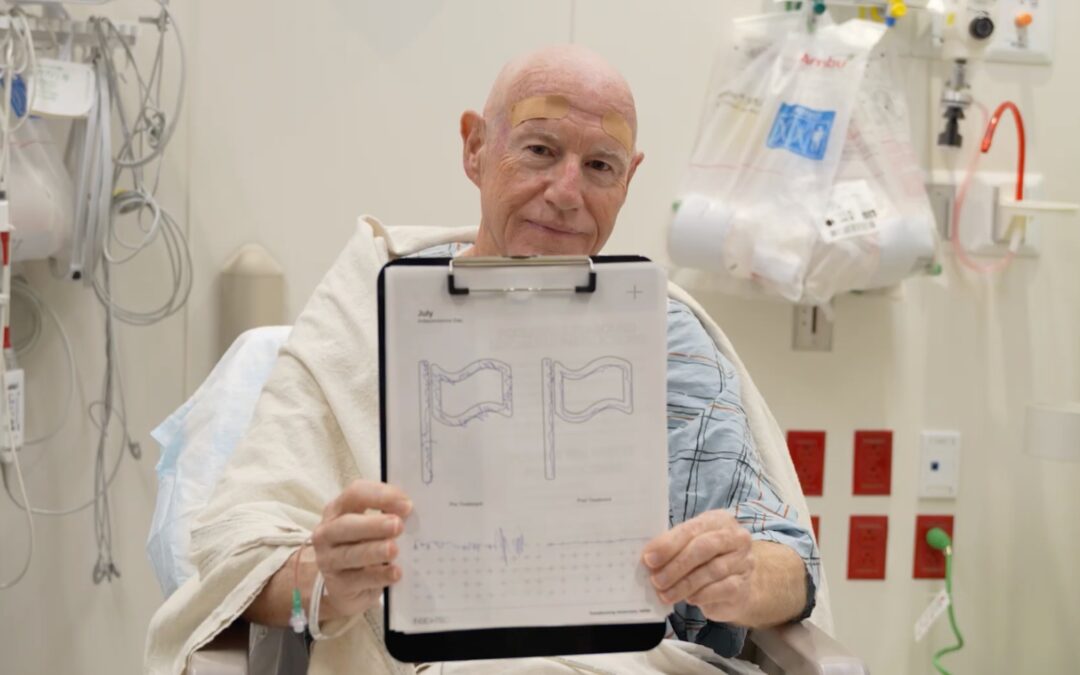
Ground-Breaking HiFu Treatment Re-Opens a Door
Innovative non-invasive essential tremor treatment puts car enthusiast back in the driver’s seat Dan lived with...
Full Patient Story: Chris’s Recovery After L4–5 Posterior Lumbar Interbody Fusion (PLIF)
How an L4–5 Posterior Lumbar Fusion Gave Chris Feeling in His Leg Again and His Life Back Chris was only in his early...

Back in the Game: Brian’s Recovery After C5–6 Disc Replacement
Neck pain and cervical radiculopathy stole his mobility, his golf swing, and his comfort, an artificial disc...

New Jersey Brain and Spine Launches $2000 Healthcare Scholarship to Support Next Generation of Healthcare Professionals
Investing in the future of healthcare: Annual scholarship open to high school and undergraduate students from or...