Vasculitis: Symptoms, Causes, and When to See a Specialist
Vasculitis is characterized by blood vessel inflammation — arteries, veins, and capillaries. The inflammation results in changes, like thickening of the walls, narrowing, scarring, and weakness, making it hard for blood to flow through the affected vessels, which can cause damage to tissue and organs.
What causes vasculitis?
Vasculitis is a broad term for a group of conditions caused by inflamed blood vessels. It is often linked to autoimmune diseases in which the immune system mistakenly attacks the blood vessels and can manifest with autoimmune disease symptoms. Vasculitis most commonly affects the kidneys, lungs, nerves, and skin. It can be triggered by an infection, medication, or it can be related to another disease.
What are the symptoms of vasculitis?
Symptoms of vasculitis vary based on the part of the body affected. For example, vasculitis that affects the digestive system may result in pain after eating. Vasculitis in the legs can be characterized by rash, pain, or swelling. Vasculitis in the lungs may cause shortness of breath or the person may cough up blood.
Vasculitis symptoms also vary based on which vessels are affected. A rash, lumps, or sores may result from vasculitis in vessels at the skin’s surface; whereas, vasculitis in vessels that supply nerves may cause numbness or weakness in the affected extremity (arm/hand, leg/foot).
General symptoms of vasculitis include:
- Fever
- Headache
- Fatigue
- Weight loss
- Joint and muscle pains
- Numbness or tingling, especially in hands and feet
What are the different types of vasculitis?
Vasculitis is categorized into three broad types based on the size of blood vessel and the organs affected, and each has different symptoms and implications for treatment and outcomes.
- Large vessel vasculitis is inflammation in the aorta and its major branches, including the carotid arteries, renal arteries, and coronary arteries. The aorta is the largest artery of the body that carries blood from the heart to the circulatory system. Common sites of symptoms include the eyes, head and neck, arms, and legs. And patients with large vessel vasculitis typically experience headaches, vision changes, high blood pressure, and numbness, among other general symptoms of vasculitis.
- Medium vessel vasculitis is inflammation of the medium-sized arteries that, like those that supply blood to internal organs like the heart, peripheral nerves, and those within the abdomen, including the intestines and kidney. Symptoms can include fatigue, numbness, high blood pressure, abdominal pain, leg pain, and skin sores.
- Small vessel vasculitis is inflammation in the capillaries, venules, and arterioles. Commonly affected organs include the skin, joints, gastrointestinal tract, and kidneys. Symptoms can include a skin rash, hives, blisters, and sores; joint pain; and abdominal pain.
Can vasculitis be cured?
There is no cure for vasculitis, but early and effective vasculitis treatment can control inflammation, putting the condition into remission and resolving symptoms, oftentimes for many years. Lifestyle changes, such as exercising, eating healthy, and not smoking, can also help to control symptoms.
Most types of vasculitis will require long-term treatment to maintain remission. Vasculitis is commonly diagnosed and treated by rheumatologists, who are specialists in diseases affecting joints, bones, muscles, and the immune system. Treatment recommendations will be based on the type and severity of your condition, and may include corticosteroids, immunosuppressants or biologics, and ACE inhibitors. You may also be referred to other specialists depending on which organs your vasculitis affects. Sometimes surgery is recommended to repair damaged blood vessels or prevent ruptures of weakened vessels, in which case, you may see other specialists including a vascular surgeon or neurosurgeon.
The long-term outlook for people with vasculitis varies depending on the type of vasculitis, the organs affected, the severity of the condition, and how quickly it is diagnosed and managed. Early diagnosis and treatment can prevent organ damage and reduce risk of complications. Most people with vasculitis can lead a normal life with appropriate treatment.
Early diagnosis and timely treatment are key to improving outcomes with vasculitis. If you are experiencing symptoms that concern you, contact us today. At New Jersey Brain and Spine, we are your dedicated vasculitis specialists in New Jersey.
Frequently Asked Questions (FAQs) About Vasculitis
What is the life expectancy of a person with vasculitis?
Can you be cured of vasculitis? Is vasculitis a lifelong condition?
What does vasculitis do to your legs?
Where is vasculitis most common?
What doctor deals with vasculitis?
What are the 3 types of vasculitis?
Can you fully recover from vasculitis?
Have More Questions about This Condition

New Jersey Brain and Spine Earns #3 National Ranking For Neurosurgical Practices
New Jersey Brain and Spine has once again been recognized among the nation’s elite neurosurgical practices—this time...

Patient Story: Patient Gets Fitness Career Back in Shape Thanks to Dr. Roth
Robin Bray is the owner of FitnessBarre™, a popular local workout studio in Midland Park, New Jersey. The...
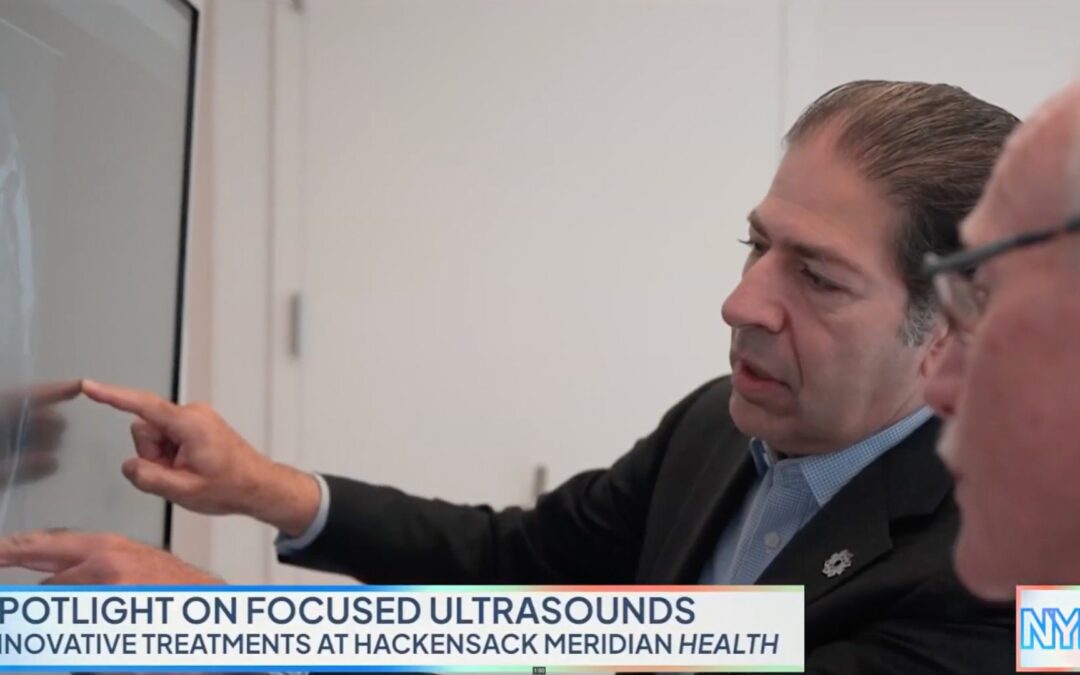
NJBS Highlighted for Advanced Tremor Treatment With Hackensack Meridian Health
New Jersey Brain & Spine was recently featured alongside Hackensack Meridian Health, highlighting the impact of...

Patient Story: Ashley’s Recovery After Cervical Disc Herniation
A stroke at birth left Ashley with cerebral palsy and limited mobility on her right side. So when she woke up at 1...

Back on the Competition Track: A Young Athlete’s Recovery After L4–L5 Disc Herniation Surgery
Severe nerve compression brought life to a halt—lumbar microdiscectomy helped him reclaim strength, mobility, and...
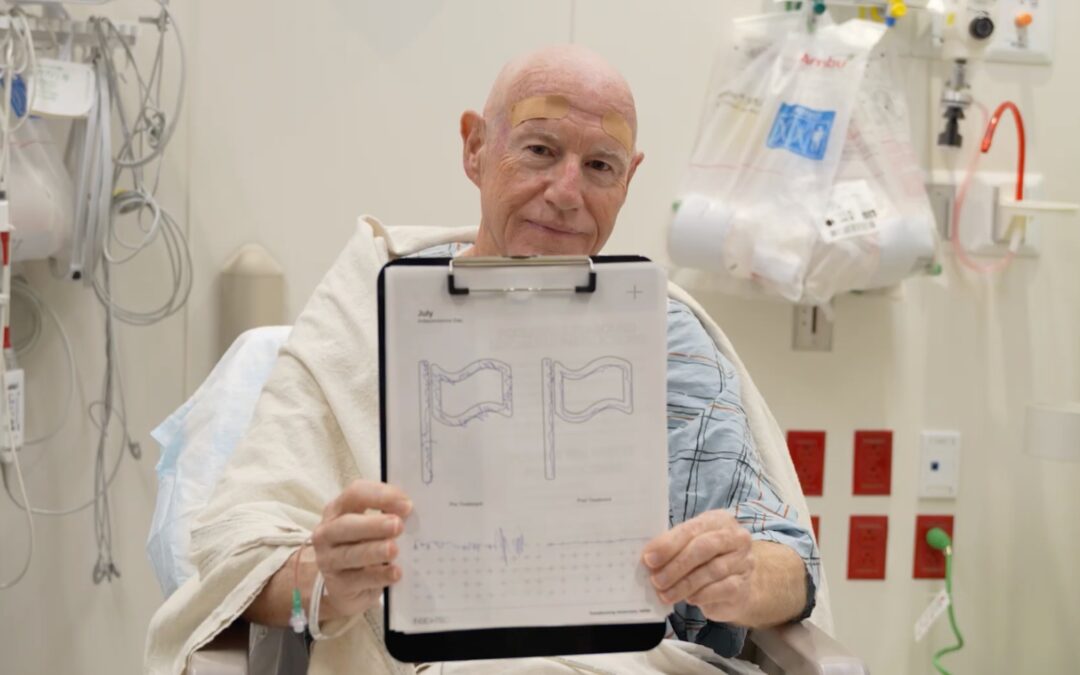
Ground-Breaking HiFu Treatment Re-Opens a Door
Innovative non-invasive essential tremor treatment puts car enthusiast back in the driver’s seat Dan lived with...
Full Patient Story: Chris’s Recovery After L4–5 Posterior Lumbar Interbody Fusion (PLIF)
How an L4–5 Posterior Lumbar Fusion Gave Chris Feeling in His Leg Again and His Life Back Chris was only in his early...

Back in the Game: Brian’s Recovery After C5–6 Disc Replacement
Neck pain and cervical radiculopathy stole his mobility, his golf swing, and his comfort, an artificial disc...

New Jersey Brain and Spine Launches $2000 Healthcare Scholarship to Support Next Generation of Healthcare Professionals
Investing in the future of healthcare: Annual scholarship open to high school and undergraduate students from or...