Early Detection of Spinal Cord Tumors: Why Timing Matters

As a spine specialist with fellowship training in neuro-oncology, I’ve seen firsthand how subtle symptoms can signal something much more serious — and how early care can change everything. While spinal cord tumors are rare (affecting roughly 1 in 100,000 people each year), they are potentially life-altering, especially when diagnosis is delayed.
If you’ve been experiencing persistent back pain, unexplained weakness, or changes in sensation, it’s understandable to hope it’s just a pulled muscle or a pinched nerve. But if those symptoms persist, worsen, or come with neurological signs, it’s time to take them seriously.
In this article, I’ll walk you through what spinal cord tumors are, the signs to watch for, and why seeking early evaluation is so important to protecting your spinal health and quality of life.
Spinal cord tumors often grow quietly and progressively. Many patients don’t seek evaluation until symptoms become difficult to ignore—and by then, the tumor may have already caused irreversible damage.
The earlier we identify a spinal cord tumor, the greater the chance we have to:
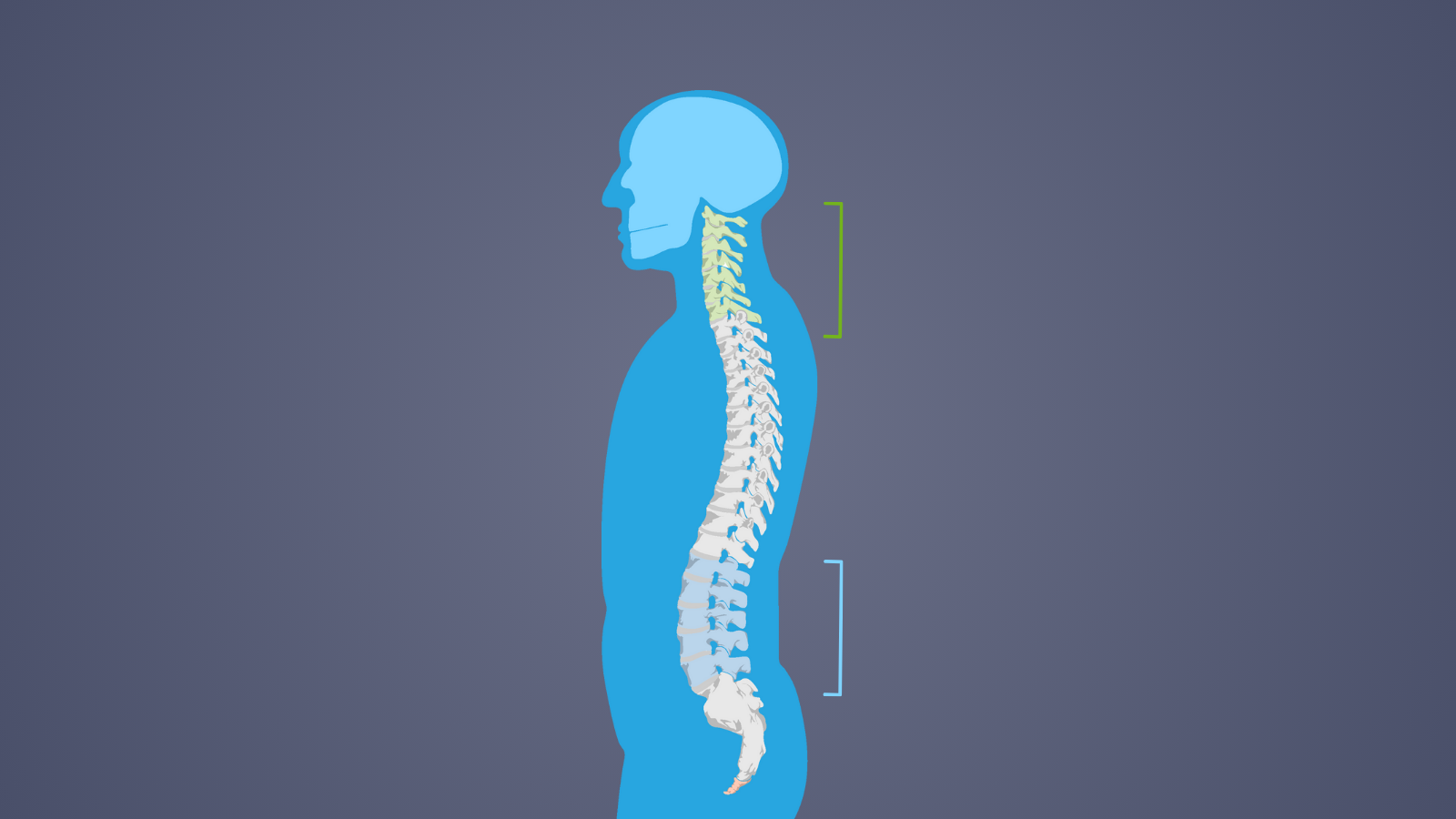
These tumors can develop anywhere along the spinal column, and even in cases where they’re benign, their impact can be serious. I’ve cared for patients with small, slow-growing tumors who still experienced significant numbness or weakness simply because the tumor was pressing against a critical part of the spinal cord.
In my experience, what often brings patients to our practice is a combination of symptoms that have started to interfere with daily life—like dropping objects, stumbling on stairs, or needing to use the bathroom more urgently than usual. These changes may feel vague or unrelated at first, but when we put the pieces together, they often point to a spinal cord issue that needs attention.
Some of the most important symptoms to be aware of include:
Benign tumors typically grow slowly, which can delay diagnosis, while malignant tumors or metastatic tumors (those that spread to the spine from other cancers) may cause symptoms to progress more rapidly.
While spinal tumors can affect anyone, certain factors increase your risk. You may be at higher risk if you have:
It’s important to note that secondary (metastatic) tumors are far more common than primary spinal tumors. Up to 30% of people with cancer will develop spinal metastases during the course of their disease.
When someone comes in for an appointment regarding potential signs of a spinal tumor, we don’t jump to conclusions at New Jersey Brain and Spine—but we do take it seriously. I always explain that we’re not just looking for a tumor—we’re trying to understand the full picture: what’s causing the symptoms, how fast things are progressing, and what we can do to protect the spinal cord moving forward.
If we do suspect a spinal tumor, we begin with a comprehensive workup that may include:
The sooner we reach a diagnosis, the sooner we can act—often before serious damage occurs.
Treatment is highly personalized, and we weigh multiple factors, including:
Common treatment options include:
Our goal is always the same: protect your function, reduce your symptoms, and treat the tumor with as little disruption to your life as possible.
If you’re experiencing any of the symptoms listed above—especially new or worsening neurological issues—don’t wait. Even if it turns out to be something minor, the peace of mind is worth it. But if it is a spinal tumor, every day matters in preventing long-term complications.
One of the most difficult conversations I have is with patients who say, “I wish I’d come in sooner.” My goal here is to help you avoid that situation by understanding what to watch for and when to act.
At New Jersey Brain and Spine, our fellowship-trained neurosurgeons are among the most experienced in the region when it comes to diagnosing and treating spinal tumors. We work closely with oncologists, radiologists, and rehabilitation specialists to give our patients comprehensive, compassionate care.
We would be honored to be part of your care team.
Whether you need a diagnosis, a second opinion, or just someone to help you make sense of your symptoms, we’re here. We’ll take the time to listen, explain your options, and work together on the next steps. We would be honored to be part of your care team. Schedule an appointment.