Minimally Invasive Spine Surgery: Answering Your Most Important Questions
By Patrick Roth, MD
As a neurosurgeon specializing in minimally invasive spine surgery, I hear a similar set of questions from most of the patients I consult with: “How does minimally invasive spine surgery work?” “Am I a candidate for minimally invasive surgery?” “What benefits does it offer when compared to traditional open surgery?” These are exactly the questions you should be asking when facing a spine surgery decision.
Over my years of practice, I’ve seen how patients benefit tremendously when they understand their treatment options and feel confident in their surgical decisions. That’s why I’ve compiled answers to the most frequently asked questions about minimally invasive spine surgery — to help you make informed decisions about your care and understand why these advanced techniques represent such an excellent treatment option for many patients.
How Does Minimally Invasive Spine Surgery Work?
Unlike traditional open spinal surgery, which involves large incisions and extensive muscle and tissue damage, minimally invasive spine surgery uses small incisions and specialized instruments to access the spine. This approach preserves the muscle and muscle attachments and reduces bleeding, inflammation, and post-operative pain.
One of the most exciting recent developments is the integration of endoscopic techniques that provide direct visualization of spinal structures through a tiny camera, allowing surgeons to see exactly what they’re treating while minimizing tissue disruption.
In addition, advances in surgical instruments have made it possible to perform complex procedures, including spinal fusions and decompressions, through these minimal access points. The continuous refinement of these techniques means that conditions once thought to require extensive open surgery can now be treated with minimally invasive approaches, offering patients better outcomes with significantly reduced recovery times. Because these bigger procedures are always invasive, we prefer the term “minimal access surgery” to “minimally invasive surgery.”
What Patients Are Good Candidates for Minimally Invasive Spine Surgery?
At New Jersey Brain and Spine, we always seek the most appropriate, least invasive treatment that will effectively address each patient’s specific condition. This philosophy means that surgery, whether minimally invasive or traditional, is never our first recommendation. We begin with a comprehensive evaluation that considers conservative treatments such as physical therapy, medications, injections, and lifestyle modifications.
When surgery becomes necessary, our team carefully analyzes each patient’s anatomy, pathology, and individual circumstances to determine the most appropriate surgical approach. We have extensive experience in both minimally invasive and traditional open techniques, allowing us to choose the method that offers the best combination of effectiveness and minimal invasiveness for each unique situation.
Often, we recommend minimally invasive surgery for patients with:
We also consider it for patients who have had previous spinal surgeries and are experiencing recurrent symptoms.
What Benefits Can Patients Expect from Minimally Invasive Spine Surgery?
The advantages of minimally invasive spine surgery over traditional open approaches are substantial. Most notably, patients experience significantly less post-operative pain because the muscles and soft tissues remain largely intact. This reduction in tissue trauma translates directly into shorter hospital stays — many patients go home the same day or after one night in the hospital, compared to the 3-5 day stays often required after open surgery.
Recovery times are also faster with minimally invasive techniques. The preserved muscle integrity means patients maintain better core strength and spinal stability throughout their recovery. Additionally, the smaller incisions result in less scarring, reduced risk of infection, and lower blood loss during surgery.
Perhaps most importantly for long-term outcomes, minimally invasive approaches reduce the risk of epidural scarring and preserve normal spinal anatomy, potentially reducing the likelihood of future problems or the need for additional surgeries.
Pitfalls to avoid
Do not consider surgery simply because it is “minimally invasive.” All surgery should be judged on what the patient needs to make their quality of life better, what is the likelihood that surgery will deliver that improvement, what are the risks, and what is likely to happen without surgery. If the decision is made to go with surgery, the traditional and minimally invasive surgeries can then be compared.
Essential Questions to Ask Your Physician
If you are considering minimally invasive spine surgery, it’s important to ask about your surgeon’s specific experience with this approach. These procedures require specialized training and expertise that not all spine surgeons possess. At New Jersey Brain and Spine, our fellowship-trained spine surgeons specialize in minimally invasive techniques and stay current with the latest technological developments, ensuring that our patients have access to the most advanced treatment options available.
When considering minimally invasive surgery, you should also ask your potential surgeon about the long-term outcomes and success rates for minimally invasive treatment of your particular condition, as well as the likelihood that you might need additional procedures in the future.
Your Journey to Recovery Starts Here
If you are living with chronic back or neck pain that’s impacting your quality of life, I want you to know that minimally invasive spine surgery may offer you a path to relief that you hadn’t previously considered. The advanced techniques we use today can address a wide range of spinal conditions with remarkable precision and minimal disruption to your normal life.
At New Jersey Brain and Spine, we’re committed to providing you with the most advanced, appropriate treatment for your specific condition. Every patient’s journey is unique, and our goal is to help you find the treatment approach that will restore your health and get you back to the life you love as quickly and safely as possible. With minimally invasive spine surgery, that goal is more achievable than ever, offering hope for a pain-free future and renewed confidence in your ability to live life to the fullest.
Schedule a consult today to learn more about minimally invasive spine surgery and whether it might be the right treatment for your condition.
Dr. Roth is one of the leading surgeons in the country for the treatment of spinal disorders. He is a board-certified neurosurgeon and founding member of New Jersey Brain and Spine, a prestigious, multi-specialized group of neurosurgeons with locations across northern New Jersey. In practice for more than 25 years, Dr. Roth is a strong advocate for minimally invasive surgery and the use of nonsurgical methods to treat back pain.
Patient Spotlight: Patient Successfully Treated with Minimally Invasive Spine Surgery
Lincoln, a 45-year-old plumber, came to our practice with severe lower back pain and leg numbness that prevented him from working for over three months despite conservative treatments including physical therapy and epidural injections. MRI imaging revealed a large herniated disc with significant nerve compression that was causing his debilitating symptoms and inability to perform his physically demanding job.
We recommended a minimally invasive microdiscectomy, which was performed through a half-inch incision using specialized tubular retractors and microscopic visualization. The procedure took just 45 minutes, and Lincoln was walking comfortably within two hours of surgery, going home the same day with minimal discomfort. He returned to light duty work after just ten days and was back to full plumbing activities within four weeks. At his three-month follow-up, he was completely pain-free and had returned to all his previous activities, including weekend softball games with his company team.
[name and details have been changed to preserve patient anonymity]
Special Section: Common Questions about Minimally Invasive Spine Surgery
What is minimally invasive spine surgery?
What conditions can be treated with minimally invasive spine surgery?
How is minimally invasive spine surgery different from traditional surgery?
Who is a candidate for minimally invasive spine surgery?
How long is the recovery after minimally invasive spine surgery?
Where can I get minimally invasive spine surgery in New Jersey?
Have More Questions about This Condition
New Jersey Brain and Spine Earns #3 National Ranking For Neurosurgical Practices
New Jersey Brain and Spine has once again been recognized among the nation’s elite neurosurgical practices—this time...

Patient Story: Patient Gets Fitness Career Back in Shape Thanks to Dr. Roth
Robin Bray is the owner of FitnessBarre™, a popular local workout studio in Midland Park, New Jersey. The...
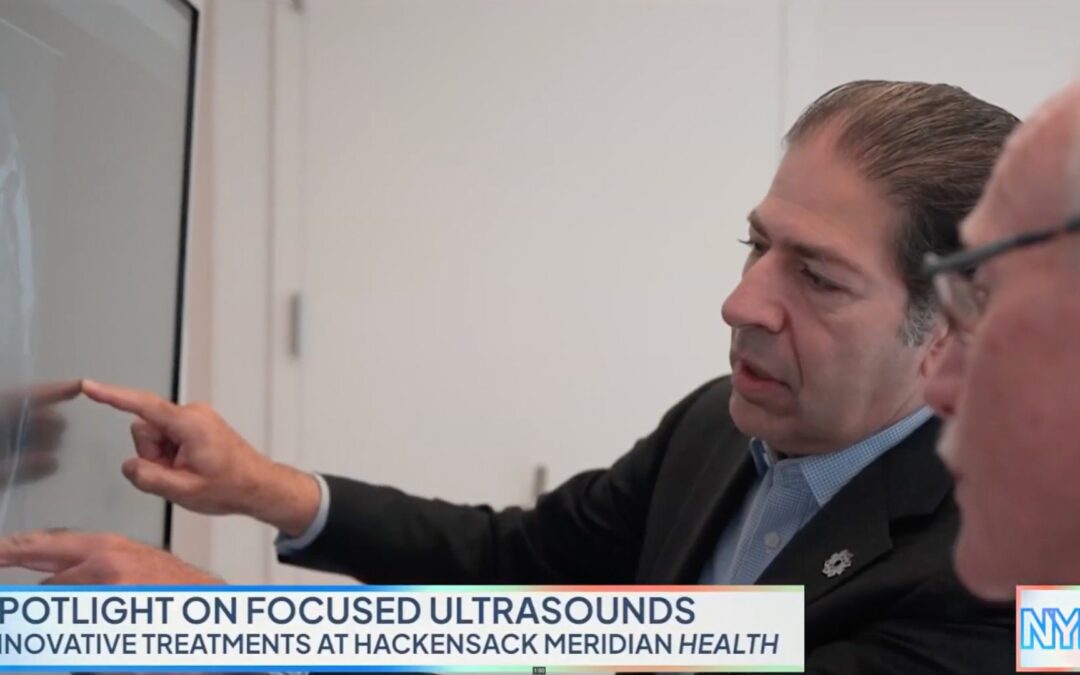
NJBS Highlighted for Advanced Tremor Treatment With Hackensack Meridian Health
New Jersey Brain & Spine was recently featured alongside Hackensack Meridian Health, highlighting the impact of...

Patient Story: Ashley’s Recovery After Cervical Disc Herniation
A stroke at birth left Ashley with cerebral palsy and limited mobility on her right side. So when she woke up at 1...

Back on the Competition Track: A Young Athlete’s Recovery After L4–L5 Disc Herniation Surgery
Severe nerve compression brought life to a halt—lumbar microdiscectomy helped him reclaim strength, mobility, and...
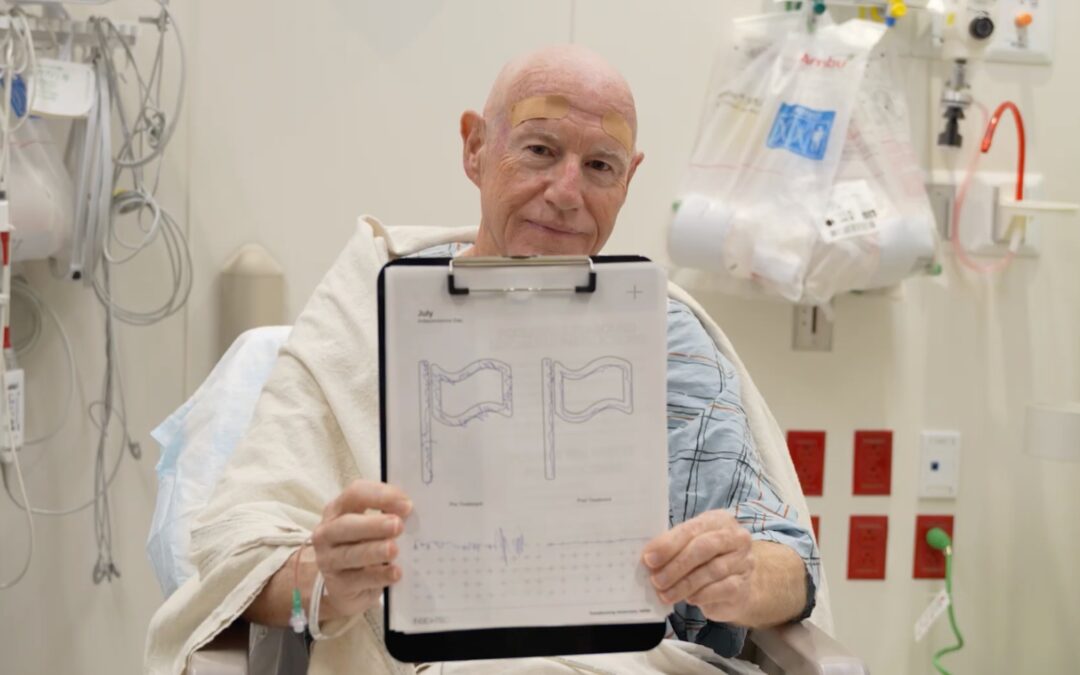
Ground-Breaking HiFu Treatment Re-Opens a Door
Innovative non-invasive essential tremor treatment puts car enthusiast back in the driver’s seat Dan lived with...
Full Patient Story: Chris’s Recovery After L4–5 Posterior Lumbar Interbody Fusion (PLIF)
How an L4–5 Posterior Lumbar Fusion Gave Chris Feeling in His Leg Again and His Life Back Chris was only in his early...

Back in the Game: Brian’s Recovery After C5–6 Disc Replacement
Neck pain and cervical radiculopathy stole his mobility, his golf swing, and his comfort, an artificial disc...

New Jersey Brain and Spine Launches $2000 Healthcare Scholarship to Support Next Generation of Healthcare Professionals
Investing in the future of healthcare: Annual scholarship open to high school and undergraduate students from or...