Understanding Cerebrovascular Bypass Surgery as a Treatment Option for Stroke, Aneurysm, and Moyamoya
When blood flow to the brain is blocked or narrowed, it can lead to serious conditions such as stroke, aneurysm, or moyamoya disease. Cerebrovascular bypass surgery, also known as brain bypass surgery, is a highly specialized microsurgical procedure that reroutes blood flow around blocked or narrowed arteries in the brain to restore proper circulation. This intervention helps prevent strokes and treats complex vascular conditions such as moyamoya disease, intracranial atherosclerosis, and aneurysms.
At New Jersey Brain and Spine, our expert team includes some of the top brain bypass neurosurgeons in New Jersey and moyamoya treatment specialists. We specialize in advanced bypass techniques using microsurgical precision and high-resolution imaging. Every care plan is tailored to optimize blood flow to the brain and reduce long-term risk, helping patients regain function and improve their quality of life.
What Is Cerebrovascular Bypass Surgery?
Cerebrovascular bypass surgery (also called cerebral artery bypass or brain bypass) is a surgical procedure that creates a new route for blood to flow to the brain. The neurosurgeon will use a healthy blood vessel from another part of the body or scalp and connect it to a brain artery to “bypass” or re-direct blood flow around a blocked, narrowed, or damaged artery.
Why Is Cerebral Vascular Bypass Surgery Performed?
Your physician may recommend a brain bypass when arteries that supply blood to the brain are blocked or narrowing and other treatments have not been successful.
Cerebrovascular bypass surgery is typically performed to prevent strokes or brain damage caused by:
- Narrowed or blocked arteries (due to atherosclerosis)
- Brain aneurysms that cannot be treated with clips or coils
- Moyamoya disease, a rare condition that causes blood vessels at the base of the brain to narrow
- Certain brain tumors that involve major arteries
- Recurrent strokes despite medical treatment
In some cases, your physician may recommend a stent or brain aneurysm coiling to open a narrowed artery; however, for more complex blockages such as where more area of the artery is affected or where multiple arteries are affected, a brain bypass may be the preferred treatment option.
How Is Cerebral Bypass Surgery Performed?
Cerebral bypass surgery involves connecting a healthy blood vessel from another part of the body or a nearby blood vessel to the damaged vessel beyond the blockage or narrowing to create a new route for blood to flow. There are two techniques used in cerebrovascular bypass surgeries:
1. Direct Bypass, which is also called an STA-MCA bypass, is the most frequently performed procedure. In the direct bypass surgery, your neurosurgeon will connect a small artery from the scalp (a superficial temporal artery, or STA) to a major artery in the brain (a middle cerebral artery, or MCA) to immediately improve blood flow.
2. Indirect Bypass involves moving tissue rich in blood vessels from the scalp to the surface of the brain to encourage new blood vessel growth and improve blood flow gradually over time.
A direct bypass provides an immediate increase in blood flow to the affected area of the brain; whereas the indirect bypass relies on the body’s natural ability to create new blood vessels and may be used when a direct bypass is not feasible or for patients with moyamoya disease.
Recovery from Brain Bypass Surgery
Recovery time can vary, but most patients can expect to be in the hospital up to 1 week and can return to regular daily activity within 6 weeks. Most people are fully recovered by 3 months.
Your physician may schedule regular follow-up appointments to monitor recovery. Your NJ-based neurosurgical team will guide you through your treatment and recovery process.
Patient Success Story: David’s Moyamoya Journey
David Martinez, a 34-year-old father from Wayne, New Jersey, had been experiencing concerning symptoms for months—frequent headaches, episodes of weakness in his left arm, and brief moments of confusion. Initially dismissing these as stress-related, David’s symptoms progressively worsened.
Emergency imaging revealed David had suffered a minor stroke caused by moyamoya disease. Without treatment, David faced a high risk of future, potentially devastating strokes. Dr. Karimi and the NJBS team evaluated David’s condition using advanced cerebral angiography and blood flow studies. Given the extent of vessel narrowing and David’s young age, they recommended bilateral STA-MCA bypass surgery to restore adequate blood flow to both sides of his brain.
The first bypass procedure, performed on David’s more severely affected right side, took approximately four hours. Using microsurgical techniques, Dr. Karimi successfully connected David’s superficial temporal artery to his middle cerebral artery, immediately improving blood flow.
“The improvement was remarkable,” David reports. “Within days, I could feel the difference. My headaches decreased, and I felt more alert and focused than I had in months.”
Three months later, David underwent the second bypass procedure for his left side, completing his treatment. Follow-up angiography confirmed excellent graft function and dramatically improved cerebral blood flow.
“One year later, I’m back to coaching my son’s soccer team and haven’t had any stroke symptoms,” David says. “Dr. Karimi and the NJBS team literally saved my brain. I can’t imagine where I’d be without this treatment.”
David’s case demonstrates the life-saving potential of cerebrovascular bypass surgery for complex conditions like moyamoya disease, highlighting New Jersey Brain and Spine’s expertise in advanced cerebrovascular procedures.
Risks with Cerebrovascular Bypass Surgery
As with any brain surgery, there are risks. These may include:
- Stroke or bleeding
- Infection
- Seizures
- Temporary or permanent neurologic changes
- Graft failure (new vessel doesn’t supply enough blood)
Choosing an experienced neurosurgeon greatly reduces these risks and improves outcomes. At New Jersey Brain and Spine, our specialists are highly trained in complex cerebrovascular surgeries. Whether you need help managing a challenging aneurysm, stroke, or rare conditions like moyamoya, we’re here to help.
We’re proud to offer New Jersey patients:
- Expertise in cerebrovascular bypass surgery
- Access to leading moyamoya and aneurysm treatment specialists
- A patient-centered approach to complex brain and vascular care
Ready to Take the Next Step?
Cerebrovascular bypass surgery represents one of the most advanced treatments available for complex brain circulation problems. When medical management fails and endovascular options aren’t suitable, bypass surgery can be life-saving, particularly for conditions like moyamoya disease and severe intracranial stenosis.
At New Jersey Brain and Spine, our specialized cerebrovascular team combines decades of experience with cutting-edge microsurgical techniques to achieve exceptional outcomes for patients requiring bypass surgery. We understand that facing the need for brain surgery can be overwhelming, and our team is committed to providing comprehensive education, support, and expert care throughout your journey.
If you or a loved one has been diagnosed with a cerebrovascular condition that may require bypass surgery, don’t wait to seek specialized evaluation. Early intervention often leads to better outcomes and can prevent devastating strokes.
Contact New Jersey Brain and Spine at 201-342-2550 to schedule a consultation with our cerebrovascular specialists. Our team will provide thorough evaluation and discuss whether cerebrovascular bypass surgery is right for your specific condition. Call to speak with our team about how advanced bypass techniques can help restore proper blood flow to your brain and reduce your stroke risk.
Frequently Asked Questions (FAQs) About Cerebrovascular Bypass Procedures
What is cerebrovascular bypass surgery?
Who needs brain bypass surgery?
What are the benefits of a brain bypass?
What is recovery like after cerebrovascular bypass surgery?
Is a brain bypass a high-risk surgery?
Have More Questions about This Condition
New Jersey Brain and Spine Earns #3 National Ranking For Neurosurgical Practices
New Jersey Brain and Spine has once again been recognized among the nation’s elite neurosurgical practices—this time...
Patient Story: Patient Gets Fitness Career Back in Shape Thanks to Dr. Roth
Robin Bray is the owner of FitnessBarre™, a popular local workout studio in Midland Park, New Jersey. The...
NJBS Highlighted for Advanced Tremor Treatment With Hackensack Meridian Health
New Jersey Brain & Spine was recently featured alongside Hackensack Meridian Health, highlighting the impact of...

Patient Story: Ashley’s Recovery After Cervical Disc Herniation
A stroke at birth left Ashley with cerebral palsy and limited mobility on her right side. So when she woke up at 1...

Back on the Competition Track: A Young Athlete’s Recovery After L4–L5 Disc Herniation Surgery
Severe nerve compression brought life to a halt—lumbar microdiscectomy helped him reclaim strength, mobility, and...
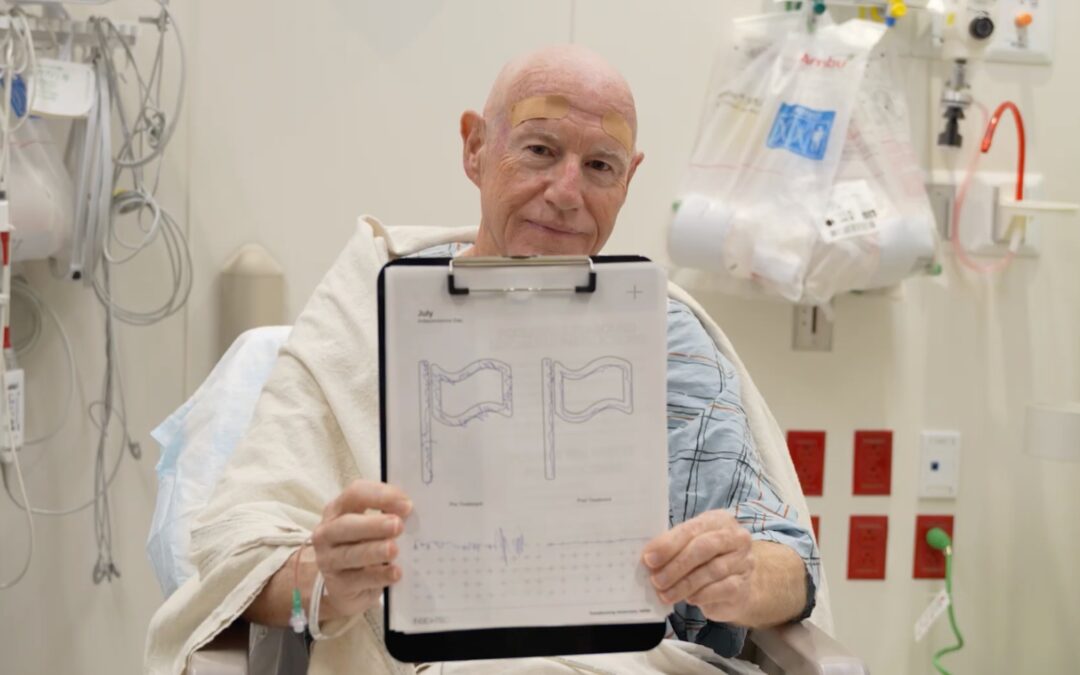
Ground-Breaking HiFu Treatment Re-Opens a Door
Innovative non-invasive essential tremor treatment puts car enthusiast back in the driver’s seat Dan lived with...
Full Patient Story: Chris’s Recovery After L4–5 Posterior Lumbar Interbody Fusion (PLIF)
How an L4–5 Posterior Lumbar Fusion Gave Chris Feeling in His Leg Again and His Life Back Chris was only in his early...
Back in the Game: Brian’s Recovery After C5–6 Disc Replacement
Neck pain and cervical radiculopathy stole his mobility, his golf swing, and his comfort, an artificial disc...

New Jersey Brain and Spine Launches $2000 Healthcare Scholarship to Support Next Generation of Healthcare Professionals
Investing in the future of healthcare: Annual scholarship open to high school and undergraduate students from or...