Foraminotomy is a minimally invasive spine surgery performed to relieve pressure on spinal nerves that are compressed as they exit the spinal canal through openings called foramina. When these openings become narrowed—often due to age-related changes, disc degeneration, or arthritis—patients can experience pain, numbness, tingling, or weakness that radiates from the neck or back into the arms or legs.
At New Jersey Brain and Spine, foraminotomy is commonly used to treat nerve compression caused by spinal stenosis, herniated discs, and degenerative disc disease. By removing bone or tissue that is narrowing the foramen, this procedure can reduce nerve irritation while preserving as much of the natural spine structure as possible.
What Is a Foraminotomy?
A foraminotomy is a surgical procedure that widens the neural foramen, the small passageways where spinal nerves exit the spinal column. Over time, these openings can become narrowed by bone spurs, thickened ligaments, scoliosis, or bulging discs, leading to painful nerve compression.
Unlike spinal fusion procedures, foraminotomy does not stabilize or fuse the spine. Instead, it focuses on targeted decompression, making it an effective option for patients whose primary issue is nerve impingement rather than spinal instability. According to national estimates, millions of Americans experience symptoms of nerve compression each year, and decompression procedures like foraminotomy are among the most frequently performed spine surgeries in the U.S. More data on these procedures is available through the NIH.
How Is Foraminotomy Performed?
Foraminotomy is typically performed under general anesthesia. Depending on the location of nerve compression, the procedure may be done in the cervical (neck), thoracic (mid-back), or lumbar (lower back) spine.
During the procedure, the surgeon:
- Makes a small incision over the affected spinal level
- Uses specialized instruments and magnification to access the spine
- Removes bone spurs, thickened tissue, or disc material narrowing the foramen
In many cases, minimally invasive techniques are used to limit muscle disruption. The surgery usually takes one to two hours, and most patients go home the same day or after a short hospital stay. Recovery times vary, but many patients return to light activities within a week, with continued improvement over the following months. Additional procedural overviews are available from the Mayo Clinic.
When Is Foraminotomy Recommended?
Foraminotomy is recommended when symptoms such as radiating arm or leg pain, numbness, or weakness are clearly linked to spinal nerve compression seen on imaging studies—and when non-surgical treatments such as physical therapy, medications, or injections have not provided adequate relief. It is often considered when decompression is needed without the added complexity of spinal fusion.
What Patients Are Good Candidates for Foraminotomy?
Patients who may be good candidates for foraminotomy include those who:
- Have nerve pain caused by spinal stenosis or bone spurs
- Experience arm or leg symptoms from a herniated disc
- Have localized nerve compression without spinal instability
- Have persistent symptoms despite conservative treatment
- Want a minimally invasive option that preserves spinal motion
Risks and Benefits of Foraminotomy
Foraminotomy is designed to relieve nerve pressure while minimizing impact on the surrounding spine.
Potential benefits include:
- Targeted nerve decompression
- Relief of radiating arm or leg pain
- Preservation of spinal motion
- Smaller incisions and faster recovery compared to open surgery
Potential risks include:
- Infection or bleeding
- Nerve irritation or injury
- Incomplete symptom relief
- Recurrence of nerve compression over time
Your NJBS specialist will review your imaging and symptoms to determine whether foraminotomy is the most appropriate treatment.
Case Study: Successful Foraminotomy
A 55-year-old patient with lumbar spinal stenosis came to New Jersey Brain and Spine with severe leg pain and numbness that worsened with walking. Imaging revealed nerve compression caused by bone spurs narrowing the spinal foramen. Because there was no spinal instability, fusion surgery was not recommended.
The NJBS team performed a minimally invasive foraminotomy to relieve pressure on the affected nerve. Within weeks, the patient reported significant pain relief and improved walking tolerance. At the six-month follow-up, the patient had returned to normal daily activities without recurring symptoms. More recovery stories can be found on our patient stories page.
Schedule a Consult With Our Foraminotomy Specialists
At New Jersey Brain and Spine, our highly trained, board-certified specialists have treated thousands of patients with nerve compression and degenerative spine conditions using the most appropriate minimally invasive decompression procedures techniques. If you are experiencing radiating pain or nerve symptoms, contact one of our offices in Paramus, Hackensack, Montvale, Annandale, or Montclair to find out whether foraminotomy is right for you.
Frequently Asked Questions (FAQs) About Foraminotomy
What is the goal of a foraminotomy?
How is foraminotomy different from spinal fusion?
How long is recovery after foraminotomy?
Is foraminotomy minimally invasive?
Will foraminotomy relieve leg or arm pain?
How do I know if I’m a candidate for foraminotomy?
Have More Questions about This Condition
New Jersey Brain and Spine Earns #3 National Ranking For Neurosurgical Practices
New Jersey Brain and Spine has once again been recognized among the nation’s elite neurosurgical practices—this time...
Patient Story: Patient Gets Fitness Career Back in Shape Thanks to Dr. Roth
Robin Bray is the owner of FitnessBarre™, a popular local workout studio in Midland Park, New Jersey. The...
NJBS Highlighted for Advanced Tremor Treatment With Hackensack Meridian Health
New Jersey Brain & Spine was recently featured alongside Hackensack Meridian Health, highlighting the impact of...

Patient Story: Ashley’s Recovery After Cervical Disc Herniation
A stroke at birth left Ashley with cerebral palsy and limited mobility on her right side. So when she woke up at 1...

Back on the Competition Track: A Young Athlete’s Recovery After L4–L5 Disc Herniation Surgery
Severe nerve compression brought life to a halt—lumbar microdiscectomy helped him reclaim strength, mobility, and...
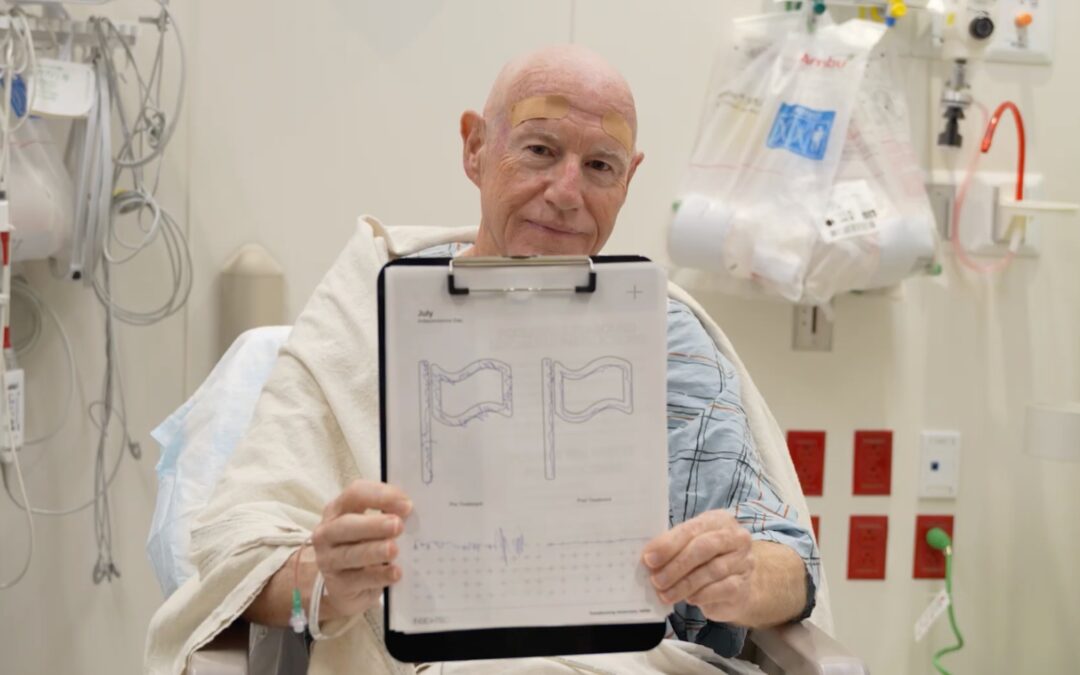
Ground-Breaking HiFu Treatment Re-Opens a Door
Innovative non-invasive essential tremor treatment puts car enthusiast back in the driver’s seat Dan lived with...
Full Patient Story: Chris’s Recovery After L4–5 Posterior Lumbar Interbody Fusion (PLIF)
How an L4–5 Posterior Lumbar Fusion Gave Chris Feeling in His Leg Again and His Life Back Chris was only in his early...
Back in the Game: Brian’s Recovery After C5–6 Disc Replacement
Neck pain and cervical radiculopathy stole his mobility, his golf swing, and his comfort, an artificial disc...

New Jersey Brain and Spine Launches $2000 Healthcare Scholarship to Support Next Generation of Healthcare Professionals
Investing in the future of healthcare: Annual scholarship open to high school and undergraduate students from or...