Transforaminal Lumbar Interbody Fusion (TLIF): What It Is and How it Benefits Patients
Living with chronic low back or leg pain, especially when tied to spinal instability or disc degeneration, can be incredibly challenging, affecting patients’ physical and emotional well-being. Nearly 10% of adult Americans are grappling with this condition, and many are seeking effective solutions to improve their quality of life.
For some patients, transforaminal lumbar interbody fusion (commonly referred to as TLIF) may be the answer. At New Jersey Brain and Spine, our specialists can help patients and their loved ones determine if this treatment is optimal for their condition and, if so, provide exceptional treatment right here in New Jersey.
What is Transforaminal Lumbar Interbody Fusion (TLIF)?
Transforaminal lumbar interbody fusion (TLIF) is a type of spinal fusion surgery designed to treat conditions in the lower back (lumbar spine) that cause pain, instability, or nerve compression.
As a form of minimally invasive spinal fusion, TLIF helps stabilize the lumbar spine while relieving pressure on surrounding nerves. It is most commonly performed to relieve chronic back or leg pain caused by:
- Degenerative disc disease
- Spondylolisthesis (slipped vertebra)
- Spinal stenosis
- Herniated discs
- Failed previous back surgery
During the TLIF procedure, highly specialized surgeons stabilize the spine by fusing two or more vertebrae together. They do this by accessing the spine through a posterior incision (from the back) and partially or fully removing the damaged intervertebral disc. Then, they place a bone graft or cage in place at the empty disc space. This helps fuse the two adjacent vertebrae over time.
What Are the Key Benefits of Transforaminal Lumbar Interbody Fusion (TLIF)?
One of the biggest benefits is that TLIF is an alternative to a traditional open lumbar fusion surgery, which is more invasive and requires a longer recovery time. For patients who are ideal candidates, TLIF typically allows for a faster recovery time.
As with any surgery, transforaminal lumbar interbody fusion does carry some risks, including infection, bleeding, and nerve injury. It’s critically important to ensure a highly trained, highly specialized neurosurgeon provides TLIF treatment. This neurosurgeon should also create a personalized treatment plan that best suits your unique condition and needs.
Recovery for TLIF surgery typically requires a 2-4 day hospital stay, but patients tend to be up and walking within a few days. Full recovery, often supported by physical therapy, may take up to 6 months to 1 year.
Who Is a Candidate for Transforaminal Lumbar Interbody Fusion (TLIF)?
TLIF is typically recommended when chronic lower back pain surgery becomes necessary due to structural spine issues or conservative treatment failure. Patients who make good candidates for TLIF include individuals with:
- Chronic low back and/or leg pain, often due to nerve compression or instability in the lumbar spine.
- Confirmed structural problems on imaging (MRI/CT/X-rays), such as degenerative disc disease, spondylolisthesis, recurrent herniated disc, spinal stenosis, or instability or deformity.
- Persistent symptoms despite physical therapy, epidural steroid injections, anti-inflammatory or pain medication.
The highly specialized team at New Jersey Brain and Spine can help determine if you are an ideal candidate based on your diagnosis, symptoms, health history, and overall health status.
Case Study: A Patient Successfully Treated with TLIF for Chronic Back Pain
Tim, a 52-year-old office manager, had a history of chronic lower back pain for more than five years. He also experienced intermittent right leg pain with numbness (sciatica).
Specialists at New Jersey Brain and Spine diagnosed him with L4-L5 spondylolisthesis and degenerative disc disease, but conservative treatment approaches (such as physical therapy, injections, and NSAIDs) were not easing his symptoms.
NJBS specialists determined that Tim was an ideal candidate for transforaminal lumbar interbody fusion (TLIF), and performed TLIF surgery to remove Tim’s damaged L4-L5 disc and insert an interbody fusion cage with bone graft. They also placed Pedicle screws and rods for spinal stabilization.
Tim experienced a significant reduction in leg pain and back pain after the surgery, and returned to full-time work within 3 months and light exercise within 6 months. One year post-op, Tim is thriving and pain-free.
[name and details have been changed to preserve patient anonymity]
Why Choose New Jersey Brain and Spine for TLIF
With decades of experience and a deep involvement in cutting-edge research, New Jersey Brain and Spine specialists have been at the forefront of utilizing transforaminal lumbar interbody fusion to transform the lives of hundreds of patients in North New Jersey and the surrounding areas.
Contact New Jersey Brain and Spine — one of the top 3 neurosurgery practices in the country — to schedule a consultation today.
Frequently Asked Questions (FAQs) About TLIF
What are the risks associated with TLIF?
How long does TLIF last?
What type of physicians perform TLIF treatment?
What is the recovery time for transforaminal lumbar interbody fusion?
What can you never do again after TLIF?
What is the difference between spinal fusion and interbody fusion?
What type of spinal fusion is TLIF?
Source: NIH / StatPearls
Have More Questions about This Condition
New Jersey Brain and Spine Earns #3 National Ranking For Neurosurgical Practices
New Jersey Brain and Spine has once again been recognized among the nation’s elite neurosurgical practices—this time...

Patient Story: Patient Gets Fitness Career Back in Shape Thanks to Dr. Roth
Robin Bray is the owner of FitnessBarre™, a popular local workout studio in Midland Park, New Jersey. The...
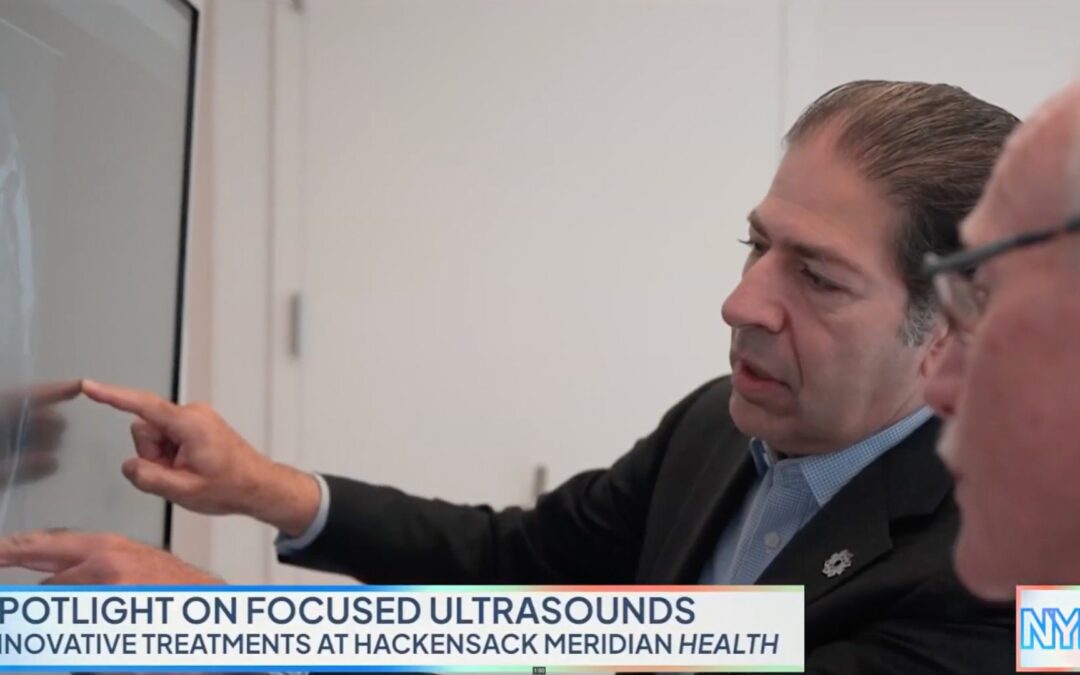
NJBS Highlighted for Advanced Tremor Treatment With Hackensack Meridian Health
New Jersey Brain & Spine was recently featured alongside Hackensack Meridian Health, highlighting the impact of...

Patient Story: Ashley’s Recovery After Cervical Disc Herniation
A stroke at birth left Ashley with cerebral palsy and limited mobility on her right side. So when she woke up at 1...

Back on the Competition Track: A Young Athlete’s Recovery After L4–L5 Disc Herniation Surgery
Severe nerve compression brought life to a halt—lumbar microdiscectomy helped him reclaim strength, mobility, and...
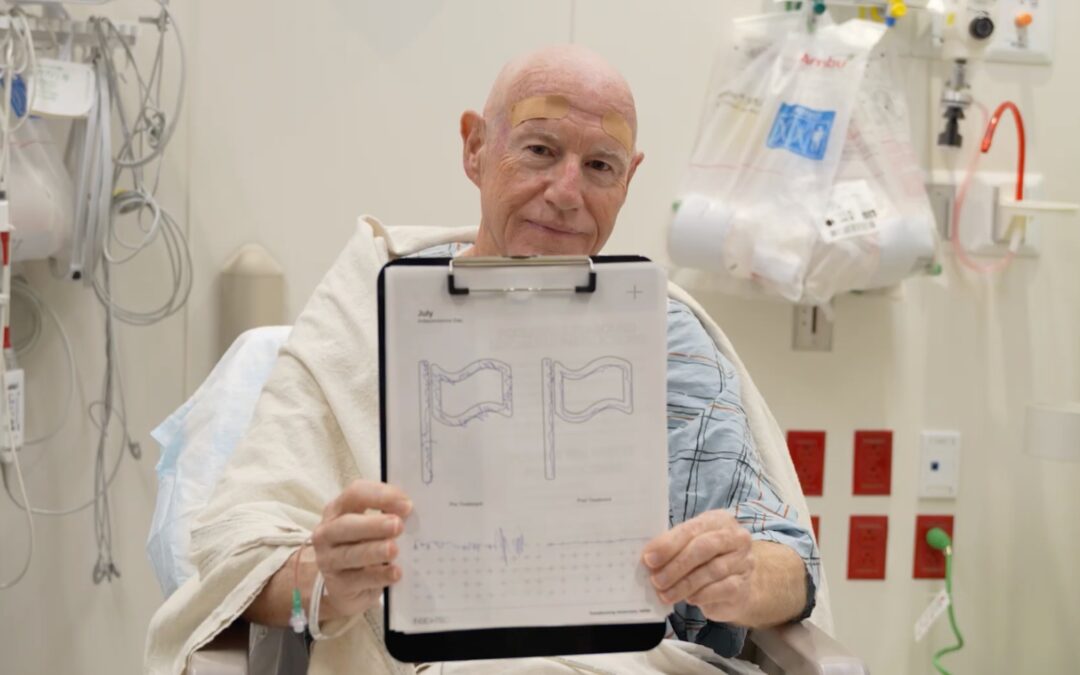
Ground-Breaking HiFu Treatment Re-Opens a Door
Innovative non-invasive essential tremor treatment puts car enthusiast back in the driver’s seat Dan lived with...
Full Patient Story: Chris’s Recovery After L4–5 Posterior Lumbar Interbody Fusion (PLIF)
How an L4–5 Posterior Lumbar Fusion Gave Chris Feeling in His Leg Again and His Life Back Chris was only in his early...

Back in the Game: Brian’s Recovery After C5–6 Disc Replacement
Neck pain and cervical radiculopathy stole his mobility, his golf swing, and his comfort, an artificial disc...

New Jersey Brain and Spine Launches $2000 Healthcare Scholarship to Support Next Generation of Healthcare Professionals
Investing in the future of healthcare: Annual scholarship open to high school and undergraduate students from or...