What is Cervical Radiculopathy?
Many people have heard of the term “pinched nerve” but may not know how extensive this condition can be. A pinched nerve in the neck (cervical spine) is called cervical radiculopathy, which is characterized by the compression or irritation of nerve roots in the cervical spine.
This condition can lead to a range of symptoms, from sharp pain in the neck that radiates down the arm. to weakness in the arms and fingers. Here, we look at the main causes, symptoms, treatment options, and implications of cervical radiculopathy.
What Is the Main Cause of Cervical Radiculopathy?
The primary cause of cervical radiculopathy is the compression or irritation of a nerve root in the cervical spine. This can occur due to various factors, including the following.
- Herniated Discs: When the discs between the spinal vertebrae become damaged and bulge outwards, they can press on the nerve roots.
- Bone Spurs: These are bony projections that form along the edges of bones, often resulting from spinal osteoarthritis, and can impinge on nerve roots.
- Spinal Stenosis: This is the narrowing of spaces within the spinal canal, which can put pressure on the nerves.
What Does Cervical Radiculopathy Feel Like?
Cervical radiculopathy affects different parts of the cervical spine itself, as well as radiating areas. For example, a C3-C4 location might impact the neck and possibly upper shoulder area. In C5-C6, the biceps and wrist extensor muscles may suffer. With C7, the triceps and finger extensor muscles are often affected.
While the symptoms of cervical radiculopathy vary from person to person, they typically include:
- Pain that is often sharp or burning, radiating from the neck to the shoulders, arms, and fingers.
- Numbness or weakness. These symptoms can occur in the areas served by the affected nerves.
- Reduced sensory abilities. Affected individuals might experience altered sensations in the impacted areas.
How is Cervical Radiculopathy Diagnosed?
Often, a cervical radiculopathy diagnosis begins at one’s primary care provider. However, it’s important to enlist the expertise of a neurological specialist when arriving at an “official” diagnosis. Such a specialist will typically start with a thorough clinical evaluation. Then, they will order imaging tests such as MRI or CT to get a view of what is going on with the cervical area of the spine. An EMG or a nerve conduction study may also be done to specifically investigate each nerve in the cervical spine for any signs of dysfunction or compression.
Once a diagnosis of cervical radiculopathy is determined, a neurosurgeon will evaluate the impact on the patient’s quality of life. Based on that assessment, they will then advise on a treatment recommendation.
How Do You Fix Cervical Radiculopathy?
Treatment for cervical radiculopathy varies based on the severity and the individual’s specific condition. At New Jersey Brain and Spine, we employ various options. For example, we often lean into conservative treatments first. These involve physical therapy, medications, and sometimes cervical collars.
Another option is steroid injections, which can help reduce inflammation and alleviate pain. In severe cases, surgical interventions may be necessary to relieve pressure on the nerve roots.
If there is significant loss of function, including loss of sensation and/or weakness of the arm, or if symptoms are not improving with nonsurgical management, surgery may be considered in these select cases.
If cervical radiculopathy goes untreated, it may lead to persistent and long-lasting pain, ongoing muscle weakness, loss of muscle function, long-term nerve damage, and loss of coordination. For this very reason, it’s imperative to address cervical radiculopathy in a timely manner.
Does Cervical Radiculopathy Qualify for Disability?
Determining whether cervical radiculopathy qualifies for disability benefits is a nuanced process, deeply intertwined with the severity of the condition and its impact on an individual’s daily life and ability to work. Disability benefits, whether through private insurance or public programs like Social Security Disability Insurance (SSDI) in the United States, require thorough documentation and evidence of the condition’s severity and its functional impact.
For cervical radiculopathy to qualify as a disability, the condition must significantly limit one’s ability to perform basic work activities or engage in daily living tasks. This includes an assessment of the individual’s capability to:
- Lift, carry, or handle objects
- Sit, stand, or walk for prolonged periods
- Perform fine motor tasks, such as typing or writing
Medical documentation proving that cervical radiculopathy has led to significant physical restrictions or neurological deficits is crucial. This might include clinical evaluations, MRI or CT scan results, and records of treatment attempts and their outcomes.
In cases where cervical radiculopathy leads to chronic conditions such as persistent weakness, loss of coordination, or severe pain that inhibits daily functions, the likelihood of qualifying for disability benefits increases. Chronic pain, in particular, is evaluated based on its intensity, persistence, and limiting effects on daily activities. Documentation from healthcare providers that details the chronic nature of the pain and its resistance to treatment can support a disability claim.
Get Ahead of Symptoms to Ensure Long-Term Success
Cervical radiculopathy is a complex condition with varying degrees of severity and a wide range of treatment options. Early diagnosis and appropriate treatment are crucial in managing the symptoms and preventing long-term complications. Understanding the condition, its causes, symptoms, and treatment options is essential for individuals suffering from this condition and for those involved in their care.
Frequently Asked Questions (FAQs) About Cervical Radiculopathy
What is cervical radiculopathy?
What causes cervical radiculopathy?
What does cervical radiculopathy feel like?
How is cervical radiculopathy diagnosed?
How is cervical radiculopathy treated?
What happens if cervical radiculopathy is left untreated?
Does cervical radiculopathy qualify for disability?
Have More Questions about This Condition
New Jersey Brain and Spine Earns #3 National Ranking For Neurosurgical Practices
New Jersey Brain and Spine has once again been recognized among the nation’s elite neurosurgical practices—this time...
Patient Story: Patient Gets Fitness Career Back in Shape Thanks to Dr. Roth
Robin Bray is the owner of FitnessBarre™, a popular local workout studio in Midland Park, New Jersey. The...
NJBS Highlighted for Advanced Tremor Treatment With Hackensack Meridian Health
New Jersey Brain & Spine was recently featured alongside Hackensack Meridian Health, highlighting the impact of...

Patient Story: Ashley’s Recovery After Cervical Disc Herniation
A stroke at birth left Ashley with cerebral palsy and limited mobility on her right side. So when she woke up at 1...

Back on the Competition Track: A Young Athlete’s Recovery After L4–L5 Disc Herniation Surgery
Severe nerve compression brought life to a halt—lumbar microdiscectomy helped him reclaim strength, mobility, and...
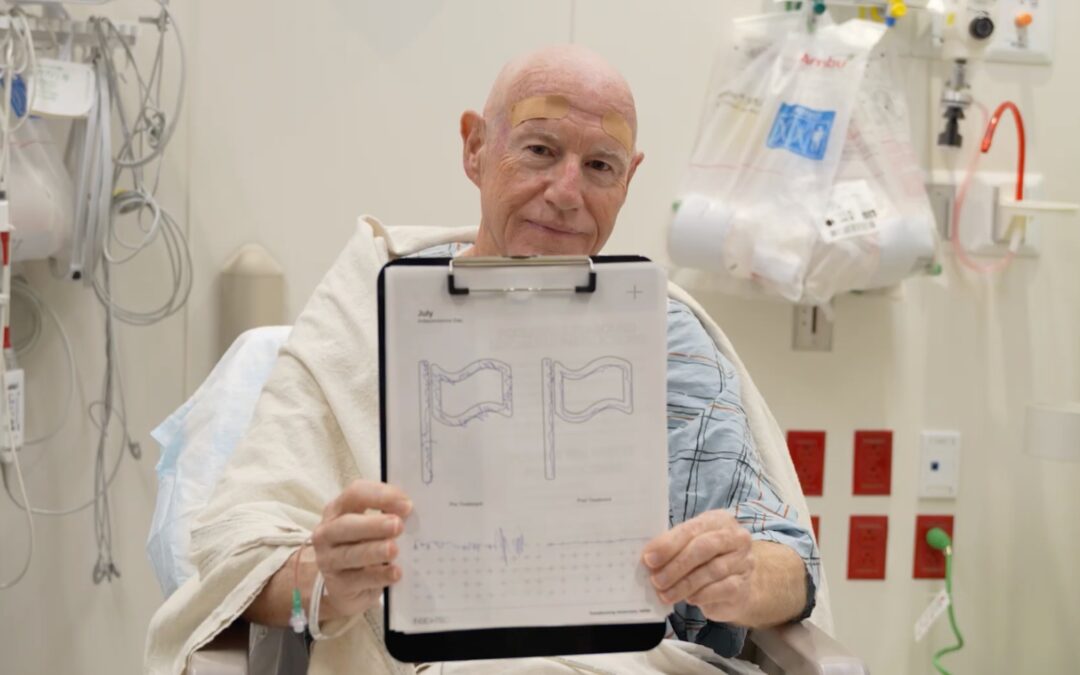
Ground-Breaking HiFu Treatment Re-Opens a Door
Innovative non-invasive essential tremor treatment puts car enthusiast back in the driver’s seat Dan lived with...
Full Patient Story: Chris’s Recovery After L4–5 Posterior Lumbar Interbody Fusion (PLIF)
How an L4–5 Posterior Lumbar Fusion Gave Chris Feeling in His Leg Again and His Life Back Chris was only in his early...
Back in the Game: Brian’s Recovery After C5–6 Disc Replacement
Neck pain and cervical radiculopathy stole his mobility, his golf swing, and his comfort, an artificial disc...

New Jersey Brain and Spine Launches $2000 Healthcare Scholarship to Support Next Generation of Healthcare Professionals
Investing in the future of healthcare: Annual scholarship open to high school and undergraduate students from or...