Craniosynostosis Surgery in New Jersey: What Parents Should Know
Craniosynostosis is a condition in which one or more of the fibrous joints (called sutures) between the bones of a baby’s skull close too early. Normally, these sutures remain open during infancy to allow the brain to grow and the skull to expand. When a suture fuses prematurely, it can restrict skull growth in that area and lead to an abnormal head shape. In some cases, it may also increase pressure inside the skull.
Craniosynostosis occurs in approximately 1 in every 2,000 to 2,500 live births in the United States. While some cases involve only head shape differences, others can affect brain development if left untreated. The good news is that when identified early, craniosynostosis is highly treatable with excellent outcomes. Our pediatric neurosurgical team in New Jersey specializes in evaluating and treating craniosynostosis, working closely with families to evaluate each child carefully and determine whether surgical intervention is necessary.
What Causes Craniosynostosis?
Hearing that your baby may have craniosynostosis can be frightening. Many parents first notice a change in head shape and worry about what it means for their child’s development. In most cases, the exact cause of craniosynostosis is unknown. It may occur as an isolated condition or as part of a genetic syndrome. The skull is made up of several plates of bone connected by sutures, including the sagittal, coronal, metopic, and lambdoid sutures. When one of these closes too early, the skull grows in a compensatory direction, leading to characteristic head shape differences depending on which suture is affected.
The most common form is sagittal craniosynostosis, which causes a long, narrow head shape. Coronal or metopic synostosis can result in asymmetry of the forehead or a triangular-shaped forehead.
Symptoms of Craniosynostosis
The most noticeable sign of craniosynostosis is an abnormal head shape that becomes more apparent as an infant grows. Parents or pediatricians may observe flattening on one side of the head, a ridge along a suture line, or asymmetry in the forehead or eye sockets.
In more severe cases, symptoms may include:
- Delayed developmental milestones
- Irritability
- Feeding difficulties
- Signs of increased intracranial pressure (rare but serious)
Early evaluation is important to distinguish craniosynostosis from positional plagiocephaly, a much more common condition caused by external pressure on the skull. Positional plagiocephaly does not involve premature suture fusion and does not require surgery, though some infants may benefit from helmet therapy.
When to Seek Prompt Evaluation
We want parents to feel confident making decisions about whether their child needs evaluation right away.
The signals we recommend looking for are:
- Persistent vomiting
- A bulging soft spot
- Extreme irritability
- Rapid changes in head shape
- Developmental regression
If you notice any of these symptoms, seek medical attention as soon as possible. A conversation with a doctor is the best starting point to make sure that your child is getting the care they need.
How Is Craniosynostosis Diagnosed?
Diagnosis begins with a detailed physical examination. Pediatricians often refer families to a pediatric neurosurgeon if premature suture fusion is suspected. Imaging studies, such as a low-dose CT scan, may be used to confirm the diagnosis and determine which sutures are involved.
At New Jersey Brain and Spine, we emphasize thorough evaluation and clear communication with families. Many infants referred for possible craniosynostosis are ultimately found to have positional head shape changes rather than premature suture fusion, which is far more common. Not all head shape abnormalities require surgery, and our team carefully determines the most appropriate course of action for each child based on clear evidence of suture fusion and growth restriction. Our goal is always to recommend the least invasive approach that safely supports normal brain growth and development.
When Is Surgery Recommended?
Surgical treatment is recommended when:
- A suture has clearly fused prematurely
- Skull growth is restricted
- There is concern about increased intracranial pressure
- Cosmetic or structural correction is necessary
The goal of surgery is to reshape the skull and allow normal brain growth. Procedures are typically performed within the first year of life, when the skull is most adaptable.
Two main surgical approaches may be considered:
- Endoscopic surgery: This is a minimally invasive technique performed in younger infants, typically between two and four months of age. It’s most effective when done before six months, while the bones are thinner and more flexible. This procedure is usually followed by several months of helmet therapy.
- Open cranial vault remodeling: This is a more extensive reconstruction procedure performed by a pediatric neurosurgeon in collaboration with a craniofacial plastic surgeon. It is typically done between six and 12 months of age for older infants or more complex cases. It does not require post-operative helmet therapy.
The appropriate approach depends on the child’s age, the sutures involved, and the overall skull growth pattern. Early evaluation provides the greatest range of treatment options.
What to Expect From Craniosynostosis Surgery
Craniosynostosis surgery is performed under general anesthesia by a specialized pediatric neurosurgical team. The procedure involves removing or reshaping sections of bone to restore a more typical skull contour and allow space for brain growth.
Surgery may take several hours, depending on complexity. Most children remain in the hospital for a few days for monitoring and recovery. While any surgery on an infant is understandably concerning for parents, outcomes are generally excellent when performed by experienced specialists.
New Jersey Brain and Spine partners with leading medical centers, including Hackensack Meridian Health, to provide comprehensive pediatric care in advanced surgical facilities.
Risks and Benefits of Craniosynostosis Surgery
Craniosynostosis surgery is carefully planned to maximize safety and long-term outcomes.
Potential benefits include:
- Allowing normal brain growth
- Improving skull shape and symmetry
- Reducing risk of increased intracranial pressure
- Supporting normal development
Potential risks include:
- Infection
- Bleeding
- Swelling
- Need for additional surgery (rare)
Our team discusses all risks and expected outcomes in detail with families before proceeding.
Case Study: Early Intervention for Sagittal Craniosynostosis
A 4-month-old infant* was referred to New Jersey Brain and Spine after a pediatrician noted progressive elongation of the head. Imaging confirmed sagittal craniosynostosis. Because the diagnosis was made early, the child was a candidate for minimally invasive endoscopic correction.
Following surgery and postoperative helmet therapy, the child’s skull shape gradually normalized. At follow-up visits over the next year, developmental milestones were on track, and no signs of elevated intracranial pressure were present. Early diagnosis and coordinated care contributed to an excellent outcome.
Families can explore additional patient experiences on our Patient Stories page.
*Patient details changed to preserve anonymity
Schedule a Consultation With Our Pediatric Neurosurgery Team
Our pediatric neurosurgical specialists, including Dr. Aryan Ali, provide compassionate, expert care for infants and children with craniosynostosis. We understand how overwhelming it can be to receive a diagnosis involving your child’s brain or skull, and we prioritize clear communication, thoughtful evaluation, and individualized treatment planning. We can typically schedule evaluations promptly, and early assessment allows for a greater range of treatment options.
If your child has been diagnosed with or is suspected to have craniosynostosis, contact one of our New Jersey offices to schedule an evaluation.
Frequently Asked Questions About Craniosynostosis
Is craniosynostosis dangerous?
Does every child with craniosynostosis need surgery?
At what age is surgery performed?
Will my child develop normally after surgery?
How do I know if my baby’s head shape is normal?
Where is craniosynostosis surgery performed in New Jersey?
Source: NIH / StatPearls
Have More Questions about This Condition
New Jersey Brain and Spine Earns #3 National Ranking For Neurosurgical Practices
New Jersey Brain and Spine has once again been recognized among the nation’s elite neurosurgical practices—this time...
Patient Story: Patient Gets Fitness Career Back in Shape Thanks to Dr. Roth
Robin Bray is the owner of FitnessBarre™, a popular local workout studio in Midland Park, New Jersey. The...
NJBS Highlighted for Advanced Tremor Treatment With Hackensack Meridian Health
New Jersey Brain & Spine was recently featured alongside Hackensack Meridian Health, highlighting the impact of...

Patient Story: Ashley’s Recovery After Cervical Disc Herniation
A stroke at birth left Ashley with cerebral palsy and limited mobility on her right side. So when she woke up at 1...

Back on the Competition Track: A Young Athlete’s Recovery After L4–L5 Disc Herniation Surgery
Severe nerve compression brought life to a halt—lumbar microdiscectomy helped him reclaim strength, mobility, and...
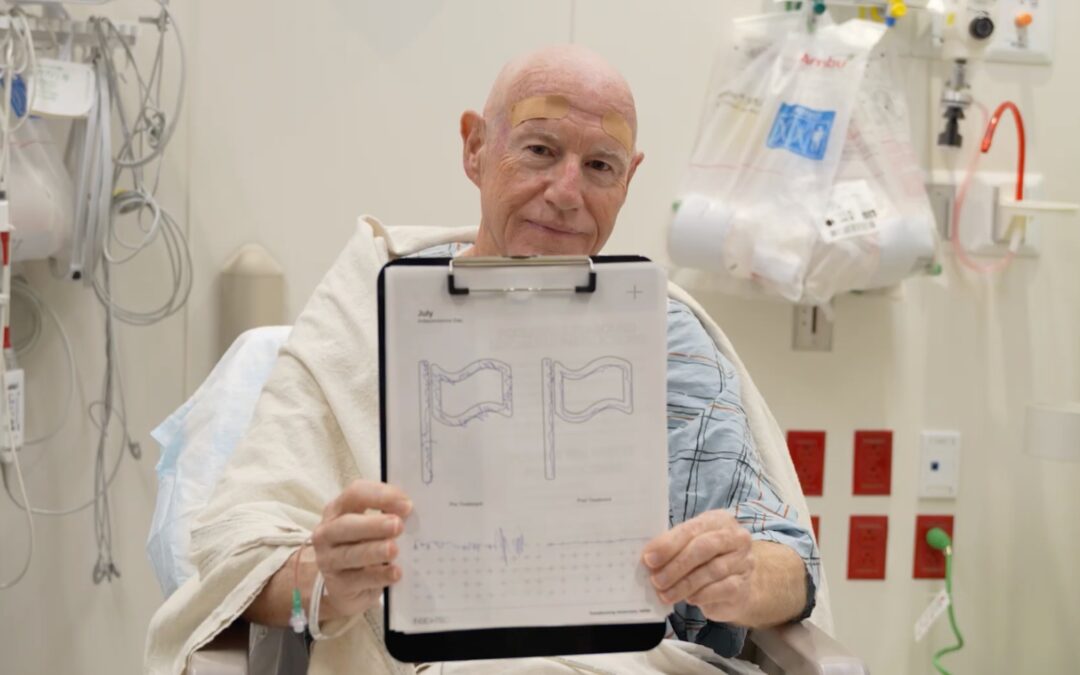
Ground-Breaking HiFu Treatment Re-Opens a Door
Innovative non-invasive essential tremor treatment puts car enthusiast back in the driver’s seat Dan lived with...
Full Patient Story: Chris’s Recovery After L4–5 Posterior Lumbar Interbody Fusion (PLIF)
How an L4–5 Posterior Lumbar Fusion Gave Chris Feeling in His Leg Again and His Life Back Chris was only in his early...
Back in the Game: Brian’s Recovery After C5–6 Disc Replacement
Neck pain and cervical radiculopathy stole his mobility, his golf swing, and his comfort, an artificial disc...

New Jersey Brain and Spine Launches $2000 Healthcare Scholarship to Support Next Generation of Healthcare Professionals
Investing in the future of healthcare: Annual scholarship open to high school and undergraduate students from or...