Pinched Nerve: Symptoms, Causes, and Treatment Options in New Jersey
If you have been dealing with sharp, burning pain that radiates down your arm or leg, or numbness and tingling that simply will not go away, you may have a pinched nerve. This is one of the most common reasons patients across northern New Jersey seek care from a spine or neurosurgical specialist, and the good news is that the majority of cases respond well to pinched nerve treatment in NJ without surgery.
At New Jersey Brain and Spine (NJBS), our fellowship-trained specialists take a conservative-first approach to every case, meaning the first priority is always to relieve your symptoms using the least invasive methods available.
What Is a Pinched Nerve?
A pinched nerve, also called nerve compression, occurs when surrounding tissues such as bones, cartilage, muscles, or tendons apply too much pressure to a nerve, disrupting its normal function.
Who Does a Pinched Nerve Affect?
Pinched nerves are extremely common. An estimated 85 out of every 100,000 adults are diagnosed with cervical radiculopathy, a frequent form of pinched nerve in the neck, each year. The condition can affect people of all ages but is most common in adults between 30 and 60.
Symptoms of a Pinched Nerve
Symptoms vary depending on which nerve is compressed and where in the body the compression occurs. The most common signs of a pinched nerve include:
- Sharp, burning, or aching pain that radiates from the neck into the shoulder and arm, or from the lower back into the leg
- Numbness or reduced sensation in the hands, fingers, feet, or toes
- Tingling or a persistent pins-and-needles sensation
- Muscle weakness in the affected arm or leg
- A feeling that a foot or hand has fallen asleep
When to See a Specialist
If your symptoms last longer than a few days, interrupt your sleep, or worsen over time, it is time to see a specialist. Sudden muscle weakness, severe or escalating pain, or any loss of bladder or bowel control require immediate medical attention. A pinched nerve specialist in New Jersey at NJBS can determine what is causing your symptoms and whether treatment is needed, and what type is right for your specific situation.
What Causes a Pinched Nerve?
Common Causes of a Pinched Nerve
A pinched nerve is typically caused by a structural problem placing pressure on a nerve root or the spinal cord:
- Herniated or bulging disc: the most frequent cause of pinched nerve in the lumbar and cervical spine
- Bone spurs from degenerative disc disease or arthritis
- Spinal stenosis: narrowing of the spinal canal
- Injury or trauma to the spine
Pinched Nerve Risk Factors
- Age-related wear on spinal discs, which begins in most adults by age 30
- Repetitive movements or occupations that stress the spine
- Poor posture sustained over long periods
- Obesity, which increases mechanical load on the spine
- Rheumatoid arthritis or other inflammatory joint conditions
How NJBS Diagnoses a Pinched Nerve
Before any treatment is recommended, the NJBS team conducts a thorough evaluation to understand the full picture of your condition. A proper diagnosis typically involves:
- A complete review of your symptoms, medical history, and how your symptoms affect daily life
- A physical and neurological examination assessing reflexes, muscle strength, and sensation
- MRI imaging, which provides the most detailed view of disc and nerve tissue, ordered when the physical exam indicates compression
- Electromyography (EMG) or nerve conduction studies in select cases to measure how well the nerves are functioning
Treatment Options for a Pinched Nerve
Non-Surgical Treatment for a Pinched Nerve
The vast majority of patients with a pinched nerve improve with conservative care. First-line options include:
- Rest and activity modification to reduce pressure and inflammation around the nerve
- Physical therapy to strengthen the muscles that support the spine and correct posture
- Anti-inflammatory medications (NSAIDs) to reduce swelling and manage pain
- Corticosteroid injections to deliver targeted anti-inflammatory medication directly to the affected area
- Cervical collar or bracing for short-term stabilization in certain neck cases
The NJBS philosophy is clear on this point: surgery is considered only when conservative options have been given adequate time to work, or when the severity of nerve compression makes more urgent intervention appropriate.
Minimally Invasive Treatment Options
For patients whose symptoms do not improve with conservative care alone, minimally invasive procedures such as epidural steroid injections or nerve blocks may provide meaningful relief without requiring open surgery.
Surgery: When It Is the Right Choice
A smaller percentage of patients will ultimately need surgery, particularly when nerve compression is severe and causing progressive muscle weakness, or when weeks of conservative treatment have not provided adequate relief. Surgical options at NJBS for pinched nerve in the neck or back include foraminotomy, which widens the opening through which the nerve exits the spine; discectomy, which removes the portion of a herniated disc pressing on the nerve; and laminectomy, which removes a portion of bone to relieve pressure in cases involving spinal stenosis.
Why Choose NJBS for Pinched Nerve Treatment?
New Jersey Brain and Spine is ranked among the top neurosurgical practices in the country by Castle Connolly, earning a national top-5 recognition for four consecutive years. For patients managing a pinched nerve, that recognition reflects something specific: a team with the depth of subspecialization and experience to match every patient with the right level of care.
NJBS’s Comprehensive Spine Center brings together fellowship-trained spine surgeons and physiatrists whose focus is providing the right intervention for every patient, starting with the most conservative option and escalating only when the clinical evidence supports it.
Our specialists serve patients across northern New Jersey including Bergen County, Paramus, Montclair, and the broader tri-state area from five conveniently located offices. NJBS is affiliated with Hackensack University Medical Center, the number-one hospital in the New York and New Jersey metro area, providing patients access to one of the region’s most advanced hospital systems when inpatient care is needed.
Frequently Asked Questions (FAQs) About Pinched Nerve
How long does it take for a pinched nerve to heal?
Can a pinched nerve heal on its own?
What is the difference between a pinched nerve and a herniated disc?
When is surgery necessary for a pinched nerve?
Is a pinched nerve in the neck different from one in the lower back?
Is there a pinched nerve specialist in New Jersey I can see without a referral?
If you or a loved one is experiencing symptoms of a pinched nerve, the spine specialists at New Jersey Brain and Spine are here to help. Serving patients throughout northern New Jersey including Bergen County, Paramus, Montclair, and the tri-state area.
Have More Questions about This Condition
New Jersey Brain and Spine Earns #3 National Ranking For Neurosurgical Practices
New Jersey Brain and Spine has once again been recognized among the nation’s elite neurosurgical practices—this time...
Patient Story: Patient Gets Fitness Career Back in Shape Thanks to Dr. Roth
Robin Bray is the owner of FitnessBarre™, a popular local workout studio in Midland Park, New Jersey. The...
NJBS Highlighted for Advanced Tremor Treatment With Hackensack Meridian Health
New Jersey Brain & Spine was recently featured alongside Hackensack Meridian Health, highlighting the impact of...

Patient Story: Ashley’s Recovery After Cervical Disc Herniation
A stroke at birth left Ashley with cerebral palsy and limited mobility on her right side. So when she woke up at 1...

Back on the Competition Track: A Young Athlete’s Recovery After L4–L5 Disc Herniation Surgery
Severe nerve compression brought life to a halt—lumbar microdiscectomy helped him reclaim strength, mobility, and...
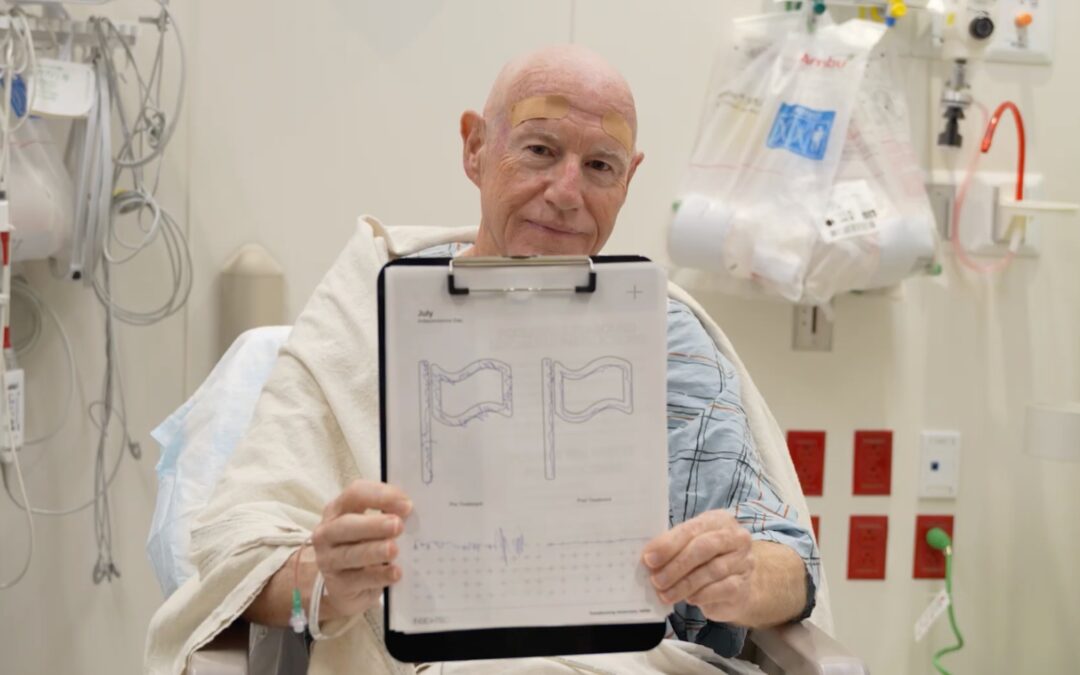
Ground-Breaking HiFu Treatment Re-Opens a Door
Innovative non-invasive essential tremor treatment puts car enthusiast back in the driver’s seat Dan lived with...
Full Patient Story: Chris’s Recovery After L4–5 Posterior Lumbar Interbody Fusion (PLIF)
How an L4–5 Posterior Lumbar Fusion Gave Chris Feeling in His Leg Again and His Life Back Chris was only in his early...
Back in the Game: Brian’s Recovery After C5–6 Disc Replacement
Neck pain and cervical radiculopathy stole his mobility, his golf swing, and his comfort, an artificial disc...

New Jersey Brain and Spine Launches $2000 Healthcare Scholarship to Support Next Generation of Healthcare Professionals
Investing in the future of healthcare: Annual scholarship open to high school and undergraduate students from or...