“Dr. Khan is a top tier surgeon; talented, knowledgeable, mindful, and a master at examining even the most complicated issues. “

Physical Therapy vs. Surgery for Cervical Stenosis
When patients are diagnosed with cervical stenosis, one of the most common questions they ask is whether physical therapy vs surgery for cervical stenosis is the better treatment option. Cervical spinal stenosis can cause neck pain, nerve compression, and neurological symptoms that affect daily life. However, not every patient requires surgery. Understanding the difference between conservative treatments, such as physical therapy, and surgical treatment can help patients make informed decisions about their care. Neurosurgical specialists carefully evaluate each patient’s symptoms,...
read moreParkinson’s Disease and HIFU: What Patients in New Jersey Should Know
This April, during Parkinson's Awareness Month, patients living with disabling tremors have a non-surgical option that most have never heard of, and HIFU for Parkinson's disease may be the reason. For patients living with tremor-dominant Parkinson's disease, the shaking often becomes the most disabling part of their condition. Holding a cup, writing, using a phone, and performing simple daily tasks become difficult or impossible. Medication helps many patients, but not always completely, and adjusting doses over time creates its own...
read more
Laminectomy vs. Spinal Fusion: When Is Each Appropriate?
Understanding the difference between laminectomy and spinal fusion can help patients make more informed decisions about spine surgery. Both procedures are commonly used to treat conditions that cause nerve compression, back pain, or spinal instability. However, they address different problems within the spine. When patients research laminectomy vs spinal fusion, they are often trying to understand whether their symptoms are caused primarily by pressure on spinal nerves or by instability between vertebrae. Each procedure targets one of these issues. Our...
read more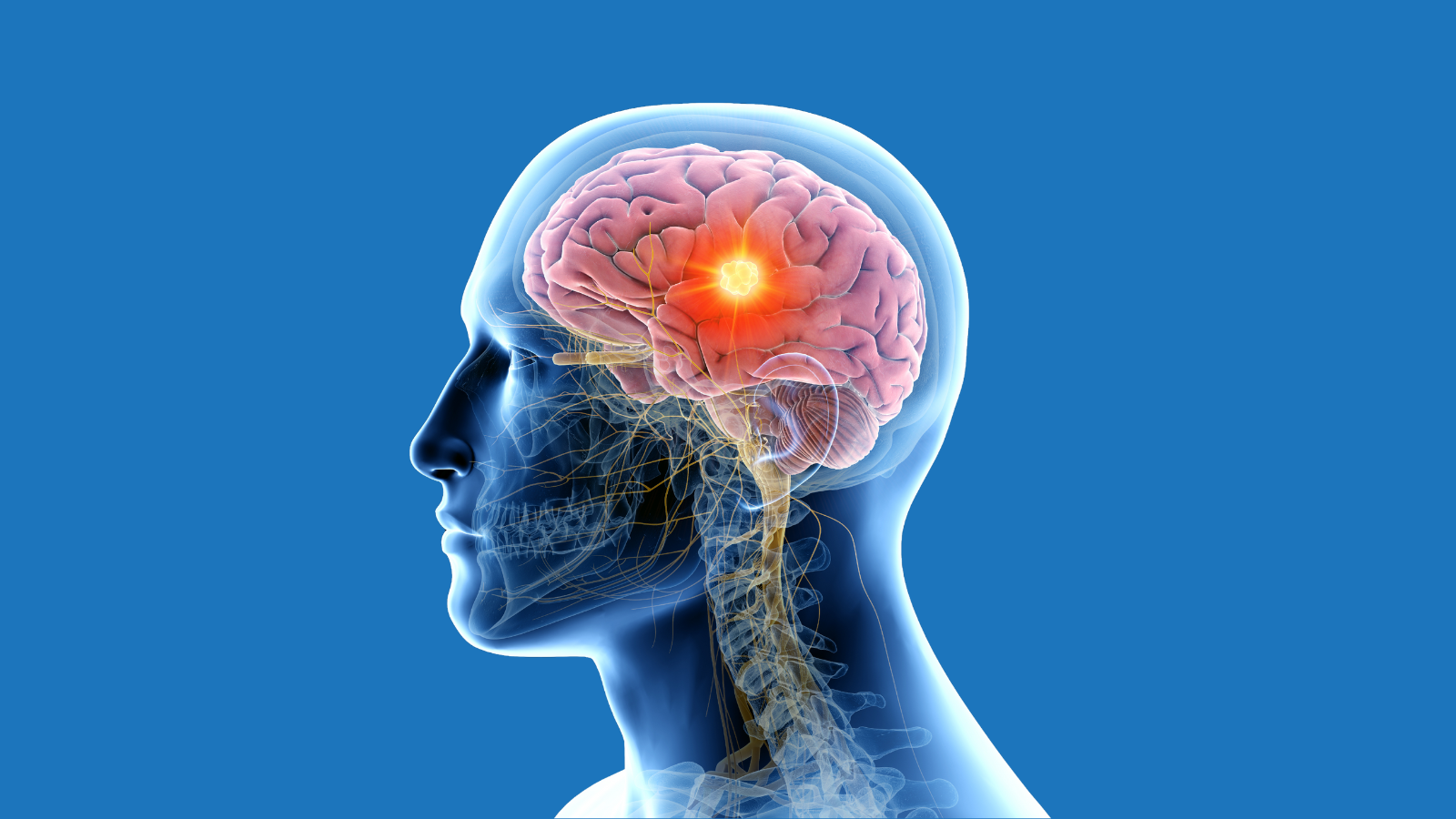
What are the differences between brain tumors including meningioma, astrocytoma, glioblastoma
When people hear the words brain tumor, they often imagine a single disease. In reality, there are many different types of brain tumors, each with unique origins, growth patterns, and treatment approaches. Among the most common primary brain tumors are meningioma, astrocytoma, and glioblastoma. Understanding how they differ helps patients and families make sense of diagnoses and treatment plans. How brain tumors are classified Doctors classify brain tumors based on where they start and how they behave: Primary brain tumors...
read more
When is Aneurysm Stenting the Right Treatment Option?
When Aneurysm Stenting Is the Right Option – NJ Brain & Spine Aneurysm Guide A brain aneurysm ruptures every 18 minutes in the U.S., according to the Brain Aneurysm Foundation, meaning 30,000 Americans experience the health emergency every year. A range of brain aneurysm treatment options exist, including the minimally invasive aneurysm stenting. In fact, a meta-analysis of stent-assisted coiling determined that in 98% of 976 patients the stents were placed successfully. The same research shows that for half of...
read more
Neurosurgical Myths vs Facts: What Patients & Providers Should Know
At New Jersey Brain and Spine, our physicians routinely encounter misconceptions about neurological and spine care. These misunderstandings can delay appropriate evaluation, referral, or treatment. In everyday clinical practice, many neurological conditions present subtly, evolve over time, or have treatment options that are more advanced than patients (and even some providers) realize. Below, we address some of the most common neurosurgical myths we hear—and the clinical realities behind them. Myth: Minimally invasive surgery is just a limited version of open...
read more
Vivistim Stroke Recovery Therapy: A Breakthrough for Upper-Limb Function
From being one of the earliest U.S. adopters of the IRRAflow tool for brain bleeds to groundbreaking augmented reality (AR) X-ray vision spine technology, New Jersey Brain and Spine is always at the forefront of innovative treatments that make a meaningful difference in the physical and emotional health of our patients. Now, we’re proud to highlight New Jersey Brain and Spine’s commitment to compassionate, innovative care includes offering new cutting-edge treatments when they can make a meaningful difference for our...
read more
Cavernous Malformations vs. Arteriovenous Malformations: Key Differences
Cerebral cavernous malformations (CCMs) and arteriovenous malformations (AVMs) are abnormal blood vessel formations in the brain or spinal cord. Both can rupture and bleed, but AVMs can be more severe because they involve high blood flow, while cavernous malformations have slow blood flow. Understanding the differences between the two helps patients and families make more informed decisions about monitoring, intervention, and where to seek expert neurovascular care, such as at New Jersey Brain & Spine. Neurovascular anomalies: Normal blood flow...
read more
Meet Dr. George Kaptain: A Leading Neurosurgeon in New Jersey on 30 Years of Subspecialized Care
For more than two decades, Dr. George Kaptain, MD, FAANS has helped shape the philosophy and growth of New Jersey Brain and Spine as a neurosurgeon specializing in brain, spine, skull-base tumors and pituitary tumors. As NJBS celebrates 30 years of practice, Dr. Kaptain reflects on the practice’s evolution, its guiding values, and the future of subspecialized care in New Jersey. What was your vision for the practice when you joined the board? When I joined the practice in 2003,...
read more