Neurosurgical Myths vs Facts: What Patients & Providers Should Know

At New Jersey Brain and Spine, our physicians routinely encounter misconceptions about neurological and spine care. These misunderstandings can delay appropriate evaluation, referral, or treatment.
In everyday clinical practice, many neurological conditions present subtly, evolve over time, or have treatment options that are more advanced than patients (and even some providers) realize. Below, we address some of the most common neurosurgical myths we hear—and the clinical realities behind them.
Minimally invasive neurosurgical and spine techniques are not simply “smaller” versions of traditional open surgery. When performed by subspecialized neurosurgeons, many minimally invasive approaches can achieve the same or superior clinical outcomes as open procedures—often with less muscle disruption, reduced postoperative pain, shorter hospital stays, and faster recovery.
The key is patient selection and surgeon expertise. Minimally invasive surgery is not appropriate for every condition, but when used thoughtfully, it is a powerful tool that can significantly improve the patient experience without compromising results.
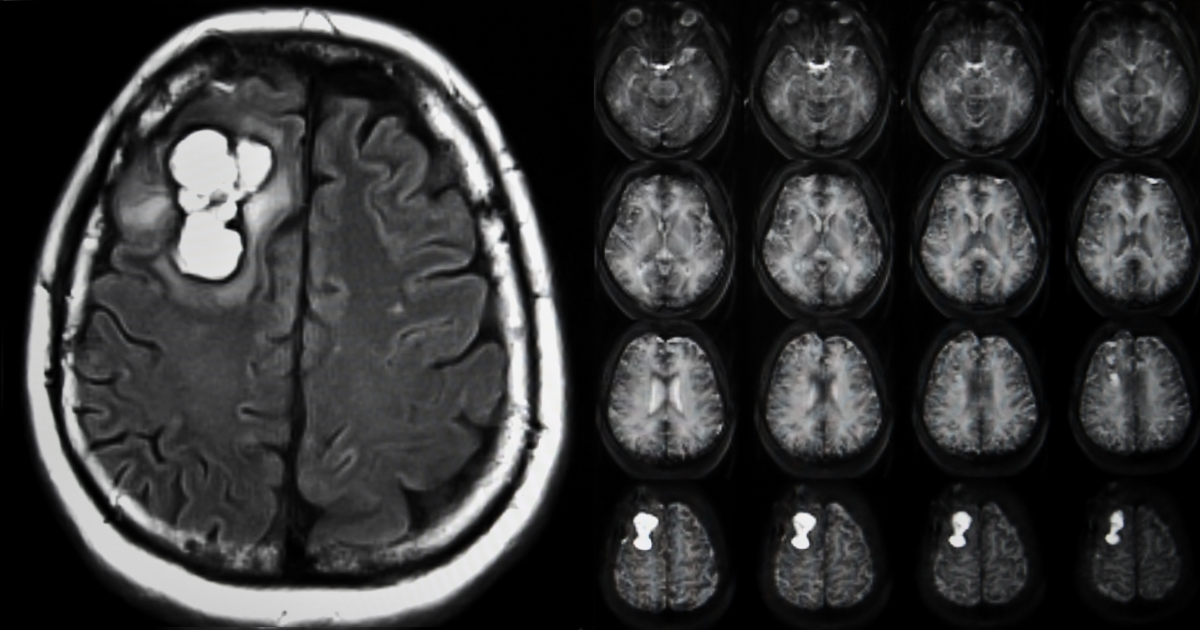
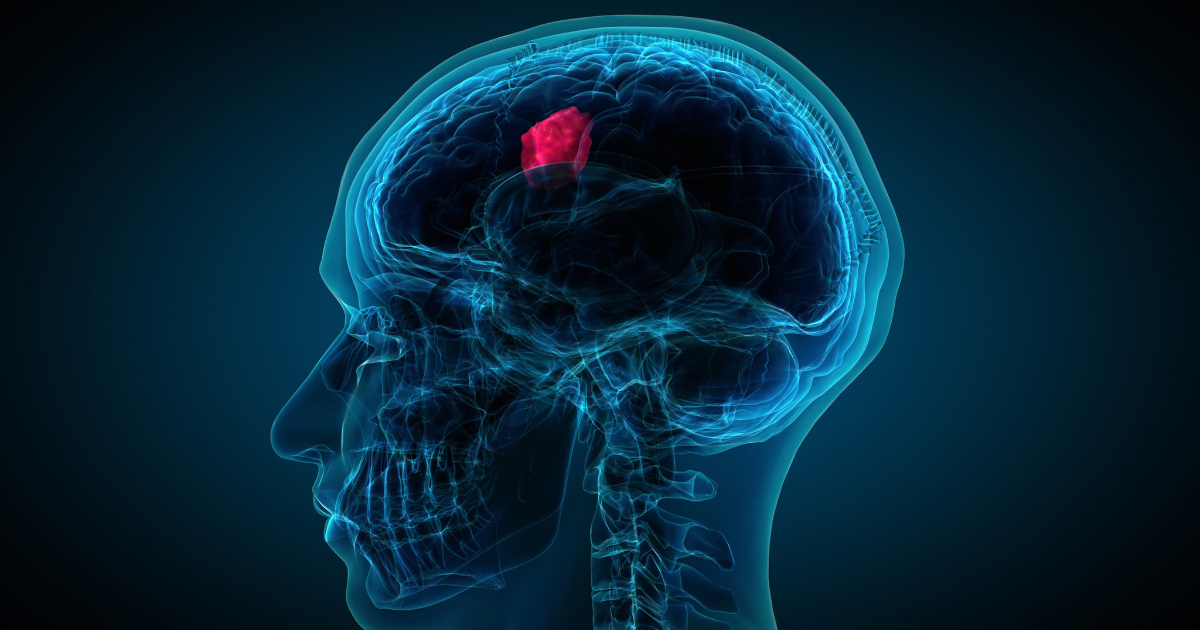
Many spinal and intracranial tumors do not begin with dramatic neurological deficits. Early symptoms may include:
These findings can be easy to dismiss, but they may represent the earliest manifestations of a tumor. Even when physical exams or initial imaging appear reassuring, patients with persistent or evolving symptoms are appropriate candidates for neurosurgical evaluation to ensure nothing is missed.
While some aneurysms remain stable for years, size alone does not determine risk. Rupture risk depends on multiple factors, including:
A neurosurgical vascular evaluation allows for comprehensive risk assessment and helps determine whether observation, surveillance imaging, or treatment is most appropriate—and when intervention should occur.
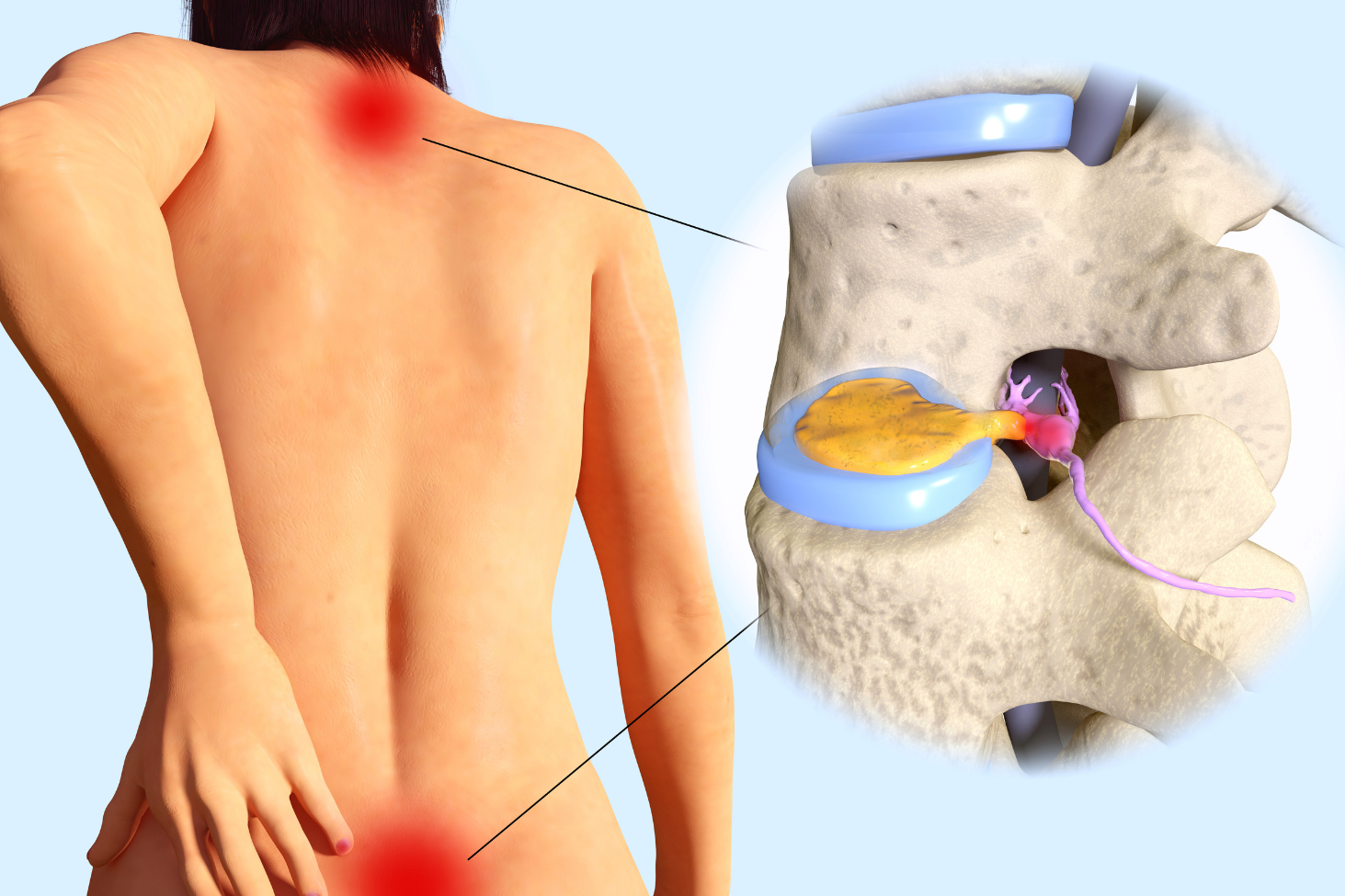
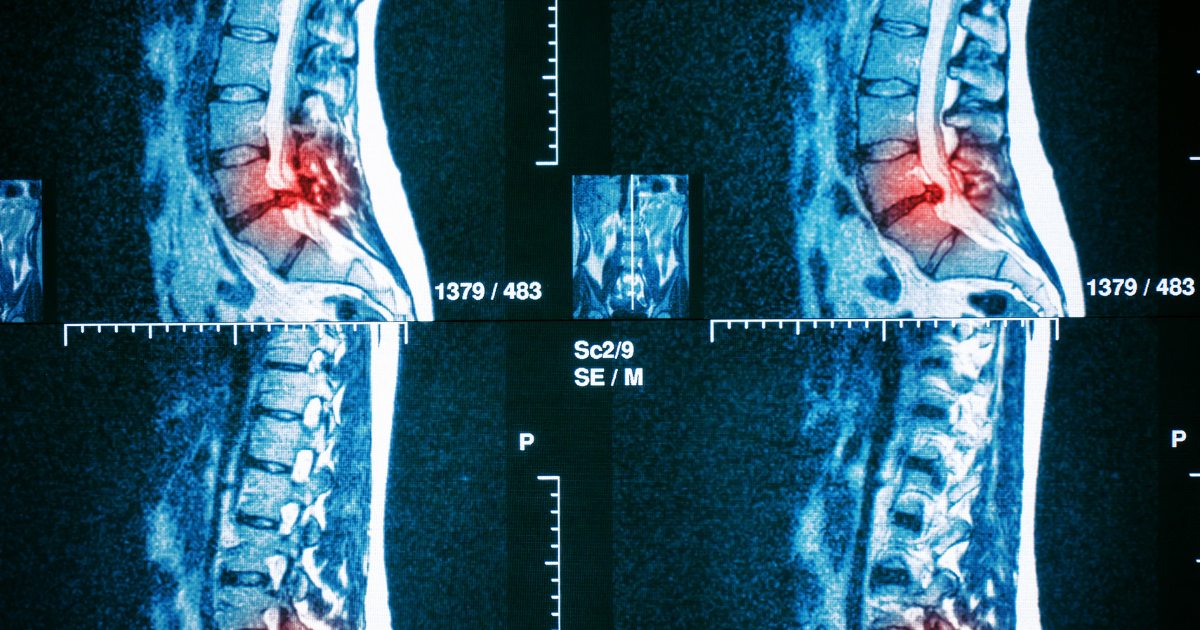
Some cases of sciatica do improve with conservative management. However, ongoing or worsening symptoms may indicate nerve compression that requires further assessment.
Timely imaging and referral help distinguish patients who will respond to physical therapy or medication from those who may benefit from procedural or surgical intervention. Early evaluation does not mean surgery—it means clarity, appropriate triage, and better long-term outcomes.
For patients with essential tremor or Parkinson’s, medication is often the first step—but it is not the only option. Advanced neurosurgical treatments such as deep brain stimulation (DBS) and MRI-guided focused ultrasound (HiFu) can provide substantial symptom improvement for appropriately selected patients.
A focused neurosurgical evaluation helps determine candidacy and ensures coordination with neurology, allowing patients access to therapies that may dramatically improve quality of life.
Surgery is only one part of what neurosurgeons do. A significant portion of neurosurgical practice involves:
At NJBS, surgery is recommended only when it is truly the right next step—after careful evaluation and thoughtful discussion.
Neurological and spine conditions are often complex, nuanced, and highly individualized. Separating myth from fact helps ensure patients receive timely, appropriate, and expert care—whether that ultimately involves observation, conservative management, or surgical intervention.
That’s why our team is committed to clinical clarity, evidence-based decision-making, and guiding patients and referring providers through every step of the care process.
Schedule a consult or a second opinion today.