Brainstem Tumor Surgery in New Jersey: Advanced Care for Complex Conditions
When you or a loved one faces a brainstem tumor diagnosis, you need a neurosurgical team with exceptional expertise, advanced technology, and a deep commitment to achieving the best possible outcomes. At New Jersey Brain and Spine, our fellowship-trained neurosurgeons specialize in treating complex brainstem tumors using the most sophisticated surgical techniques available, including microsurgical approaches, advanced neuroimaging, and intraoperative monitoring systems that maximize safety and effectiveness.
The brainstem is one of the most critical and delicate structures in the human body, controlling essential functions like breathing, heart rate, consciousness, and movement. Operating in this region requires extraordinary skill and experience. Our surgical team has successfully treated many patients with brainstem tumors, combining technical excellence with compassionate, patient-centered care that addresses not just the medical challenges, but also the emotional and practical concerns that come with facing brain surgery.
Understanding Brainstem Tumors
The brainstem connects the brain to the spinal cord and consists of three main regions: the midbrain, pons, and medulla oblongata. Tumors in this area can be particularly challenging because even small growths can affect critical neurological functions due to the concentrated presence of vital nerve pathways and control centers.
These tumors vary widely in their characteristics, growth patterns, and treatment requirements. Some are slow-growing and may be monitored for extended periods, while others are aggressive and require prompt intervention. The location within the brainstem, tumor type, size, and impact on neurological function all influence treatment decisions and expected outcomes.
What is Brainstem Surgery?
Brainstem surgery encompasses specialized neurosurgical procedures designed to remove or reduce tumors located in the brainstem while preserving critical neurological structures and functions. These operations are among the most technically demanding in all of neurosurgery, requiring microsurgical techniques, advanced imaging guidance, and sophisticated monitoring systems that allow surgeons to work safely in this critical region
The goal of brainstem surgery is to maximize tumor removal while minimizing risk to surrounding vital structures. Depending on the tumor type and location, surgery may aim for complete resection (total removal), substantial debulking (partial removal to reduce pressure and symptoms), or biopsy to obtain tissue for accurate diagnosis and treatment planning. Modern brainstem surgery utilizes operating microscopes, specialized micro-instruments, ultrasonic aspirators, and real-time neurophysiological monitoring to achieve these goals with unprecedented precision and safety.
Most brainstem tumor operations are classified as posterior fossa surgery, as the brainstem resides within the posterior fossa—the lower back portion of the skull that also houses the cerebellum.
Are There Minimally Invasive Options for Brainstem Surgery?
While brainstem surgery inherently requires accessing deep brain structures, remarkable advances in surgical planning, technology, and technique have reduced the invasiveness of these complex operations while maintaining or improving surgical effectiveness and safety.
Minimally invasive brainstem surgery focuses on several key principles: using the smallest craniotomy (skull opening) necessary to achieve safe tumor removal, selecting surgical approaches that follow natural anatomical corridors to minimize brain retraction, employing advanced visualization techniques that enhance the surgeon’s view without requiring larger exposures, and utilizing sophisticated instruments that allow for precise work in confined spaces.
What Conditions Require Brainstem Surgery?
Several types of tumors and lesions may necessitate brainstem surgery, each with unique characteristics and treatment considerations.
Brainstem Gliomas
Brainstem gliomas are tumors that arise from the glial cells that support nerve tissue. These include diffuse intrinsic pontine gliomas (DIPGs), which are typically found in children and are unfortunately difficult to treat surgically, and focal brainstem gliomas, which may be more amenable to surgical resection. Low-grade gliomas in the brainstem, particularly those that are well-circumscribed, may be candidates for surgical removal with good outcomes.
Cavernous Malformations
Cavernous malformations (cavernomas) are vascular lesions consisting of abnormal blood vessels that can bleed and cause neurological symptoms. When located in the brainstem, these lesions may require surgical removal, especially if they have bled multiple times or are causing progressive neurological deficits. These lesions often have a good prognosis with surgery when they reach the brainstem surface or are accessible through safe surgical corridors
Ependymomas
Ependymomas are tumors that arise from the ependymal cells lining the ventricles of the brain and spinal cord and can extend into the brainstem. These tumors often respond well to surgical removal, and complete resection when possible can lead to excellent long-term outcomes.
Medulloblastomas
Though more commonly found in the cerebellum, medulloblastomas can extend into or compress the brainstem, requiring surgical intervention as part of comprehensive treatment that typically includes radiation and chemotherapy.
Other Brainstem Lesions
Other conditions that may require brainstem surgery include metastatic tumors (cancer that has spread from elsewhere in the body), abscesses, tuberculomas, and other rare tumor types. Each condition requires individualized assessment to determine the most appropriate treatment approach.
Is Brainstem Surgery Risky?
Brainstem surgery is a serious undertaking due to the critical importance of the structures involved. Any surgery in this region carries inherent risks including neurological injury, stroke, bleeding, infection, and complications related to anesthesia.
However, advances in surgical technology, imaging, and techniques have significantly improved the safety profile of brainstem surgery over the past two decades. Modern neurosurgery utilizes intraoperative neurophysiological monitoring, which continuously assesses nerve and brainstem function during surgery, alerting surgeons to any changes that might indicate stress on critical structures. Advanced imaging including intraoperative MRI and CT allows for real-time assessment of tumor removal and helps ensure complete resection when possible
The actual risk level varies considerably based on several factors, including the tumor’s specific location within the brainstem, its relationship to critical structures, the patient’s neurological condition before surgery, and the experience of the surgical team. When performed by highly experienced neurosurgeons specializing in skull base and brainstem surgery, many brainstem procedures can be performed with acceptable risk profiles, particularly for extrinsic or surface-reaching lesions. The decision to proceed with surgery is always made by carefully weighing the risks of surgery against the risks of leaving the tumor untreated.
What is the Recovery Time After Brainstem Surgery?
Recovery from brainstem surgery is highly individualized and depends on multiple factors including the tumor location, extent of resection, pre-operative neurological condition, and whether any complications occur.
Can Brainstem Surgery Improve Neurological Function?
One of the most important questions patients ask is whether brainstem surgery can actually improve their neurological symptoms. The answer depends on several factors, but many patients do experience meaningful neurological improvement following successful brainstem tumor surgery.
When a brainstem tumor causes symptoms by compressing or displacing normal brain tissue, removing the tumor can relieve this pressure and allow compressed neural structures to recover function. Patients who have experienced progressive weakness, sensory changes, balance problems, or cranial nerve dysfunction due to tumor compression may see significant improvement after surgery. This recovery can be dramatic in some cases, with patients regaining abilities they thought were permanently lost.
The timing of surgery can significantly impact outcomes. Earlier intervention, before permanent neurological damage occurs, generally offers better chances for functional improvement. This is one reason why prompt evaluation and treatment planning are so important when a brainstem tumor is diagnosed.
What is the Success Rate of Brainstem Surgery?
Success rates for brainstem surgery vary considerably based on the tumor type, location, and surgical goals. It’s important to understand that “success” can be defined in different ways: complete tumor removal, significant tumor reduction, symptom improvement, obtaining diagnostic tissue, or stabilizing a progressive condition.
Long-term outcomes depend heavily on tumor type and grade. Benign tumors that can be completely removed often have excellent long-term outcomes, while aggressive tumor types may require multimodal treatment including radiation and chemotherapy in addition to surgery.
At New Jersey Brain and Spine, our brainstem surgery outcomes compare favorably to the best neurosurgical centers worldwide, reflecting our surgeons’ extensive experience and the advanced technologies we employ.
Who Performs Brainstem Surgery?
Brainstem surgery should only be performed by highly specialized, fellowship-trained neurosurgeons with extensive experience in complex skull base and brainstem procedures. Not all neurosurgeons are trained or experienced in this subspecialty, as it requires additional years of focused training beyond general neurosurgery residency.
The ideal brainstem surgeon has completed fellowship training in skull base surgery, cerebrovascular surgery, or pediatric neurosurgery (for pediatric cases), and regularly performs procedures in this anatomically challenging region. Experience matters enormously in brainstem surgery—surgeons who perform these operations frequently develop the refined judgment and technical skills needed to achieve optimal outcomes while minimizing risks.
At New Jersey Brain and Spine, our neurosurgeons specializing in brainstem surgery have completed advanced fellowship training at prestigious institutions and have years of experience performing complex brainstem procedures. Our team stays current with the latest surgical techniques and technologies through ongoing education, research participation, and collaboration with leading neurosurgical centers worldwide.
Why Choose New Jersey Brain and Spine for Brainstem Tumor Surgery?
When facing brainstem surgery, the experience and expertise of your surgical team can significantly impact your outcome. At New Jersey Brain and Spine, our neurosurgeons have extensive experience specifically in brainstem tumor surgery, having successfully treated numerous patients with these complex conditions. We regularly perform procedures that many surgeons encounter only occasionally, giving us the depth of experience that leads to better outcomes.
If you or a loved one has been diagnosed with a brainstem tumor, prompt evaluation by an experienced neurosurgical team is essential. Early assessment allows for thorough treatment planning and may improve outcomes by intervening before irreversible neurological damage occurs.
As a leading provider of brainstem tumor surgery in New Jersey, our team combines world-class surgical expertise with compassionate, personalized care. We welcome the opportunity to provide second opinions, discuss treatment options, and help you make informed decisions about your care.
Contact New Jersey Brain and Spine today to schedule a consultation with one of our specialized neurosurgeons. Let us help you navigate this challenging diagnosis with the expert guidance and advanced treatment options you deserve.
Have More Questions about This Condition
New Jersey Brain and Spine Earns #3 National Ranking For Neurosurgical Practices
New Jersey Brain and Spine has once again been recognized among the nation’s elite neurosurgical practices—this time...

Patient Story: Patient Gets Fitness Career Back in Shape Thanks to Dr. Roth
Robin Bray is the owner of FitnessBarre™, a popular local workout studio in Midland Park, New Jersey. The...
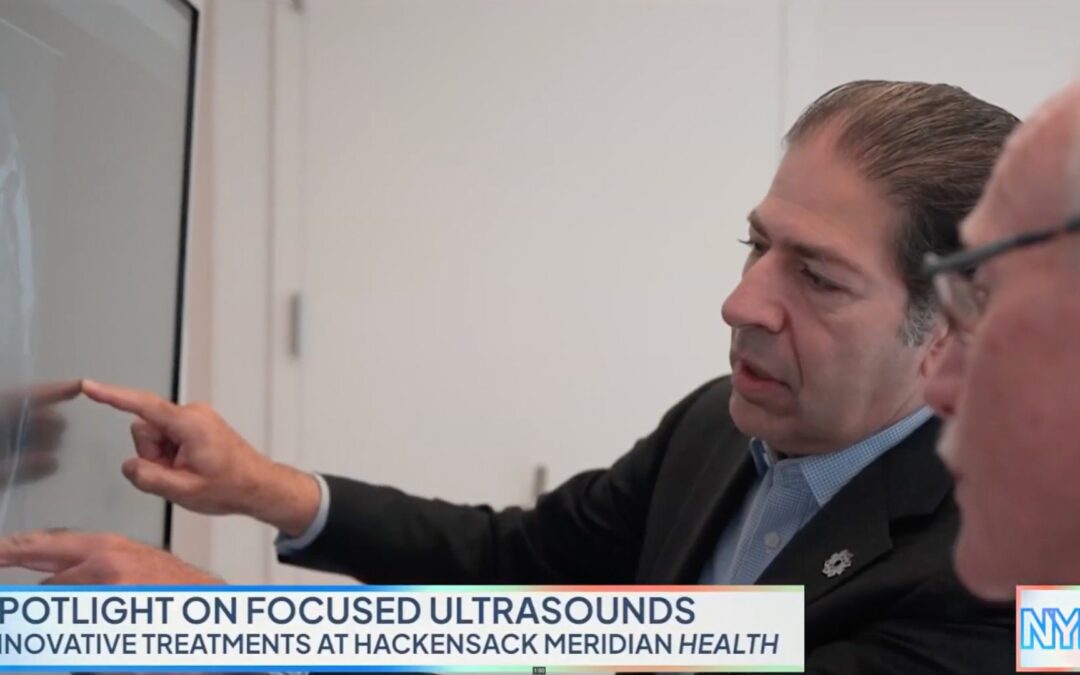
NJBS Highlighted for Advanced Tremor Treatment With Hackensack Meridian Health
New Jersey Brain & Spine was recently featured alongside Hackensack Meridian Health, highlighting the impact of...

Patient Story: Ashley’s Recovery After Cervical Disc Herniation
A stroke at birth left Ashley with cerebral palsy and limited mobility on her right side. So when she woke up at 1...

Back on the Competition Track: A Young Athlete’s Recovery After L4–L5 Disc Herniation Surgery
Severe nerve compression brought life to a halt—lumbar microdiscectomy helped him reclaim strength, mobility, and...
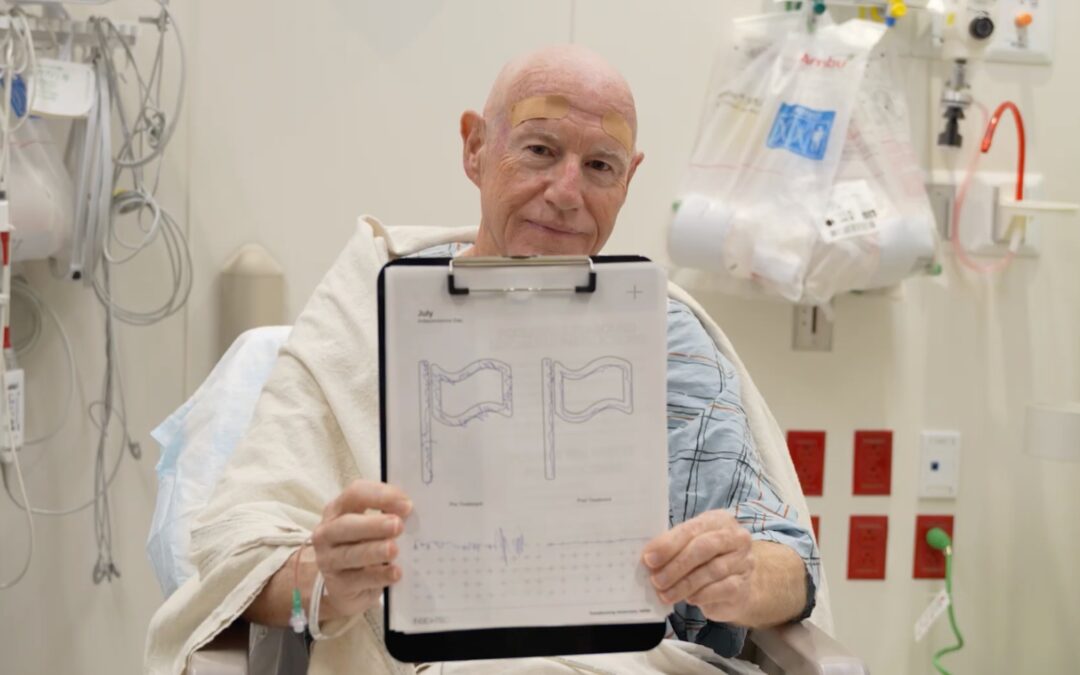
Ground-Breaking HiFu Treatment Re-Opens a Door
Innovative non-invasive essential tremor treatment puts car enthusiast back in the driver’s seat Dan lived with...
Full Patient Story: Chris’s Recovery After L4–5 Posterior Lumbar Interbody Fusion (PLIF)
How an L4–5 Posterior Lumbar Fusion Gave Chris Feeling in His Leg Again and His Life Back Chris was only in his early...
Back in the Game: Brian’s Recovery After C5–6 Disc Replacement
Neck pain and cervical radiculopathy stole his mobility, his golf swing, and his comfort, an artificial disc...

New Jersey Brain and Spine Launches $2000 Healthcare Scholarship to Support Next Generation of Healthcare Professionals
Investing in the future of healthcare: Annual scholarship open to high school and undergraduate students from or...