High-Intensity Focused Ultrasound (HIFU) for Essential Tremor and Parkinson’s Tremor
While HIFU is being researched for other medical uses, such as in oncology and aesthetic medicine, this treatment page focuses solely on its FDA-approved application for essential tremor and tremor-dominant Parkinson’s Disease under neurosurgical care.
High-intensity Focused Ultrasound (HIFU) is a nonsurgical alternative to deep brain stimulation (DBS) for patients with essential tremor and Parkinson’s disease who have not responded to medications. With specialized equipment and expertise, the highly specialized team at New Jersey Brain and Spine uses HIFU to disrupt the neural circuits that cause tremors, providing patients significant relief without traditional surgery.
What is HIFU?
HIFU uses sound waves to treat brain tissue that is the source of a tremor, so no incisions or anesthesia are required. The outpatient procedure involves putting patients in an MRI machine, where physicians monitor and confirm where energy is being delivered. HIFU treatment—often also called MRI-guided focused ultrasound (MRgFUS) or focused ultrasound (FUS)—starts with low energy, and then is gradually increased based on the patient.
Typically, HIFU treatment takes about two hours, and most patients experience a significant and immediate reduction in tremors. One recent study found that 70 percent of patients who pursue HIFU treatment experience relief in symptoms.
Conditions Treated With HIFU
HIFU is FDA-approved for treating:
- Localized prostate cancer
- Uterine fibroids
- Essential tremor
- Tremor-dominant Parkinson’s Disease
With decades of experience and a deep involvement in cutting-edge research, New Jersey Brain and Spine specialists have been at the forefront of utilizing HIFU technology as an alternative to deep brain stimulation to successfully treat patients suffering from essential tremor and Parkinson’s Disease that has not responded to other medications.
Who Is a Candidate for HIFU?
Patients who make good candidates for high-intensity focused ultrasound treatment, include:
- Adults who have an essential tremor or tremor-dominant Parkinson’s Disease that affects one or both of their hands.
- Those with a tremor that is severe enough to disrupt daily activity and have not been relieved by other medications
- Patients who meet skull density guidelines and can tolerate MRI
Certain heart conditions, claustrophobia, or having metal implants may make patients ineligible for HIFU.
What is the impact of HIFU on patients?
Bob Bosloper, a 75-year-old retiree from Hawthorne, New Jersey, has lived with essential tremors in both of his hands since his early 20s. He’s one of approximately 10 million Americans living with this neurological condition. Bosloper and others like him struggle with drawing a straight line, putting in contact lenses, even sipping coffee without spilling it on themselves. Over time, “everyday” activities become extraordinary feats for Bosloper and 10 million others.
But they don’t have to, thanks to the team at New Jersey Brain & Spine. Under the care of Dr. Hooman Azmi, Bosloper underwent separate high-intensity focused ultrasound (HIFU) treatments – first for his dominant hand, then for his left hand. Given the success of his first treatment–a great reduction in tremors almost immediately, with no return—Bosloper said he had no hesitation to pursue HIFU for his left hand as soon as the FDA gave the greenlight for non-dominant-side treatments.
Now, more than 50 years after his tremors first began, Bosloper has his life back, and he’s back to being able to participate in one of his greatest passions: playing the church organ. “I’m feeling great. This is terrific. This treatment is a great blessing,” Bosloper said.
Insurance Coverage for HIFU
While Medicare and some private insurance policies will cover high-intensity focused ultrasound, coverage will depend on the individual diagnosis and health insurance plan. NJBS office support can help you verify coverage.
Why Choose New Jersey Brain and Spine for HIFU
At New Jersey Brain and Spine, we specialize in treating movement disorders. Our dedicated subspecialty team uses the latest technology to provide personalized and compassionate treatment right here in New Jersey. As early adopters of advanced technology like focused ultrasound techniques, we can offer a variety of surgical and nonsurgical options to improve your quality of life.
Frequently Asked Questions
Are There Risks Associated With HIFU? After a HIFU procedure, some patients may experience minor temporary side effects, including headache, nausea, numbness or tingling, and trouble with balance or speech. HIFU treatment is not permanent, nor does it treat an underlying disease. Research shows that hand tremor movement is mostly maintained at three years. Forty-eight percent of side effects resolve on their own within 30 days of treatment.
What are alternative treatment options to HIFU? Deep brain stimulation (DBS) is a surgical procedure that targets the same areas of the brain as HIFU but uses a different approach. DBS requires implanting electrodes connected to a small battery to deliver electrical pulses that modify brain activity. DBS is more invasive, and can be an option for those who’ve had HIFU, if their symptoms worsen.
Exploring Treatments for Essential Tremor and Parkinson’s Disease? New Jersey Patients Start Here
If you are experiencing challenges to daily living due to essential tremor or Parkinson’s tremor and medications have not helped, contact New Jersey Brain and Spine to schedule a consultation. Our high-intensity focused ultrasound program is providing many patients with new hope.
Have More Questions about This Condition
New Jersey Brain and Spine Earns #3 National Ranking For Neurosurgical Practices
New Jersey Brain and Spine has once again been recognized among the nation’s elite neurosurgical practices—this time...

Patient Story: Patient Gets Fitness Career Back in Shape Thanks to Dr. Roth
Robin Bray is the owner of FitnessBarre™, a popular local workout studio in Midland Park, New Jersey. The...
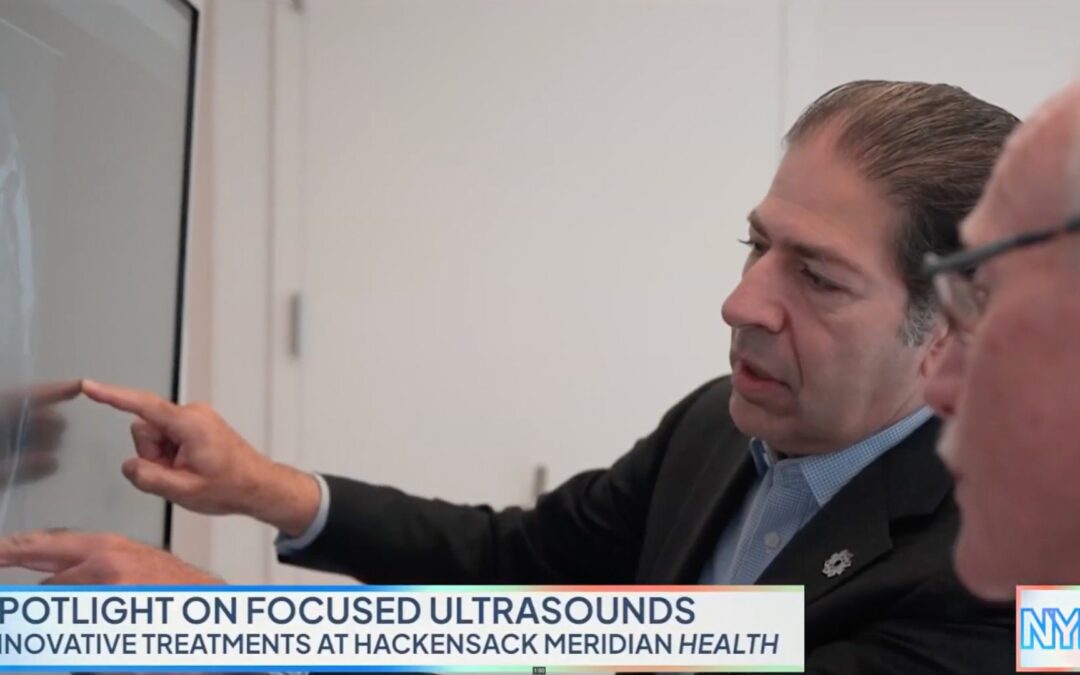
NJBS Highlighted for Advanced Tremor Treatment With Hackensack Meridian Health
New Jersey Brain & Spine was recently featured alongside Hackensack Meridian Health, highlighting the impact of...

Patient Story: Ashley’s Recovery After Cervical Disc Herniation
A stroke at birth left Ashley with cerebral palsy and limited mobility on her right side. So when she woke up at 1...

Back on the Competition Track: A Young Athlete’s Recovery After L4–L5 Disc Herniation Surgery
Severe nerve compression brought life to a halt—lumbar microdiscectomy helped him reclaim strength, mobility, and...
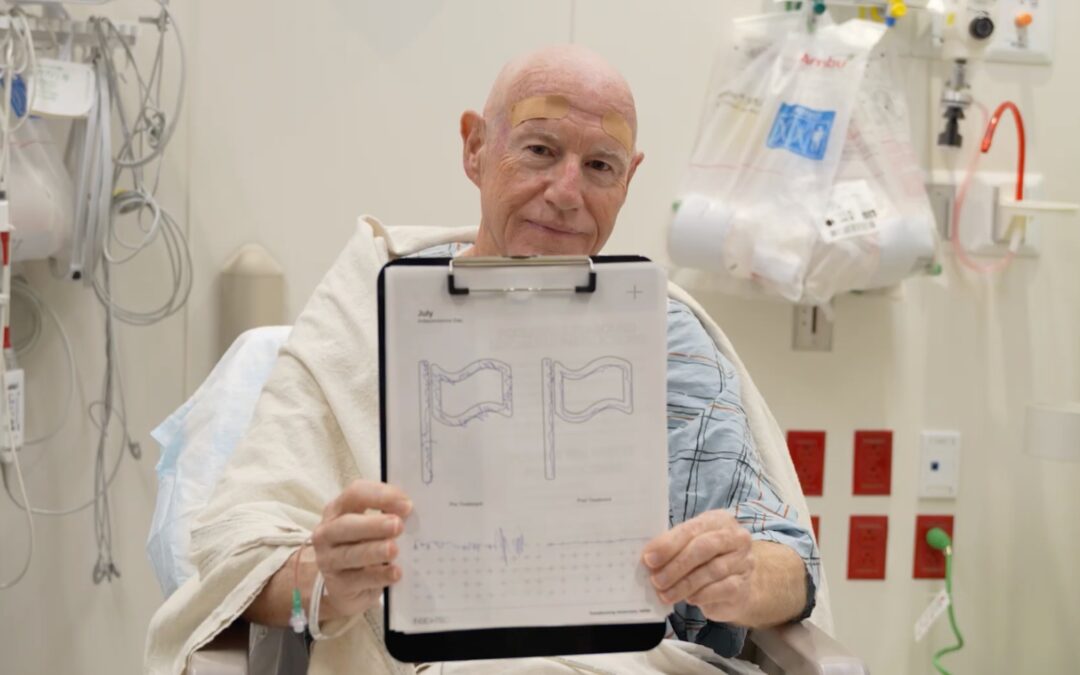
Ground-Breaking HiFu Treatment Re-Opens a Door
Innovative non-invasive essential tremor treatment puts car enthusiast back in the driver’s seat Dan lived with...
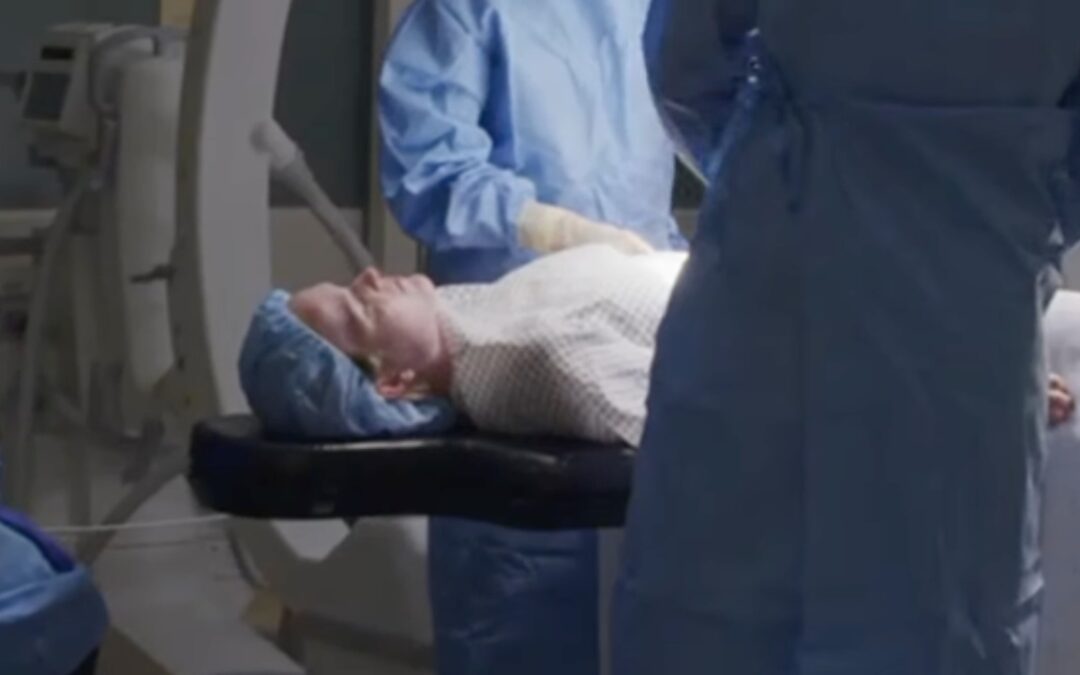
Full Patient Story: Chris’s Recovery After L4–5 Posterior Lumbar Interbody Fusion (PLIF)
How an L4–5 Posterior Lumbar Fusion Gave Chris Feeling in His Leg Again and His Life Back Chris was only in his early...

Back in the Game: Brian’s Recovery After C5–6 Disc Replacement
Neck pain and cervical radiculopathy stole his mobility, his golf swing, and his comfort, an artificial disc...

New Jersey Brain and Spine Launches $2000 Healthcare Scholarship to Support Next Generation of Healthcare Professionals
Investing in the future of healthcare: Annual scholarship open to high school and undergraduate students from or...