Select patients with Parkinson’s are at times unable to participate in traditional DBS. The necessity of stopping Parkinson’s medication preoperatively is often greatly debilitating and the anxiety associated with participation in surgery is prohibitive of a meaningful patient-surgeon interaction. MRI guided DBS is a surgical procedure that allows for placement of stimulating electrodes while the patient is fully anesthetized. The ClearPoint surgical navigation system is used in conjunction with live MRI guidance at the time of surgery. This method assures accurate lead placement and obviates the need for microelectrode recording or real-time patient feedback. The movement disorder program at New Jersey Brain and Spine is one of the few centers offering this novel method for treating medically intractable Parkinsonism.
Frequently Asked Questions (FAQs) About MRI-Guided (Asleep) DBS
Who is a candidate for MRI-guided asleep DBS?
Do I have to be awake or stop my medication for asleep DBS?
How is accurate electrode placement ensured if I'm asleep?
Have More Questions about This Condition
New Jersey Brain and Spine Earns #3 National Ranking For Neurosurgical Practices
New Jersey Brain and Spine has once again been recognized among the nation’s elite neurosurgical practices—this time...
Patient Story: Patient Gets Fitness Career Back in Shape Thanks to Dr. Roth
Robin Bray is the owner of FitnessBarre™, a popular local workout studio in Midland Park, New Jersey. The...
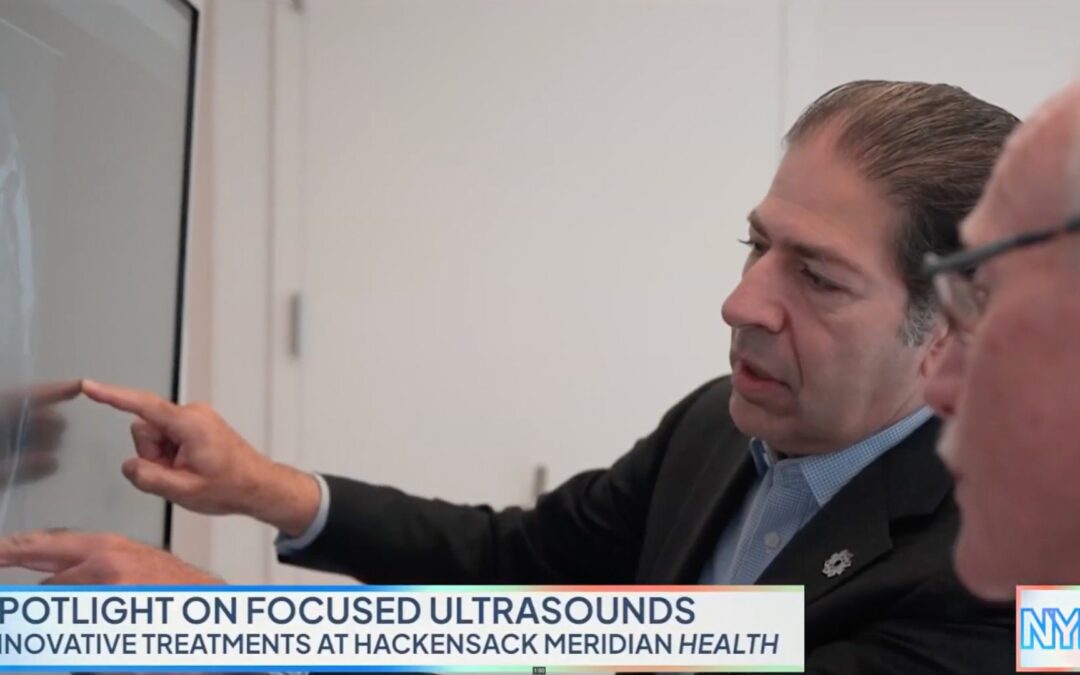
NJBS Highlighted for Advanced Tremor Treatment With Hackensack Meridian Health
New Jersey Brain & Spine was recently featured alongside Hackensack Meridian Health, highlighting the impact of...

Patient Story: Ashley’s Recovery After Cervical Disc Herniation
A stroke at birth left Ashley with cerebral palsy and limited mobility on her right side. So when she woke up at 1...

Back on the Competition Track: A Young Athlete’s Recovery After L4–L5 Disc Herniation Surgery
Severe nerve compression brought life to a halt—lumbar microdiscectomy helped him reclaim strength, mobility, and...
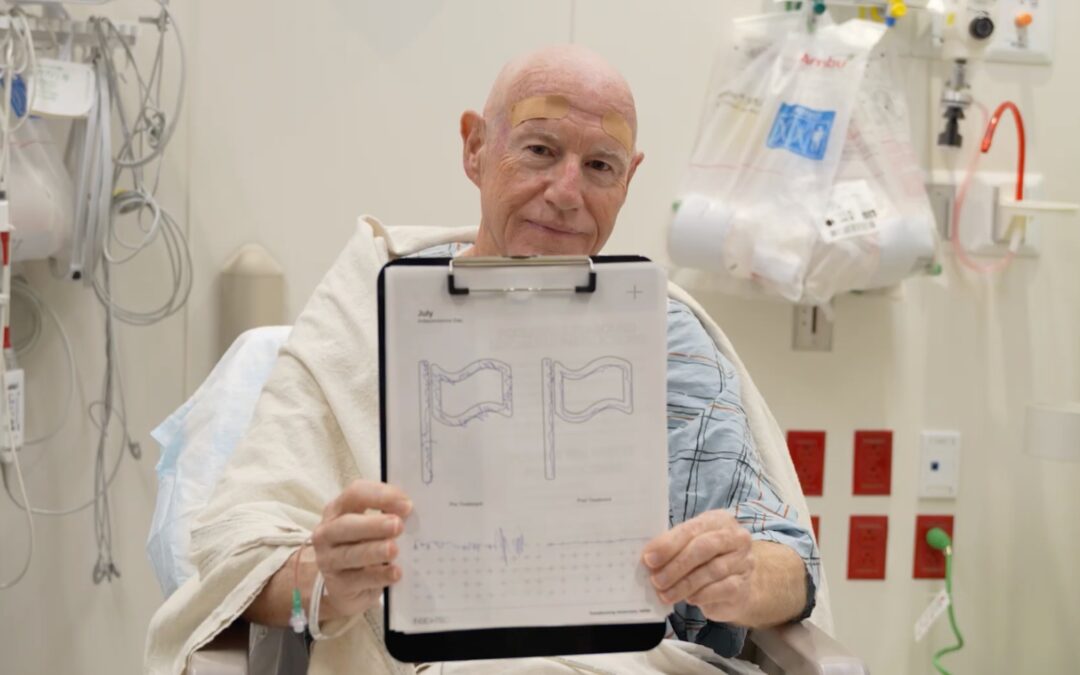
Ground-Breaking HiFu Treatment Re-Opens a Door
Innovative non-invasive essential tremor treatment puts car enthusiast back in the driver’s seat Dan lived with...
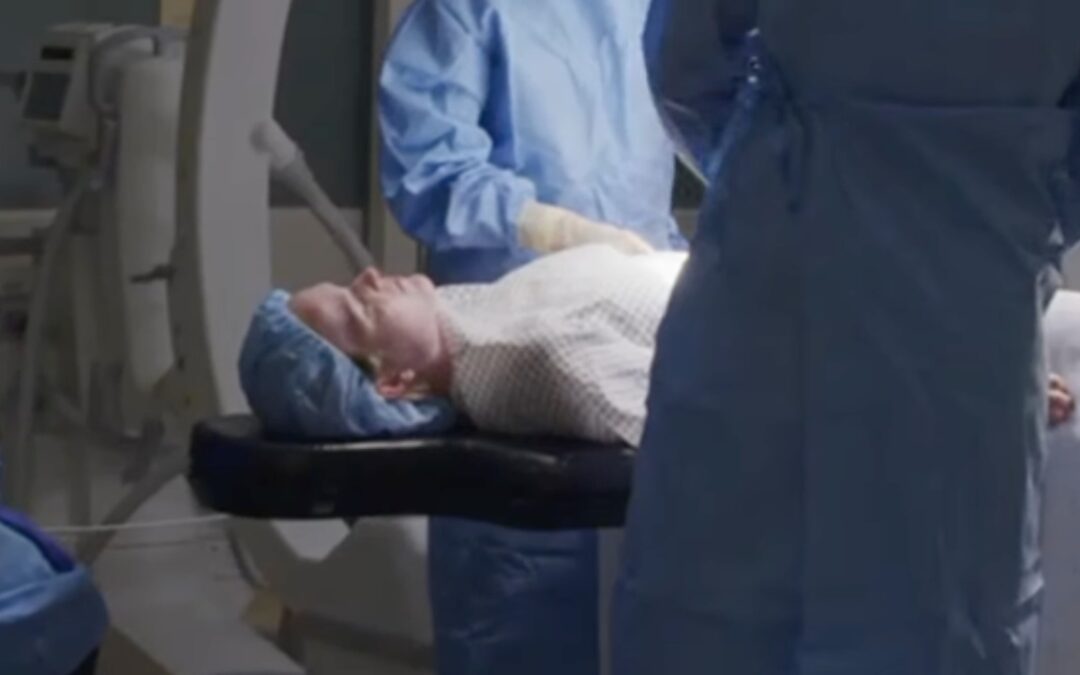
Full Patient Story: Chris’s Recovery After L4–5 Posterior Lumbar Interbody Fusion (PLIF)
How an L4–5 Posterior Lumbar Fusion Gave Chris Feeling in His Leg Again and His Life Back Chris was only in his early...
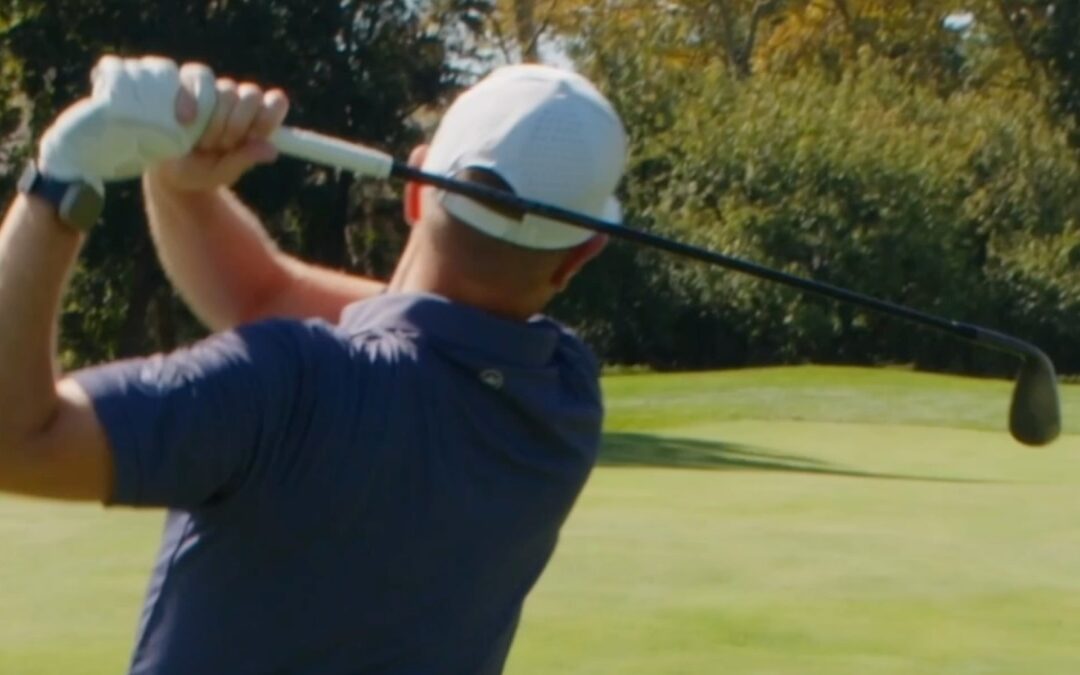
Back in the Game: Brian’s Recovery After C5–6 Disc Replacement
Neck pain and cervical radiculopathy stole his mobility, his golf swing, and his comfort, an artificial disc...

New Jersey Brain and Spine Launches $2000 Healthcare Scholarship to Support Next Generation of Healthcare Professionals
Investing in the future of healthcare: Annual scholarship open to high school and undergraduate students from or...