Neuronavigation is a surgical technique utilized by neurosurgeons that uses imaging, such as CT and MRI scans, to help precisely locate and navigate around the brain during a surgical procedure. This surgical technique has become an essential part of neurosurgery regarding effectiveness and precision.
What is a Neuronavigation System?
Like a GPS system, neuronavigation provides real-time guidance on the location of surgical instruments in relation to the patient’s brain anatomy. A neuronavigation system is a medical technology used during neurosurgery to help the surgeon accurately navigate and target areas of the brain.
Overall, this system increases precision while minimizing the damage to healthy tissues. It also improves the safety of complex brain surgeries by providing the neurosurgeon with detailed information throughout the surgical procedure.
What is the principle of neuronavigation?
As a technique used primarily in neurosurgery, neuronavigation guides the surgeon during operations involving the brain and nervous system. Therefore, the main principle behind neuronavigation is to combine the real-time imaging of the brain with a navigational system to accurately and effectively track the position of surgical instruments relative to the brain’s anatomy. Neuronavigation can be used in skull base surgeries, intracerebral biopsies and localization of tumors, intracranial endoscopies, and other neurosurgical and spinal procedures.
What are the steps in neuronavigation?
The steps in neuronavigation include the following:
- Step 1: Preoperative scans (MRI or CT) are taken.
- This imaging helps to identify important landmarks, such as areas related to speech and motor functions.
- Step 2: Fiducial markers, tiny objects that designate specific areas of interest, are placed on the patient’s scalp.
- These external markers are sometimes reflective or infrared markers or sensors that create reference points for the surgeon..
- Step 3: The images are registered to the patient’s head position during the surgical procedure.
- This registration step essentially maps the brain’s anatomy onto the current head position of the patient.
- Step 4: A 3D map of the brain is made.
- Step 5: The 3D map of the brain is used to guide the neurosurgeon to the specific target area.
- This real-time guidance shows the neurosurgeon where the instruments are in relation to the targeted area of the brain.
What are the benefits of neuronavigation?
- Improving surgical safety
- Guiding dissection
- Helping to evaluate tumor resection
- Assisting with the precise localization
- Avoiding critical brain structures during neurosurgery
- Ensuring the most accurate placement for implants, resections, and biopsies
What are the limitations of neuronavigation?
- Losing accuracy during a surgical procedure due to the brain shifting
- Requiring time for preoperative processing and imaging
- Relying too much on the system as a less experienced surgeon
Neuronavigation at New Jersey Brain & Spine
Minimally invasive surgeries have widely become the preferred surgical treatment for many brain and spine conditions. With the support of high-tech imaging and sophisticated navigation systems, neurosurgeons can effectively minimize damage to surrounding tissues and operate with greater precision than ever before.
In short, this treatment provides the surgeon with real-time positioning information during surgery. This guidance system also helps the surgeon to map out the procedure beforehand and reduce the amount of time the patient spends on the operating table. Overall, neuronavigation promotes patient safety with better surgical outcomes and smaller incisions.
Have More Questions about This Condition
New Jersey Brain and Spine Earns #3 National Ranking For Neurosurgical Practices
New Jersey Brain and Spine has once again been recognized among the nation’s elite neurosurgical practices—this time...

Patient Story: Patient Gets Fitness Career Back in Shape Thanks to Dr. Roth
Robin Bray is the owner of FitnessBarre™, a popular local workout studio in Midland Park, New Jersey. The...
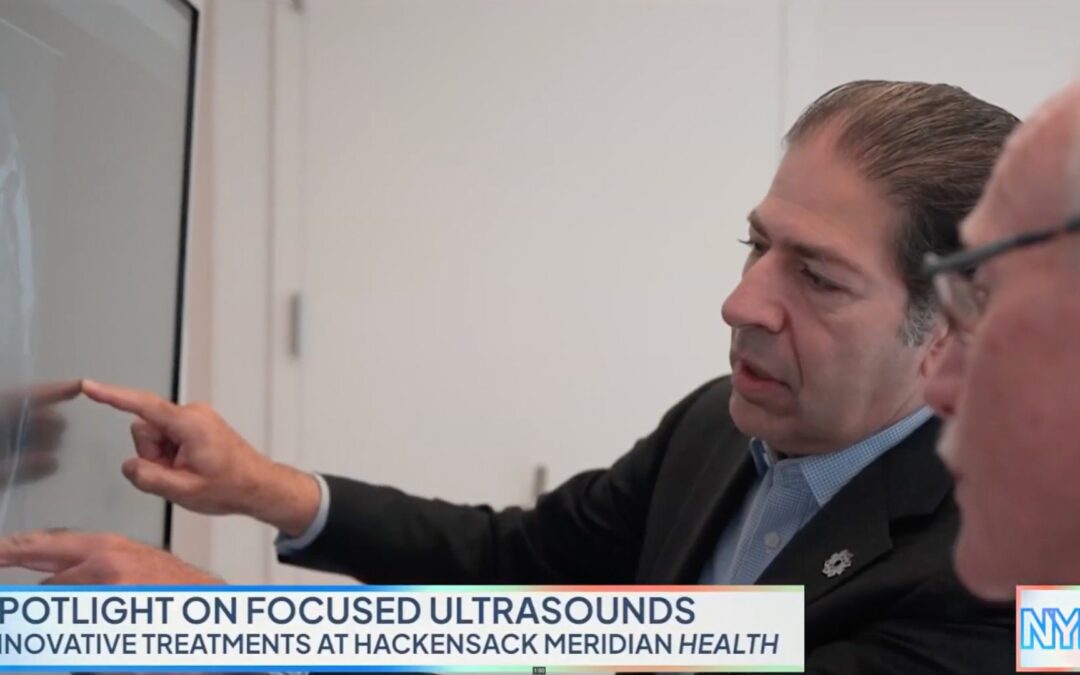
NJBS Highlighted for Advanced Tremor Treatment With Hackensack Meridian Health
New Jersey Brain & Spine was recently featured alongside Hackensack Meridian Health, highlighting the impact of...

Patient Story: Ashley’s Recovery After Cervical Disc Herniation
A stroke at birth left Ashley with cerebral palsy and limited mobility on her right side. So when she woke up at 1...

Back on the Competition Track: A Young Athlete’s Recovery After L4–L5 Disc Herniation Surgery
Severe nerve compression brought life to a halt—lumbar microdiscectomy helped him reclaim strength, mobility, and...
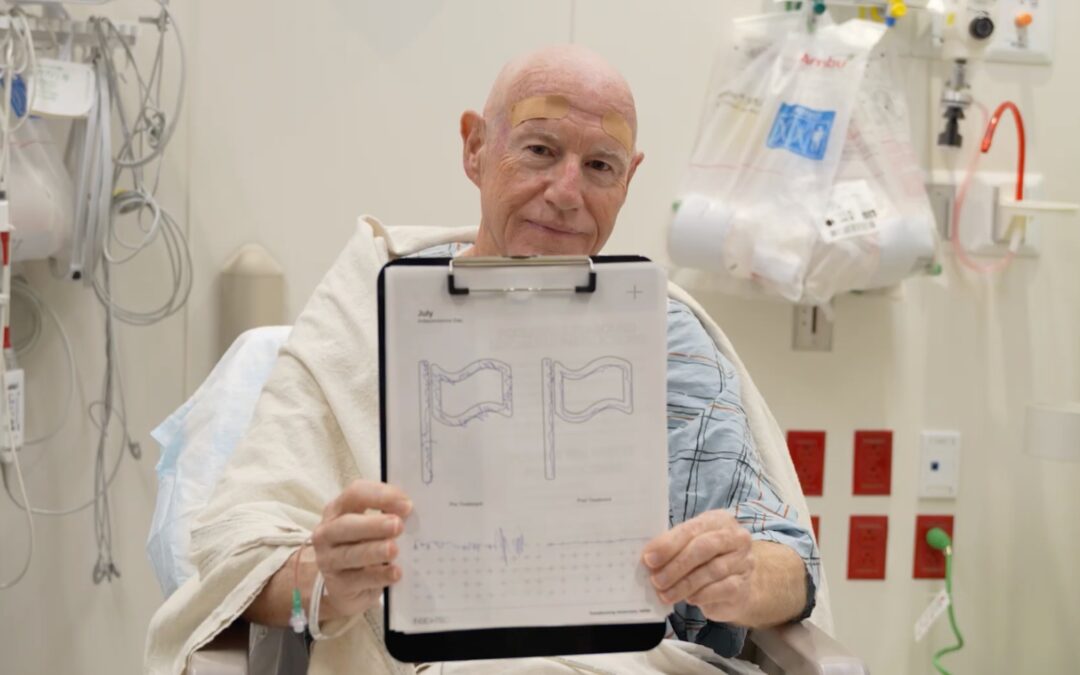
Ground-Breaking HiFu Treatment Re-Opens a Door
Innovative non-invasive essential tremor treatment puts car enthusiast back in the driver’s seat Dan lived with...
Full Patient Story: Chris’s Recovery After L4–5 Posterior Lumbar Interbody Fusion (PLIF)
How an L4–5 Posterior Lumbar Fusion Gave Chris Feeling in His Leg Again and His Life Back Chris was only in his early...
Back in the Game: Brian’s Recovery After C5–6 Disc Replacement
Neck pain and cervical radiculopathy stole his mobility, his golf swing, and his comfort, an artificial disc...

New Jersey Brain and Spine Launches $2000 Healthcare Scholarship to Support Next Generation of Healthcare Professionals
Investing in the future of healthcare: Annual scholarship open to high school and undergraduate students from or...