Robotic and Navigation-Guided Spine Surgery in New Jersey: What Patients Need to Know
Robotic-assisted spine surgery represents a transformative leap forward in precision, safety, and recovery outcomes that is fundamentally changing how we approach complex spinal conditions. This advanced technology offers patients the opportunity to achieve better surgical results with smaller incisions and reduced tissue trauma compared to traditional surgical approaches.
As a New Jersey-based neurosurgeon who has embraced robotic-assisted/navigation-guided spine surgery and witnessed its remarkable impact on patient outcomes, I want to share with you why this technology represents one of the most significant advances in spine surgery in decades.
How Robotic Spine Surgery Works: The Surgeon’s Role
Spine surgery has always demanded the highest levels of precision. Working with structures measured in millimeters, where a small deviation can mean the difference between success and complication, traditional spine surgery has relied heavily on the surgeon’s experience, steady hands, and two-dimensional imaging. While these skills remain crucial, robotic assistance has elevated our capabilities to unprecedented levels of accuracy and safety.
While the technological capabilities of robotic spine surgery are impressive, it’s important to understand that the surgeon remains the most critical component of your care. The robot does not make decisions or perform surgery independently. It functions as a highly sophisticated guidance tool that enhances the surgeon’s precision and planning.
Robotic technology is used differently across surgical specialties. In some abdominal or pelvic procedures, surgeons operate robotic arms from a console across the room. In spine surgery, the approach is different. The surgeon remains at the patient’s bedside throughout the procedure, directly performing the operation while the robotic system provides real-time guidance for precise placement of spinal implants. The technology assists the surgeon’s hands, but the surgical judgment, technique, and control always remain with the physician.
At New Jersey Brain and Spine, our years of training, surgical experience, and understanding of spinal anatomy guide every aspect of the procedure, from pre-operative planning to post-operative care. The robot simply allows us to execute that expertise with a level of precision that wouldn’t be possible otherwise. This combination of advanced technology and surgical experience creates the optimal environment for excellent outcomes, ensuring that patients receive both the benefits of cutting-edge technology and the irreplaceable value of experienced surgical judgment.
How Robotics and Navigational Guidance Enhance Spine Surgery Safety
Patient safety is my primary concern with every procedure, and robotic assistance has significantly enhanced our ability to perform spine surgery with minimal risk. The precision guidance system virtually eliminates the risk of screw malposition, one of the most serious complications in spine surgery. The precision of robotic surgery also often allows surgeons to achieve better correction of spinal deformities and more optimal restoration of spinal alignment.
Additionally, robotic surgery also often leads to reduced blood loss and shorter operative times. As a result, patients spend less time under anesthesia and experience less physiological stress, which is particularly beneficial for older patients or those with other medical conditions. This enhanced safety profile means that patients can approach their surgery with greater confidence and peace of mind.
Key Benefits of Robotics and Navigational Guidance for Spine Surgery can include:
- Extreme precision in screw placement and bone preparation
- Smaller incisions and reduced tissue trauma
- Faster recovery times and shorter hospital stays
- Reduced blood loss and post-operative pain
- Reduced radiation exposure for patients and the operating room team
Who is a Candidate for Robotic-Assisted Spine Surgery
Most patients requiring spinal fusion, deformity correction, or complex spinal procedures are potential candidates for robotic-assisted surgery, particularly those with degenerative disc disease, spondylolisthesis, spinal stenosis, or adult scoliosis. The best candidates are determined through comprehensive evaluation by an experienced spine surgeon who can assess the specific condition, anatomy, and overall health status.
Advanced Technology, Exceptional Outcomes
At New Jersey Brain and Spine, we’ve invested in the most advanced robotic spine surgery systems available because we believe our patients deserve access to the best possible care. Our surgical team has undergone extensive training in robotic techniques, and we’ve developed protocols that maximize the benefits of this technology for every patient. The outcomes we’ve achieved with robotic-assisted spine surgery have been remarkable, with exceptional fusion rates, low complication rates, and shorter hospital stays. It may also lead to expedited return to normal activities.
If you are considering spine surgery or have been told you need a spinal procedure, I encourage you to learn more about robotic-assisted spine surgery options and whether they are appropriate for your care. Contact New Jersey Brain and Spine today to schedule a consultation and learn more.
Patient Success Story: Robotic Spine Surgery
Lachlan, a 48-year-old construction foreman, came to our practice with severe lower back pain and leg numbness that prevented him from working and enjoying activities with his teenage children. MRI imaging revealed significant spinal stenosis and instability at L4-L5 that required fusion surgery to restore function and prevent further deterioration.
Using our advanced robotic system, we performed a minimally invasive lumbar fusion, placing all hardware exactly as planned through a smaller incision than traditional surgery would have required. Lachlan experienced immediate improvement in his leg symptoms and was walking comfortably within hours of the procedure, spending just one night in the hospital.
Lachlan returned to light duty work after four weeks and full construction activities at three months post-surgery, with follow-up imaging confirming excellent screw placement and solid fusion.
[name and details have been changed to preserve patient anonymity]
Frequently Asked Questions about Robotic or Navigation-Guided Spine Surgery
What is robotic spine surgery?
Is robotic spine surgery better than traditional spine surgery?
How long is the recovery after robotic spine surgery?
Where can I get robotic spine surgery in New Jersey?
Have More Questions about This Condition
New Jersey Brain and Spine Earns #3 National Ranking For Neurosurgical Practices
New Jersey Brain and Spine has once again been recognized among the nation’s elite neurosurgical practices—this time...
Patient Story: Patient Gets Fitness Career Back in Shape Thanks to Dr. Roth
Robin Bray is the owner of FitnessBarre™, a popular local workout studio in Midland Park, New Jersey. The...
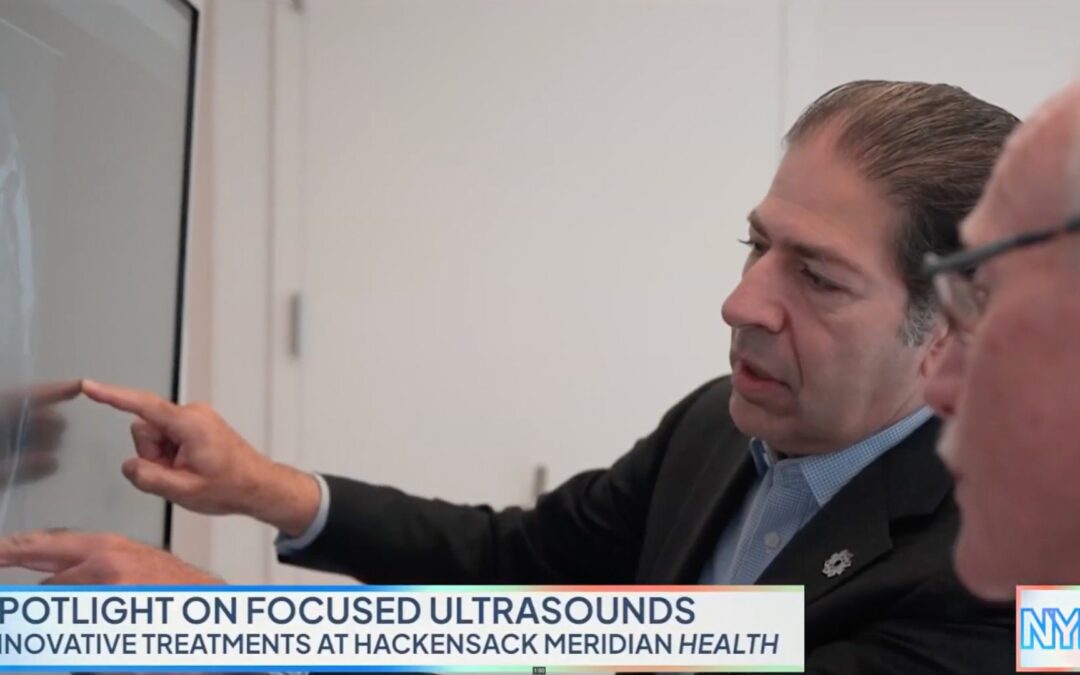
NJBS Highlighted for Advanced Tremor Treatment With Hackensack Meridian Health
New Jersey Brain & Spine was recently featured alongside Hackensack Meridian Health, highlighting the impact of...

Patient Story: Ashley’s Recovery After Cervical Disc Herniation
A stroke at birth left Ashley with cerebral palsy and limited mobility on her right side. So when she woke up at 1...

Back on the Competition Track: A Young Athlete’s Recovery After L4–L5 Disc Herniation Surgery
Severe nerve compression brought life to a halt—lumbar microdiscectomy helped him reclaim strength, mobility, and...
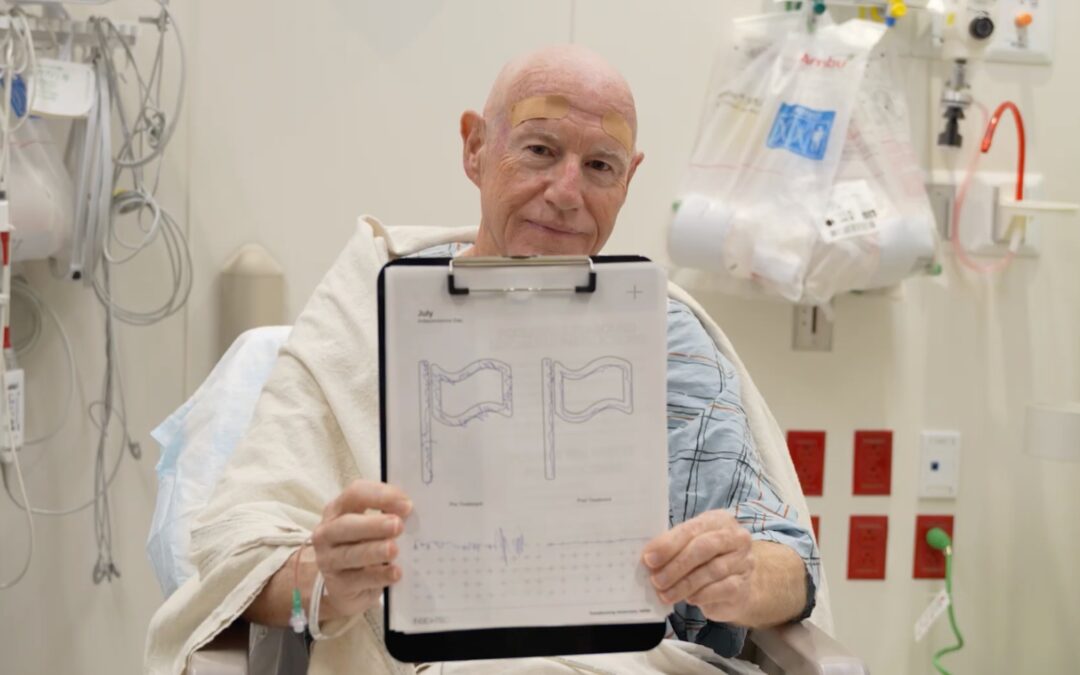
Ground-Breaking HiFu Treatment Re-Opens a Door
Innovative non-invasive essential tremor treatment puts car enthusiast back in the driver’s seat Dan lived with...
Full Patient Story: Chris’s Recovery After L4–5 Posterior Lumbar Interbody Fusion (PLIF)
How an L4–5 Posterior Lumbar Fusion Gave Chris Feeling in His Leg Again and His Life Back Chris was only in his early...

Back in the Game: Brian’s Recovery After C5–6 Disc Replacement
Neck pain and cervical radiculopathy stole his mobility, his golf swing, and his comfort, an artificial disc...

New Jersey Brain and Spine Launches $2000 Healthcare Scholarship to Support Next Generation of Healthcare Professionals
Investing in the future of healthcare: Annual scholarship open to high school and undergraduate students from or...