What is a spinal tumor?
A spinal tumor is a growth in or on your spine. All tumors are abnormal growths of cells, and spinal tumors can actually occur in any of the tissues comprising the spine. These locations include the inside of the spinal cord, the meninges that cover the spinal cord, the area between the meninges and your spinal bones, and inside your vertebrae.
There are specific classifications for spinal tumors based on their location. Extradural tumors occur inside the spinal column, but don’t usually involve the spinal cord. Intradural tumors form inside the dura, and sometimes, but not always, affect the spinal cord. Intramedullary is the term for intradural tumors that grow inside the spinal cord.
Some spinal tumors are malignant, meaning cancerous, but others are benign. Benign tumors can provide cause for concern if they are damaging the surrounding tissues in your spine as they grow.
If the tumor first develops on your spine, it is referred to as a primary spinal tumor. Secondary spinal tumors, also known as metastatic tumors, are the result of cancer that originated in another part of the body before spreading to the spine. It is actually much more common to have secondary spinal tumors than primary ones. Large percentages of cancer patients develop metastatic spine tumors as their cancer progresses.
What causes spinal tumors?
As mentioned above, metastatic spinal tumors are the most common type, and they occur when cancer spreads from other parts of the body. 97% of all spinal tumors are metastatic, and lung, prostate, and breast cancers are the most likely cancers to cause secondary tumors in the spine.
Otherwise, researchers are still learning about why spinal tumors develop. Genetics are likely a major contributor, and they may be triggered by environmental factors. Neurofibromatosis Type 2 and Von Hippel-Lindau Disease are two conditions that commonly lead to spinal tumors.
What are the top spinal tumor symptoms?
Spinal tumor symptoms vary based on their type and location. Unsurprisingly, back pain is one of the most common symptoms. This pain can occur not only at the location of the tumor, but also across the body as it radiates. It’s also common for the back pain to become worse at night.
Other spinal tumor symptoms include decreased sensitivity to heat and cold, loss of bowel or bladder function, loss of sensation in the arms or legs, muscle weakness, and challenges with walking. Your symptoms may progress faster or slower depending on what type of tumor you have.
How is a spinal tumor diagnosed?
Spinal tumors are diagnosed with radiological tests. Different types of tests offer different types of visualizations, and your physician will be able to recommend the best tool for your case. For example, X-rays may be helpful to show other potential causes for back pain, but are not the most reliable option for tumor diagnosis. MRIs, or Magnetic Resonance Imaging tests, are usually the preferred diagnostic tool for spinal tumors, as they produce highly accurate images of the spine, spinal cord, and nerves.
A biopsy can also help clarify the diagnosis, and in the case of malignant tumors, can indicate the type of cancer at hand.
What are the treatment options for spinal tumors?
Treatment options will depend on your spinal tumor symptoms, and of course whether the tumor is cancerous. If the tumor is not affecting your quality of life and growing slowly, your physician may recommend monitoring at consistent intervals rather than immediate action.
Otherwise, chemotherapy and radiation therapy are two non-surgical treatments for spinal tumors, though they are often used in conjunction with surgical removal. Radiation can be used to treat the remnants of a tumor if the surgeon is not able to safely remove the entire mass. It’s also deployed for inoperable tumors.
Surgery is often the safest and most effective treatment option for spinal tumors, especially when you work with an experienced, cutting-edge neurosurgical partner. The specific surgical approach will depend on the type of spinal tumor and its exact location—and options range from minimally invasive procedures to traditional open surgery. Your surgeon will also determine the best route to the tumor—for example, anterior approaches are often used for tumors in the front of the spine. Your tumor removal may also be followed by a vertebroplasty, in which the surgeon injects bone cement to help stabilize the spine and reduce pain.
A spinal tumor diagnosis may be intimidating to receive, but your experience will entirely depend on the specifics. Assessing the severity of your spinal tumor symptoms and understanding the exact location and type of tumor you have will be key for understanding next steps.
Frequently Asked Questions
What is a spinal tumor?
What causes spinal tumors?
What are the top spinal tumor symptoms?
How is a spinal tumor diagnosed?
What are the treatment options for spinal tumors?
Have More Questions about This Condition
New Jersey Brain and Spine Earns #3 National Ranking For Neurosurgical Practices
New Jersey Brain and Spine has once again been recognized among the nation’s elite neurosurgical practices—this time...
Patient Story: Patient Gets Fitness Career Back in Shape Thanks to Dr. Roth
Robin Bray is the owner of FitnessBarre™, a popular local workout studio in Midland Park, New Jersey. The...
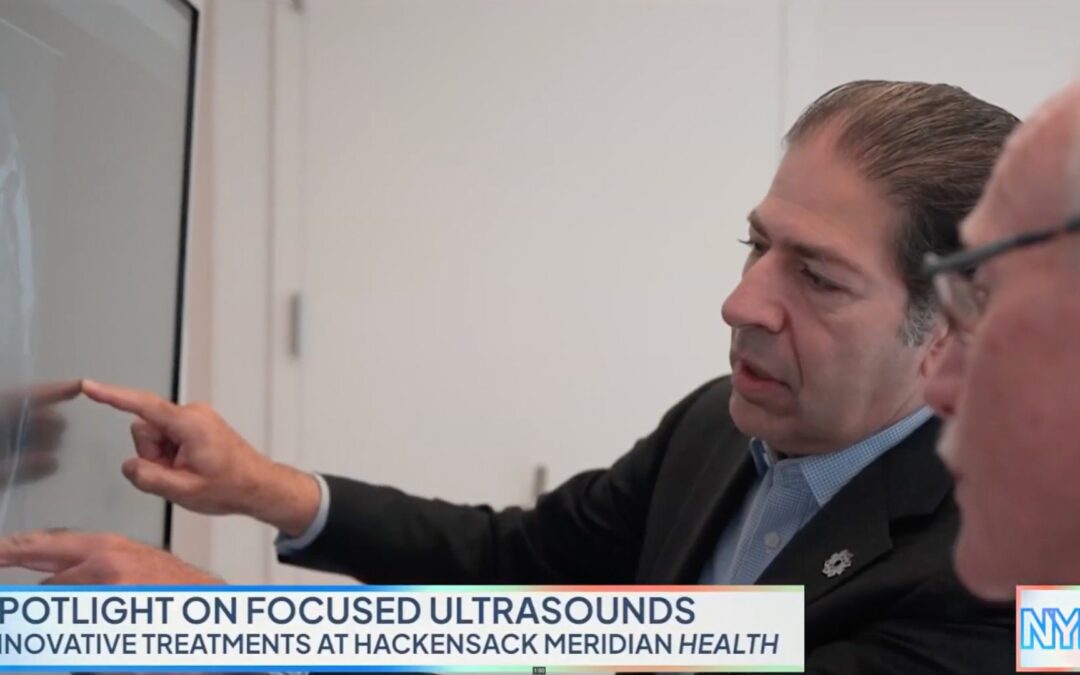
NJBS Highlighted for Advanced Tremor Treatment With Hackensack Meridian Health
New Jersey Brain & Spine was recently featured alongside Hackensack Meridian Health, highlighting the impact of...

Patient Story: Ashley’s Recovery After Cervical Disc Herniation
A stroke at birth left Ashley with cerebral palsy and limited mobility on her right side. So when she woke up at 1...

Back on the Competition Track: A Young Athlete’s Recovery After L4–L5 Disc Herniation Surgery
Severe nerve compression brought life to a halt—lumbar microdiscectomy helped him reclaim strength, mobility, and...
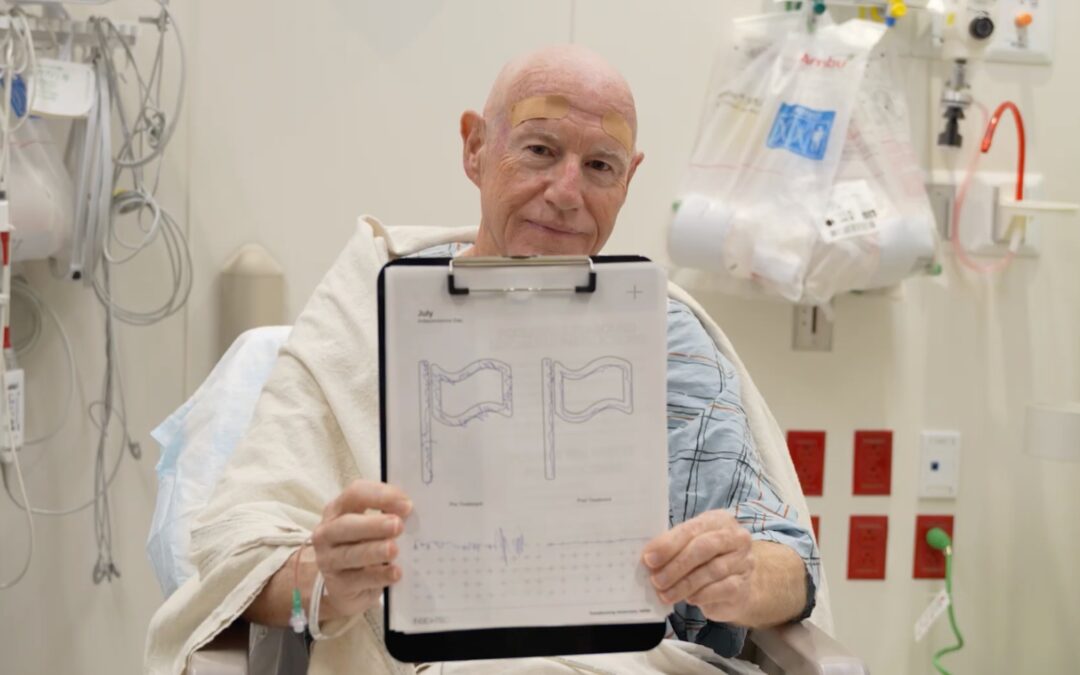
Ground-Breaking HiFu Treatment Re-Opens a Door
Innovative non-invasive essential tremor treatment puts car enthusiast back in the driver’s seat Dan lived with...
Full Patient Story: Chris’s Recovery After L4–5 Posterior Lumbar Interbody Fusion (PLIF)
How an L4–5 Posterior Lumbar Fusion Gave Chris Feeling in His Leg Again and His Life Back Chris was only in his early...

Back in the Game: Brian’s Recovery After C5–6 Disc Replacement
Neck pain and cervical radiculopathy stole his mobility, his golf swing, and his comfort, an artificial disc...

New Jersey Brain and Spine Launches $2000 Healthcare Scholarship to Support Next Generation of Healthcare Professionals
Investing in the future of healthcare: Annual scholarship open to high school and undergraduate students from or...