An arachnoid cyst is a fluid filled sac that develops between the brain or spinal cord and one of the membranes that surround and protect the central nervous system. These cysts contain cerebrospinal fluid, the same fluid that cushions and supports the brain and spinal cord.
Many arachnoid cysts are discovered incidentally during imaging performed for another medical reason. In many cases, they remain stable and never cause symptoms. However, some cysts can grow or place pressure on nearby brain structures, which may lead to neurological symptoms that require evaluation. They are the most common type of brain cysts.
What Is an Arachnoid Cyst?
An arachnoid cyst is a benign sac filled with cerebrospinal fluid that forms within the arachnoid membrane. The arachnoid is one of three protective layers that surround the brain and spinal cord. While a colloid cyst is also benign, those are typically located inside the center of the brain, within the fluid-filled ventricular system. Colloid cysts are associated with more complications than arachnoid cysts.
Most arachnoid cysts are congenital, meaning they develop before birth as the brain and nervous system form. These cysts may remain unchanged for many years and often do not cause symptoms.
In less common cases, arachnoid cysts can develop later in life. These secondary cysts may occur after:
- Head trauma
- Brain infection
- Brain surgery
- Bleeding around the brain
Arachnoid cysts most frequently occur within the brain, particularly in areas near the temporal lobe. They can also occur along the spinal cord, although this is less common.
Many individuals with arachnoid cysts live normal lives without ever requiring treatment. When symptoms occur, they are typically related to the cyst’s size, location, and the amount of pressure it places on surrounding structures.
Symptoms of an Arachnoid Cyst
Symptoms of an arachnoid cyst can vary widely depending on where the cyst is located and whether it is affecting nearby brain structures. Small cysts often cause no symptoms at all.
When symptoms do occur, they may include:
- Persistent headaches
- Nausea or vomiting
- Balance or coordination problems
- Vision changes
- Seizures
- Hearing difficulties
- Cognitive or memory problems
- Weakness or numbness in parts of the body
In children, arachnoid cysts may sometimes be associated with developmental delays or increased head size if the cyst interferes with normal cerebrospinal fluid circulation.
Because these symptoms can also occur with many other neurological conditions, imaging tests are needed to confirm whether an arachnoid cyst is present.
How Arachnoid Cysts Are Diagnosed
As just mentioned, arachnoid cysts are typically diagnosed using advanced imaging studies. These tests allow physicians to visualize the brain and determine the location and characteristics of the cyst.
The most common imaging studies include:
Magnetic resonance imaging (MRI): MRI scans provide detailed images of the brain and are the most common way to diagnose an arachnoid cyst. MRI can show the size of the cyst and whether it is affecting surrounding brain tissue.
Computerized tomography (CT) scans: CT scans may also detect arachnoid cysts and are sometimes used in emergency settings or when MRI is not available. These imaging tests help physicians evaluate:
- The size and location of the cyst
- Whether the cyst is pressing on surrounding structures
- Whether it affects normal cerebrospinal fluid flow
- Whether the cyst has features suggesting stability or growth
In many cases, once a cyst is identified, physicians may recommend periodic imaging to monitor the cyst over time. If the cyst remains stable and does not cause symptoms, no treatment may be necessary.
Treatment for Arachnoid Cysts
Treatment for an arachnoid cyst depends on several factors, including the size of the cyst, its location, and whether it is causing symptoms.
Observation and Monitoring: For many patients, the most appropriate approach is careful monitoring. Small cysts that do not cause symptoms may simply be followed with periodic imaging to ensure that they remain stable. Observation is often recommended when:
- The cyst is discovered incidentally
- The patient has no neurological symptoms
- Imaging shows the cyst is stable over time
Surgical Treatment: When an arachnoid cyst causes symptoms or continues to grow, surgical treatment may be considered. The goal of surgery is to relieve pressure on surrounding structures and restore normal cerebrospinal fluid circulation.
Endoscopic fenestration: This minimally invasive procedure uses small instruments and a camera to create openings in the cyst wall. These openings allow fluid to flow into nearby spaces where it can circulate normally.
Microsurgical fenestration: In some cases, a neurosurgeon may perform a more traditional surgical approach to create openings in the cyst wall using microsurgical techniques.
Cyst shunting: A shunt may be placed to drain fluid from the cyst to another part of the body, such as the abdomen, where it can be absorbed safely.
The most appropriate treatment approach depends on the cyst’s location and the patient’s symptoms. Neurosurgeons who specialize in minimally invasive neurosurgery can determine which treatment option is safest and most effective.
When to See a Neurosurgeon
Many arachnoid cysts never require treatment. However, consultation with a neurosurgeon may be appropriate in certain situations.
You may benefit from neurosurgical evaluation if:
- Imaging reveals a large cyst
- Neurological symptoms are present
- Headaches or seizures develop
- The cyst appears to be growing
- There is concern about pressure on nearby brain structures
Early evaluation can help determine whether monitoring is appropriate or whether treatment could improve symptoms.
Patients often seek evaluation after a cyst is discovered during imaging performed for headaches, concussion, or other neurological symptoms.
Arachnoid Cyst Treatment at New Jersey Brain and Spine
New Jersey Brain and Spine is one of the leading neurosurgical practices in the country, providing advanced care for patients with complex brain and spine conditions. Our physicians specialize in the diagnosis and treatment of brain cysts, brain tumors, and other neurological disorders.
If you have been diagnosed with an arachnoid cyst or are experiencing neurological symptoms, consultation with a subspecialized neurosurgeon can help determine whether monitoring or treatment is the best next step. Schedule a consult today.
Frequently Asked Questions About Arachnoid Cysts
Are arachnoid cysts dangerous?
Can an arachnoid cyst cause headaches?
Do arachnoid cysts require surgery?
How common are arachnoid cysts?
Can arachnoid cysts grow over time?
Have More Questions about This Condition
New Jersey Brain and Spine Earns #3 National Ranking For Neurosurgical Practices
New Jersey Brain and Spine has once again been recognized among the nation’s elite neurosurgical practices—this time...
Patient Story: Patient Gets Fitness Career Back in Shape Thanks to Dr. Roth
Robin Bray is the owner of FitnessBarre™, a popular local workout studio in Midland Park, New Jersey. The...
NJBS Highlighted for Advanced Tremor Treatment With Hackensack Meridian Health
New Jersey Brain & Spine was recently featured alongside Hackensack Meridian Health, highlighting the impact of...

Patient Story: Ashley’s Recovery After Cervical Disc Herniation
A stroke at birth left Ashley with cerebral palsy and limited mobility on her right side. So when she woke up at 1...

Back on the Competition Track: A Young Athlete’s Recovery After L4–L5 Disc Herniation Surgery
Severe nerve compression brought life to a halt—lumbar microdiscectomy helped him reclaim strength, mobility, and...
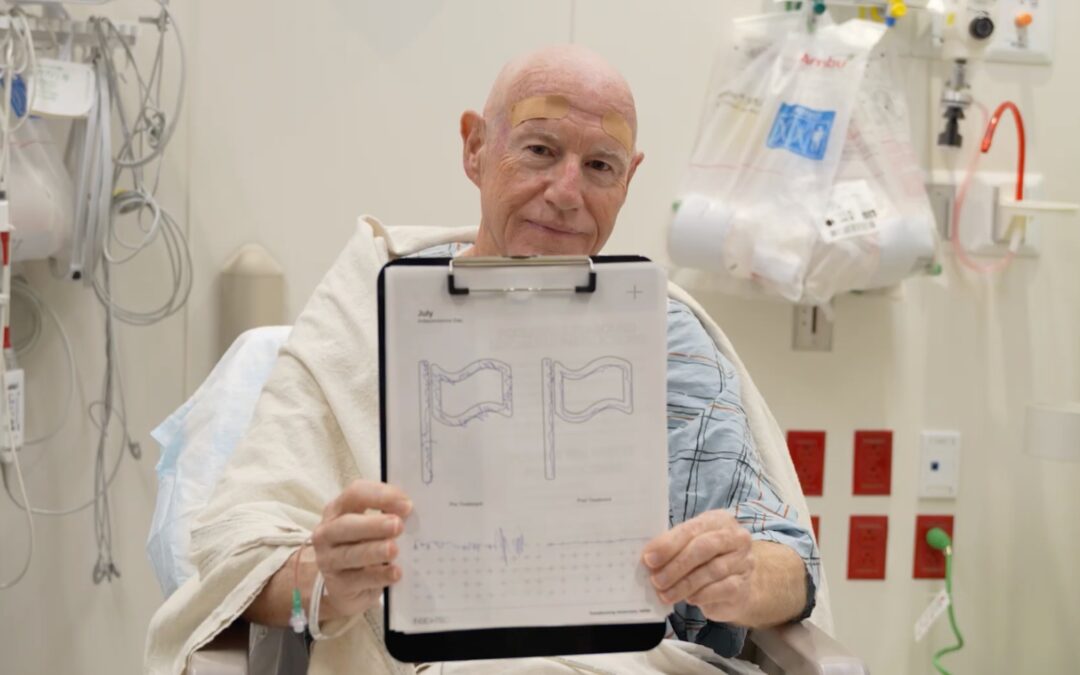
Ground-Breaking HiFu Treatment Re-Opens a Door
Innovative non-invasive essential tremor treatment puts car enthusiast back in the driver’s seat Dan lived with...
Full Patient Story: Chris’s Recovery After L4–5 Posterior Lumbar Interbody Fusion (PLIF)
How an L4–5 Posterior Lumbar Fusion Gave Chris Feeling in His Leg Again and His Life Back Chris was only in his early...
Back in the Game: Brian’s Recovery After C5–6 Disc Replacement
Neck pain and cervical radiculopathy stole his mobility, his golf swing, and his comfort, an artificial disc...

New Jersey Brain and Spine Launches $2000 Healthcare Scholarship to Support Next Generation of Healthcare Professionals
Investing in the future of healthcare: Annual scholarship open to high school and undergraduate students from or...