An intrathecal baclofen or morphine pump delivers medication directly into the fluid surrounding the spinal cord through a small implanted catheter, allowing for precise, continuous symptom relief with lower doses than oral medication would require.
This procedure involves the implantation of a small catheter into the spinal canal of the lower thoracic and upper lumbar spine. This allows for the regulated administration of medication directly into the thecal sac-the fluid-filled sac that bathes and encloses the brain, spinal cord and nerves. Typically, when infusion of baclofen is considered, the patient undergoes a spinal tap to administer a small test dose thereby gauging the potential benefit of the medication. If a beneficial response is observed, the catheter is implanted. The rate of infusion is regulated by a pump that is implanted in the subcutaneous fat of the lower abdomen at the time of the surgery. This pump contains a reservoir for storage of the medication and must be refilled from time to time depending on the rate of administration; the pump must furthermore be replaced when its battery supply is exhausted.
This device may also be used to administer narcotic medications to treat cancer pain as well as chronic back pain secondary to degenerative conditions.
Frequently Asked Questions (FAQs) About the Intrathecal Pump
Is a trial required before the pump is implanted?
What conditions can this treatment help with?
Have More Questions about This Condition
New Jersey Brain and Spine Earns #3 National Ranking For Neurosurgical Practices
New Jersey Brain and Spine has once again been recognized among the nation’s elite neurosurgical practices—this time...
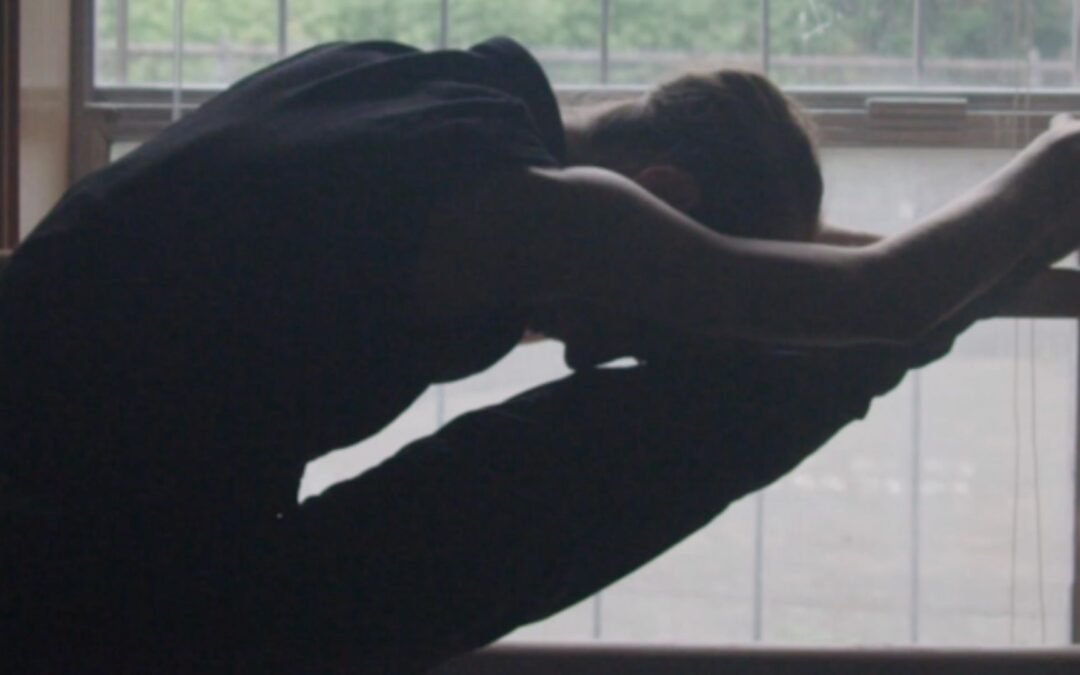
Patient Story: Patient Gets Fitness Career Back in Shape Thanks to Dr. Roth
Robin Bray is the owner of FitnessBarre™, a popular local workout studio in Midland Park, New Jersey. The...
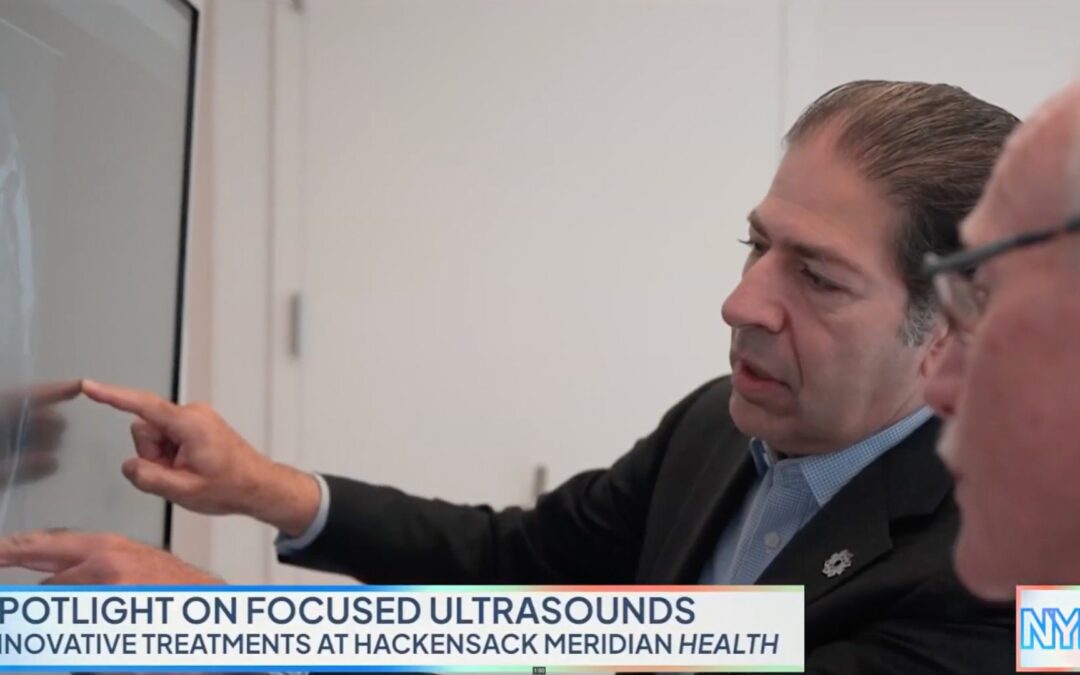
NJBS Highlighted for Advanced Tremor Treatment With Hackensack Meridian Health
New Jersey Brain & Spine was recently featured alongside Hackensack Meridian Health, highlighting the impact of...

Patient Story: Ashley’s Recovery After Cervical Disc Herniation
A stroke at birth left Ashley with cerebral palsy and limited mobility on her right side. So when she woke up at 1...

Back on the Competition Track: A Young Athlete’s Recovery After L4–L5 Disc Herniation Surgery
Severe nerve compression brought life to a halt—lumbar microdiscectomy helped him reclaim strength, mobility, and...
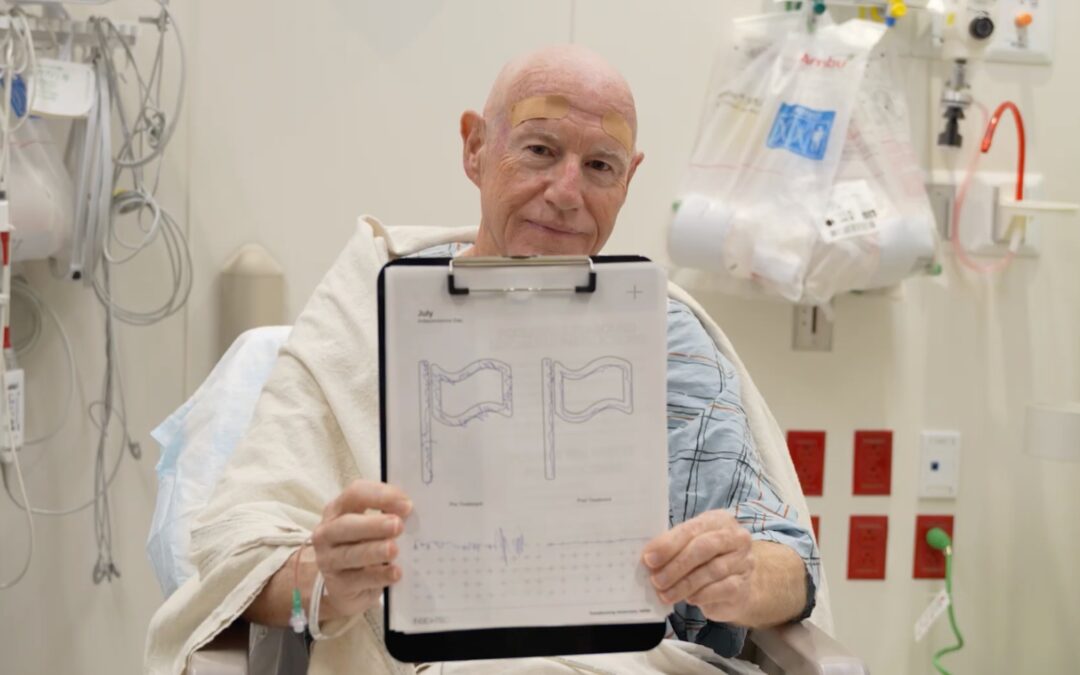
Ground-Breaking HiFu Treatment Re-Opens a Door
Innovative non-invasive essential tremor treatment puts car enthusiast back in the driver’s seat Dan lived with...
Full Patient Story: Chris’s Recovery After L4–5 Posterior Lumbar Interbody Fusion (PLIF)
How an L4–5 Posterior Lumbar Fusion Gave Chris Feeling in His Leg Again and His Life Back Chris was only in his early...
Back in the Game: Brian’s Recovery After C5–6 Disc Replacement
Neck pain and cervical radiculopathy stole his mobility, his golf swing, and his comfort, an artificial disc...

New Jersey Brain and Spine Launches $2000 Healthcare Scholarship to Support Next Generation of Healthcare Professionals
Investing in the future of healthcare: Annual scholarship open to high school and undergraduate students from or...