Intraventricular hemorrhage (IVH) is bleeding into the fluid-filled spaces deep inside the brain called ventricles. IVH mostly affects premature infants but can also strike adults suddenly, particularly after serious brain injury or stroke. To protect brain function and limit long-term complications, early diagnosis, specialized care, and ongoing follow-up are all essential.
What is intraventricular hemorrhage?
In a healthy brain, cerebrospinal fluid (CSF) flows freely through the ventricles and around the brain and spine, then is reabsorbed into the bloodstream to maintain normal pressure. But when bleeding fills or blocks the ventricles, CSF may not drain properly, leading to a dangerous buildup of fluid in the brain called hydrocephalus after IVH and increased intracranial pressure (ICP), which can cause brain injury.
Neonatal IVH: why premature babies are at risk
Premature infant IVH usually refers to bleeding in or around the germinal matrix, a vulnerable region near the ventricles. IVH in this age group almost always occurs in the first few days after birth. Research shows that IVH occurs in 10%–20% of premature infants born before 30 weeks of gestation and 20%–25% among babies with a very low birth weight, especially newborns weighing less than about 3.5 pounds.
Premature infants face multiple IVH risk factors, including:
- Unstable blood pressure
- Respiratory issues
- Fluctuations in oxygen levels
- Sepsis and other infections
Symptoms of IVH in newborns
Many cases of premature infant IVH have no obvious symptoms at first, which is why routine screening in the neonatal intensive care unit (NICU) is so important. When symptoms do appear, they may include:
- Apnea (pauses in breathing)
- Changes in heart rate or blood pressure
- Decreased reflexes
- Lethargy
- Changes in muscle tone
Other symptoms of premature infant IVH can include a high-pitched cry, seizures, or a bulging “soft spot” known as a fontanelle, on the baby’s head. These symptoms are not specific to IVH, so physicians rely on imaging tests to make a clear diagnosis and then assign a grade to the bleed.
Grading IVH in infants (Grades I–IV)
Physicians commonly describe neonatal Intraventricular hemorrhage using a four-grade scale that reflects how much bleeding has occurred and whether it has affected the brain tissue itself. This grading helps guide monitoring, treatment decisions, and discussions about prognosis with families.
- Grade I: Bleeding is limited to a small area near the ventricles (germinal matrix) and does not clearly fill the ventricles.
- Grade II: Blood is present inside the ventricles.
- Grade III: Enough blood has collected to enlarge the ventricles.
- Grade IV: Bleeding extends into the brain tissue around the ventricles.
Grades I and II of neonatal IVH are more common and often have fewer IVH risk factors or other complications. Grades III and IV are more serious and carry a higher risk of long-term brain injury.
How IVH is diagnosed in babies
In high-risk premature infants, standard NICU care typically includes routine head ultrasounds. The safe, painless test can be conducted bedside and repeated later to monitor for new bleeding or hydrocephalus. In complex IVH cases, additional imaging such as MRI may be used to look more closely at brain structures and injury.
Treatment of IVH in newborns
Specialists such as New Jersey Brain & Spine offer access to pediatric neurology and neurosurgery to treat babies with intraventricular hemorrhage, and developmental follow-up. Treating IVH focuses on supportive care, stabilizing the baby, and reducing the risk of complications. This includes careful monitoring of:
- Breathing
- Blood pressure
- Oxygen levels
- Blood counts
- Seizures
- Infections
If hydrocephalus after IVH develops, the care team may use temporary drainage procedures or, in some cases, insert a shunt (tube) via surgery to drain excess fluid.
Long-term outlook for infants with IVH
The long-term outcome after IVH depends on the baby’s gestational age, the severity (grade) of bleeding, any complications, and overall medical condition. Many infants with mild intraventricular hemorrhage (Grade I–II) can grow and develop normally or with only mild challenges, especially with early developmental support. Children with severe IVH can experience motor delay, cerebral palsy, hearing impairment and visual impairment, and lower performances in mental and psychomotor development, and IQ scores.
Specialists at New Jersey Brain & Spine treat IVH patients with longitudinal, multidisciplinary rehabilitation that includes neuromotor examinations, monitoring of language and cognitive development, and regular neurology follow-up to reduce IVH risk factors.
Case Study: Baby Anna’s IVH journey
Baby Anna was born at 3.3 pounds after 27 weeks of gestation. On admission to the NICU, clinicians conducted a routine cranial ultrasound. The imaging showed Anna had a germinal matrix hemorrhage with mild ventricular enlargement.
Anna’s parents received a consultation by specialists at New Jersey Brain & Spine, who developed a plan focused on stabilizing Anna to protect the brain. The team emphasized maintaining stable blood pressure, optimizing oxygenation and ventilation, careful fluid and nutrition support, and controlling intermittent apnea. The treatment targeted prevention of secondary injury and close monitoring for complications, such as seizures and hydrocephalus.
Four weeks later, as Anna’s head size continued increasing, neurosurgery teams placed a temporary device to drain excess blood. The successful procedure relieved intracranial pressure, reduced the speed at which her head was growing, and helped clear cerebrospinal fluid, all while avoiding the need to surgically insert a permanent shunt (tube) to drain excess fluid.
When Anna was discharged, she had scheduled follow-up with New Jersey Brain & Spine specialists. Her parents received education on symptoms to monitor, including vomiting, irritability, bulging fontanelle, and changes in feeding or alertness, with a clear plan for urgent neurosurgical evaluation if symptoms appeared.
By 2 years old, Anna was able to walk independently, use both hands for play, and feed herself. Her language development was mildly delayed compared to peers, but her language and social engagement were both within the normal range.
*Patient name and details changed to preserve anonymity.
IVH in adults: causes and risk factors
Intraventricular hemorrhage in adults is usually a complication of another serious brain event. Common causes include:
- Hemorrhagic stroke
- Ruptured brain aneurysm
- Arteriovenous malformations (AVMs)
- High-energy head trauma
Uncontrolled high blood pressure, blood-thinning medications, clotting disorders, and certain brain tumors can also contribute to adult IVH.
Symptoms and presentation of IVH in adults
Intraventricular hemorrhage in adults can start suddenly and may include an abrupt, severe headache, nausea and vomiting, confusion, or a rapid change in consciousness. Some patients may develop weakness or numbness on one side of the body, difficulty speaking, seizures, or collapse.
Because Intraventricular hemorrhage raises pressure inside the skull and can quickly threaten life, any sudden neurological change warrants immediate emergency evaluation by a specialist with neurosurgical capabilities such as New Jersey Brain & Spine physicians.
Diagnosis of IVH in adults
The first test for suspected IVH in adults is usually an urgent CT scan of the head, which can quickly show bleeding in the brain. If more detail is needed, MRI and additional vascular imaging (such as CT angiography or MR angiography) may help identify aneurysms, AVMs, or other underlying causes.
Doctors may repeat imaging to monitor how the bleed evolves, check for hydrocephalus, and guide further interventions such as external ventricular drainage or surgery.
Treatment strategies for adult IVH
Treatment for adult intraventricular hemorrhage depends on the cause, size, and location of the bleed, and the patient’s overall health. Core goals include:
- Controlling blood pressure
- Preventing further bleeding
- Protecting the brain from high pressure
- Addressing the underlying problem (such as treating a ruptured aneurysm)
If adult intraventricular hemorrhage leads to acute hydrocephalus after IVH or dangerously high intracranial pressure, neurosurgeons may place a traditional external ventricular drain (EVD) or the new and innovative IRRAflow for irrigating intracranial drain. Both remove excess CSF and blood from the ventricles. In select cases, neurovascular teams perform additional procedures such as endoscopic clot removal or aneurysm surgery.
Prognosis and recovery in adult IVH
Outcomes after adult intraventricular hemorrhage vary widely and are shaped by how quickly treatment begins, the severity of the bleed, the patient’s age, and other medical conditions. Some people recover well with intensive care and rehabilitation, while others may experience lasting cognitive, physical, or speech difficulties. Higher IVH severity, more extensive bleeding, hydrocephalus, or delayed treatment are associated with a higher risk of death or significant disability.
IVH treatment at New Jersey Brain & Spine helps adults recovering from IVH with physical, occupational, and speech therapy, so survivors can regain functions and adapt to long-term changes.
Why choose NJ Brain & Spine for IVH care
Families often choose to seek IVH treatment at New Jersey Brain & Spine because the range of services combines neonatal, pediatric, and adult neurovascular expertise under one roof. Our comprehensive, multidisciplinary team delivers NICU-level monitoring for premature infants, advanced neurovascular surgery for adults, and neuro-critical care for all ages. Having pediatric and adult neuro-specialists, neo-natal neuro-ICU care, neurovascular surgery, critical care, and follow-up, all help to ensure a smooth transition of care as a child grows or an adult patient moves to rehabilitation.
When to seek care and what to do next
Parents of premature infants should work closely with their NICU team to understand:
- IVH screening plans
- Ultrasound results
- Signs of hydrocephalus
- Developmental concerns after discharge
Adults, especially people with risk factors like high blood pressure or known aneurysms, should seek emergency care immediately for:
- Sudden severe headaches
- New weakness or numbness
- Trouble speaking
- Seizures
- Abrupt changes in consciousness
After hospital care, patients and families seeking intraventricular hemorrhage treatment at New Jersey Brain & Spine can arrange a specialist evaluation, second opinions, and ongoing management of hydrocephalus, stroke, and recovery needs. If there are questions about intraventricular hemorrhage in a premature infant or adult, or concerns about symptoms that might suggest a brain bleed, connecting promptly with a local neuro-ICU or brain and spine specialist can help ensure timely diagnosis and expert treatment planning.
Contact our care team for an evaluation and specialist care.
Frequently Asked Questions (FAQs) about IVH
What is intraventricular hemorrhage (IVH)?
What causes IVH?
What long-term problems can result from IVH?
What treatment options exist for IVH?
Have More Questions about This Condition
New Jersey Brain and Spine Earns #3 National Ranking For Neurosurgical Practices
New Jersey Brain and Spine has once again been recognized among the nation’s elite neurosurgical practices—this time...

Patient Story: Patient Gets Fitness Career Back in Shape Thanks to Dr. Roth
Robin Bray is the owner of FitnessBarre™, a popular local workout studio in Midland Park, New Jersey. The...
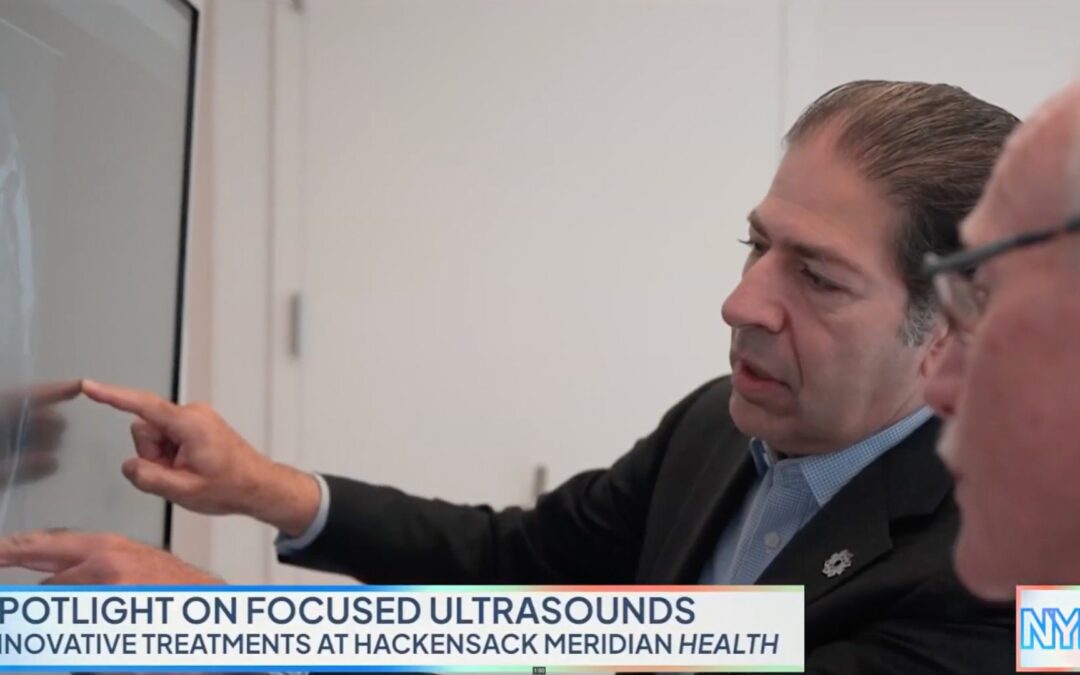
NJBS Highlighted for Advanced Tremor Treatment With Hackensack Meridian Health
New Jersey Brain & Spine was recently featured alongside Hackensack Meridian Health, highlighting the impact of...

Patient Story: Ashley’s Recovery After Cervical Disc Herniation
A stroke at birth left Ashley with cerebral palsy and limited mobility on her right side. So when she woke up at 1...

Back on the Competition Track: A Young Athlete’s Recovery After L4–L5 Disc Herniation Surgery
Severe nerve compression brought life to a halt—lumbar microdiscectomy helped him reclaim strength, mobility, and...
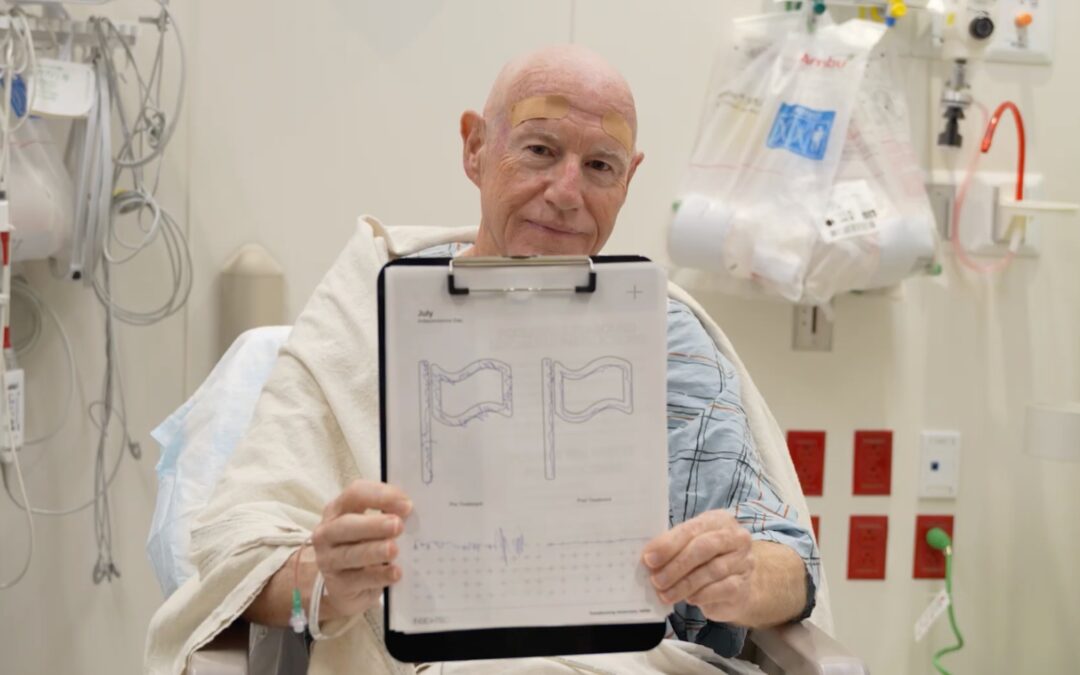
Ground-Breaking HiFu Treatment Re-Opens a Door
Innovative non-invasive essential tremor treatment puts car enthusiast back in the driver’s seat Dan lived with...
Full Patient Story: Chris’s Recovery After L4–5 Posterior Lumbar Interbody Fusion (PLIF)
How an L4–5 Posterior Lumbar Fusion Gave Chris Feeling in His Leg Again and His Life Back Chris was only in his early...

Back in the Game: Brian’s Recovery After C5–6 Disc Replacement
Neck pain and cervical radiculopathy stole his mobility, his golf swing, and his comfort, an artificial disc...

New Jersey Brain and Spine Launches $2000 Healthcare Scholarship to Support Next Generation of Healthcare Professionals
Investing in the future of healthcare: Annual scholarship open to high school and undergraduate students from or...