“Dr. Schmaus is the best in the business. He is very knowledgeable kind and takes the time to explain everything in detail. “
Carotid Artery Stenosis: Understanding Stroke Risk and Treatment Options 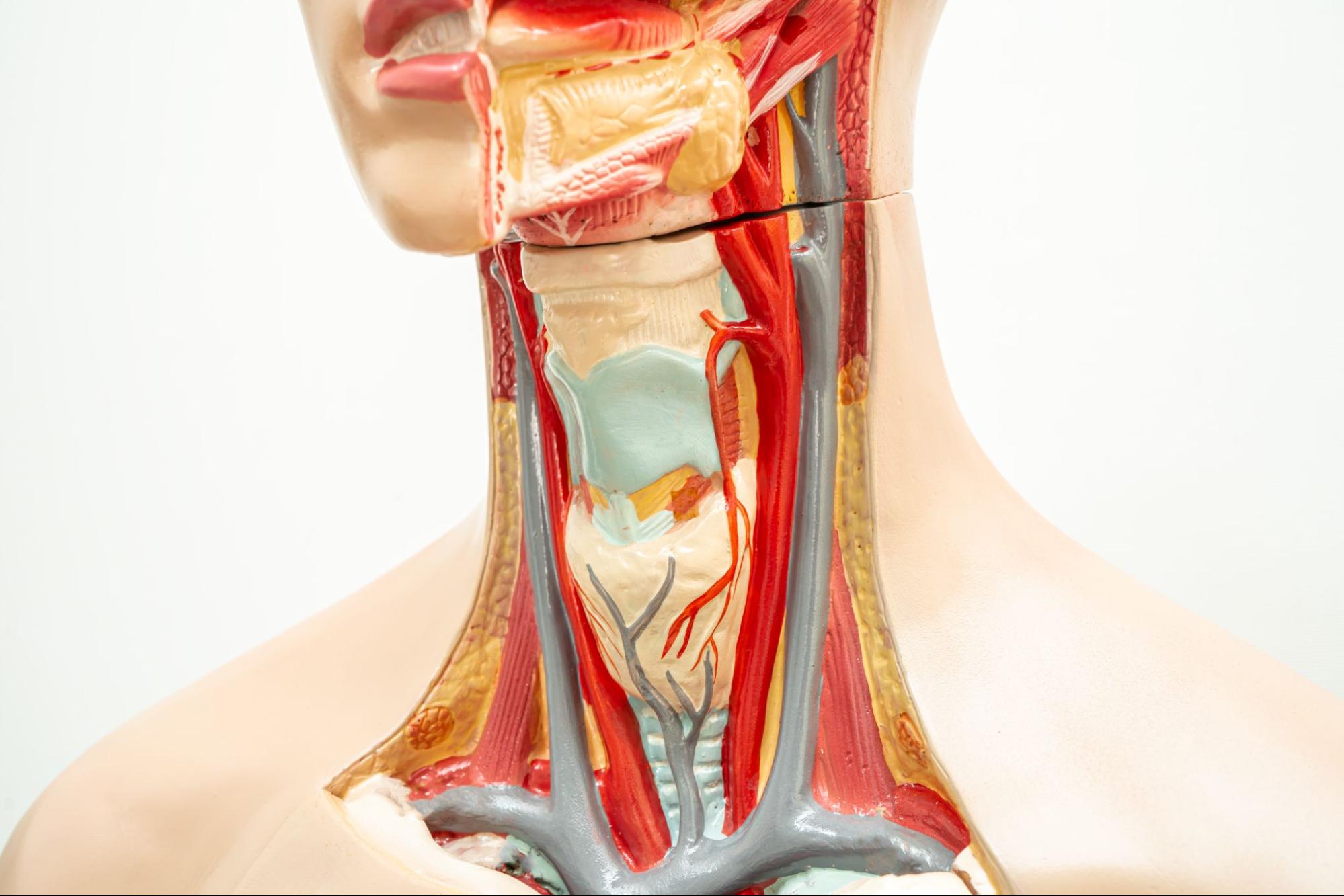
Carotid Artery Stenosis: Understanding Stroke Risk and Treatment Options
A carotid artery stenosis diagnosis often arrives unexpectedly, sometimes found during a routine physical when a doctor hears an unusual sound while listening to the neck, sometimes discovered after a patient has already had a warning stroke symptom. Either way, the central question patients want answered is the same: how worried should I be about having a stroke, and what, if anything, should be done about it now. That answer depends heavily on specifics: how narrowed the artery actually is,...
read more about Carotid Artery Stenosis: Understanding Stroke Risk and Treatment Options Pituitary Tumor Symptoms: The Subtle Signs That Get Missed 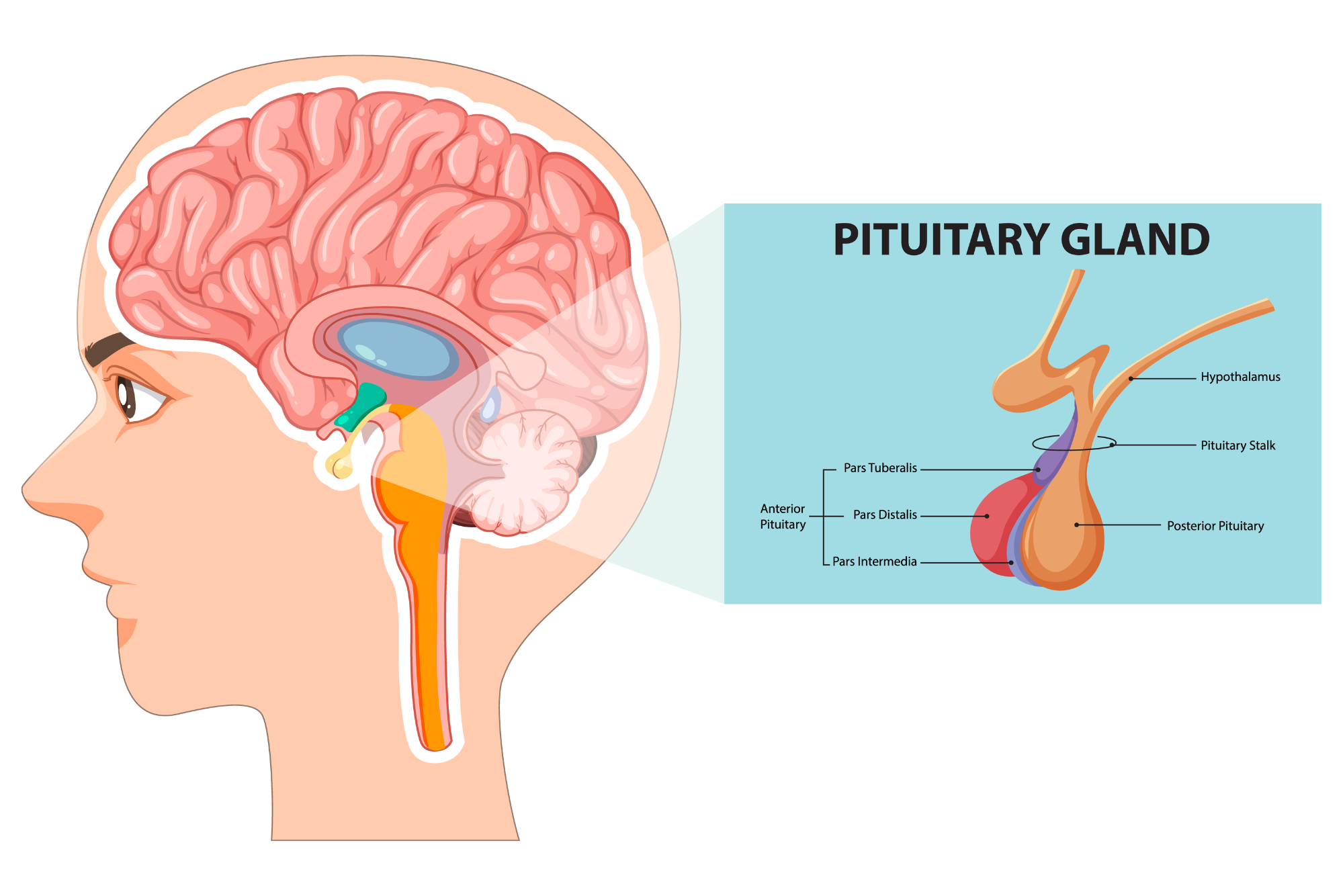
Pituitary Tumor Symptoms: The Subtle Signs That Get Missed
One of the more difficult diagnoses to catch early in neurosurgery isn't the one with dramatic symptoms. It's a pituitary tumor. Patients often spend months, sometimes years, moving between an endocrinologist, an ophthalmologist, a gynecologist, and a primary care doctor before anyone connects the dots. That's because the pituitary gland, a structure roughly the size of a pea sitting at the base of the brain, controls hormones that touch nearly every system in the body. When a tumor grows there,...
read more about Pituitary Tumor Symptoms: The Subtle Signs That Get Missed Brain Aneurysm Surgery Recovery: A Week-by-Week Guide 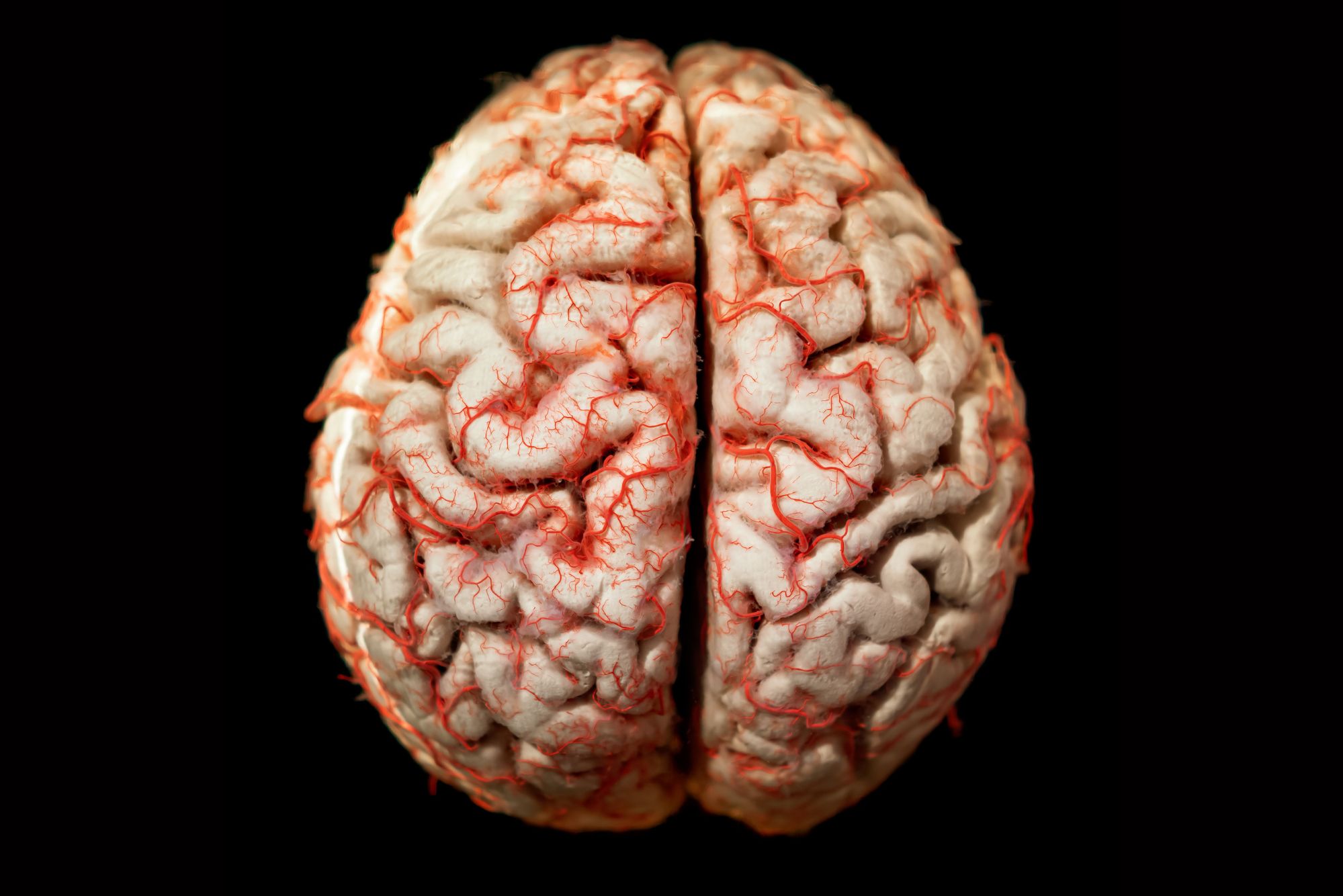
Brain Aneurysm Surgery Recovery: A Week-by-Week Guide
Patients and families facing brain aneurysm surgery are usually navigating two very different emotional realities. Some are recovering from a ruptured aneurysm and a genuine medical emergency, while others are addressing an unruptured aneurysm found incidentally, with time to plan and prepare. The recovery path differs meaningfully between these two situations, and it's worth understanding both before assuming a single timeline applies to every patient. Two Starting Points: Ruptured vs. Unruptured Aneurysm Treatment An aneurysm is a weakened, bulging area...
read more about Brain Aneurysm Surgery Recovery: A Week-by-Week Guide Minimally Invasive Microdiscectomy: How It Differs from Traditional Disc Surgery 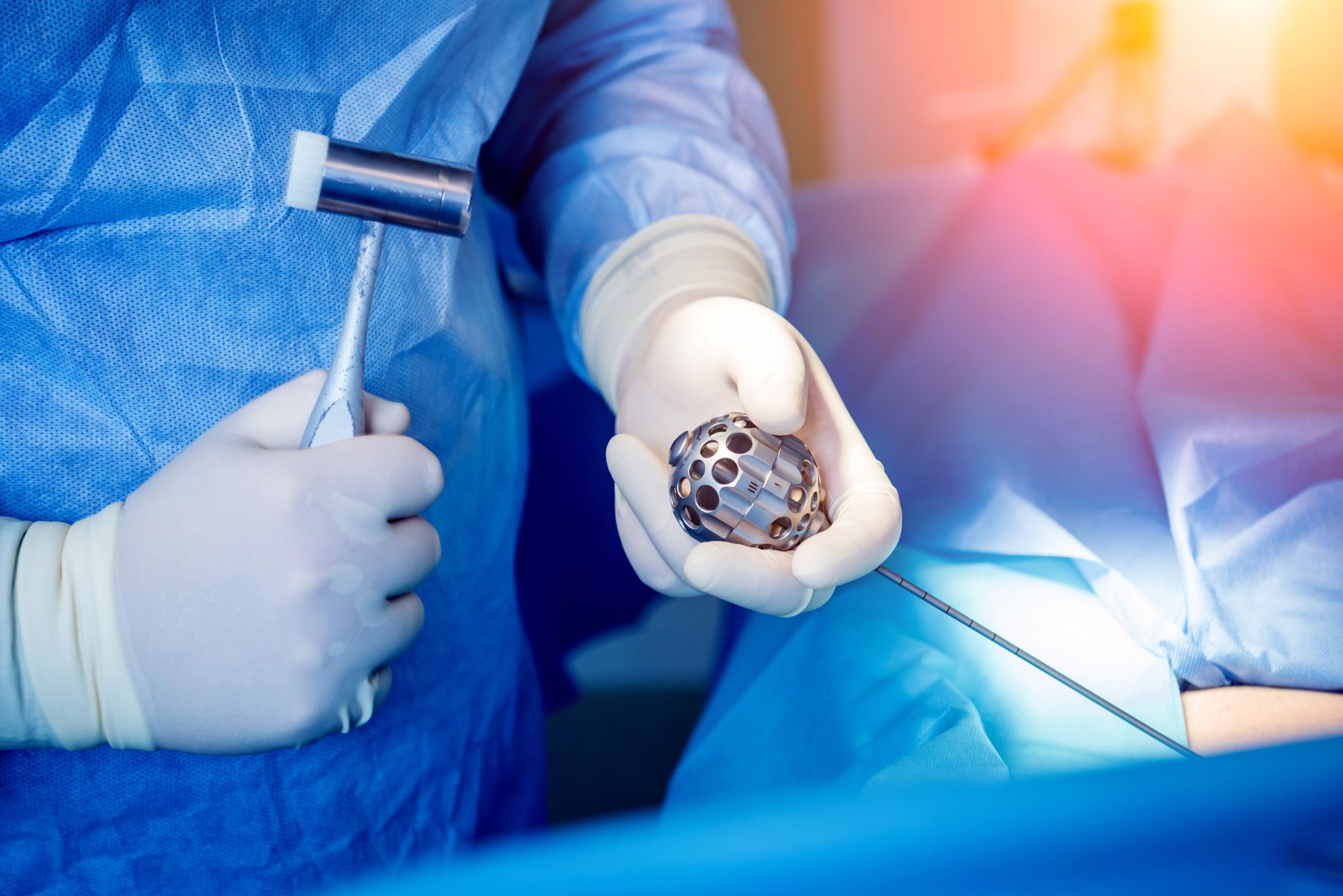
Minimally Invasive Microdiscectomy: How It Differs from Traditional Disc Surgery
When a patient with a herniated disc finally reaches the point of considering surgery, one of the first questions I hear is whether it has to mean a large incision and a long hospital stay. For most patients with a straightforward disc herniation causing leg pain, the answer today is no. Microdiscectomy is a well-established surgical treatment for herniated discs, and minimally invasive techniques can allow surgeons to remove the disc fragment through a smaller surgical corridor with less disruption...
read more about Minimally Invasive Microdiscectomy: How It Differs from Traditional Disc Surgery Meningioma: What a Diagnosis Really Means 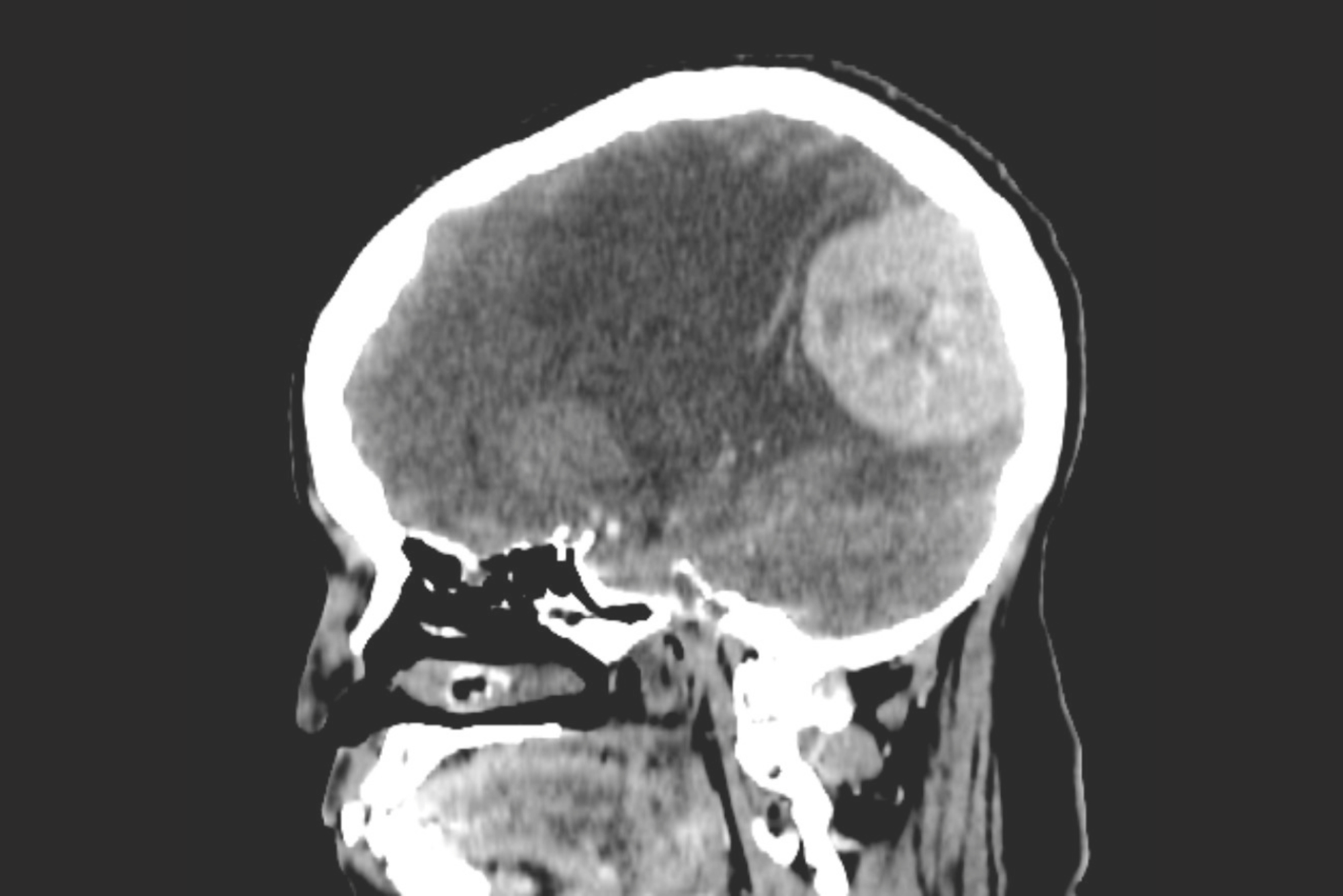
Meningioma: What a Diagnosis Really Means
When a patient's brain MRI shows a mass and it turns out to be a meningioma, relief and fear often arrive in the same conversation. Meningiomas are the most common primary brain tumor we see in adults, and the vast majority are benign. But "benign" is a word that needs unpacking, because what a meningioma diagnosis actually means for a given patient depends heavily on where it is, how big it is, and whether it's causing any symptoms at all....
read more about Meningioma: What a Diagnosis Really Means Scoliosis in Adults: When Spinal Curvature Needs Surgical Correction 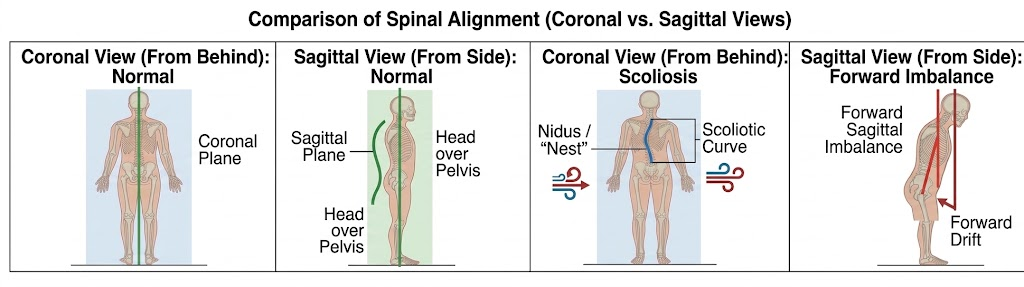
Scoliosis in Adults: When Spinal Curvature Needs Surgical Correction
When most people hear the word "scoliosis," they picture a teenager being screened at school for a sideways curve in the back. But a large share of the scoliosis patients we evaluate at New Jersey Brain and Spine are adults, often in their 50s, 60s, and 70s, who never had a spine problem growing up. They come in describing back pain, leg pain, a sense that they are leaning forward or to one side, or that walking any real distance...
read more about Scoliosis in Adults: When Spinal Curvature Needs Surgical Correction Trigeminal Neuralgia Treatments Compared: MVD vs. Gamma Knife vs. Rhizotomy 
Trigeminal Neuralgia Treatments Compared: MVD vs. Gamma Knife vs. Rhizotomy
When a patient comes in describing trigeminal neuralgia, the story is almost unmistakable. They talk about a sudden, severe jolt of pain across one side of the face, often compared to an electric shock or a lightning strike. It may last only seconds, but it can stop a person mid-sentence. What makes it so distressing is how easily it is triggered: a light touch to the cheek, a gust of wind, chewing a meal, brushing the teeth, or even talking...
read more about Trigeminal Neuralgia Treatments Compared: MVD vs. Gamma Knife vs. Rhizotomy New FDA-Approved Onyx™ 12 Expands Minimally Invasive Treatment Options for Cerebrovascular Conditions 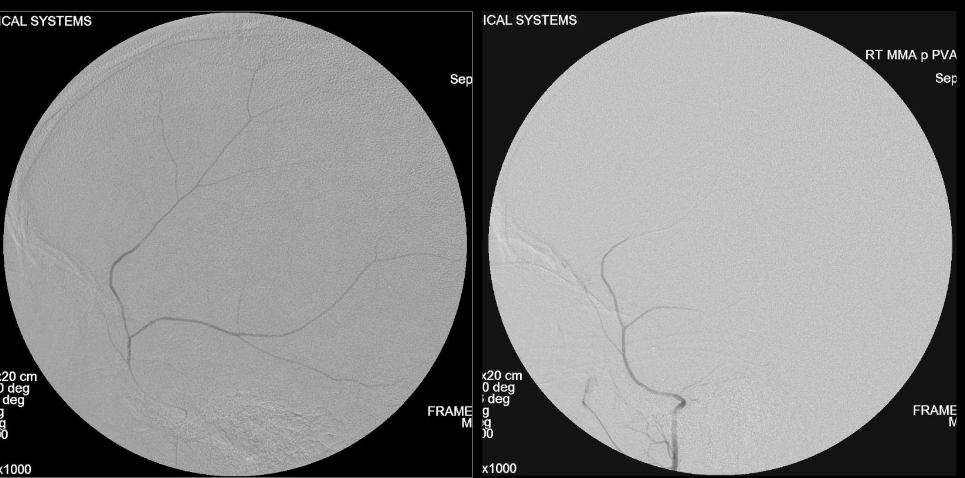
New FDA-Approved Onyx™ 12 Expands Minimally Invasive Treatment Options for Cerebrovascular Conditions
Advances in endovascular neurosurgery continue to change how we treat complex cerebrovascular conditions, often allowing us to reach and treat areas of the brain’s vascular system through minimally invasive, catheter-based approaches. One of the newest tools available to us is Onyx™ 12, a recently FDA-approved liquid embolic technology. I recently had the opportunity to become among the first physicians in New Jersey to use Onyx 12, adding another advanced option to the technologies available to our cerebrovascular team at New...
read more about New FDA-Approved Onyx™ 12 Expands Minimally Invasive Treatment Options for Cerebrovascular Conditions Early Warning Signs of Cervical Stenosis (And Why They’re Easy to Dismiss) 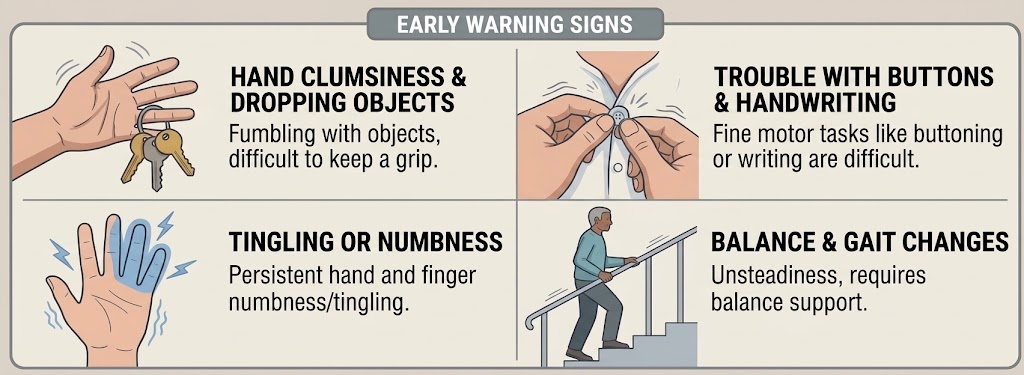
Early Warning Signs of Cervical Stenosis (And Why They’re Easy to Dismiss)
When a patient first comes in describing cervical stenosis symptoms, they rarely lead with the word "spine." More often, they say something like, "My hands have gotten clumsy," or "I keep dropping my coffee cup," or "My handwriting looks different lately." These early changes are subtle, they come on slowly, and they are remarkably easy to write off as normal aging, arthritis, or a pinched nerve at the wrist. That is exactly what makes cervical stenosis worth understanding: the earliest...
read more about Early Warning Signs of Cervical Stenosis (And Why They’re Easy to Dismiss)