Recurrent Schwannoma: Management Strategies for Tumor Recurrence

A schwannoma is a rare type of tumor that forms in the body’s nervous system and grows from Schwann cells. Schwannoma tumors are often benign and slow growing, which means that they are not cancerous. But, in some cases, they may become cancerous.
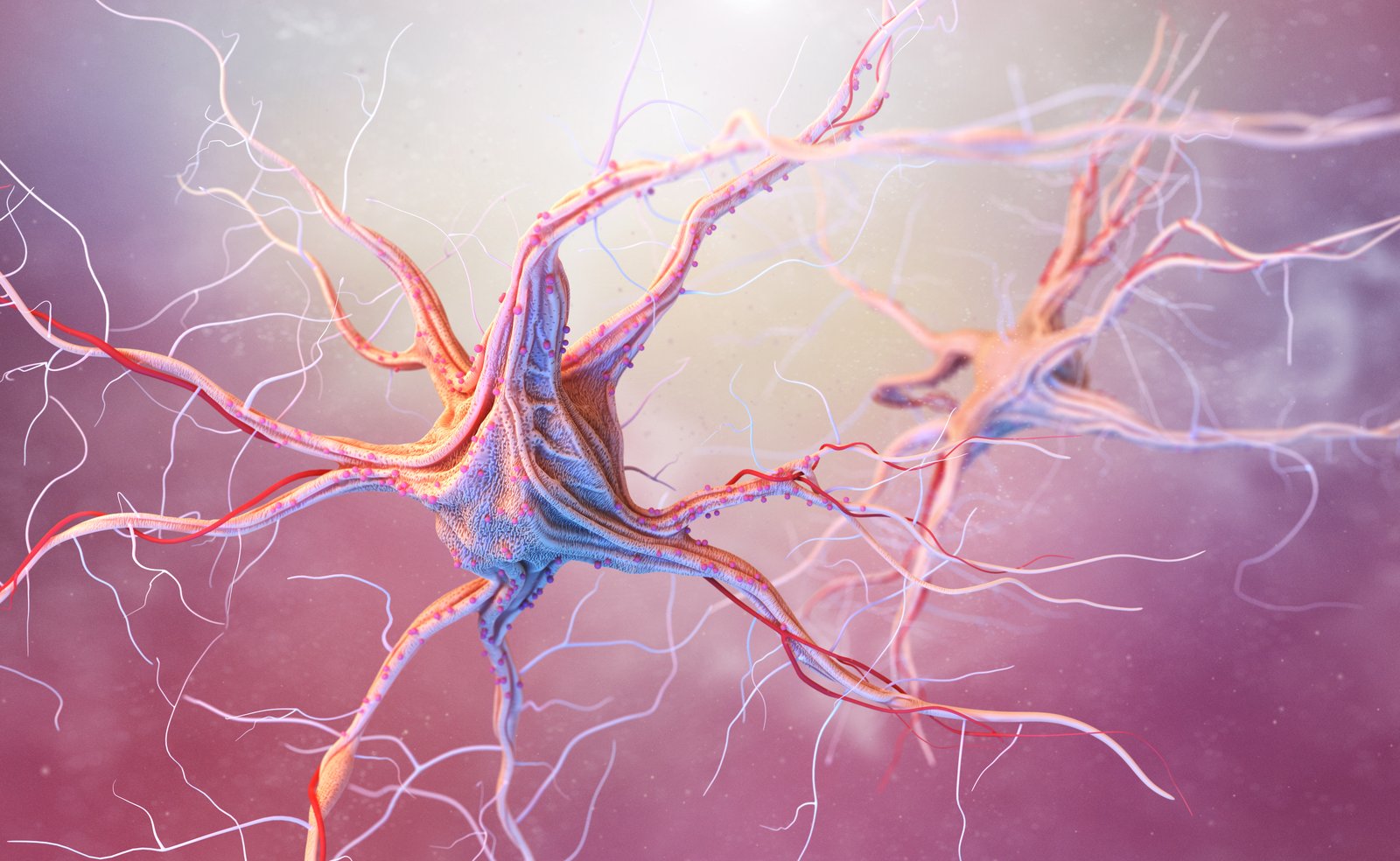
Schwann cells assist the conduction of nerve impulses. They wrap around peripheral nerves and provide protection and support. The body’s peripheral nervous system includes nerves that travel from your spinal cord and brain to carry signals to and from the rest of your body. Schwannomas can often appear in nerves that enable sensations and motion within the arms, legs, face and eyes or skin.
Schwannomas are rare, affecting fewer than 200,000 people each year in the United States. They most often occur on the spinal nerves, peripheral nerves (in the extremities) but can also occur in the cranial nerves inside the skull.
Treatment for schwannoma depends on where the tumor is located and how quickly it is growing. Your physician will recommend an individual treatment plan that may include the following:
Because schwannomas vary so much depending on their location, you will want to discuss schwannoma treatment options with your physician.
Your treatment plan will also depend on whether your schwannoma is malignant. Again, the vast majority of schwannomas are non-cancerous, and a biopsy can confirm your specific diagnosis. Schwannomas are only malignant in about 5% of cases, at which point they become known as soft tissue sarcomas or malignant peripheral nerve sheath tumors.
It may be possible that your tumor is both benign and slow growing enough that surgery and other treatments aren’t required. In that case, your doctor may just want to monitor your schwannoma and check its size with imaging tests at regular intervals.
Schwannomas have a relatively low recurrence rate, but this can vary depending on the type of initial treatment and tumor location. Research has shown that recurrence of spinal schwannomas is reported in less than 5% of surgical patients, with recurrence typically occurring several years after the initial surgical resection.
If you are seeking treatment for a schwannoma, or would like an expert second opinion on your condition, the compassionate physicians and neurosurgeons of New Jersey Brain and Spine have decades of experience providing innovative approaches and personalized care for patients.
We are able to specifically tailor your schwannoma treatment plan based on your individual condition and goals. For more information, contact us today.