Epidural steroid injections and nerve blocks are nonsurgical treatments for back pain, neck pain and sciatica. They place medication exactly where the pain starts, which can calm an irritated nerve, help the patient move more comfortably and, in many cases, avoid surgery. At New Jersey Brain and Spine, these procedures are performed by the physiatrists of our Pain Management and Physiatry Center.
What Is an Epidural Steroid Injection?
An epidural steroid injection delivers an anti-inflammatory steroid, usually with a numbing medicine, into the epidural space around the spinal nerves. When a herniated disc, bone spur or narrowing of the spine presses on a nerve, the nerve becomes inflamed and painful. Reducing that inflammation gives the nerve room to recover. As Dr. Paul S. Chirichella explains, an epidural is not just masking pain; it creates the space a pinched nerve needs to heal.
Conditions treated with epidural steroid injections
- Sciatica and other pain that travels into the arm or leg (radiculopathy)
- Herniated or bulging discs
- Spinal stenosis
- Pinched nerves in the neck or lower back
Epidural injections work best for pain that radiates into the arms or legs. They are less effective for back pain that stays in the back without nerve symptoms.
How the injection is performed
The procedure is done in an outpatient setting and takes only a few minutes. The patient lies on a table while the physician uses live X-ray guidance (fluoroscopy) and a small amount of contrast dye to guide the needle to the right spot. The medication may be placed next to the specific nerve root (transforaminal), between the vertebrae (interlaminar) or at the base of the spine (caudal), depending on the source of the pain. Most patients go home shortly afterward.
What Is a Nerve Block?
A nerve block places numbing medicine around a specific nerve to calm pain in the area that nerve supplies. Nerve blocks are used both to treat pain and to find its source: if a block relieves the pain, the physician knows which nerve is involved.
Facet joint pain and medial branch blocks
Arthritis in the small facet joints of the spine is a common cause of ongoing neck and back pain. A medial branch block numbs the small nerves that carry pain signals from these joints. If the block brings clear relief, the patient may be a candidate for radiofrequency ablation.
Radiofrequency ablation
Radiofrequency ablation (RFA) uses gentle heat to interrupt the nerves that carry pain from the facet joints. Relief typically lasts 6 to 12 months, and the procedure can be repeated if pain returns.
What to Expect After an Injection
Some patients feel relief right away from the numbing medicine, while the steroid usually takes a few days to start working. Soreness at the injection site is common for a day or two. Benefits can last from weeks to many months, and some patients need more than one injection. Epidural steroid injections are generally limited to three or four per year. Injections work best as part of a broader plan that includes physical therapy and exercise.
Risks and Side Effects
Epidural steroid injections and nerve blocks are considered low-risk procedures. Possible side effects include temporary soreness, facial flushing, trouble sleeping and a short-term rise in blood sugar, which patients with diabetes should watch closely. Serious complications are rare. Patients should call their doctor right away if they develop a fever, a severe headache, new numbness or weakness, or loss of bladder or bowel control after an injection.
Who Is a Candidate?
These procedures may be a good fit for patients whose back pain, neck pain or sciatica has not improved with rest, medication and physical therapy, and for patients who want to delay or avoid surgery. Your physician will review your symptoms, exam and imaging to decide which injection, if any, is right for you.
Why Choose New Jersey Brain and Spine
At New Jersey Brain and Spine, physiatrists and spine surgeons work side by side. Patients can start with nonsurgical treatments like injections and physical therapy, and if surgery is ever needed, the same team is ready to help. With offices across New Jersey, Dr. Paul S. Chirichella and Dr. Peter Schmaus offer consultations for patients dealing with ongoing nerve and spine pain.
Frequently Asked Questions (FAQs) About Epidural Steroid Injections and Nerve Blocks
Do epidural steroid injections hurt?
How long does an epidural steroid injection last?
What is the difference between an epidural and a nerve block?
Can an injection help me avoid surgery?
How long does radiofrequency ablation last?
Do I have to hold medications?
Sources
Have More Questions about This Condition
New Jersey Brain and Spine Earns #3 National Ranking For Neurosurgical Practices
New Jersey Brain and Spine has once again been recognized among the nation’s elite neurosurgical practices—this time...
Patient Story: Patient Gets Fitness Career Back in Shape Thanks to Dr. Roth
Robin Bray is the owner of FitnessBarre™, a popular local workout studio in Midland Park, New Jersey. The...
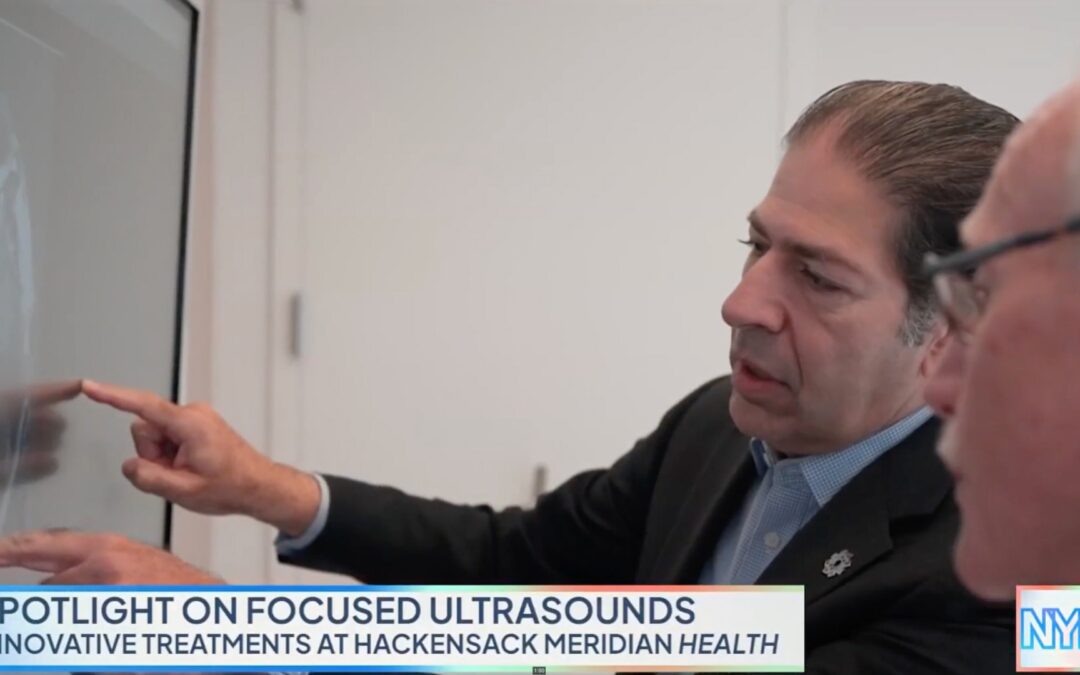
NJBS Highlighted for Advanced Tremor Treatment With Hackensack Meridian Health
New Jersey Brain & Spine was recently featured alongside Hackensack Meridian Health, highlighting the impact of...

Patient Story: Ashley’s Recovery After Cervical Disc Herniation
A stroke at birth left Ashley with cerebral palsy and limited mobility on her right side. So when she woke up at 1...

Back on the Competition Track: A Young Athlete’s Recovery After L4–L5 Disc Herniation Surgery
Severe nerve compression brought life to a halt—lumbar microdiscectomy helped him reclaim strength, mobility, and...
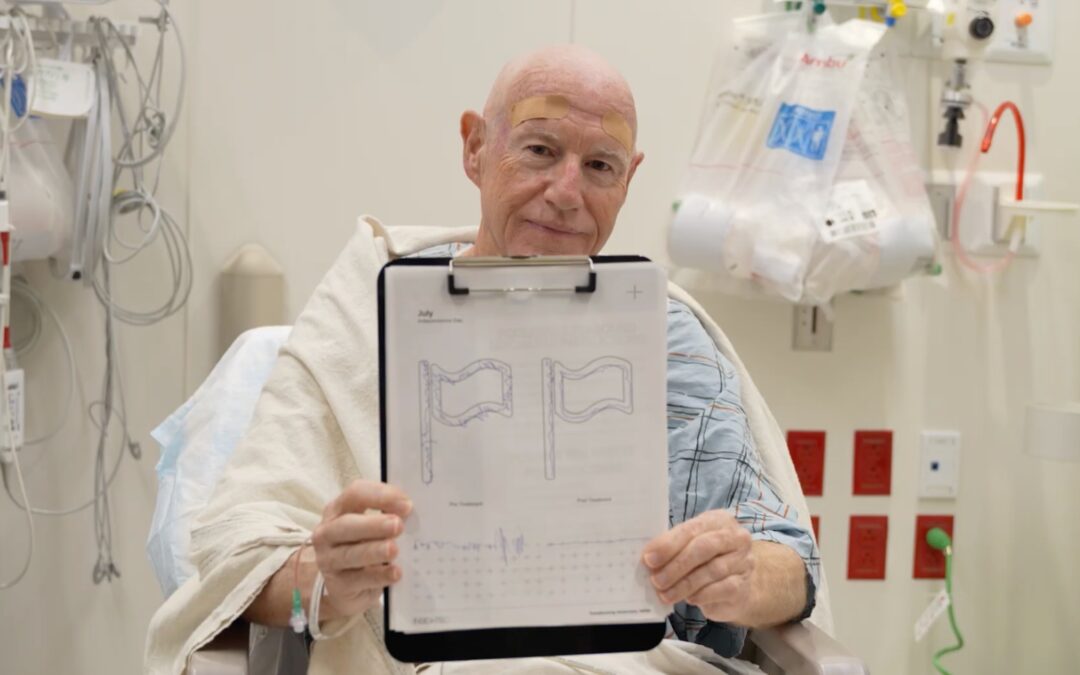
Ground-Breaking HiFu Treatment Re-Opens a Door
Innovative non-invasive essential tremor treatment puts car enthusiast back in the driver’s seat Dan lived with...
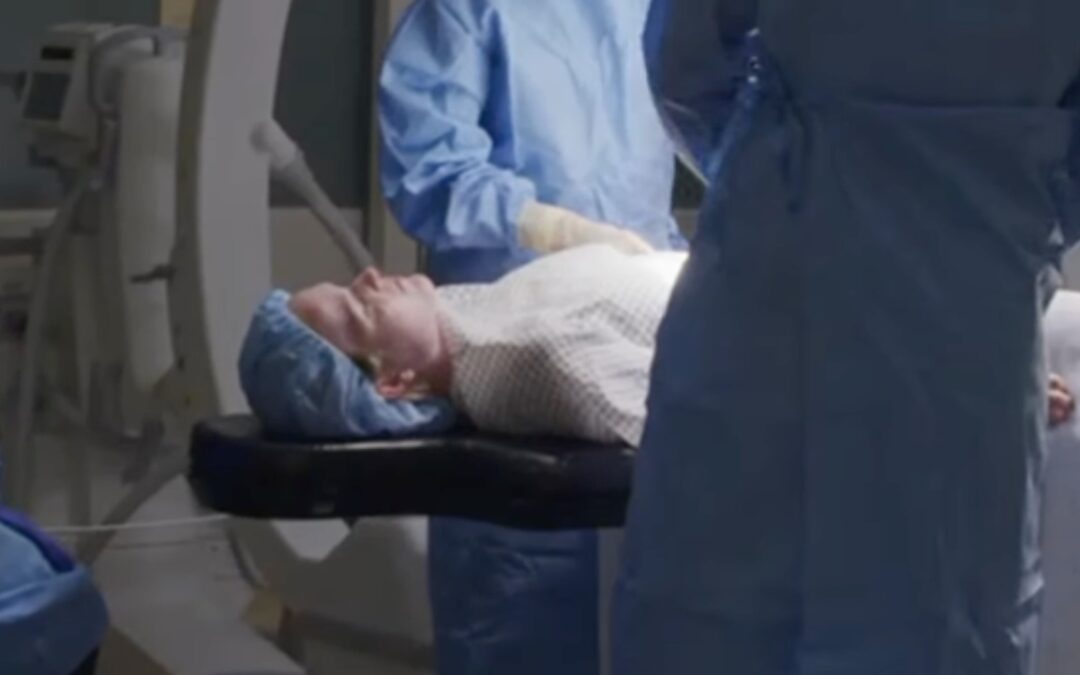
Full Patient Story: Chris’s Recovery After L4–5 Posterior Lumbar Interbody Fusion (PLIF)
How an L4–5 Posterior Lumbar Fusion Gave Chris Feeling in His Leg Again and His Life Back Chris was only in his early...
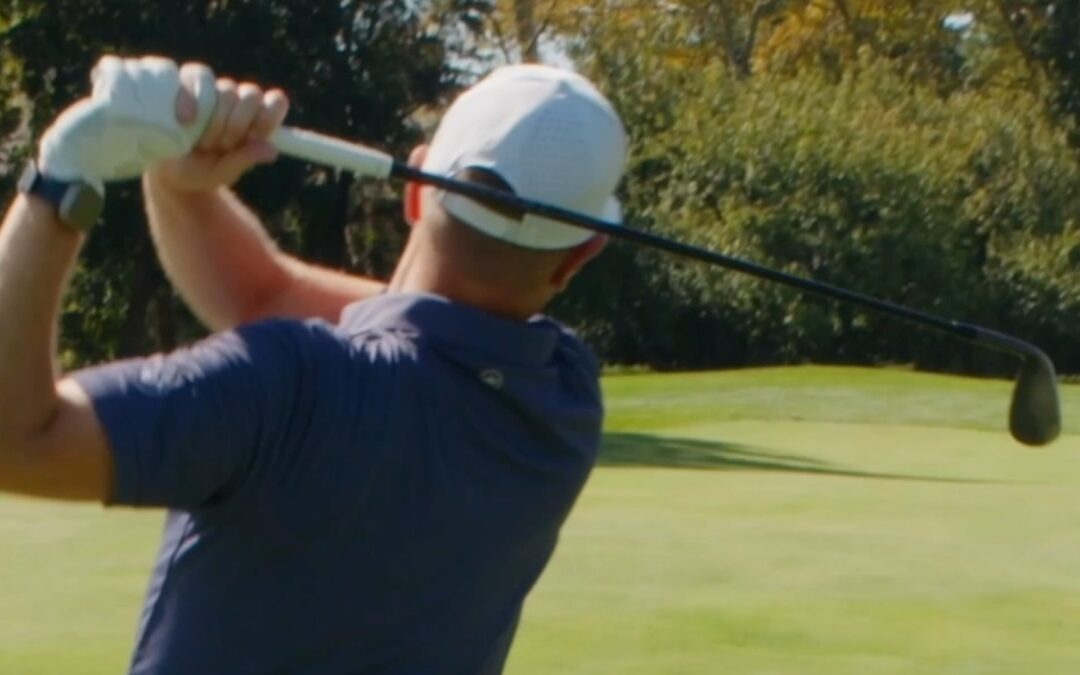
Back in the Game: Brian’s Recovery After C5–6 Disc Replacement
Neck pain and cervical radiculopathy stole his mobility, his golf swing, and his comfort, an artificial disc...

New Jersey Brain and Spine Launches $2000 Healthcare Scholarship to Support Next Generation of Healthcare Professionals
Investing in the future of healthcare: Annual scholarship open to high school and undergraduate students from or...