Understanding Spinal Arteriovenous Malformations (Spine AVMs): A Comprehensive Guide for Patients
If you or a loved one has been diagnosed with a spinal arteriovenous malformation (Spine AVM), you may be feeling overwhelmed and uncertain about what this means for your future. While a spine AVM diagnosis can feel frightening, spinal AVMs are treatable conditions, and with proper care, many patients go on to live full, active lives.
Spinal arteriovenous malformations are a rare form of spinal blood vessel defect that results in tangles of blood vessels between the arteries and veins in, on, or near the spinal cord. Normally, capillaries, the smallest type of blood vessel, form a bridge between the arteries and veins and handle the transfer of nutrients and waste between blood and surrounding tissues. In a spine AVM, however, the capillaries are missing, which allows blood to flow directly from the artery to the vein. This can cause an increase in pressure that can lead to swelling and weakness in the veins.
How Serious are Spine AVMs?
Spine AVMs can affect the spinal cord in several ways, including causing the veins to enlarge and potentially compress the spinal cord. The seriousness of a spinal AVM largely depends on its type, location, size, and how long it has been affecting the spinal cord. The most concerning aspect of AVMs is that they can cause progressive neurological deterioration if left untreated.
Spinal AVMs can also sometimes bleed, which can cause sudden, severe symptoms. Many patients with spinal AVMs never experience bleeding, however, and with proper treatment, it’s often possible to prevent this complication entirely.
What are the Symptoms of Spine AVMs?
Spinal arteriovenous malformation symptoms can develop slowly and worsen over time. Many individuals may not experience any symptoms at all.
If left untreated, spinal AVMs can lead to symptoms like progressive weakness in the legs, numbness or tingling, difficulty walking, or problems with bladder and bowel control. Some patients experience back pain or a feeling of heaviness in their legs.
Physical symptoms can include:
- Upper, mid, or low back pain
- Weakness
- Clumsiness
- Numbness
- The “pins and needles” sensation
- Loss of bladder/bowel control
- Sexual dysfunction
Neurological symptoms can include:
- Problems walking
- Tremors, muscle stiffness, or difficulty in coordinating small hand movements
What are the Treatment Options for Spine AVMs?
The definitive diagnosis for a spinal AVM usually requires spinal angiography imaging. During this imaging test, physicians will inject contrast dye directly into the blood vessels and take real-time X-ray pictures. This helps the treatment team identify where the abnormal connections are, how large they are, and which blood vessels are involved.
At New Jersey Brain and Spine, our team of highly specialized neurosurgeons works with patients to determine the best and least invasive course of treatment for their individual case. In many instances, minimally invasive spine surgery is recommended, to help reduce pressure and restore the normal flow of blood. Treatment options may include:
- Endovascular treatment in which we use a catheter to navigate directly to the abnormal connection and block it off (this procedure typically takes a few hours).
- Surgical treatment in which we surgically remove the AVM.
- Radiosurgery in which we use radiation beams to gradually close off the AVM over time.
Case Study: Successful Treatment of a Patient with a Spinal AVM
John, a 48-year-old construction foreman, visited New Jersey Brain and Spine after experiencing months of progressively worsening weakness in his legs and difficulty walking. What started as occasional numbness in his feet had gradually evolved into significant weakness that made climbing stairs exhausting and walking more than a block nearly impossible. An MRI revealed changes in his spinal cord that led to a spinal angiography—which revealed a spinal AVM.
His neurosurgeon performed an endovascular embolization, a minimally invasive procedure where a catheter was navigated through his blood vessels to the exact location of the abnormal connection and sealed off with medical glue. The procedure took about two hours, and John went home the next day feeling optimistic but cautious about his recovery. Within six weeks, he was walking normally, and by three months, he had returned to full work duties and is thriving.
What Kind of Doctor Treats Spine AVMs?
The primary specialists who treat spinal AVMs include neurosurgeons who subspecialize in vascular or endovascular neurosurgery. At New Jersey Brain and Spine, we’re trained in both open surgical techniques and minimally invasive catheter-based treatments, offering patients the full spectrum of treatment options. When seeking care for a spinal AVM, look for specialists like those at New Jersey Brain and Spine who have specific experience treating these rare conditions.
Why Choose NJBS for Spine AVM Treatment?
At New Jersey Brain and Spine, one of the top 10 neurosurgery practices in the country, our dedicated, expert team is highly experienced and highly specialized in the treatment of spinal AVMs. If you are experiencing any symptoms that concern you, contact New Jersey Brain and Spine today.
Frequently Asked Questions (FAQs) about Spine AVMs
What is a spinal AVM?
What are the symptoms of a spinal AVM?
What types of spinal AVMs are there?
How is a spinal AVM diagnosed?
What are the treatment options for spinal AVM?
Is a spinal AVM life-threatening?
Can a spinal AVM come back after treatment?
What is the recovery like after spinal AVM surgery or embolization?
When should I see a spine specialist in New Jersey for AVM symptoms?
Have More Questions about This Condition
New Jersey Brain and Spine Earns #3 National Ranking For Neurosurgical Practices
New Jersey Brain and Spine has once again been recognized among the nation’s elite neurosurgical practices—this time...
Patient Story: Patient Gets Fitness Career Back in Shape Thanks to Dr. Roth
Robin Bray is the owner of FitnessBarre™, a popular local workout studio in Midland Park, New Jersey. The...
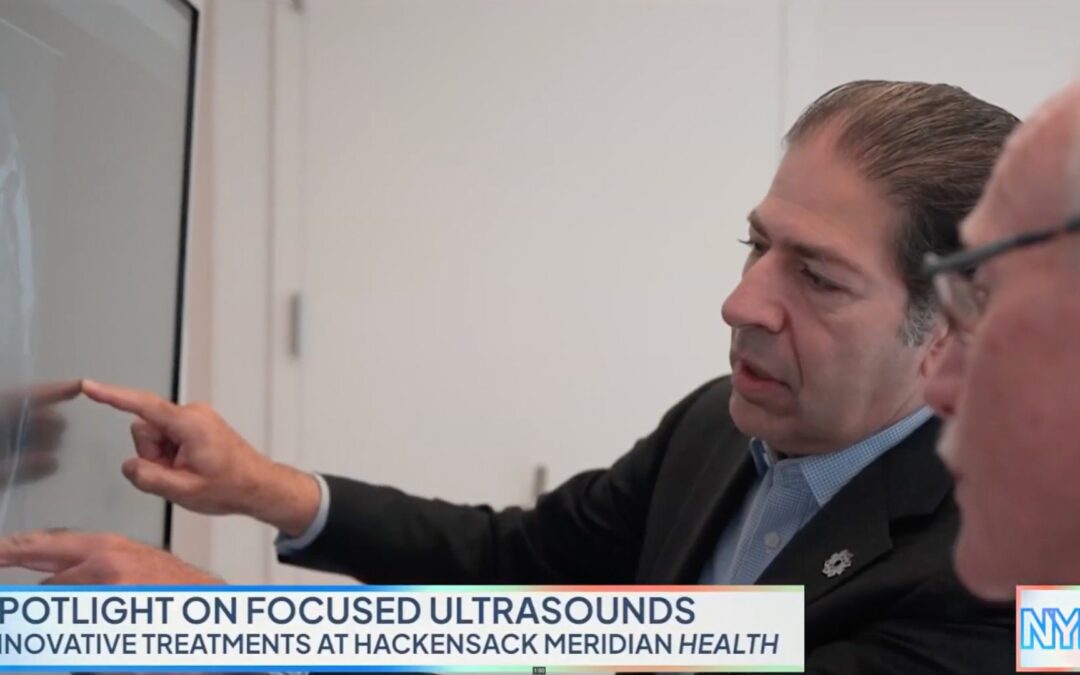
NJBS Highlighted for Advanced Tremor Treatment With Hackensack Meridian Health
New Jersey Brain & Spine was recently featured alongside Hackensack Meridian Health, highlighting the impact of...

Patient Story: Ashley’s Recovery After Cervical Disc Herniation
A stroke at birth left Ashley with cerebral palsy and limited mobility on her right side. So when she woke up at 1...

Back on the Competition Track: A Young Athlete’s Recovery After L4–L5 Disc Herniation Surgery
Severe nerve compression brought life to a halt—lumbar microdiscectomy helped him reclaim strength, mobility, and...
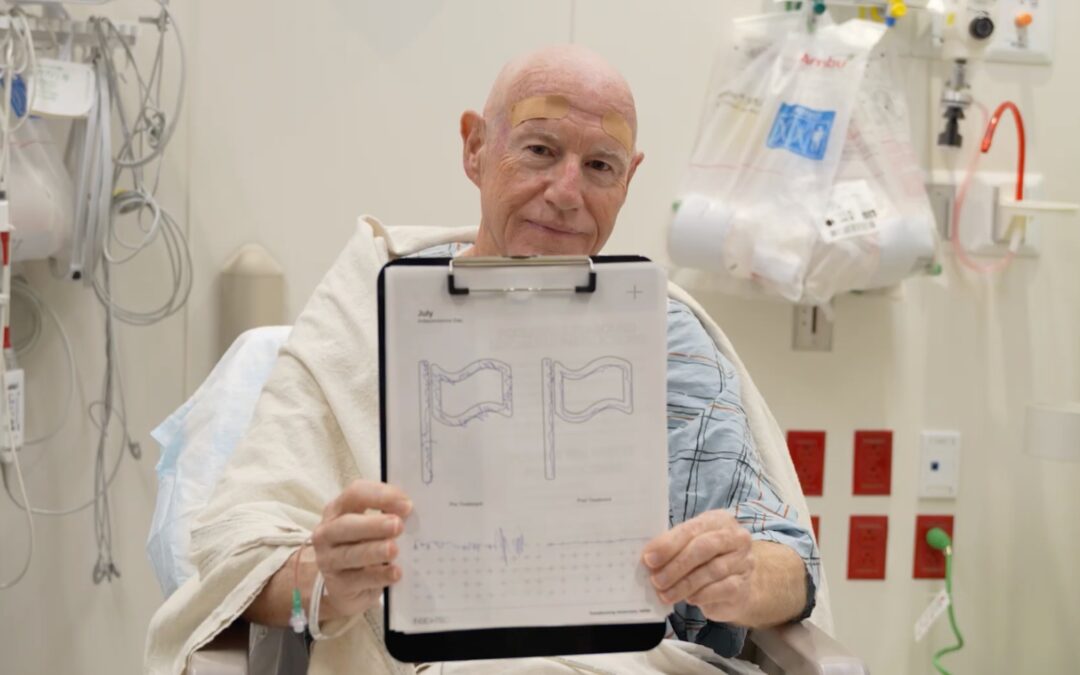
Ground-Breaking HiFu Treatment Re-Opens a Door
Innovative non-invasive essential tremor treatment puts car enthusiast back in the driver’s seat Dan lived with...
Full Patient Story: Chris’s Recovery After L4–5 Posterior Lumbar Interbody Fusion (PLIF)
How an L4–5 Posterior Lumbar Fusion Gave Chris Feeling in His Leg Again and His Life Back Chris was only in his early...
Back in the Game: Brian’s Recovery After C5–6 Disc Replacement
Neck pain and cervical radiculopathy stole his mobility, his golf swing, and his comfort, an artificial disc...

New Jersey Brain and Spine Launches $2000 Healthcare Scholarship to Support Next Generation of Healthcare Professionals
Investing in the future of healthcare: Annual scholarship open to high school and undergraduate students from or...