Adult spinal deformity is a group of conditions in which the spine curves to the side, bends forward or loses its natural alignment. In adults, deformity usually comes from age-related wear on the discs and joints, or from a childhood curve that was never treated and has slowly progressed. At New Jersey Brain and Spine, our spine surgeons treat adult deformity with one goal in mind: relieving pain and restoring balance so the patient can stand upright and move comfortably.
What Is Adult Spinal Deformity?
A healthy spine looks straight from the front and has gentle, balanced curves from the side. With adult spinal deformity, that alignment shifts. Some patients develop a sideways curve, known as adult scoliosis. Others lose the normal inward curve of the lower back and begin to lean forward, a problem called sagittal imbalance. Many patients have both.
Adult scoliosis is common, especially after age 60. One study of healthy volunteers over 60 found a scoliosis curve in 68% of participants. Many of these curves cause few or no symptoms, while others lead to pain, nerve problems and difficulty standing upright.
Types of adult spinal deformity
- Degenerative (de novo) scoliosis: a curve that develops in adulthood as the discs and facet joints wear unevenly, most often in the lower back.
- Adult idiopathic scoliosis: a curve that began in childhood or adolescence and was never treated, and may progress or become painful later in life.
- Sagittal imbalance (flatback): loss of the lower back’s natural curve, which causes the patient to lean forward. It can follow disc degeneration, compression fractures or earlier spine surgery.
- Kyphosis: an excessive forward rounding of the spine.
Dr. H. Gregory Frankel explains how adult spinal deformity affects balance, and why treatment focuses on restoring that balance rather than only straightening the curve.
Why Spinal Balance Matters
When the spine is out of balance, the muscles of the back, hips and legs have to work constantly to keep the patient upright. Over time this causes fatigue, back pain and difficulty walking or standing for long periods. Research has shown that the degree of forward imbalance is closely linked to pain and disability in adults with spinal deformity, which is why our surgeons look at the alignment of the whole spine, not just the size of the curve.
Symptoms of Adult Spinal Deformity
- Low back pain, the most common symptom
- Leg pain, numbness or weakness caused by pressure on the nerves (spinal stenosis)
- Pain or heaviness in the legs and buttocks when standing or walking
- Leaning forward or to one side, and tiring quickly when trying to stand straight
- Uneven shoulders, hips or waistline
- Loss of height
How Adult Spinal Deformity Is Diagnosed
Diagnosis starts with a detailed history and physical exam, including how the patient stands and walks. Standing full-length X-rays of the spine allow the surgeon to measure the curve and the overall balance of the spine. An MRI or CT scan may be used to look for nerve compression, and bone density testing is often recommended when surgery is being considered.
Nonsurgical Treatment Options
Many patients with mild or stable curves do well without surgery. Smaller curves (under about 30 degrees) rarely progress. Nonsurgical care focuses on relieving pain and keeping the patient active:
- Physical therapy to strengthen the core and improve posture and flexibility
- Anti-inflammatory and other pain medications
- Epidural steroid injections and nerve blocks for nerve-related leg pain
- A brace for short-term comfort in some patients
Surgical Treatment for Adult Scoliosis and Spinal Deformity
Surgery may be recommended when pain or nerve symptoms do not improve with nonsurgical care, when the curve is getting worse, or when imbalance makes it hard to stand upright or walk. The goal of surgery is to take pressure off the nerves and restore a balanced spine. Depending on the patient, surgery may include:
- Decompression (laminectomy) to relieve pressure on compressed nerves
- Spinal fusion with screws and rods to correct and stabilize the curve
- Osteotomy, in which the surgeon reshapes part of a vertebra to restore alignment in patients with significant imbalance
- Minimally invasive techniques when appropriate, to reduce muscle disruption and speed recovery
NJBS surgeons use advanced navigation, including augmented reality guidance, to help place implants accurately during spine surgery.
Recovery After Spinal Deformity Surgery
Recovery depends on the type and extent of surgery. Most patients begin walking within a day or two and stay in the hospital for several days. Physical therapy helps the patient regain strength and mobility, and the spine continues to fuse over the following months. Your surgeon will guide you on when to return to work, driving and other activities.
Why Choose New Jersey Brain and Spine
New Jersey Brain and Spine has more than 30 years of experience treating complex spine conditions. Our team includes neurosurgeons and physiatrists who work together, so each patient can start with the least invasive option that makes sense and move to surgery only when it is needed. With offices across New Jersey, our physicians offer consultations and second opinions for adults living with scoliosis and spinal deformity.
Frequently Asked Questions (FAQs) About Adult Scoliosis and Spinal Deformity Treatment
Can scoliosis start in adulthood?
Does adult scoliosis always need surgery?
What is sagittal imbalance?
How long is recovery after spinal deformity surgery?
Can bracing correct scoliosis in adults?
Sources
- Xu L, et al. Degenerative lumbar scoliosis in Chinese Han population: prevalence and relationship to age, gender, bone mineral density, and body mass index (cites Schwab et al., 68% prevalence over age 60). Eur Spine J, 2013
- Glassman SD, et al. The impact of positive sagittal balance in adult spinal deformity. Spine, 2005
- Orthobullets. Adult Spinal Deformity
Have More Questions about This Condition
New Jersey Brain and Spine Earns #3 National Ranking For Neurosurgical Practices
New Jersey Brain and Spine has once again been recognized among the nation’s elite neurosurgical practices—this time...
Patient Story: Patient Gets Fitness Career Back in Shape Thanks to Dr. Roth
Robin Bray is the owner of FitnessBarre™, a popular local workout studio in Midland Park, New Jersey. The...
NJBS Highlighted for Advanced Tremor Treatment With Hackensack Meridian Health
New Jersey Brain & Spine was recently featured alongside Hackensack Meridian Health, highlighting the impact of...

Patient Story: Ashley’s Recovery After Cervical Disc Herniation
A stroke at birth left Ashley with cerebral palsy and limited mobility on her right side. So when she woke up at 1...

Back on the Competition Track: A Young Athlete’s Recovery After L4–L5 Disc Herniation Surgery
Severe nerve compression brought life to a halt—lumbar microdiscectomy helped him reclaim strength, mobility, and...
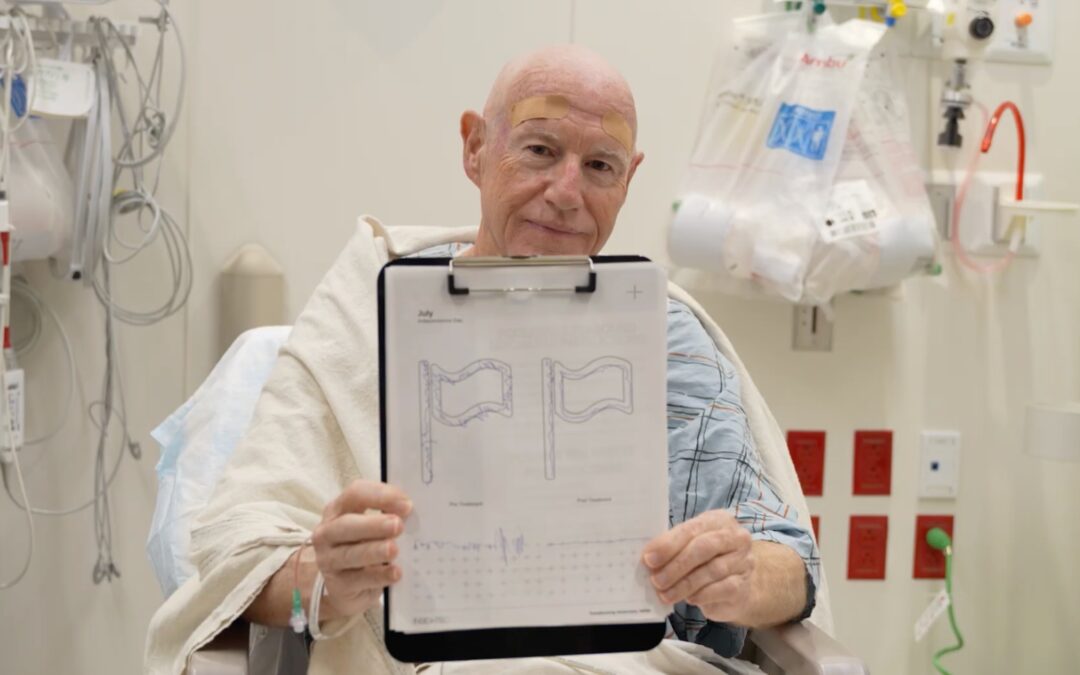
Ground-Breaking HiFu Treatment Re-Opens a Door
Innovative non-invasive essential tremor treatment puts car enthusiast back in the driver’s seat Dan lived with...
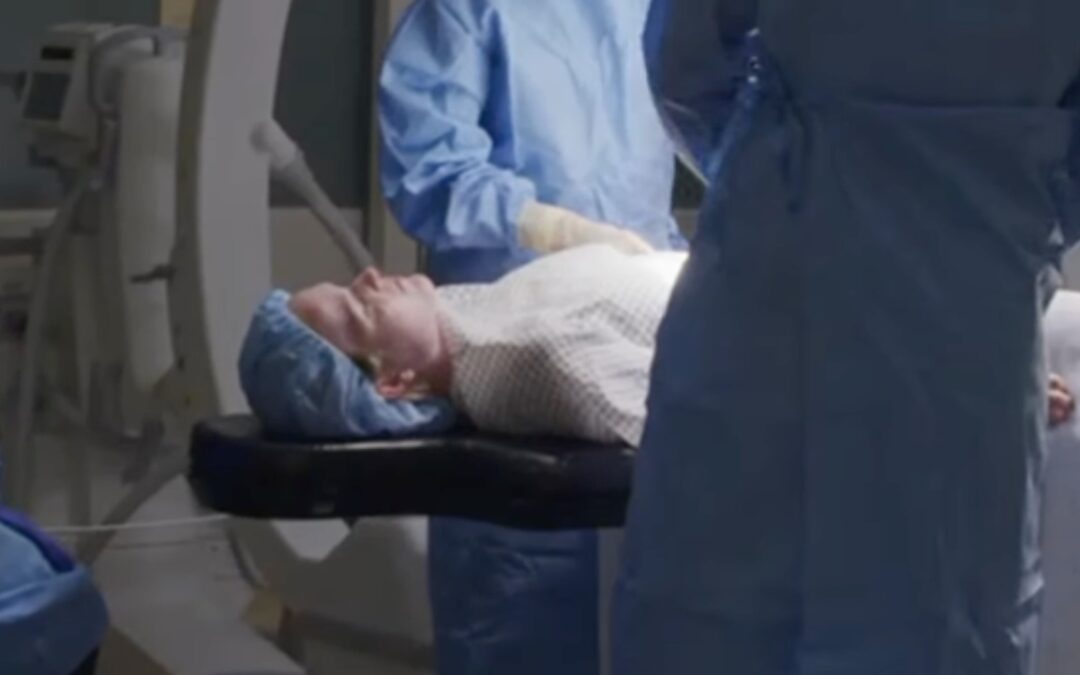
Full Patient Story: Chris’s Recovery After L4–5 Posterior Lumbar Interbody Fusion (PLIF)
How an L4–5 Posterior Lumbar Fusion Gave Chris Feeling in His Leg Again and His Life Back Chris was only in his early...
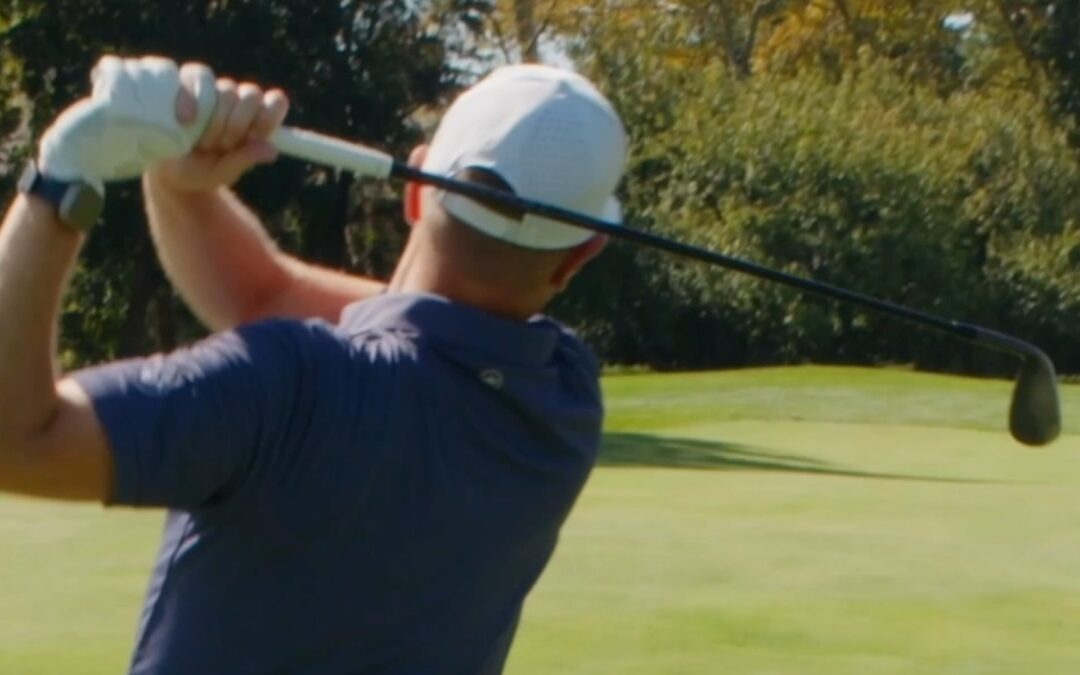
Back in the Game: Brian’s Recovery After C5–6 Disc Replacement
Neck pain and cervical radiculopathy stole his mobility, his golf swing, and his comfort, an artificial disc...

New Jersey Brain and Spine Launches $2000 Healthcare Scholarship to Support Next Generation of Healthcare Professionals
Investing in the future of healthcare: Annual scholarship open to high school and undergraduate students from or...