Sample Video 2
February 28th, 2024 by New Jersey Brain and Spine
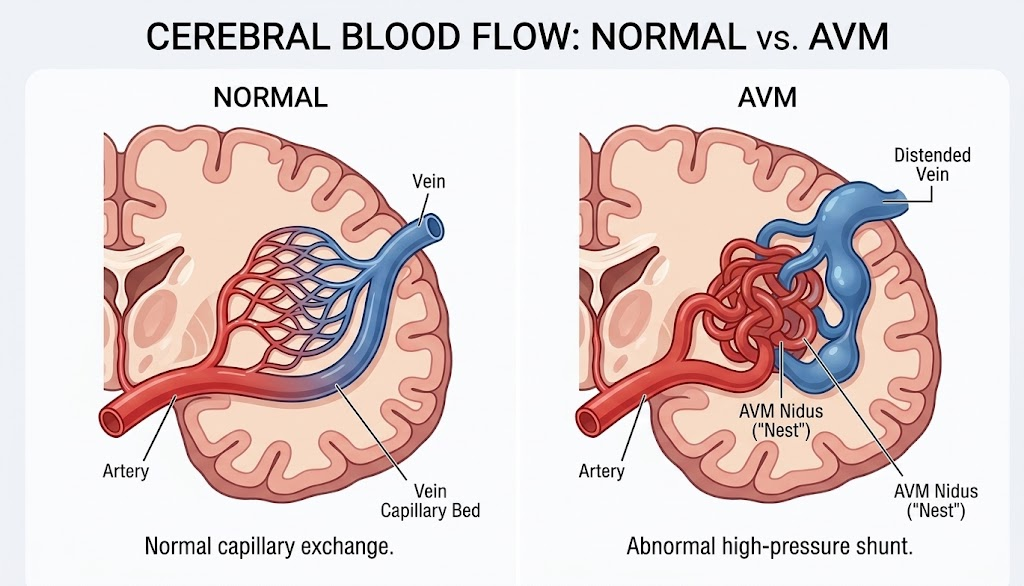
When a patient comes in after an MRI has picked up an arteriovenous malformation, the first question is almost always the same: “Does this mean I need brain surgery?” It is a fair question, and the honest answer is that it depends. An arteriovenous malformation, or AVM, is a real vascular abnormality in the brain that we take seriously, but the presence of an AVM on a scan is not, by itself, a reason for surgery. At New Jersey Brain...
read more about Arteriovenous Malformations (AVM): What They Are and When Surgery Is Needed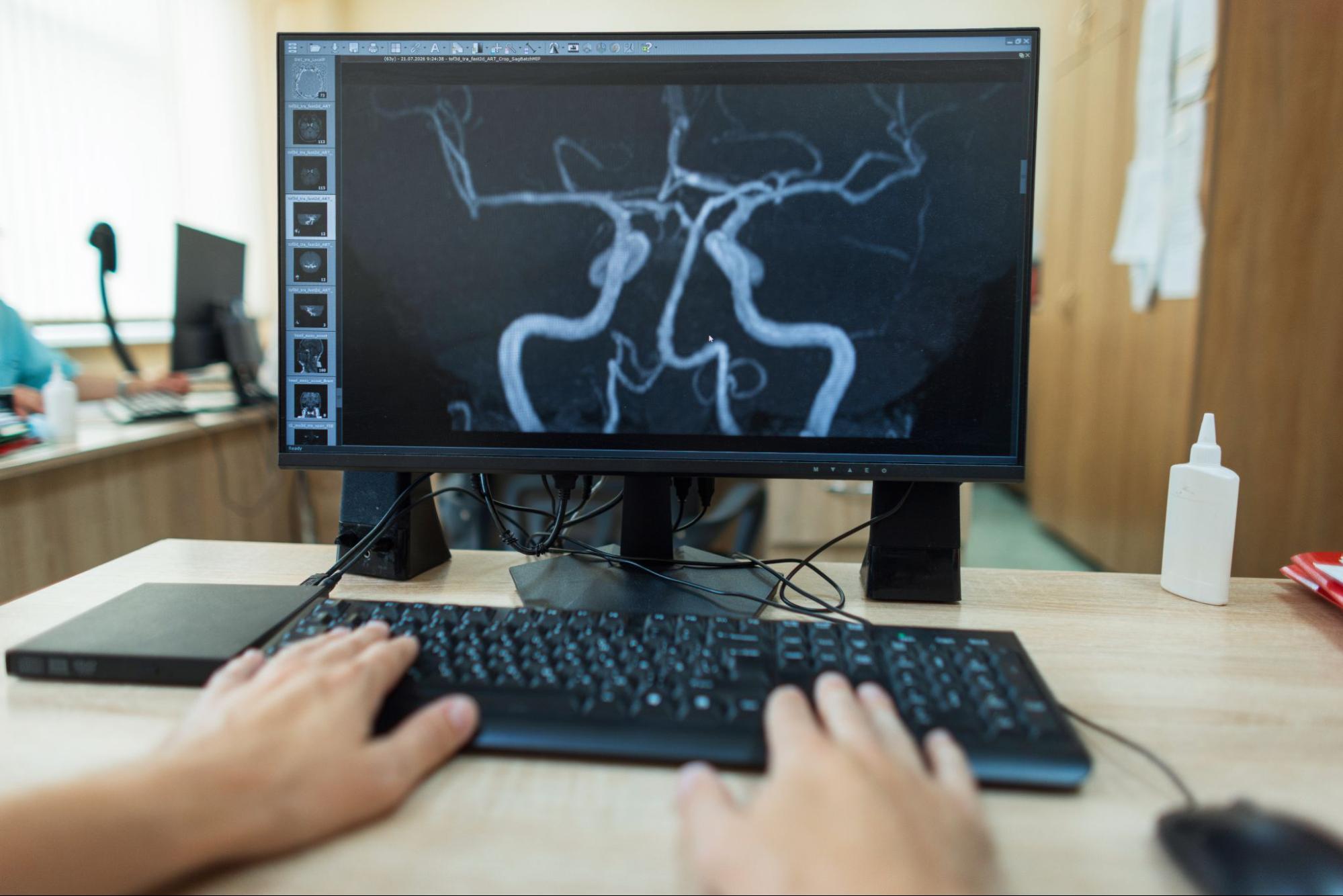
A cerebral aneurysm diagnosis, whether found incidentally or after a rupture, raises an immediate and understandable question: how dangerous is this? The honest answer depends heavily on mechanics: the size, shape, and location of the aneurysm, and what those factors mean for the structural integrity of the vessel wall. The good news is that many aneurysms never rupture and can often be monitored safely. The key is understanding which features increase risk and which do not. What an Aneurysm Actually...
read more about Cerebral Aneurysms: Vessel Wall Mechanics and Rupture Risk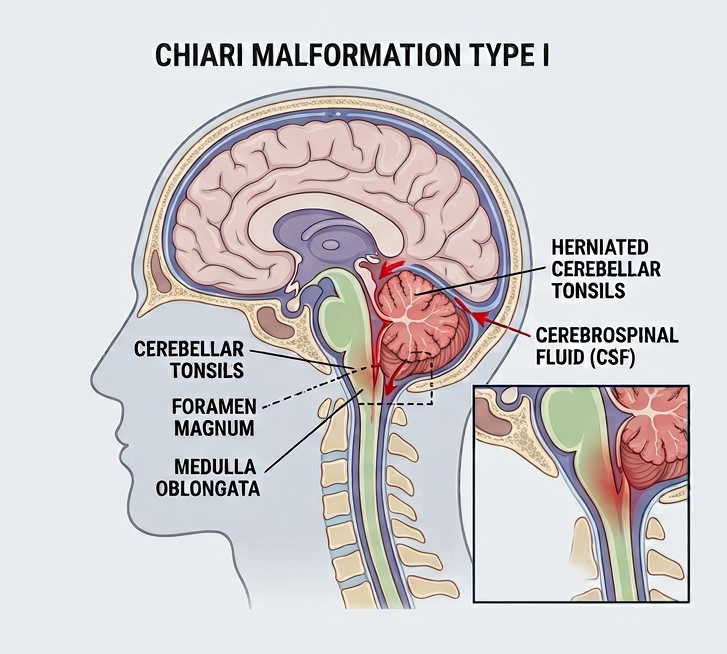
One of the more anxiety-provoking phone calls we field at New Jersey Brain and Spine starts the same way: a patient had an MRI for headaches, or after a minor car accident, or to work up an unrelated issue, and the report mentions a “Chiari malformation.” Suddenly a word most people have never heard is attached to their brain, and the internet has already convinced them they need surgery. The reality is far more reassuring and far more nuanced. Many...
read more about When Does a Chiari Malformation Actually Need Surgery?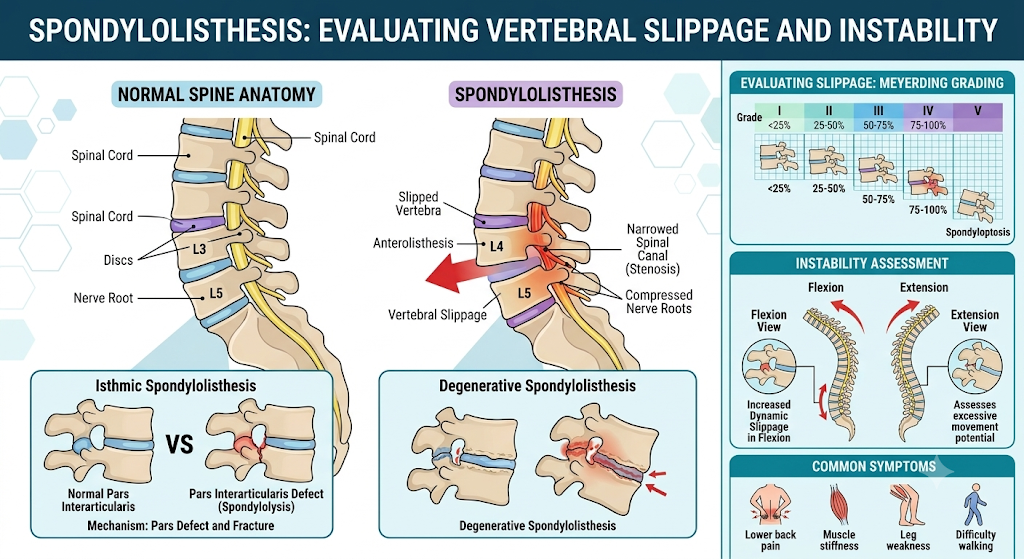
When a patient's imaging shows one vertebra has shifted forward relative to the one below it, the first thing I want them to understand is that this finding alone doesn't tell us much on its own. What matters clinically is whether that slippage is stable or has laxity, and whether it's actually producing the symptoms the patient came in with. Spondylolisthesis is a mechanical problem, and understanding the mechanics is what actually guides treatment. The good news is that a...
read more about Spondylolisthesis: Evaluating Vertebral Slippage, Mechanical Shear Forces, and Instability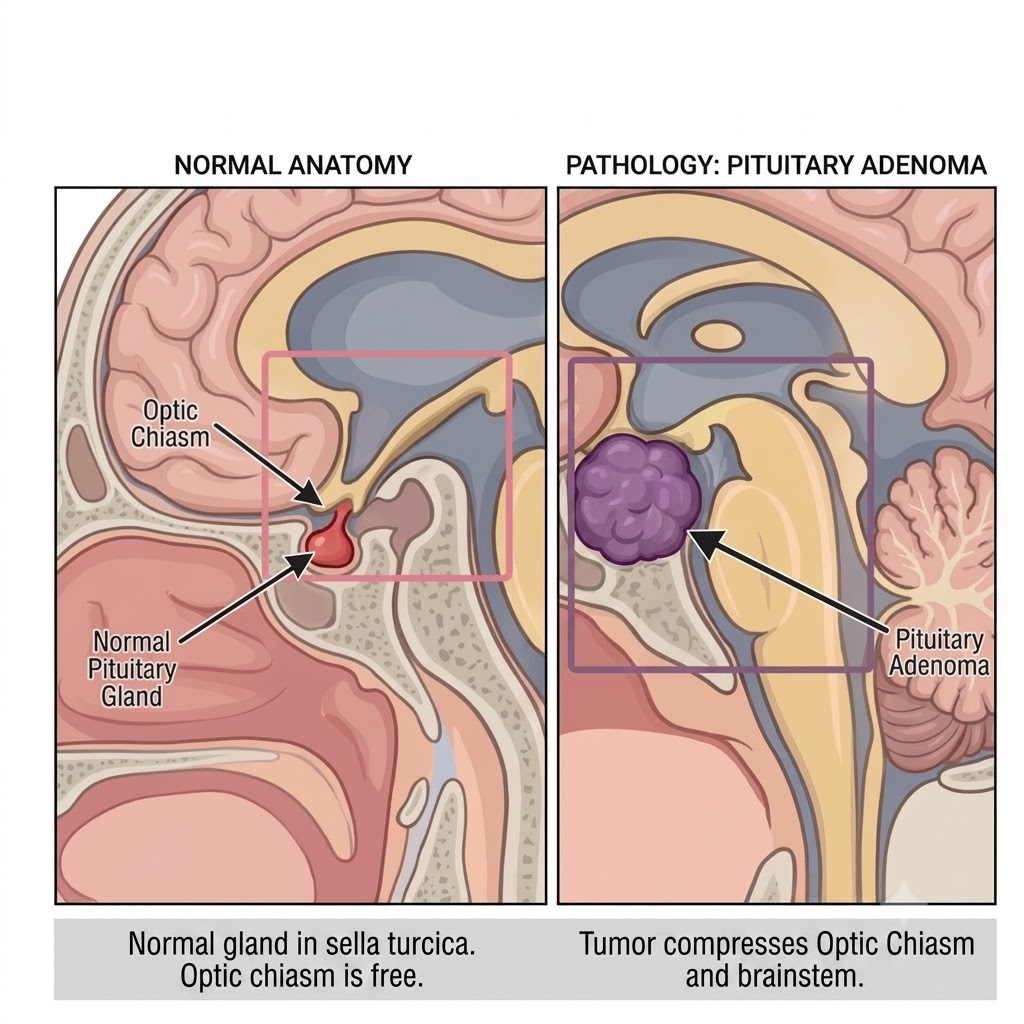
One of the unique things about pituitary adenomas is that the same tumor can cause two very different types of symptoms. Some produce excess hormones that affect the body in surprising ways. Others don't produce hormones at all but become large enough to press on nearby structures, particularly the optic nerves. Understanding which pattern is present is one of the first steps in determining the right treatment. Where the Pituitary Sits and Why Location Matters The pituitary gland is a...
read more about Pituitary Adenomas: Mass Effect, Hormones, and the Optic Chiasm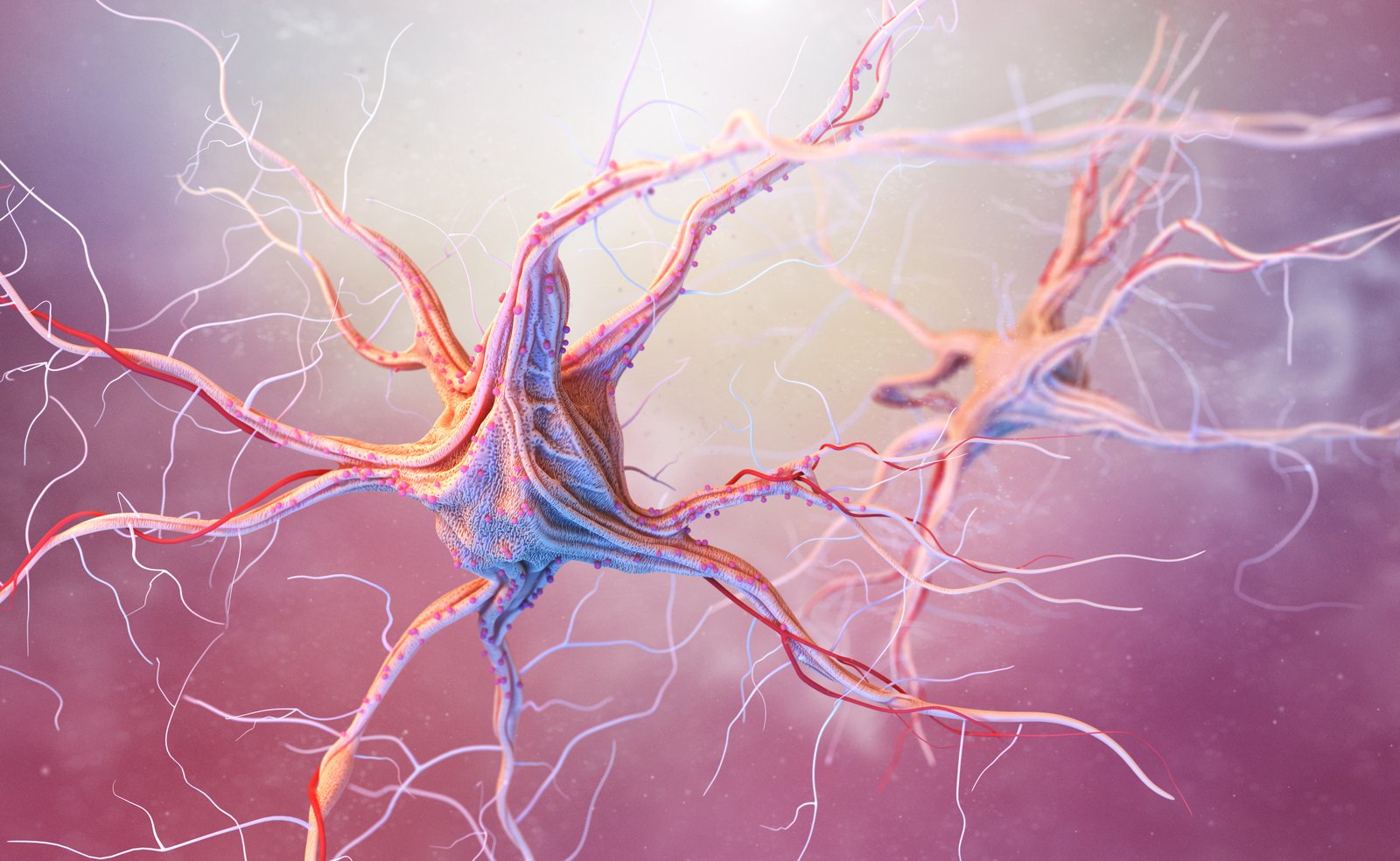
One of the questions I hear most often from patients living with Parkinson's disease or essential tremor is some version of, "I've heard about a brain surgery that can calm the shaking. Am I a candidate?" It is a fair question, and the honest answer is that deep brain stimulation (DBS) can be very effective, but only when it is offered to the right patient at the right point in their care. So before we talk about how DBS works,...
read more about Deep Brain Stimulation: How It Works for Parkinson’s and Essential Tremor
One of the more common conversations I have with patients begins not with a symptom, but with a scan. Someone comes in after an MRI ordered for headaches, a concussion, or something entirely unrelated, and the report mentions a “cavernous malformation.” The word “malformation” understandably alarms people. Yet in a large number of cases, this finding is quiet, stable, and was never the reason the person felt unwell in the first place. Understanding what these lesions are, and more importantly...
read more about Cavernous Malformations: Silent Lesions and When They Require Treatment
Patients frequently arrive with a radiology report using the terms "herniated" and "bulging" almost interchangeably, and understandably assume they mean the same thing or represent similar levels of severity. The truth is, there is no consistency in how radiology reports use language like herniated or bulging. What is essential is that your provider evaluate you and your images in order to figure out whether the disc problem is clinically relevant and what treatment is optimal. The Anatomy of a Spinal...
read more about Herniated Disc vs. Bulging Disc: What the Anatomy Actually Means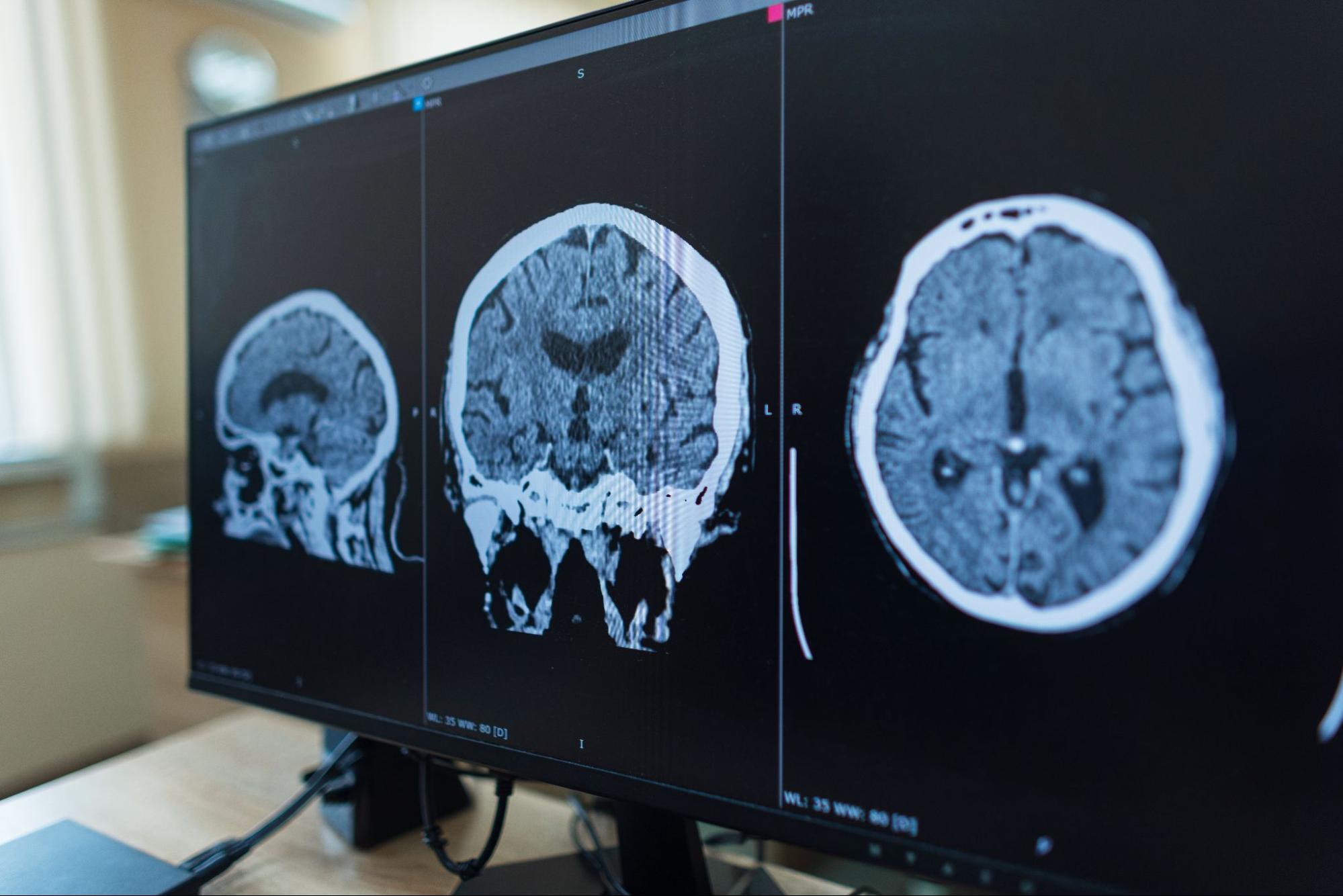
One of the first questions I hear after someone is told they have a brain tumor is, "Is it benign or malignant?" While that's an understandable place to start, those words alone don't determine what happens next. Just as important are where the tumor is located, how it's behaving, and whether it's causing symptoms. What Benign and Malignant Actually Describe Benign and malignant describe how a tumor behaves at the cellular level, specifically how it grows and whether it invades...
read more about Benign vs. Malignant Brain Tumors: How Growth Pattern Drives Treatment