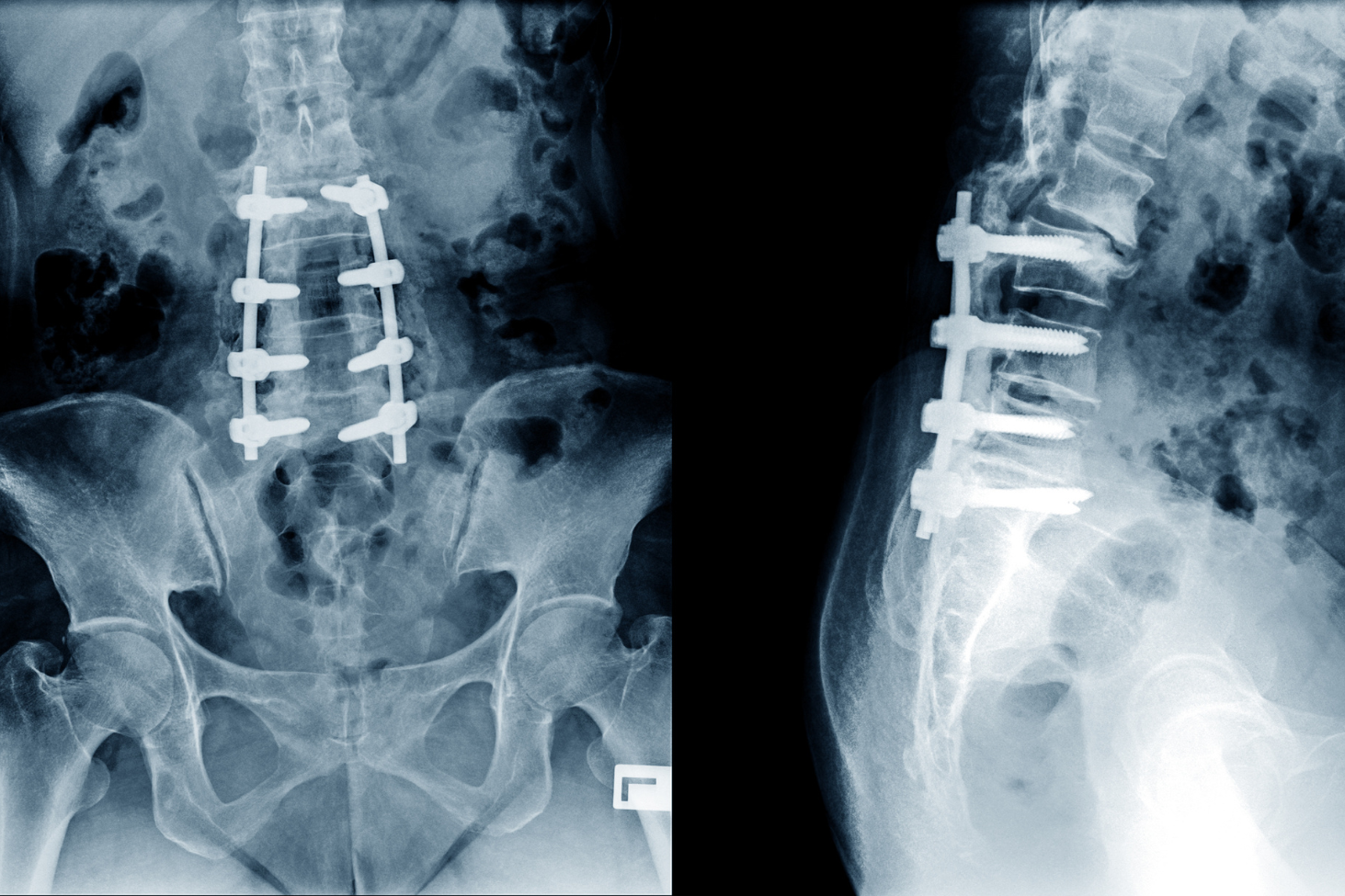
Outpatient Spine Surgery: Who Qualifies and What to Expect
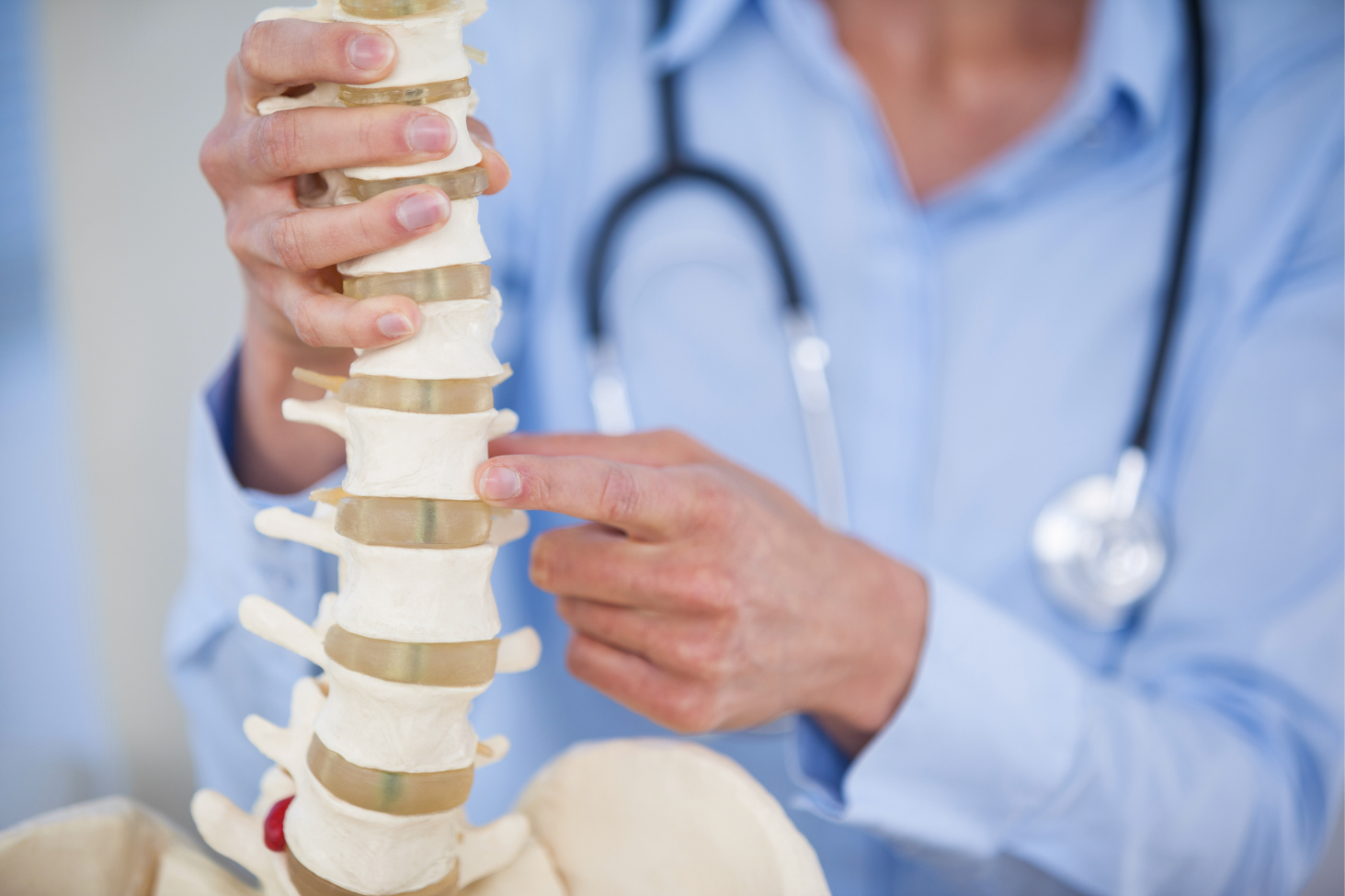
For many people, the thought of spine surgery brings to mind images of a long, daunting hospital stay. However, modern medicine has completely transformed the patient experience. Thanks to remarkable advancements in surgical techniques and anesthesia over the last decade, procedures that once required days in a hospital bed — like microdiscectomies and select lumbar fusions — are now routinely and safely performed on a same-day, outpatient basis.
At New Jersey Brain and Spine (NJBS), our priority is getting you back to your life safely, comfortably, and with a conservative-first approach. While recovering in the comfort of your own home is an incredible advantage, a successful outpatient experience depends on finding the right fit for your unique health profile.
The feasibility of performing complex spinal procedures outside of a traditional inpatient setting is driven by three primary medical advancements:
Traditional open spine surgery often requires extensive muscle stripping and large incisions to afford the surgeon adequate visualization. Conversely, MISS techniques utilize specialized tubular retractors, high-definition endoscopes, and surgical microscopes.
By gently separating muscle fibers rather than cutting through them, NJBS neurosurgeons minimize soft-tissue trauma, preserve local vascularity, and reduce intraoperative blood loss. Preserving surrounding muscles and tissues often results in less post-operative pain and a quicker return to normal activity.
Historically, the heavy use of intraoperative volatile anesthetics and high-dose systemic opioids left patients groggy, nauseous, and temporarily unable to safely ambulate, necessitating hospital monitoring. Modern outpatient protocols employ targeted regional anesthesia — such as erector spinae plane (ESP) blocks — alongside long-acting local anesthetics infiltrated directly into the surgical site.
When combined with a preemptive multimodal pain regimen (utilizing non-opioid medications that target distinct pain pathways simultaneously), patients wake with well-controlled pain, minimal cognitive impairment, and a significantly reduced incidence of post-operative nausea and vomiting (PONV).
Outpatient surgery is not a default pathway; it is a highly calculated medical decision. Candidates undergo strict physiological screening. This pre-optimization process evaluates underlying cardiovascular health, pulmonary reserve, body mass index (BMI), and glycemic control, ensuring that only patients with an appropriate risk profile are cleared for same-day discharge.
Not all spinal pathologies or interventions are appropriate for an ambulatory setting. At NJBS, our surgeons evaluate candidacy based on the complexity of the pathology and the mechanical stability of the spine:
Recovering in a home environment provides distinct, clinically measurable advantages over an extended hospital stay, provided the patient has an adequate support structure.
At NJBS, our first line of treatment is almost always conservative, non-operative management. Surgery is only considered when structured physical therapy, selective nerve root blocks, and anti-inflammatory regimens have failed to provide functional relief — or in the presence of progressive neurological deficits (such as worsening motor weakness).
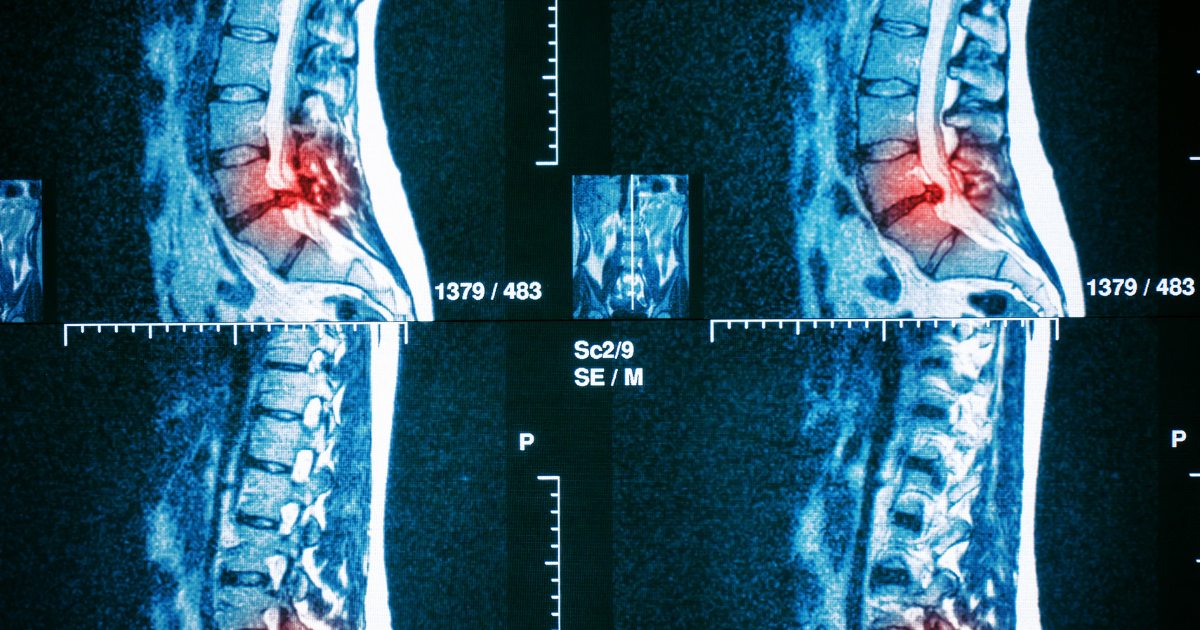
It is a common misconception that a severe-looking herniated disc on an MRI automatically necessitates immediate surgery. In practice, imaging findings must correlate precisely with a patient’s dermatomal pain and physical examination. Many patients with notable disc bulges or degenerative changes improve entirely without surgical intervention.
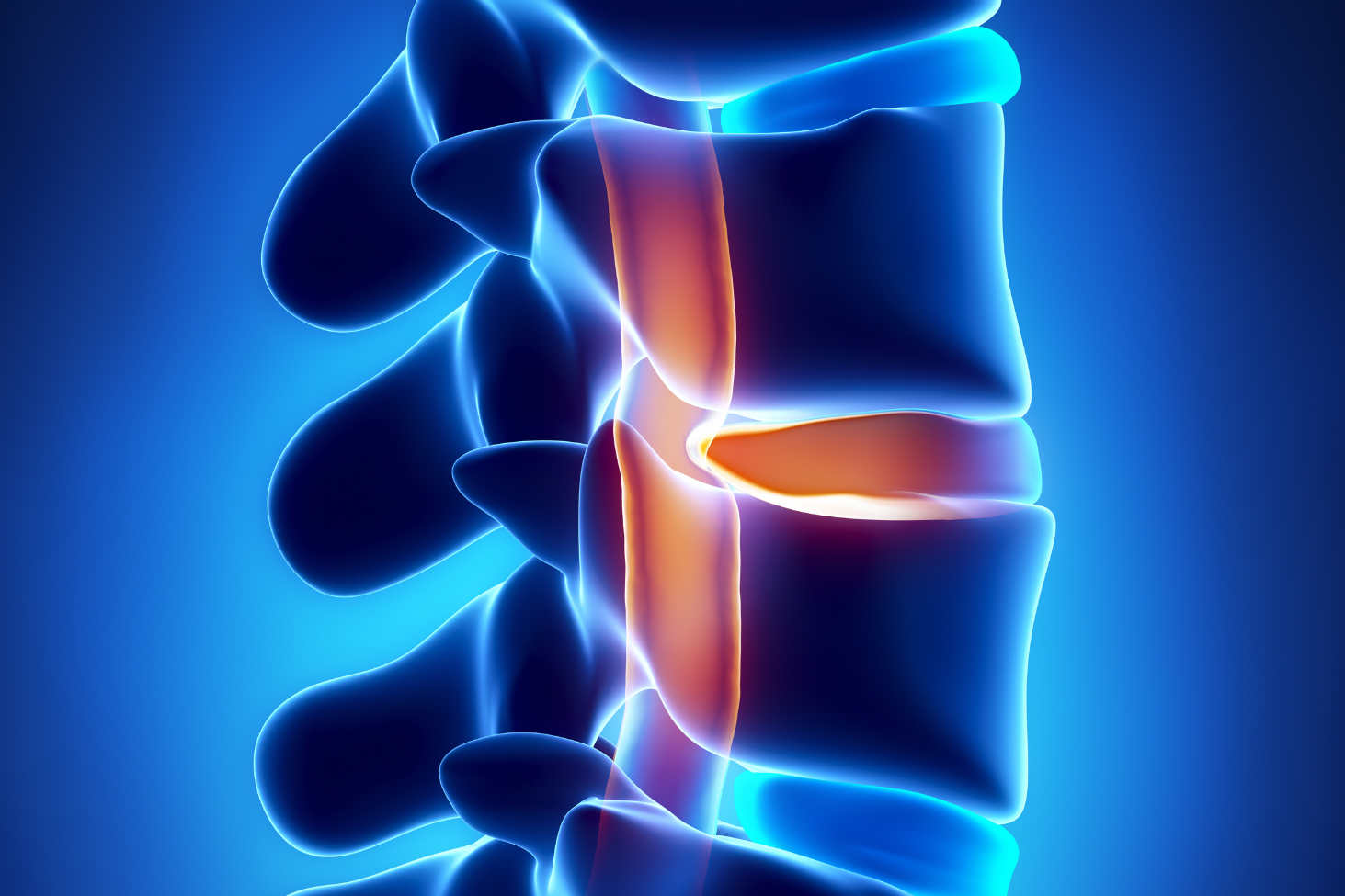
A 42-year-old presenting with acute, shooting leg pain (sciatica) caused by an L4-L5 disc herniation. They have no significant medical comorbidities, normal baseline lab values, and a reliable caretaker at home. After six weeks of failed conservative therapy, an outpatient microdiscectomy is planned. The patient is discharged four hours post-operatively, ambulating independently.
A 68-year-old presenting with an identical L4-L5 disc herniation and failed conservative care, but with a history of severe obstructive sleep apnea (OSA) and poorly controlled hypertension. Despite having the same spinal pathology, Patient B is not an appropriate candidate for an ambulatory center. To ensure airway safety post-anesthesia, this patient’s procedure is scheduled at an inpatient hospital facility for overnight monitoring.
Note: These patient scenarios are representative, hypothetical examples used for illustrative purposes. Because every spine and medical history is unique, actual treatment recommendations and surgical settings depend entirely on your individual health circumstances and a thorough evaluation by your care team.
Yes. Peer-reviewed clinical literature demonstrates that for carefully screened, optimized patients, outpatient spine surgery yields complication and readmission rates that are statistically equivalent to — or lower than — traditional inpatient admissions. The key to safety lies entirely within the strictness of the pre-operative screening criteria.
Patients are typically assisted to a standing position and asked to walk short distances within two to three hours of emerging from anesthesia. Demonstrating independent ambulation and the ability to void (urinate) are strict clinical prerequisites for discharge from our ambulatory facility.
Prior to discharge, you will receive a structured multimodal pain protocol. This is a scheduled regimen combining non-steroidal anti-inflammatories (NSAIDs) or acetaminophen to target baseline inflammatory pathways, alongside a limited course of short-acting rescue opioids for breakthrough mechanical pain. You will be given specific instructions on when and how to contact your care team. If you experience severe symptoms or believe you are having a medical emergency, call 911 or seek immediate medical attention.
The initial 4 to 6 weeks post-surgery are dedicated to soft-tissue healing, incision care, and basic cardiovascular maintenance via low-impact walking. Initiating formal physical therapy or core stabilization exercises too early can disrupt healing tissues. Your surgeon will determine the precise timeline for formal rehabilitation based on your follow-up clinical examinations.
Relative and absolute contraindications for same-day discharge include poorly controlled diabetes (HbA1c > 8%), severe unmanaged sleep apnea, a history of malignant hyperthermia, advanced coronary artery disease, chronic opioid dependency, or the absence of a responsible adult to assist the patient at home for the first 24 to 48 hours post-surgery.
NJBS serves patients across northern New Jersey and the greater tri-state area, with offices in Paramus, Hackensack, Montclair, Montvale, Annandale, and Englewood. No referral is required to schedule a consultation.