Failed Back Surgery Syndrome: Why Pain Can Persist After Spine Surgery
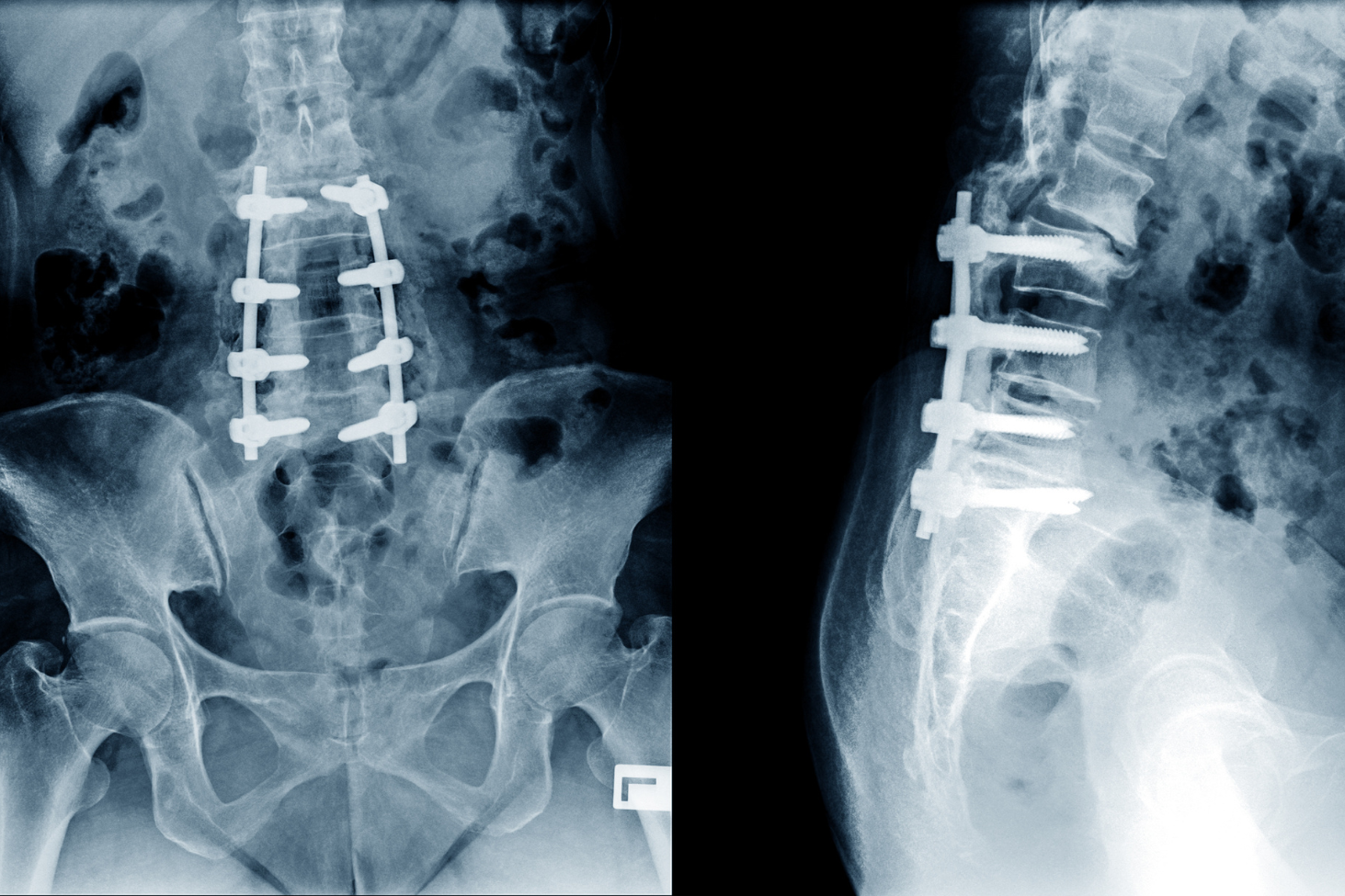
Few clinical scenarios are as profoundly frustrating for a patient as undergoing a major spinal intervention, completing weeks of postoperative physical therapy, and realizing that chronic axial or radicular pain persists. Navigating the recovery process with ongoing functional limitations can induce significant emotional and physical exhaustion.
If you are experiencing persistent or new symptoms following a spinal operation, your therapeutic options are not exhausted. Many patients with ongoing pain after surgery can still benefit from additional evaluation and treatment.
In the medical community, a lack of expected pain relief or functional improvement following a neck or back operation is referred to as Failed Back Surgery Syndrome (FBSS).
Despite its daunting name, FBSS is not a permanent diagnostic finality, nor does it imply that your initial specialist committed a technical error. Rather, it is a complex umbrella term for persistent postoperative discomfort that requires a fresh, highly specialized diagnostic review.
At New Jersey Brain and Spine (NJBS), our neurosurgeons and interventional pain specialists evaluate FBSS through an objective, multi-disciplinary lens. By isolating the exact biological, mechanical, or neurological source of your persistent symptoms, our team can formulate a precise care plan designed to restore your quality of life.
Hearing the term “Failed Back Surgery Syndrome” (FBSS) can be deeply discouraging. It sounds like a definitive final judgment, but it is actually just a broad medical umbrella term used when back, neck, or leg pain either persists or returns after spine surgery. Diagnosing the exact reason behind this continued discomfort is a meticulous process of elimination that involves looking at the behavior of your symptoms and how your body has healed.
An accurate diagnosis typically depends on three core elements:
At New Jersey Brain and Spine (NJBS), we understand that experiencing lingering pain after undergoing surgery is incredibly frustrating. Our evaluation process is designed to cut through the confusion, provide clear answers, and restore your peace of mind. We approach post-surgical pain with an open mind, recognizing that an MRI report doesn’t always tell the whole story.
When you trust our team to evaluate your persistent pain, you can expect a comprehensive, patient-centered approach:
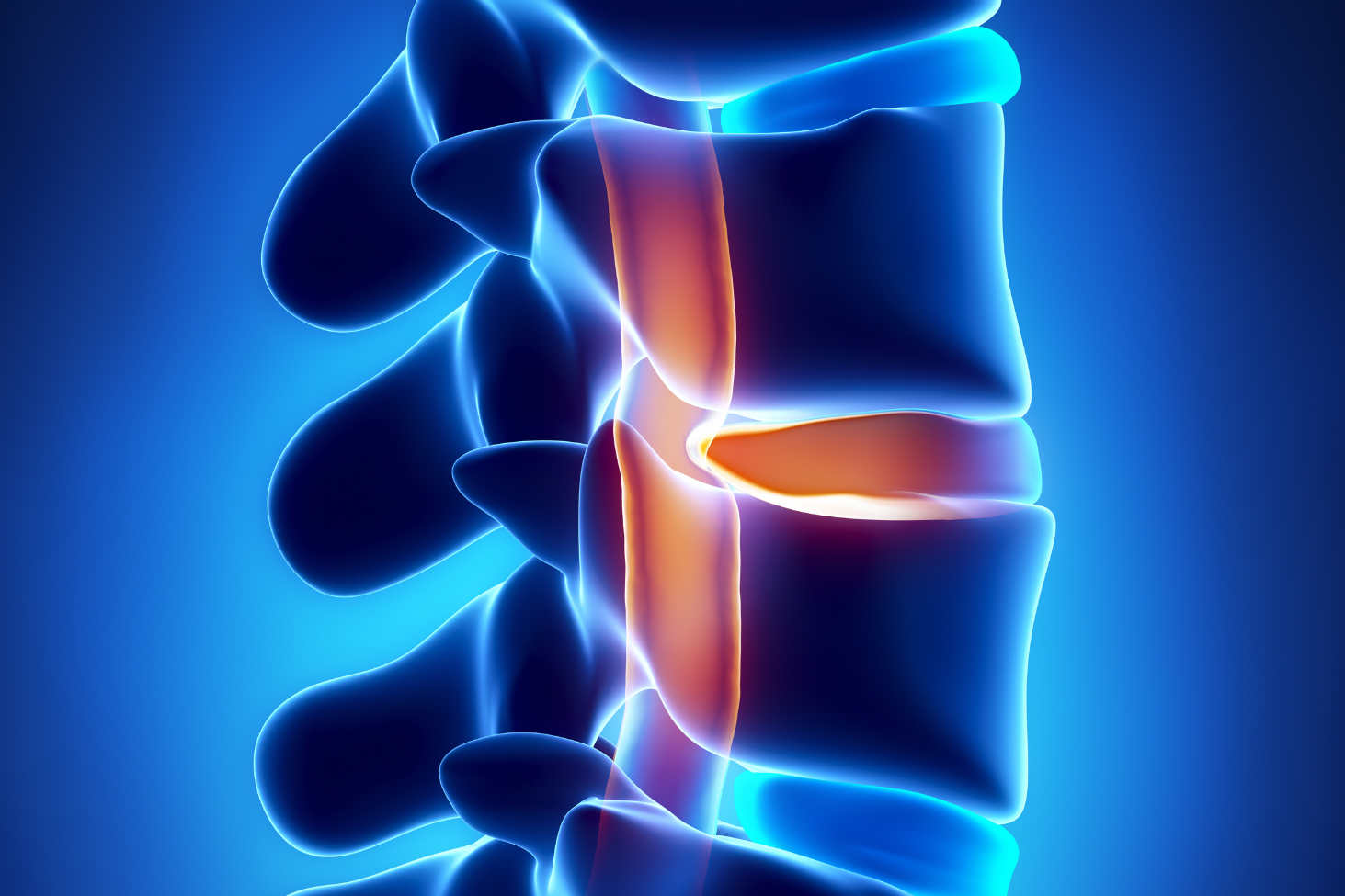
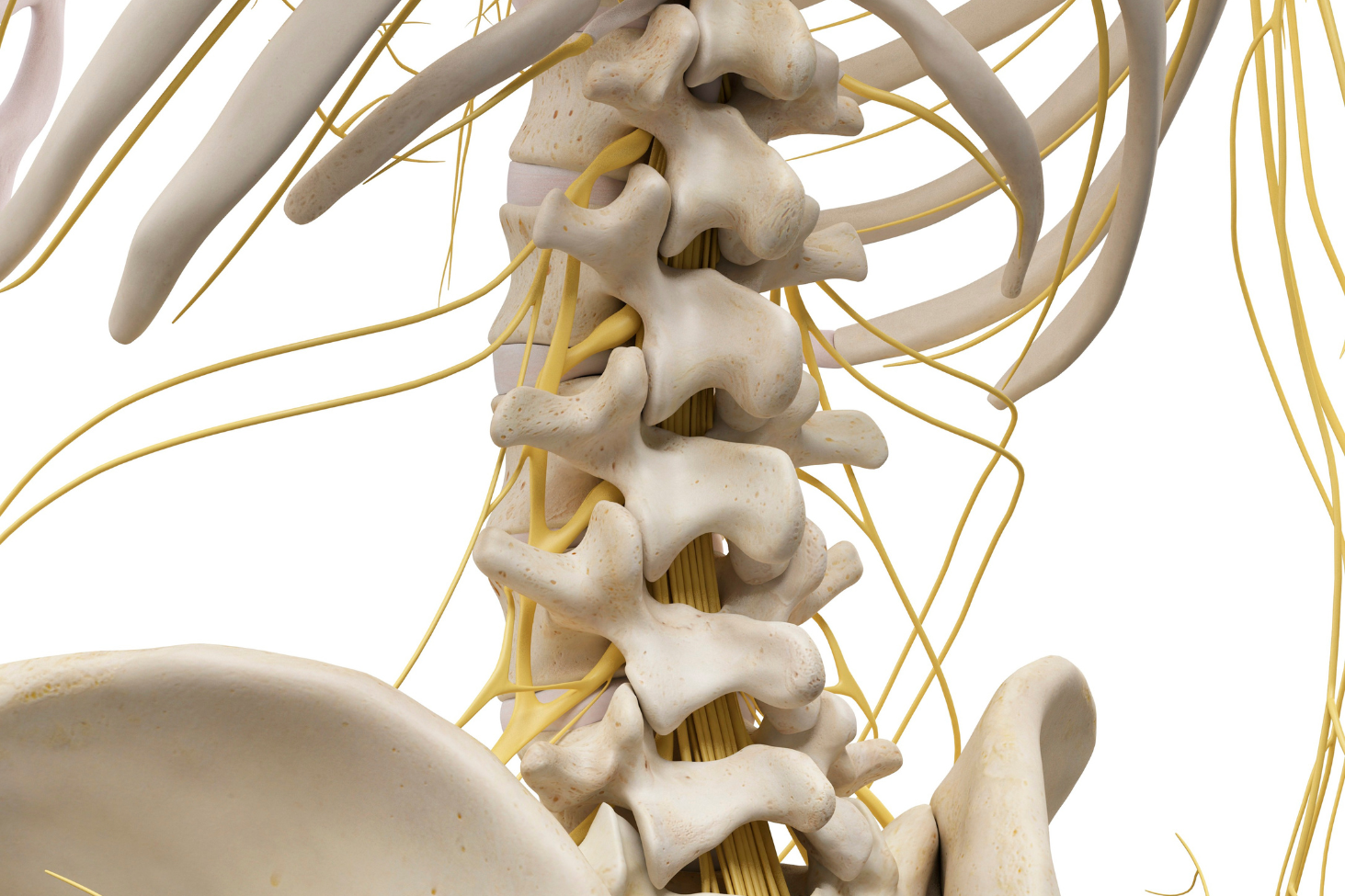
Isolating the precise catalyst behind persistent postoperative pain requires advanced diagnostic acumen. The spine is a dense, highly integrated matrix of osseous structures, articulating joints, and delicate neural elements. When an intervention fails to provide functional relief, it typically indicates an ongoing structural or biological issue:
A 58-year-old male presented for evaluation after undergoing a lumbar microdiscectomy approximately one year earlier. Initially, his severe leg pain improved significantly, allowing him to return to normal activities. Over the following several months, however, he developed recurrent pain radiating down the same leg, accompanied by numbness and difficulty standing for extended periods.
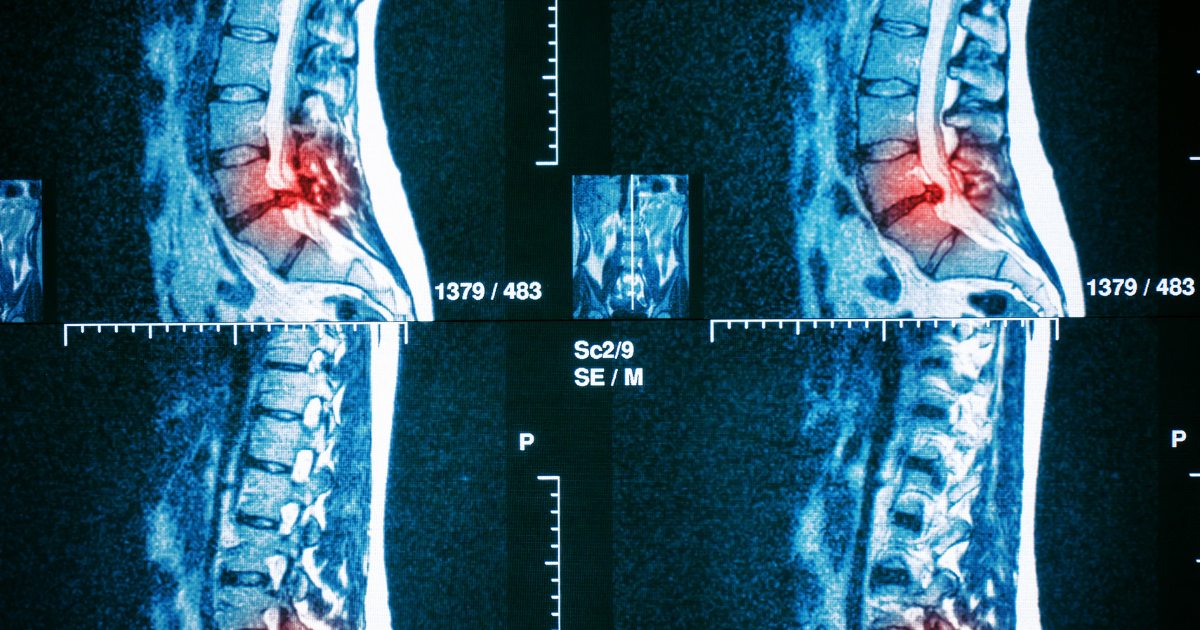
Updated imaging demonstrated a recurrent disc herniation at the previously treated level, resulting in renewed nerve compression. Because his symptoms, neurological examination, and imaging findings all correlated, the diagnosis was consistent with a recurrent structural problem contributing to Failed Back Surgery Syndrome. After discussing both conservative and surgical options, a treatment plan was developed based on the severity of his symptoms and functional limitations.
A 62-year-old female sought a second opinion after a lumbar fusion performed elsewhere. Although her original surgical site had healed appropriately and follow-up imaging demonstrated a solid fusion, she continued to experience lower back and buttock pain that limited her daily activities.
Further evaluation revealed that her symptoms were not originating from the fused spinal level. Instead, examination findings and diagnostic testing pointed toward sacroiliac joint dysfunction as the primary pain generator. Because the source of pain differed from the original spinal condition, treatment focused on targeted non-surgical therapies rather than additional spine surgery.
Because the root cause of persistent pain can vary widely from patient to patient — as shown in the scenarios above — there is no one-size-fits-all approach to Failed Back Surgery Syndrome. At NJBS, we build customized, step-by-step treatment plans that prioritize the most conservative options first, mapping our approach to your exact source of discomfort.
No. In the vast majority of cases, FBSS is driven by unpredictable, patient-specific biological factors. These include an exaggerated inflammatory response leading to excessive scar tissue around a nerve, an unexpected biological failure of a bone graft to consolidate (pseudoarthrosis), or the accelerated degeneration of an adjacent spinal level. It is rarely the result of a technical error during the primary procedure.
Nerve tissue heals at an exceptionally slow rate, and it is entirely normal to experience fluctuating mechanical aches, phantom nerve pain, or mild radicular sensations during the first 6 to 12 weeks of postoperative healing. However, if your original, severe pain returns without an external trigger after a brief window of initial relief, or if your functional baseline fails to improve at all after 3 to 6 months, a comprehensive secondary evaluation is warranted.
For appropriately selected patients, spinal cord stimulation can be an effective treatment option for chronic, nerve-related FBSS. One of its greatest clinical advantages is the mandatory inclusion of a non-surgical trial phase. Patients utilize an external, temporary device for 5 to 7 days to evaluate its impact on their daily life. If the trial demonstrates a 50% or greater reduction in baseline pain and improves functional capacity, a permanent implant can be scheduled with high statistical confidence.
While a neurosurgeon can technically perform a surgical lysis of adhesions to dissect scar tissue away from a nerve root, doing so carries a high risk of triggering an even more aggressive fibrotic response during the subsequent healing cycle. Consequently, modern guidelines strongly favor managing scar-tissue-induced neurogenic pain via non-operative modalities, such as targeted epidural injections, membrane-stabilizing medications, or Spinal Cord Stimulation.
To ensure a precise diagnostic review, you must bring the physical raw imaging discs (or digital access keys) for all MRIs, CT scans, or X-rays taken both before your initial operation and after your new pain emerged. Additionally, please provide copies of your original operative reports, hardware specifications (if a fusion was performed), and physical therapy discharge summaries.
NJBS serves patients across northern New Jersey and the greater tri-state area, with offices in Paramus, Hackensack, Montclair, Montvale, Annandale, and Englewood. No referral is required to schedule a consultation.