Lumbar Spine/Lower Back
July 2nd, 2024 by New Jersey Brain and Spine
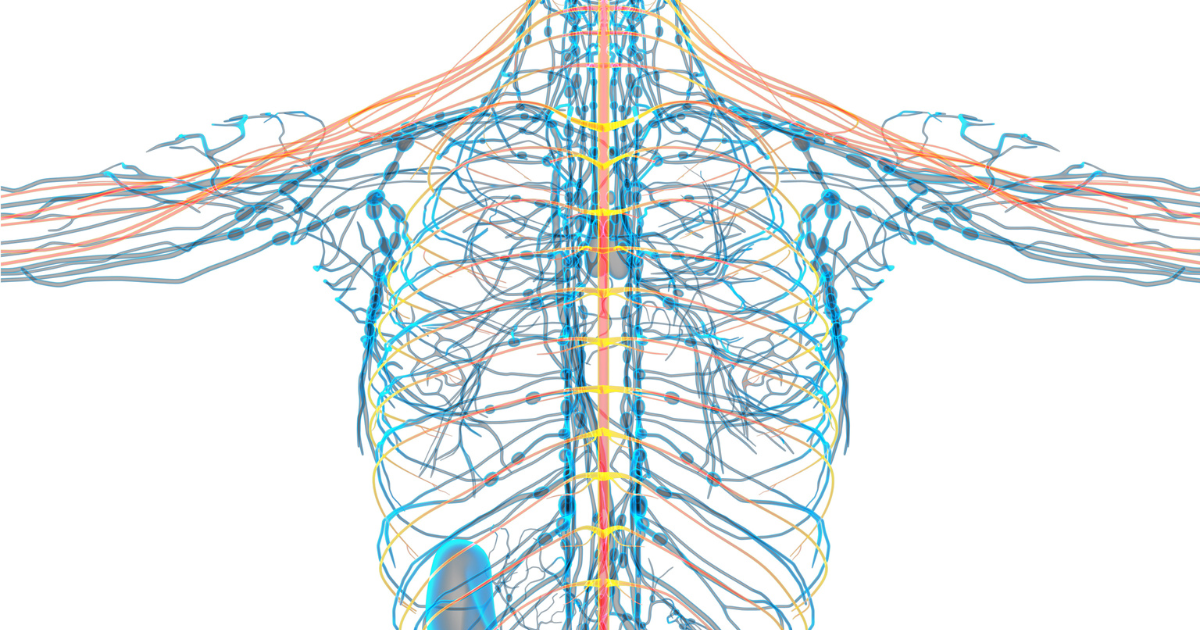
One of the most disorienting symptoms patients bring to us is pain that originates in the spine but travels far from it. Lower back pain that shoots down through the buttock, the back of the thigh, and into the calf. Neck pain accompanied by a burning or electric sensation that radiates into the shoulder, the arm, or the fingers. Patients often arrive having been told the pain is in their leg or their arm, having spent weeks treating the wrong...
read more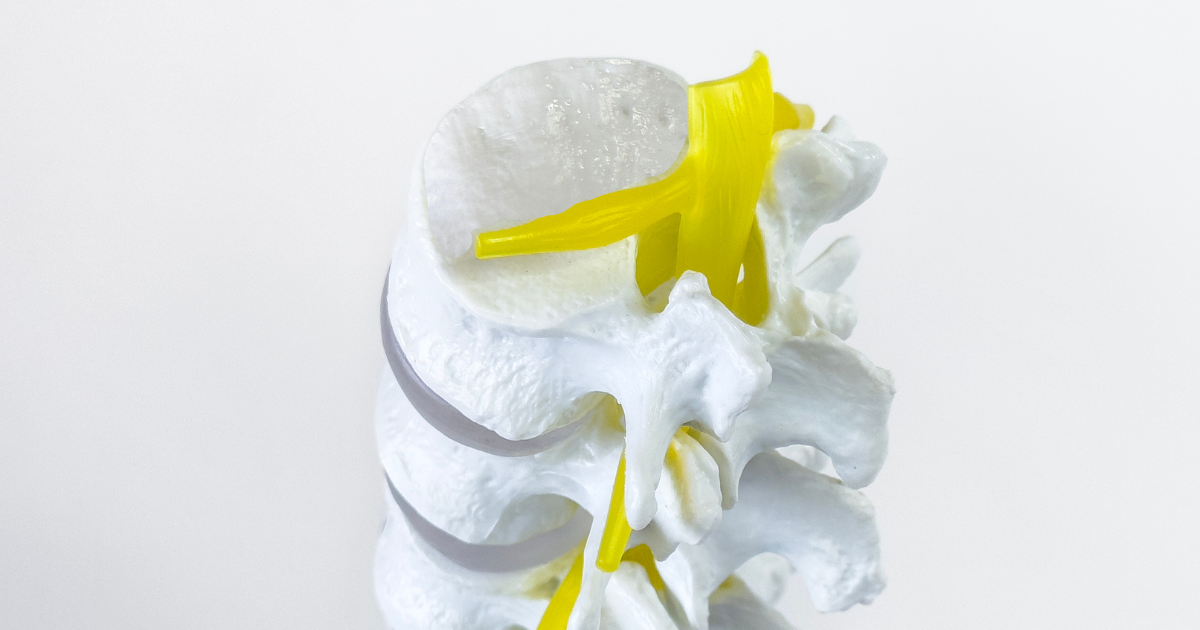
Patients come to us describing symptoms that do not fit neatly into the categories their previous workup has addressed. A hand that is progressively losing grip strength. Tingling that starts in the lower back and runs into the foot. Weakness in one arm that appeared without any clear injury. These presentations raise the same fundamental clinical question: is this a nerve problem, where in the nervous system is it originating, and what is actually happening to the nerve involved? Evaluating...
read more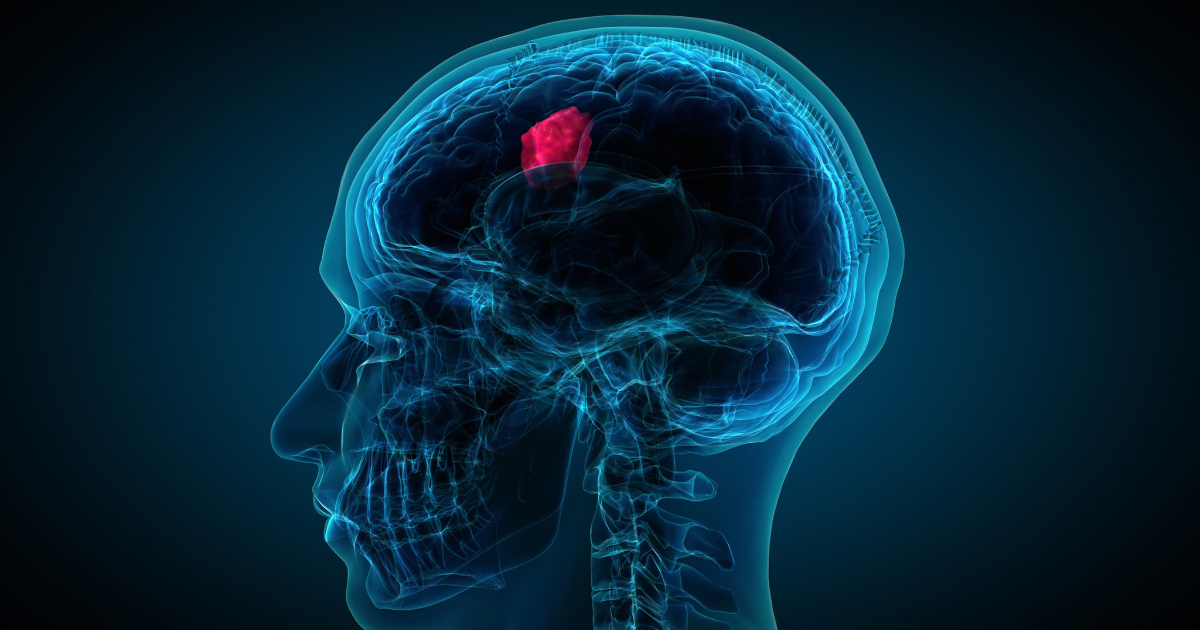
When a patient receives the news that an MRI has identified something on their brain, the conversation that follows is one of the most important we have as neurosurgeons. The word "tumor" carries enormous weight, and most people arrive at that appointment having spent days imagining outcomes that often do not reflect what the imaging actually shows. One of the first things we try to do is separate what the scan has found from what it means clinically, and to...
read more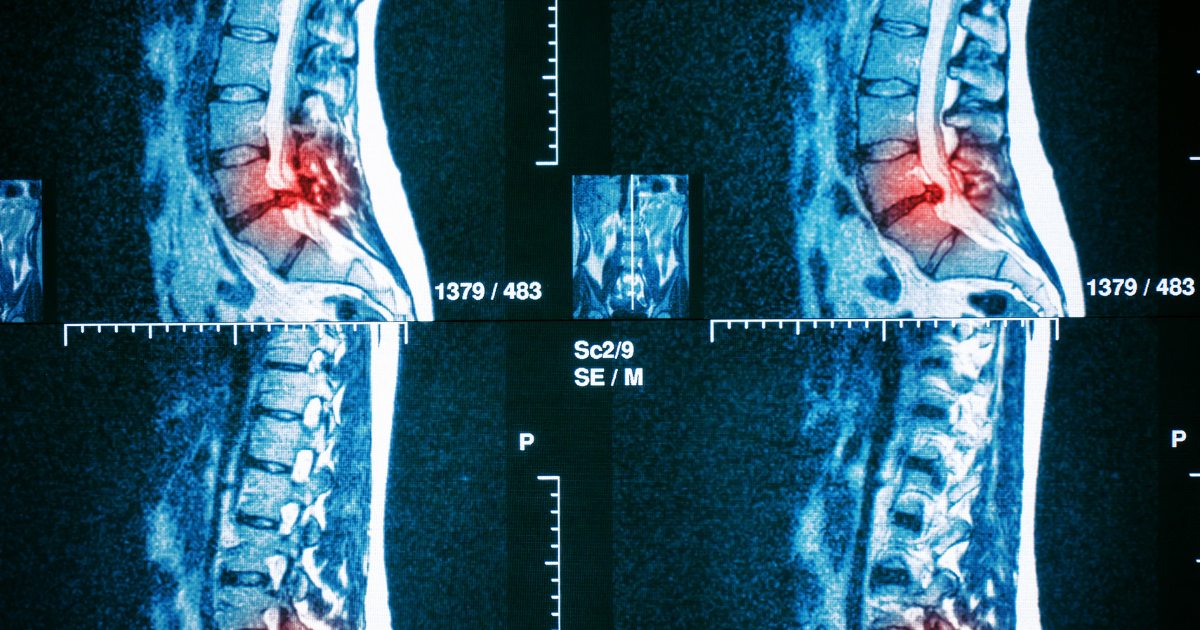
When a patient comes in holding a radiology report that lists disc herniations, stenosis, and degenerative changes at multiple spinal levels, the first question is rarely about anatomy. It is almost always some version of: "How bad is this? Is my spine falling apart? And why do I only hurt in one spot when the report makes it sound like there are problems everywhere?" That disorientation is understandable. Terms like "degenerative changes at multiple levels" sound serious, and when a...
read more
Facial pain is one of the most difficult symptoms to evaluate in neurology. Patients often describe it as the worst pain of their lives, yet it can be caused by a wide range of conditions, from dental problems to rare neurological disorders. One of the most significant of these conditions is trigeminal neuralgia, a disorder that produces severe, brief, electric shock-like pain along the face. Getting the diagnosis right is essential, because the treatment for trigeminal neuralgia is fundamentally different...
read more
When a patient presents with severe back or leg pain that has proven refractory to comprehensive conservative management, surgical intervention may be indicated. When reviewing advanced neuroimaging, patients frequently encounter two core surgical categories: a standalone decompression (such as a microdiscectomy or laminectomy) and a spinal fusion. Both procedures are highly effective at relieving nerve root compression, but they serve entirely different structural purposes. The fundamental factor that dictates which operation a specialist chooses is spinal stability. At New Jersey...
read more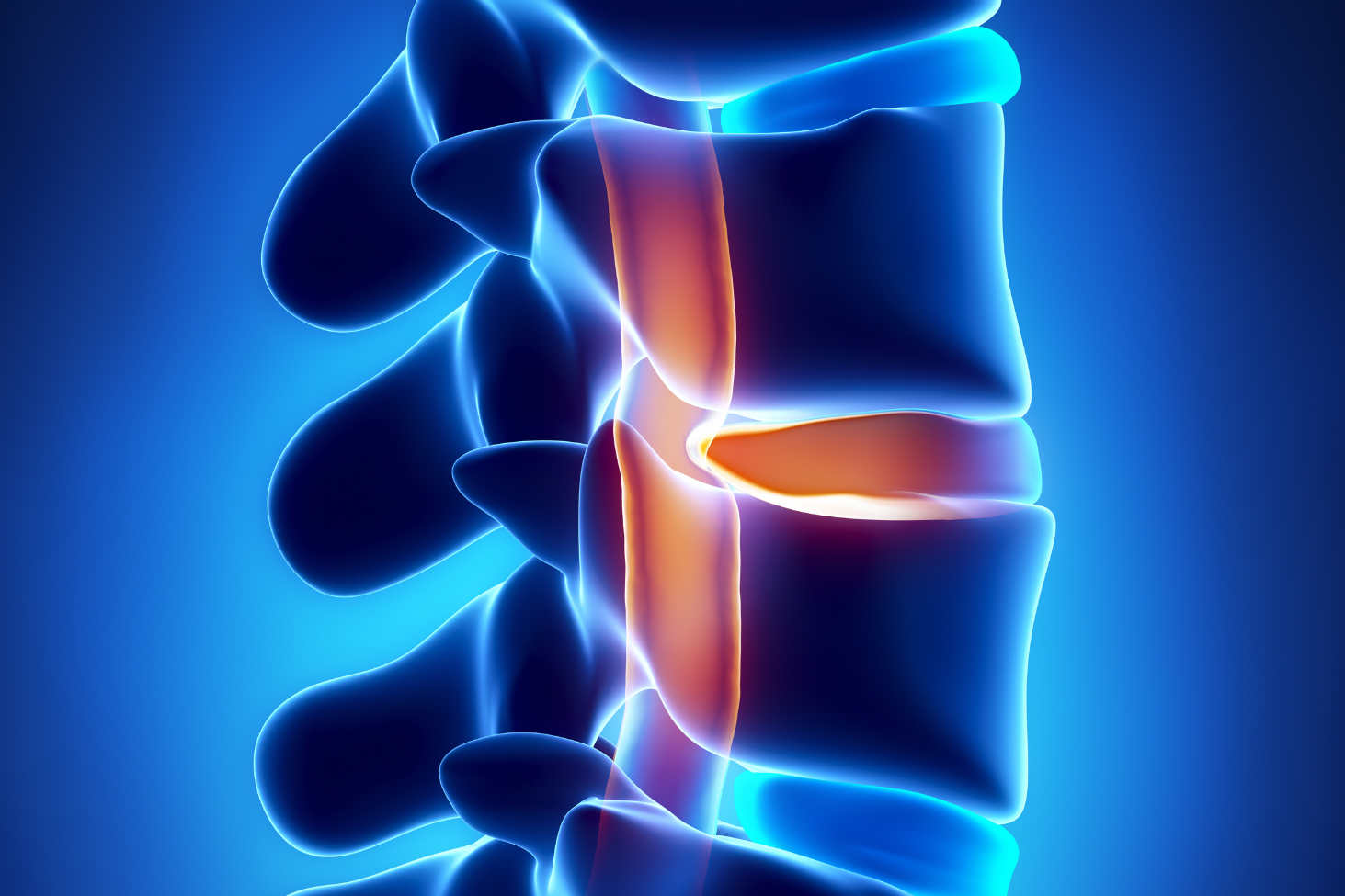
Have you noticed that a routine walk down the driveway or a brief excursion through the grocery store has become increasingly difficult? Perhaps your legs begin to feel heavy, cramped, or tingly after standing still for just a few minutes, forcing you to look around for the nearest place to sit. You might have even noticed a strange pattern: if you lean forward over a shopping cart, that shooting leg pain quickly goes away. If this presentation aligns with your...
read more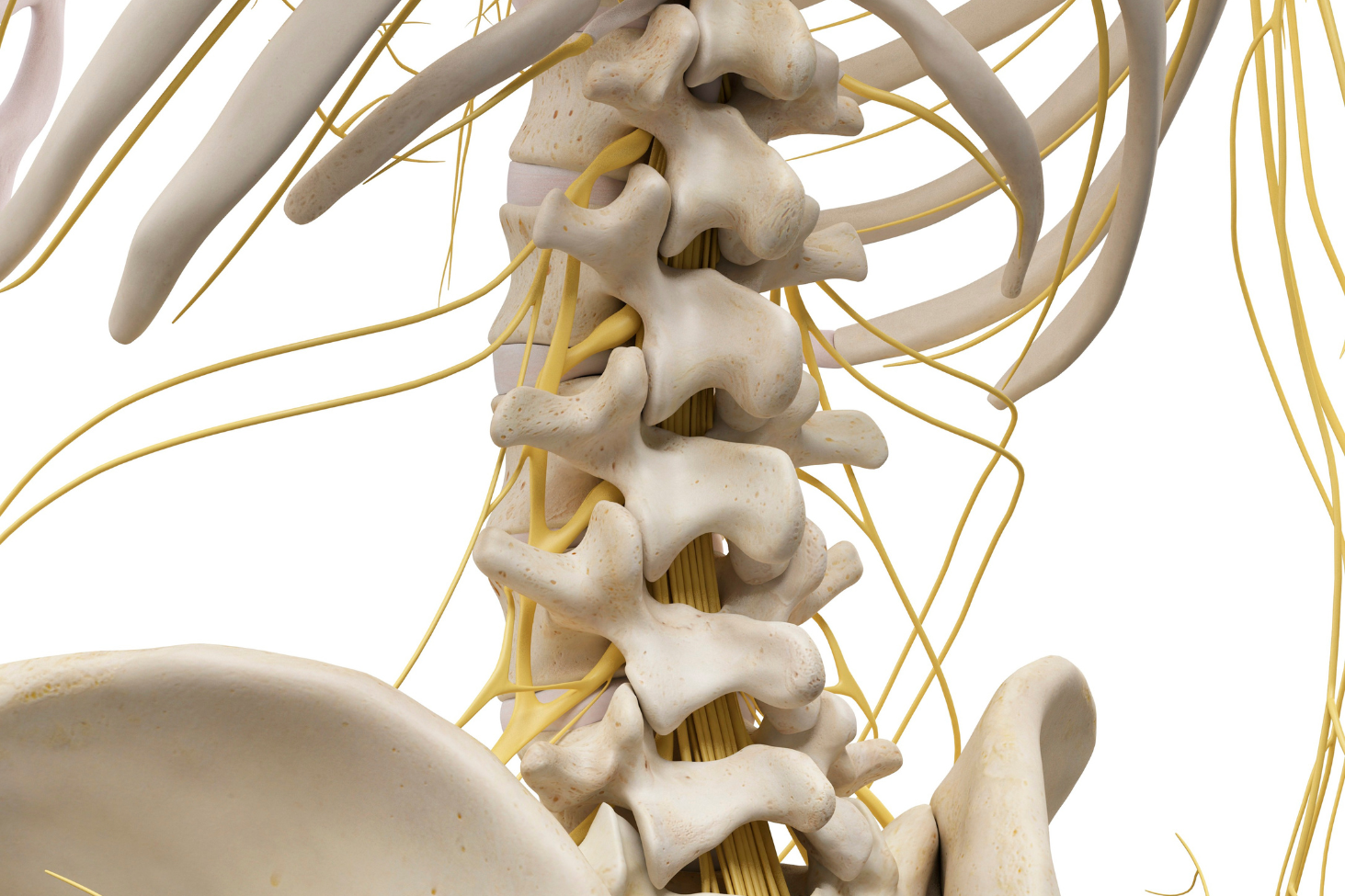
It is a common scenario: you wake up with an acute stiffness in your neck or a deep, localized ache in your lumbar spine. It is easy to attribute the discomfort to a poor sleeping posture or natural aging, consume an over-the-counter analgesic, and continue with your daily routine. When a nerve root exiting the spinal column becomes structurally compressed or irritated — a clinical condition known as radiculopathy — pain is typically the initial symptom to manifest. Because this...
read more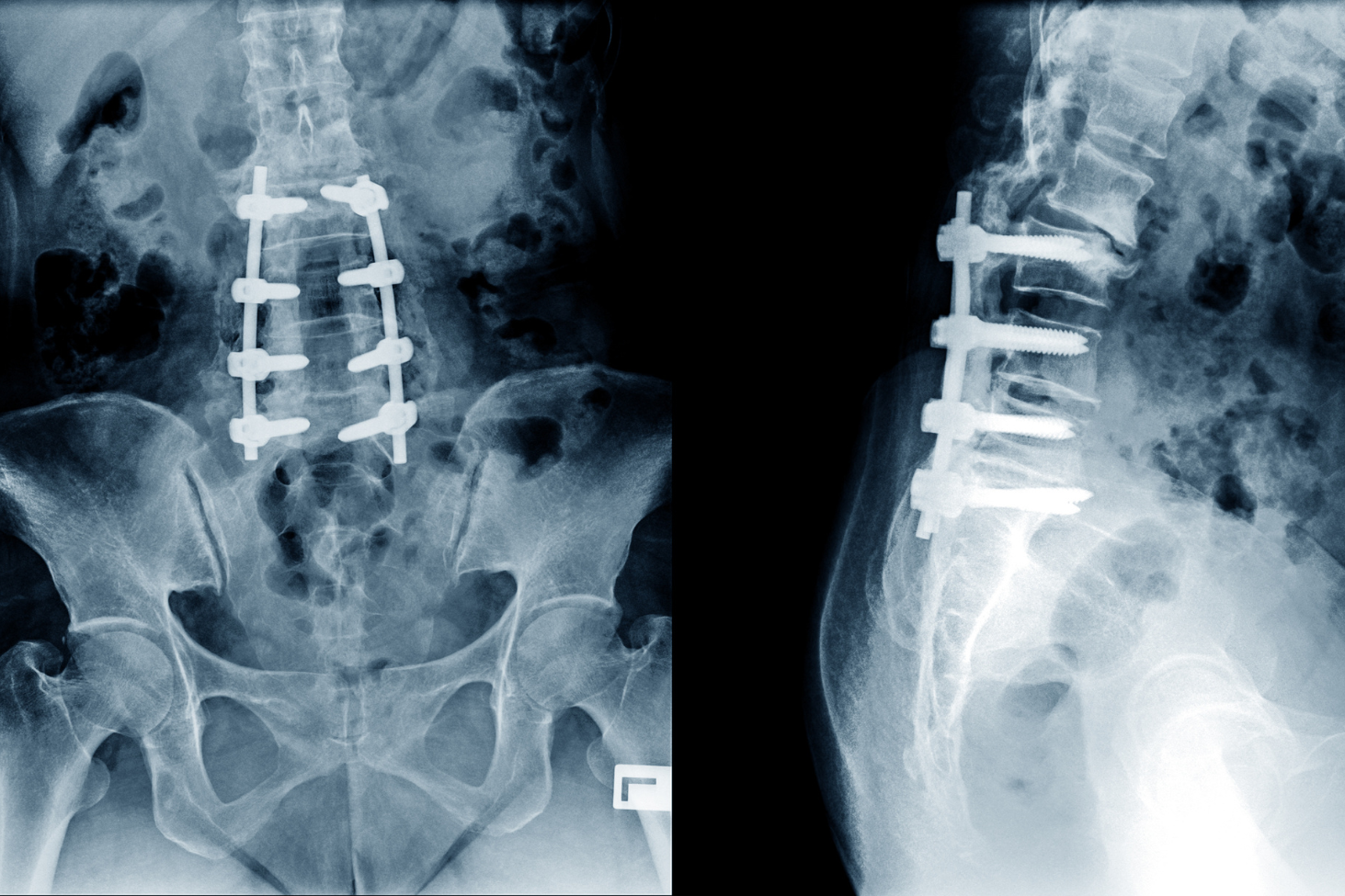
Few clinical scenarios are as profoundly frustrating for a patient as undergoing a major spinal intervention, completing weeks of postoperative physical therapy, and realizing that chronic axial or radicular pain persists. Navigating the recovery process with ongoing functional limitations can induce significant emotional and physical exhaustion. If you are experiencing persistent or new symptoms following a spinal operation, your therapeutic options are not exhausted. Many patients with ongoing pain after surgery can still benefit from additional evaluation and treatment. In...
read more