Adjacent Segment Disease After Spinal Fusion: Symptoms, Causes, and Treatment
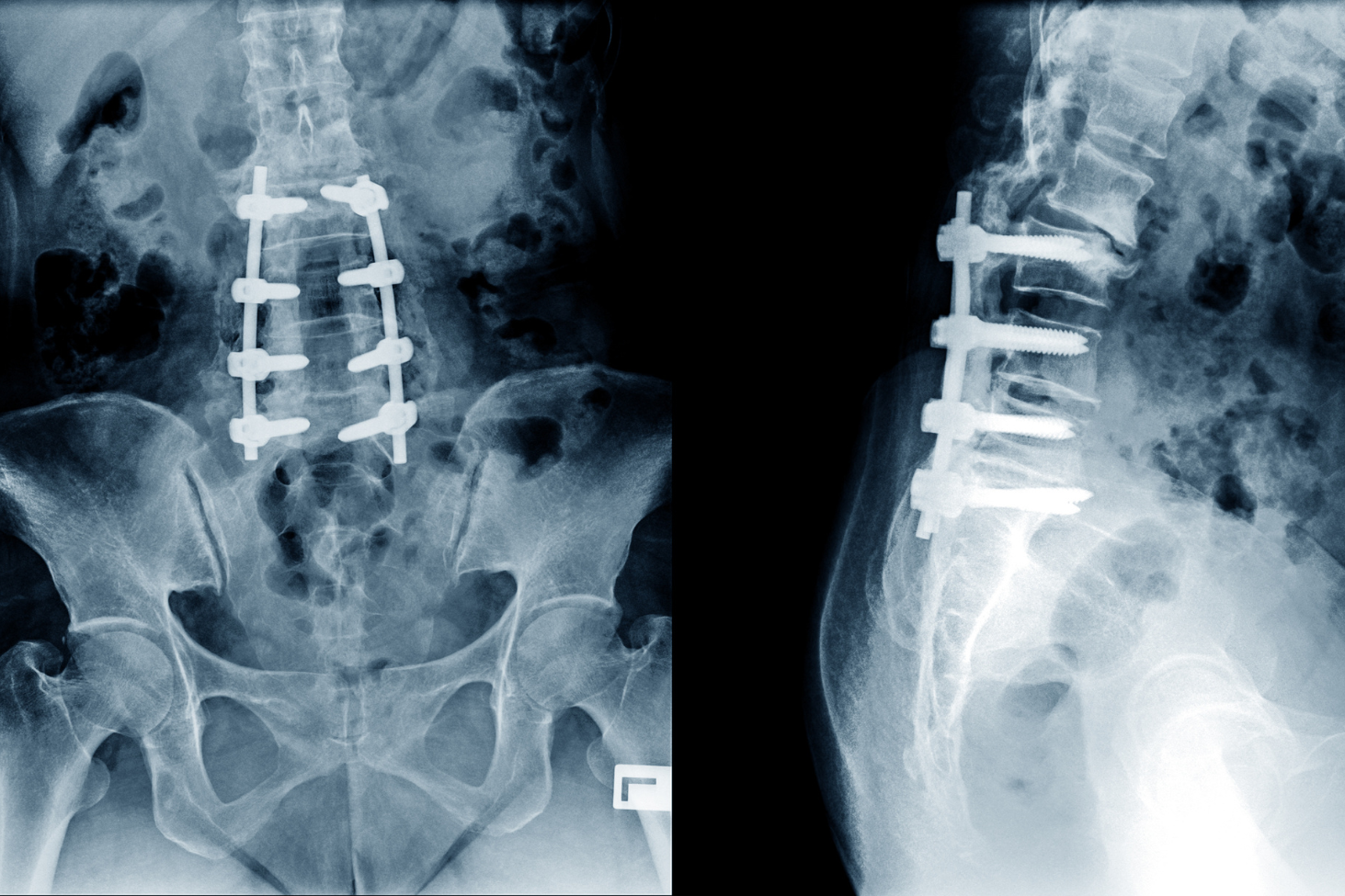
For patients who have undergone an instrumented spinal fusion, achieving a full recovery brings a welcome restoration of function and relief from debilitating axial or radicular pain. Whether treating an unstable spondylolisthesis or severe foraminal stenosis, fusion is highly effective at stabilizing mechanical pain generators.
However, if a familiar ache or nerve pain flares up years down the road, it can be deeply unsettling. It is completely natural to immediately worry that your original surgery has failed.
In a high percentage of cases, this new discomfort is not a failure of the initial operation, but rather a well-documented biomechanical phenomenon known as Adjacent Segment Disease (ASD).
At New Jersey Brain and Spine (NJBS), our neurosurgeons focus on comprehensive patient education. Understanding the structural alterations that occur post-fusion allows patients to take proactive, evidence-based steps to protect their remaining spinal segments and mitigate the progression of adjacent wear-and-tear.
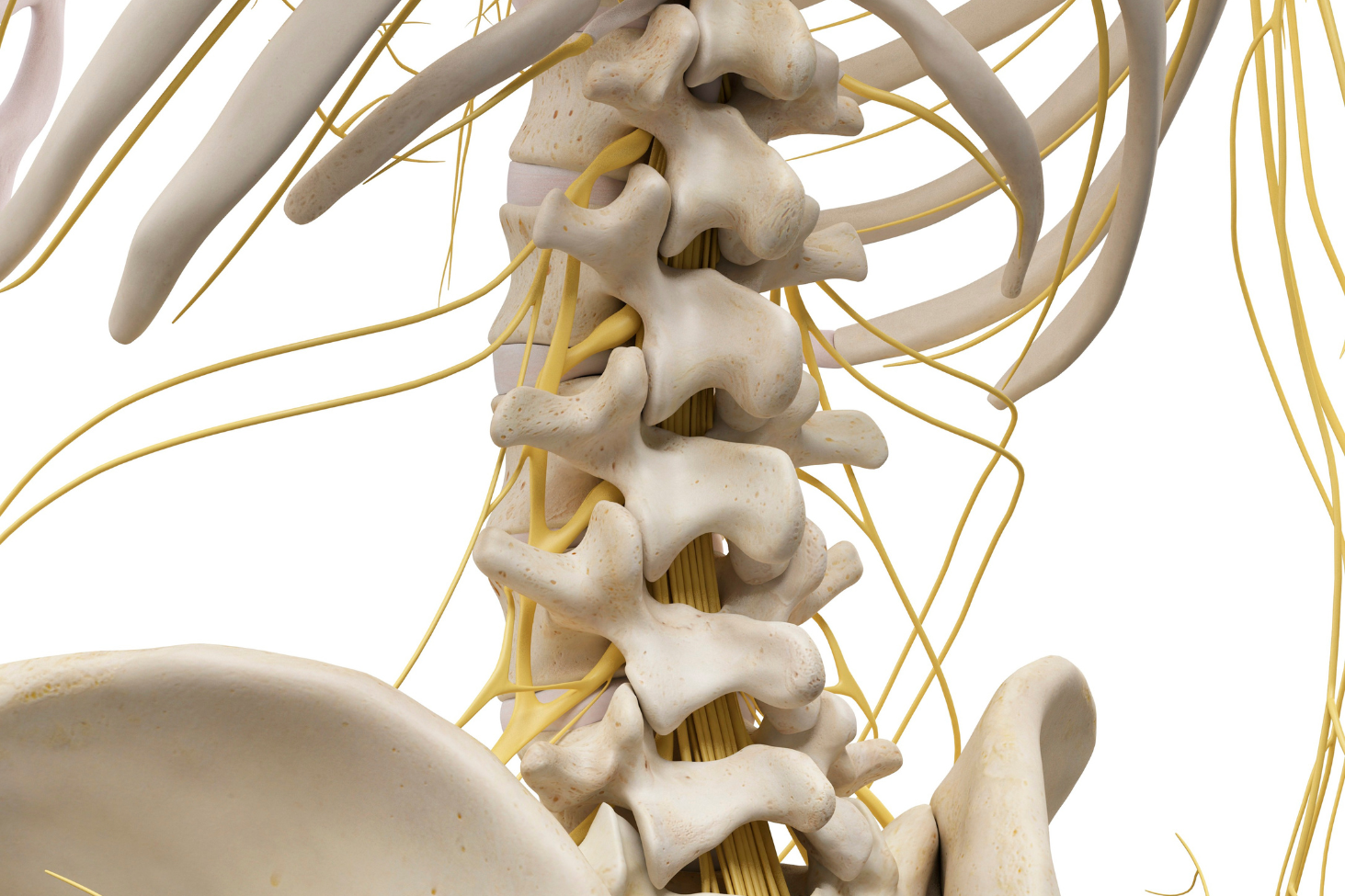
The spine functions as a series of connected motion segments that work together to absorb stress and allow movement. Each disc and joint helps distribute the forces created by everyday activities such as walking, bending, and lifting.
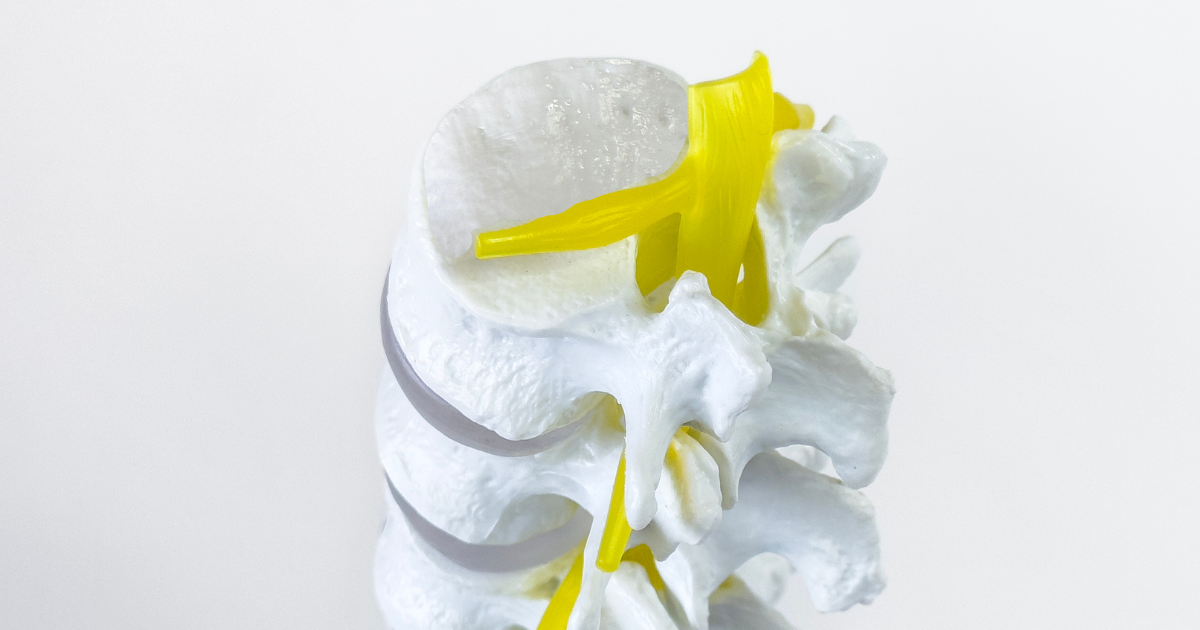
During a spinal fusion, two or more vertebrae are joined together to eliminate painful movement at that level. While this often provides excellent symptom relief, it also changes how the remaining levels of the spine absorb and distribute mechanical stress.
Because the fused level no longer moves independently, the discs and joints above and below the fusion may take on additional workload over time.
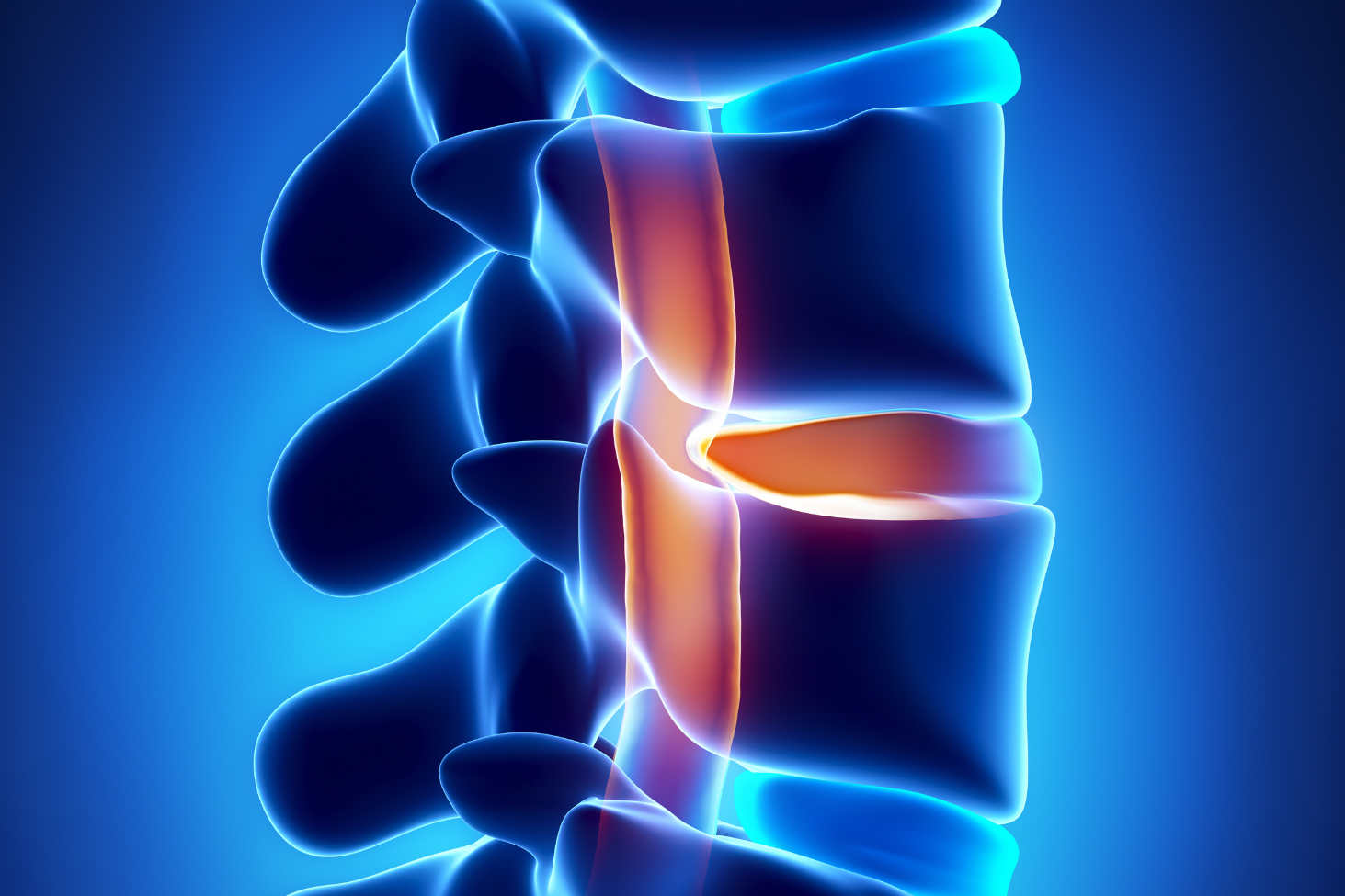
Over many years, this increased stress may contribute to accelerated wear and tear at the neighboring levels of the spine. In some patients, this can eventually lead to symptoms known as Adjacent Segment Disease.
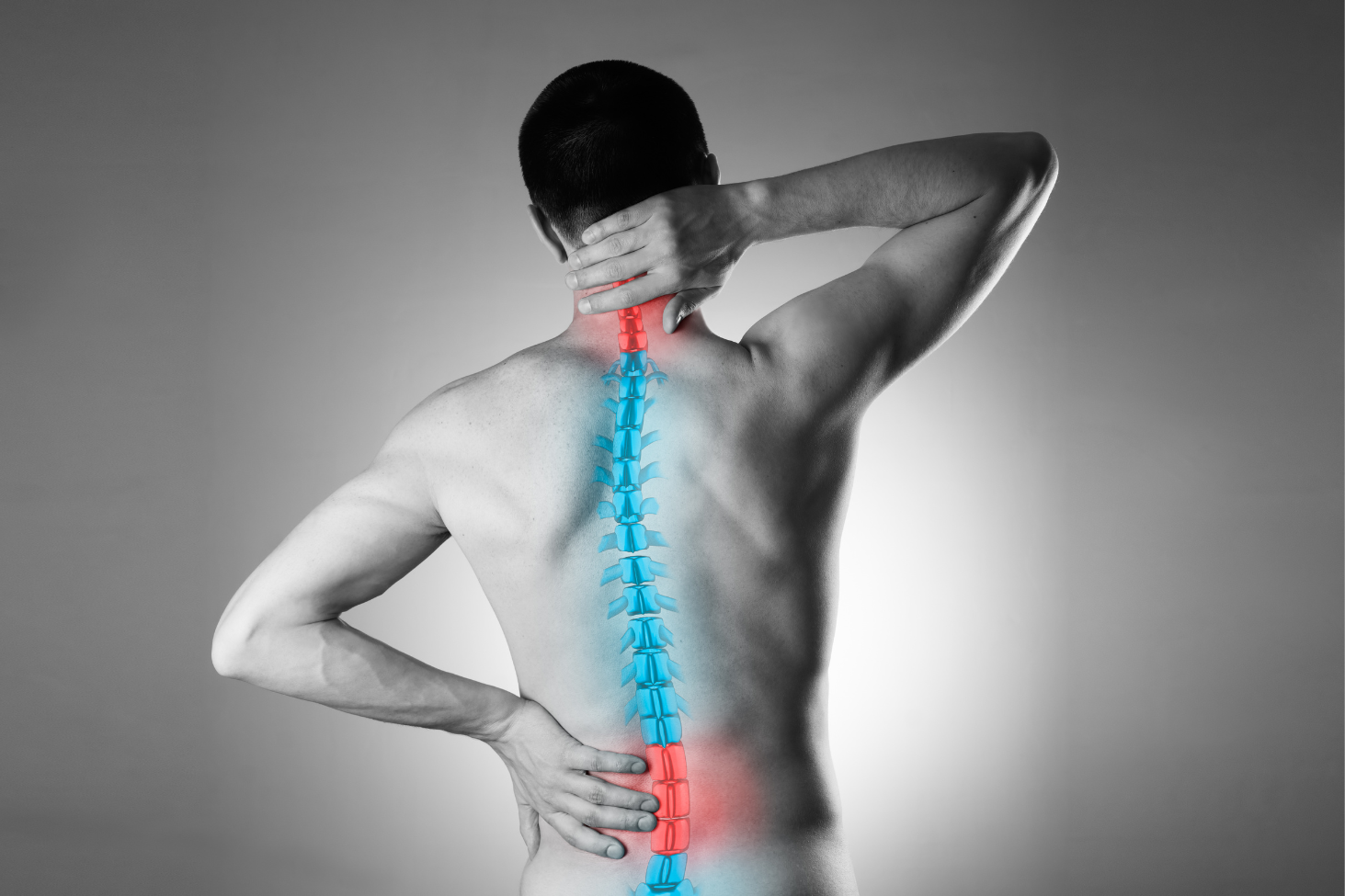
ASD is a gradual, progressive condition that typically manifests years after the primary index operation. The specific clinical presentation depends entirely on whether the original fusion was executed in the neck (cervical spine) or the lower back (lumbar spine).
Common diagnostic indicators that an adjacent motion segment is undergoing symptomatic structural wear include:
When a familiar ache or nerve pain flares up years after a spinal fusion, it can be deeply unsettling. It is completely natural to immediately worry that your original surgery has failed. However, it often isn’t a failure of the initial procedure at all. Instead, it might be a condition known as Adjacent Segment Disease (ASD).
Because a spinal fusion locks two or more vertebrae together to stop painful movement, the spine segments directly above and below that fusion have to work a little harder to compensate. Over time, this extra workload can cause those neighboring levels to wear down faster. But how do you know if your new pain is actually ASD or simply a temporary muscle strain, arthritis, or a new, unrelated issue? Sorting this out requires looking closely at how the symptoms behave.
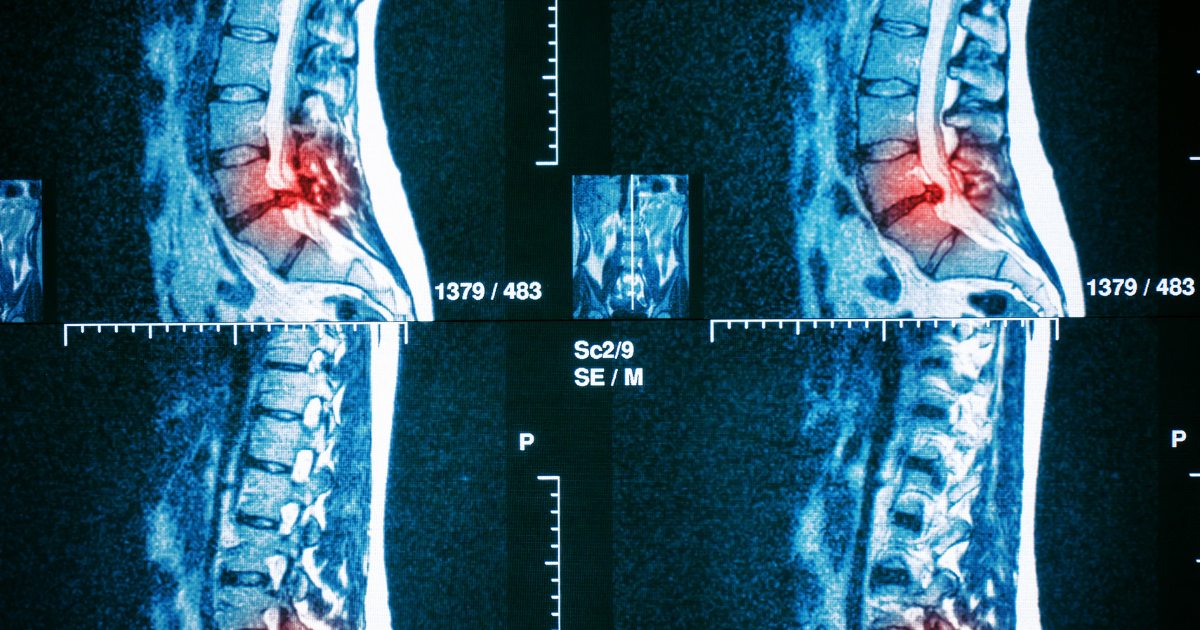
Diagnosing Adjacent Segment Disease is a step-by-step process that focuses on finding the exact source of your discomfort. At NJBS, our specialists don’t just treat an MRI report — we look at the whole picture to see how your symptoms correlate with your previous surgery.
While it is not always entirely possible to prevent Adjacent Segment Disease, as some wear and tear is a natural part of aging and spinal mechanics, there are several proactive steps you can take to protect your spine and significantly lower your risk:
Peer-reviewed studies in The Spine Journal indicate that approximately 20% to 30% of patients may exhibit some radiographic evidence of adjacent segment degeneration within 10 years following an index spinal fusion. However, having structural wear show up on an MRI does not automatically equate to physical pain. We treat the patient’s objective neurological presentation, not asymptomatic changes on a scan.
Yes. Modern neurosurgical pathways focus heavily on motion-preservation. If a patient is facing an initial operation for a cervical disc herniation, options like Cervical Artificial Disc Replacement (ADR) allow the treated joint to maintain its natural movement. By absorbing and distributing kinetic shock normally, ADR avoids the rigid fixation of a fusion and may reduce stress on adjacent levels.
Low-impact cardiovascular and isometric exercises are highly recommended. Activities such as swimming, walking, and utilizing a stationary bicycle promote local circulation and muscle conditioning without subjecting the adjacent discs to harsh, repetitive axial impacts. Patients should consult with their NJBS specialist or a physical therapist before initiating advanced core-strengthening programs.
Yes. If comprehensive conservative measures fail to provide functional relief and the adjacent segment exhibits progressive instability or severe nerve compression, a revision surgery to extend the fusion construct to the next level is a safe, effective option. Our neurosurgeons utilize intraoperative navigation and minimally invasive techniques to execute these revision procedures with high precision, reducing soft-tissue disruption.
ASD is a slow, chronic degenerative process rather than an acute post-operative complication. It is rare for adjacent segment issues to present in the immediate months following surgery. Symptoms typically begin to manifest anywhere from 3 to 10+ years down the road, as the long-term compounding effects of altered mechanical stress gradually break down the neighboring tissues.
NJBS serves patients across northern New Jersey and the greater tri-state area, with offices in Paramus, Hackensack, Montclair, Montvale, Annandale, and Englewood. No referral is required to schedule a consultation.