Can Sciatica Go Away on Its Own? A Neurosurgeon’s Honest Answer
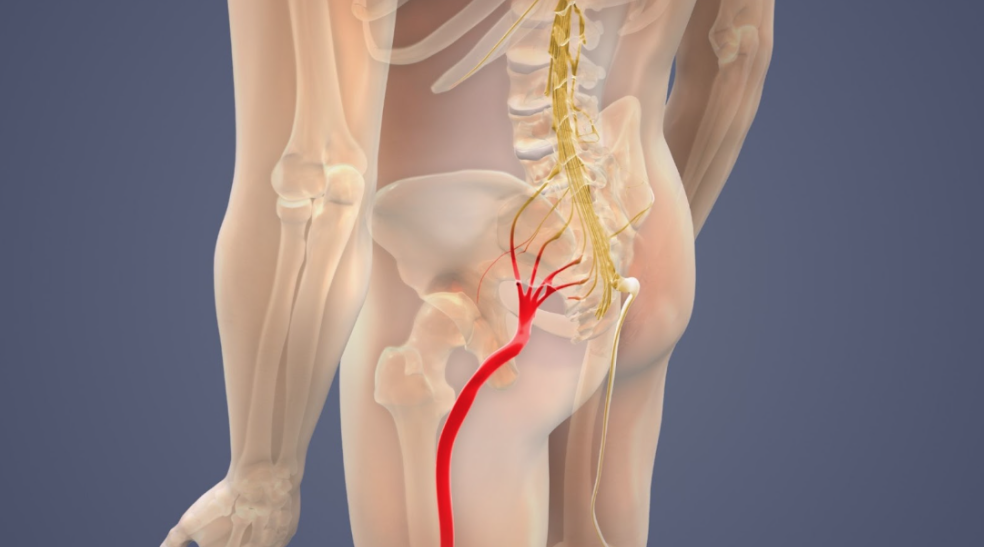
Most sciatica cases improve without surgery, but the timeline and the right approach matter: here is what the evidence actually shows.
Will sciatica resolve without surgery? It is the most common question in initial sciatica consultations at New Jersey Brain and Spine. Here is the honest, research-backed answer.
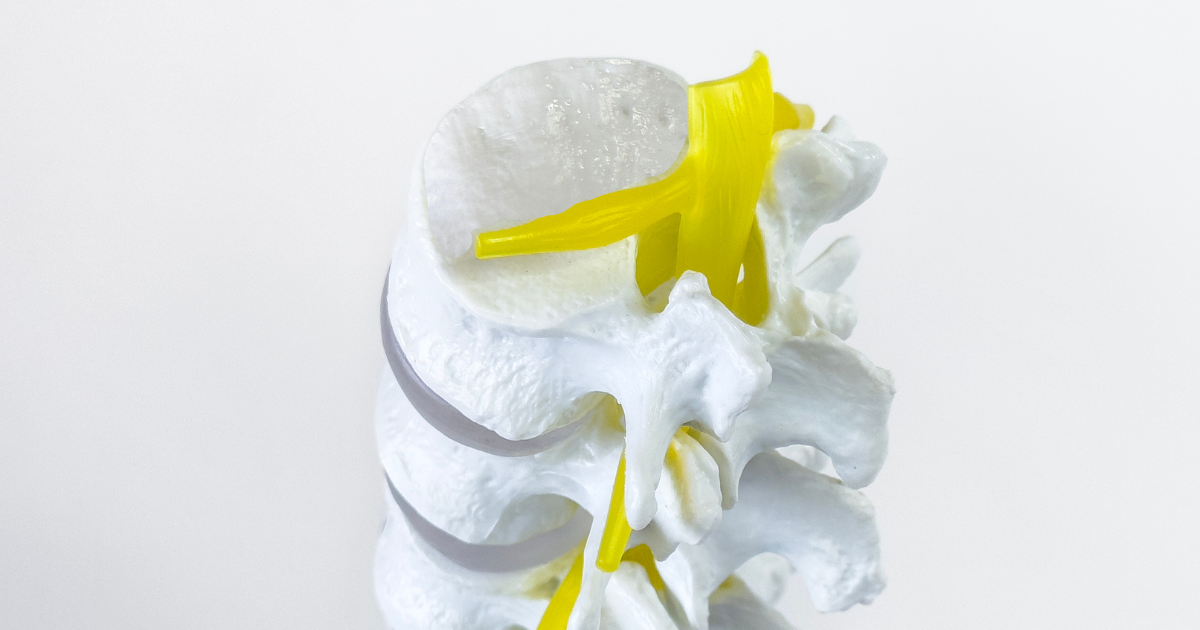
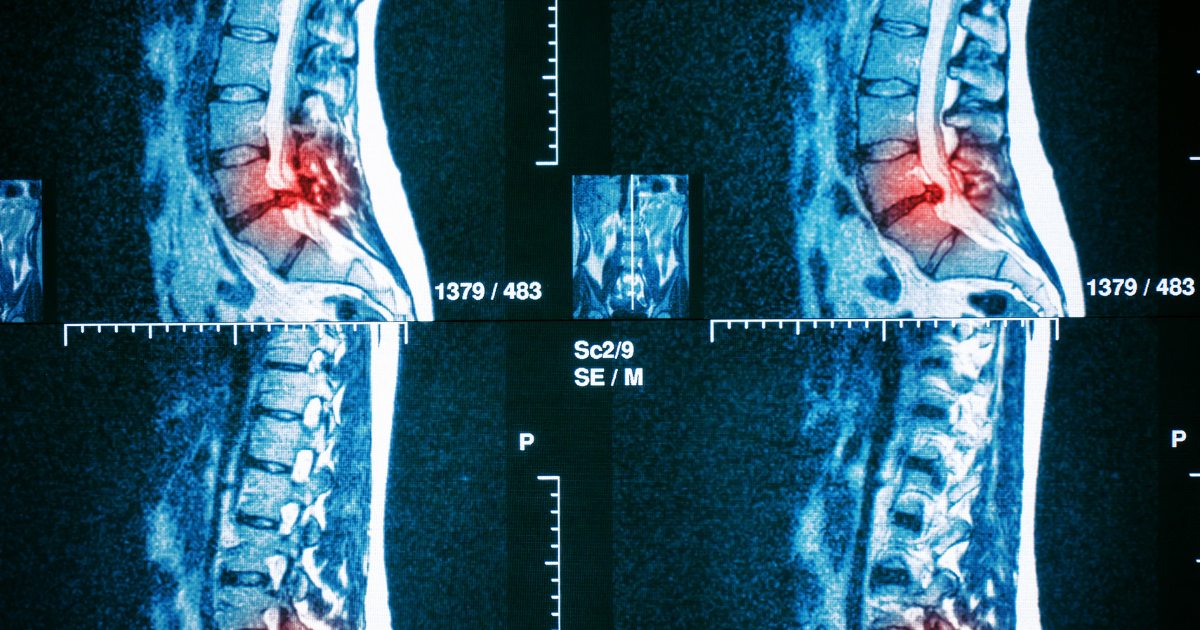
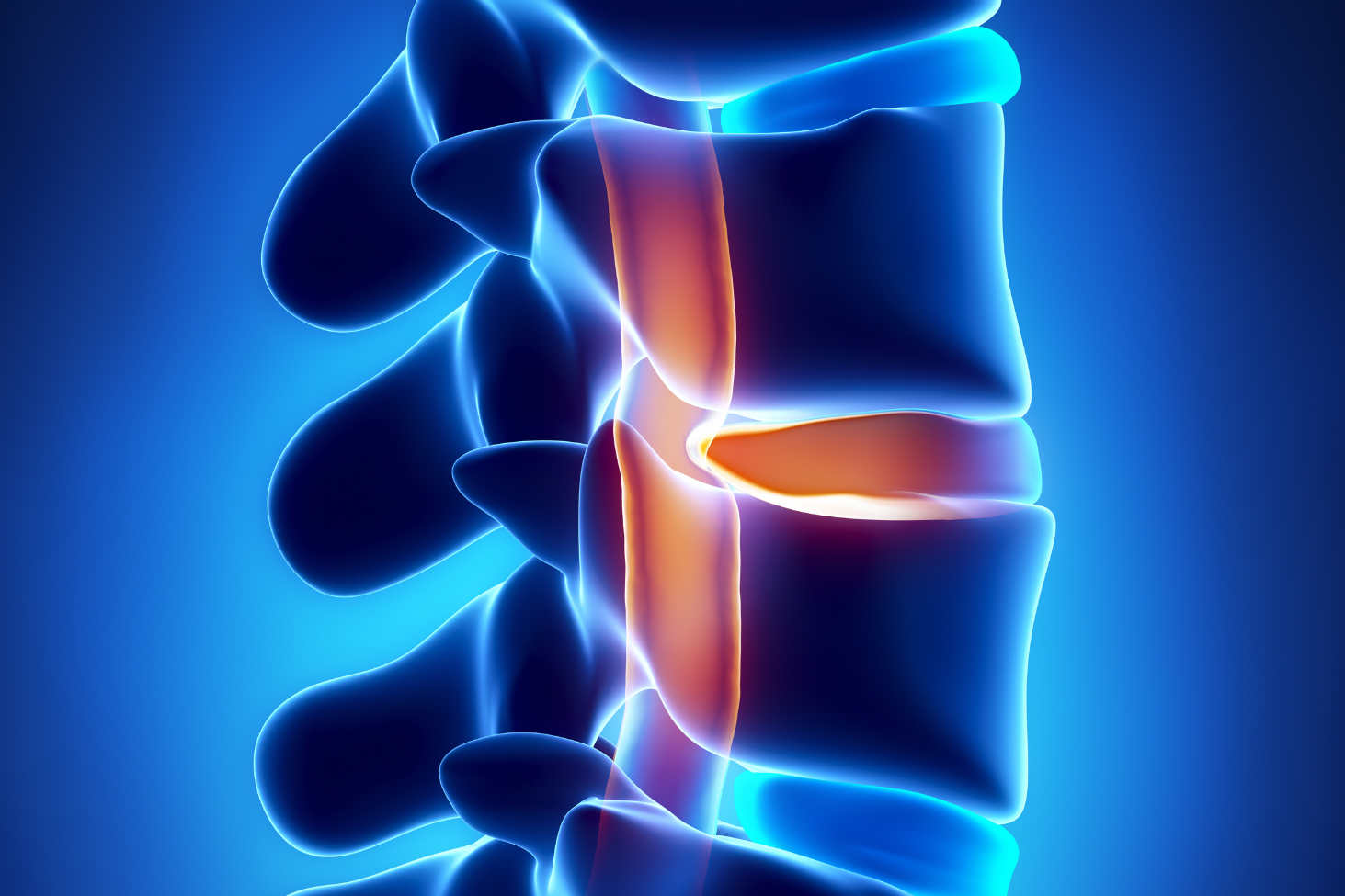
The research consistently shows that 80 to 90% of sciatica cases improve without surgery. For most patients with acute sciatica caused by a herniated disc, the body’s natural healing processes reduce inflammation around the nerve root, the herniated disc material gradually reabsorbs, and symptoms diminish over weeks to months.
But “most cases” does not mean “all cases,” and it does not mean “without effort.” The patients who recover fastest are typically the ones who stay appropriately active, pursue the right conservative treatments, and have regular follow-up to catch warning signs early.
The timeline for sciatica recovery varies significantly based on several factors:
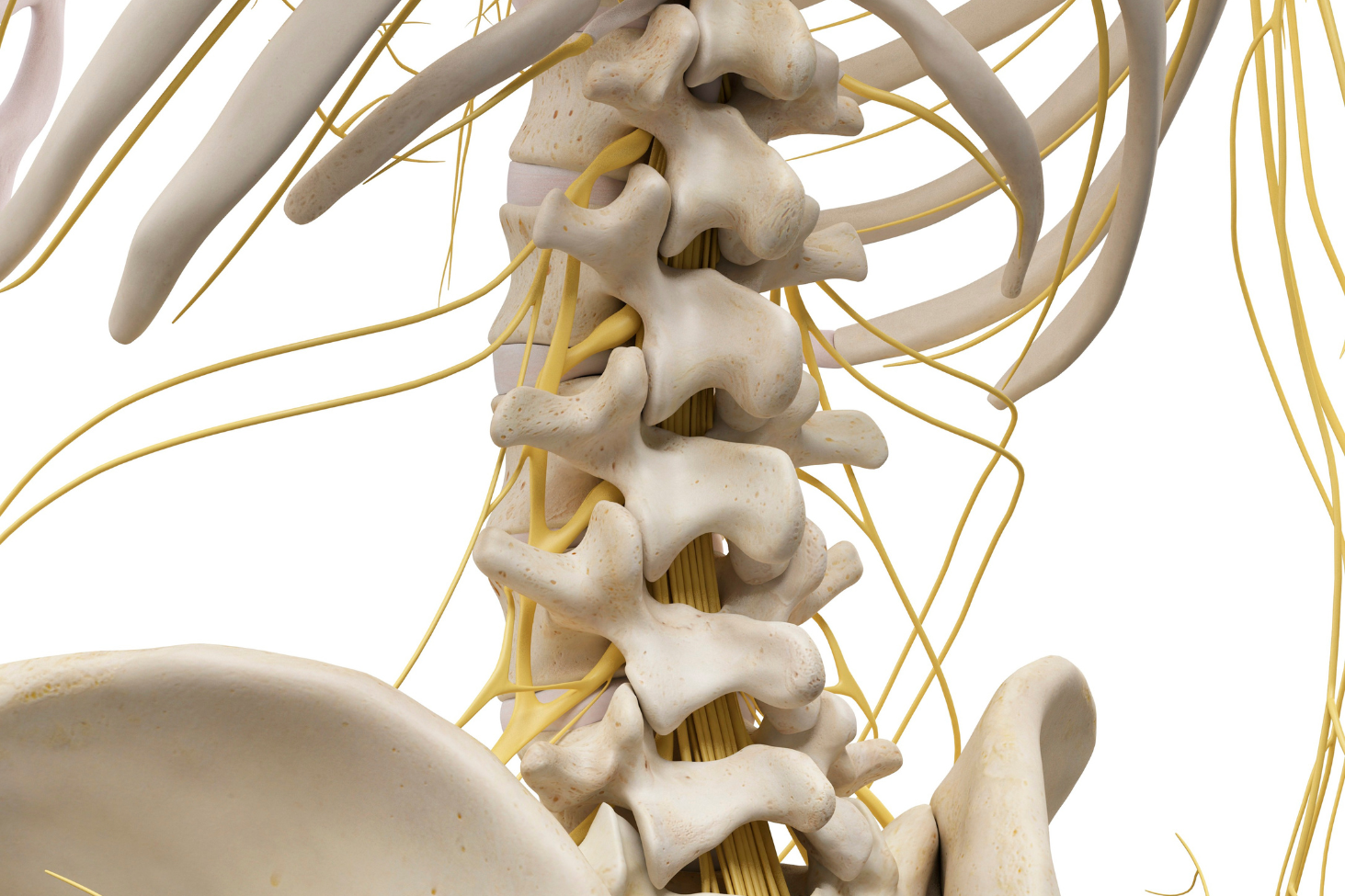
Sciatica caused by an acute disc herniation in a younger adult often resolves faster than sciatica from spinal stenosis in an older adult. In stenosis-driven sciatica, the narrowing of the spinal canal does not self-correct: symptoms may be manageable with conservative care, but the structural cause persists.
Mild nerve root irritation may resolve within days to weeks. Significant compression causing muscle weakness or marked sensory loss suggests more advanced nerve involvement, which takes longer to recover and, if left unaddressed, may not fully resolve.
Complete bed rest slows recovery. Patients who maintain reasonable activity levels, walking, gentle movement, avoiding prolonged positions that aggravate the nerve, consistently do better than those who stop moving entirely.
Sciatica that receives early physical therapy and appropriate anti-inflammatory treatment tends to resolve faster than sciatica left to run its course without any management.
Younger, healthier patients generally recover more quickly. Conditions such as diabetes (which affects nerve health) and obesity (which adds load to the lumbar spine) can lengthen the recovery process.
Not all conservative treatments are equally effective. Here is what the evidence supports:
Exercise-based physical therapy, particularly programs targeting core stabilization, lumbar flexibility, and nerve mobilization, is the most evidence-supported conservative treatment for sciatica. Passive modalities alone (heat, ultrasound, massage) are less effective without an active exercise component. Your physical therapist may also use nerve gliding exercises, which help reduce the sensitivity of the irritated nerve.
NSAIDs such as ibuprofen or naproxen reduce inflammation around the nerve root and are the first-line medication option for most patients. For more severe acute pain, a short course of oral corticosteroids can reduce inflammation more rapidly. Neuropathic agents such as gabapentin may be appropriate for patients with persistent nerve pain that does not respond to NSAIDs.
When sciatica pain is severe enough to prevent meaningful participation in physical therapy, or when it has not responded to 4 to 6 weeks of oral medications and home exercise, an epidural steroid injection can provide targeted anti-inflammatory relief directly at the affected nerve root. Injections do not cure the underlying structural problem, but they create a window of pain relief that allows patients to engage with rehabilitative exercise.
Walking is generally beneficial: it promotes circulation, prevents deconditioning, and maintains joint mobility. Patients should avoid activities that worsen radicular symptoms: prolonged sitting, forward bending, and heavy lifting during the acute phase.
Prolonged bed rest beyond 24 to 48 hours is not effective and can delay recovery. Opioid medications are not recommended for most sciatica cases and carry significant risks without demonstrated benefit for nerve pain.
Certain symptoms indicate that sciatica may not self-resolve and requires specialist evaluation:
Surgery for sciatica is not a failure of conservative treatment: it is the appropriate next step when conservative treatment has been genuinely tried and has not provided adequate relief. At New Jersey Brain and Spine, surgery is considered when:
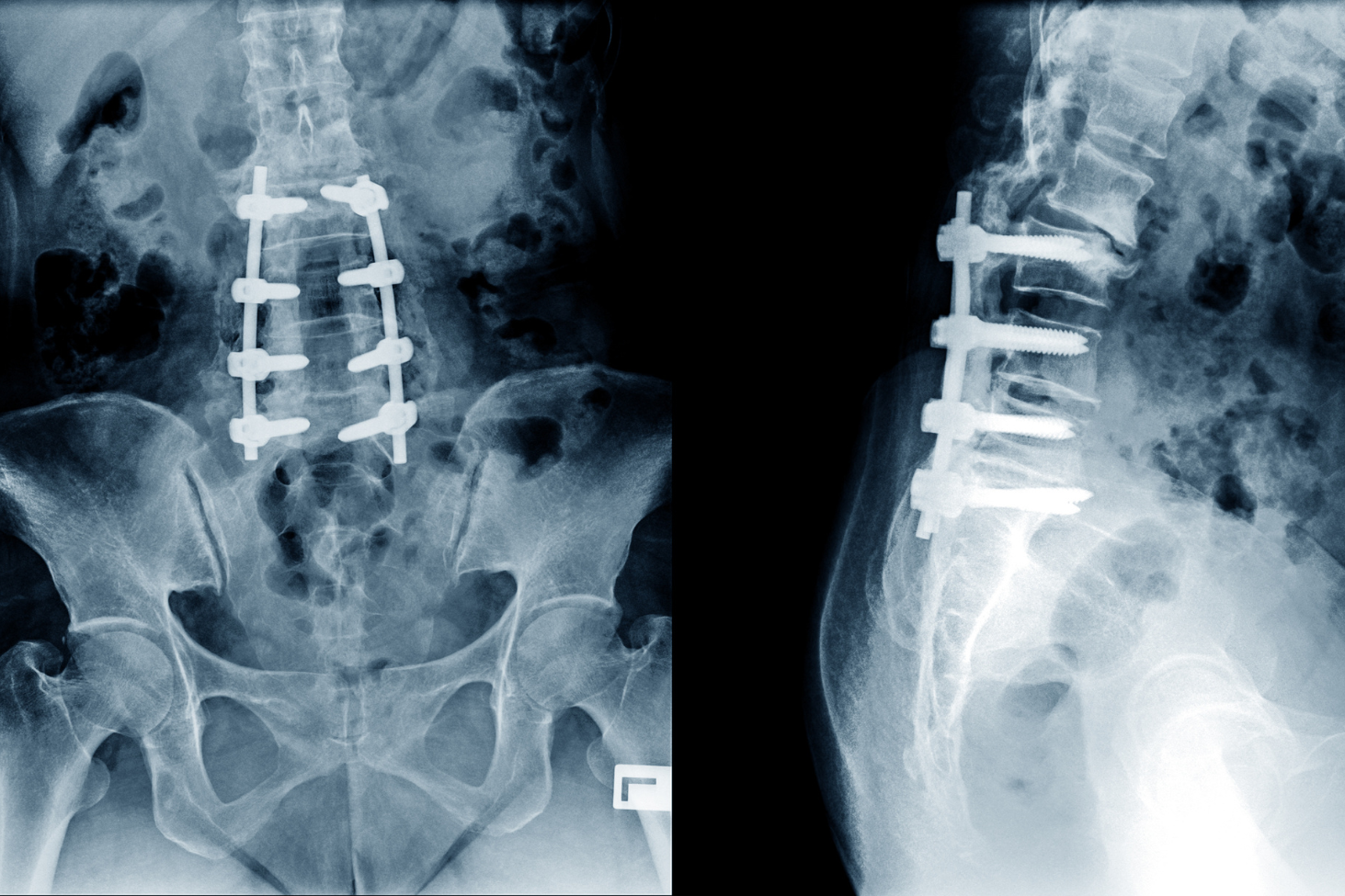
For sciatica caused by a herniated disc, the most common surgical procedure is a minimally invasive discectomy or microdiscectomy, which removes the portion of the disc compressing the nerve root. The sciatica treatment options at NJBS explains surgical and non-surgical approaches in detail.
The great majority of patients who meet appropriate surgical criteria have excellent outcomes. Leg pain improves faster after surgery than with extended conservative care alone, and the risk of permanent neurological damage from waiting too long with progressive weakness is real.
NJBS serves patients across northern New Jersey and the greater tri-state area, with offices in Paramus, Hackensack, Montclair, Montvale, Annandale, and Englewood. No referral is required to schedule a consultation.