Understanding Lumbar Spondylolisthesis: Key Information for Patients in New Jersey
If you’ve been struggling with persistent lower back pain or uncomfortable leg symptoms, you might wonder what’s really going on beneath the surface. One possible cause is lumbar spondylolisthesis, a condition that affects many people but isn’t always well understood.
Lumbar spondylolisthesis occurs when one of the vertebrae in your lower spine (lumbar region) slips forward over the vertebra beneath it. The pain caused by this condition can vary widely, from occasional dull aches in the lower back to severe, debilitating pain that interferes with daily life.
The prognosis depends on factors such as the type and severity of spondylolisthesis, the patient’s age, activity level, and response to treatment. Fortunately, most people experience favorable outcomes, especially with proper management and care from a specialist.
Symptoms of Lumbar Spondylolisthesis
There are several types of lumbar spondylolisthesis, including:
- Isthmic: Caused by a stress fracture in part of the vertebra
- Degenerative: Results from age-related changes such as arthritis or disc degeneration, more common in older adults.
- Congenital: Present from birth due to spinal malformations.
- Traumatic: Caused by an acute injury.
- Pathologic: Due to diseases like tumors or infections.
Symptoms vary depending on the type and cause but commonly include:
- Lower back pain, often worsened by activity
- Leg pain or sciatica
- Muscle tightness or spasms
- Stiffness in the lower back
- Difficulty walking or standing for long periods
- In severe cases: numbness, weakness, or bowel/bladder issues
If you experience these symptoms, especially if you fit common risk profiles (described below), you should consider evaluation for lumbar spondylolisthesis.
Risk Factors for Lumbar Spondylolisthesis
Wondering if you might be at risk? Several factors can increase your chances of developing lumbar spondylolisthesis. Knowing these can help you take proactive steps.
- Age: Degenerative spondylolisthesis is most common in people over 50, particularly women, while isthmic spondylolisthesis often affects adolescents and young adults involved in sports.
- Physical activity: Repetitive spinal extension or hyperextension activities (like gymnastics, football, weightlifting, wrestling) increase risk, especially in teens.
- Genetics/family history: Inherited weakness or defects in spinal structures can predispose individuals.
- Gender: Women, especially postmenopausal, have a higher risk of degenerative types.
- Anatomical abnormalities: Congenital spinal defects or abnormal curvatures like scoliosis or lordosis.
- Obesity: Excess weight stresses the lumbar spine, accelerating degeneration.
- Previous injury or surgery: Trauma or spinal surgery can destabilize the spine.
- Degenerative conditions: Arthritis, disc disease, and spinal stenosis increase vulnerability.
What Types of Doctors Treat Lumbar Spondylolisthesis?
Most neurosurgeons are extremely knowledgeable and experienced when it comes to treatment for lumbar spondylolisthesis.
If your neurosurgeon suspects spondylolisthesis, he or she will start with a physical exam and discuss your symptoms and medical history. Imaging tests like X-rays can then help visualize the vertebrae’s alignment. Your neurosurgeon might also order an MRI or CT scan to assess nerve involvement or soft tissue damage.
At New Jersey Brain and Spine, our subspecialized team provides prompt, compassionate care tailored to each patient’s needs, utilizing the latest advances in spine medicine. This team includes:
- Dr. George J. Kaptain
- Dr. Giorgio J. Rotolio
- Dr. Mohammad Faraz Khan
- Dr. Patrick A. Roth
- Dr. Paul S. Chirichella
- Dr. Peter Schmaus
- Dr. Roy D. Vingan
- Dr. Ira M. Goldstein
- Dr. Kangmin Daniel Lee
What Can a Neurosurgeon Do to Treat Lumbar Spondylolisthesis?
The good news is that many people find relief through a range of treatments, from simple lifestyle changes to advanced surgical options, depending on the severity.
Nonsurgical treatments: Mild cases, especially degenerative or low-grade isthmic spondylolisthesis, often respond well to conservative treatments such as physical therapy, core-strengthening exercises, bracing, medications, and activity modification. Many patients achieve significant symptom relief and maintain normal activity without surgery.
Surgical treatments. Higher-grade slips (Grade III or above), nerve compression, or spinal instability may require surgery. Symptoms like worsening leg weakness, numbness, or bladder/bowel problems often indicate surgery is necessary. Spinal fusion is a well-established surgical option for treating lumbar spondylolisthesis. It can relieve pain, improve mobility, and restore quality of life for many people. Recovery can take several months, but most patients return to daily activities with less pain and improved function.
Our specialized neurosurgery team at New Jersey Brain and Spine ensures expert, compassionate care to achieve the best outcomes.
When to Seek Emergency Care
While most cases of lumbar spondylolisthesis can be managed with routine care, certain symptoms require immediate medical attention. Contact your healthcare provider or go to the emergency room if you experience:
- Sudden, severe weakness or numbness in one or both legs
- Loss of bladder or bowel control (incontinence)
- Severe, unrelenting pain that doesn’t improve with rest or medication
- Difficulty walking or standing that worsens rapidly
These signs may indicate serious nerve compression or spinal cord involvement, and urgent evaluation is critical.
Questions to Ask Your Doctor About Lumbar Spondylolisthesis
Going to a doctor’s appointment prepared can help you get the most out of your visit. Consider asking:
- What type of lumbar spondylolisthesis do I have, and how severe is it?
- What treatment options are best for my condition?
- Are there activities I should avoid or modify?
- How soon should I expect to feel better with treatment?
- When should I consider surgery?
- What can I do at home to support my recovery?
- How often should I have follow-up visits or imaging tests?
Don’t hesitate to write down your questions before your appointment. It’s your health, and understanding your condition is key to managing it well.
Case Study: Successful Treatment of a Patient with Lumbar Spondylolisthesis
Maria, a 56-year-old teacher, suffered from worsening lower back pain radiating to her right leg, along with numbness and weakness that made walking difficult. After evaluation at New Jersey Brain and Spine, an MRI revealed Grade II isthmic spondylolisthesis at L5-S1 compressing the nerve root.
She initially tried conservative treatments, including physical therapy, medication, and steroid injections, but her symptoms persisted. When quality of life declined, she and her neurosurgeon opted for minimally invasive spinal fusion surgery.
Maria recovered steadily, walking within days and returning to work within three months. At six months post-op, she was pain-free and fully active. Both she and her family are grateful for the lasting relief surgery has provided.
Why Trust NJBS Neurosurgeons for Lumbar Spondylolisthesis Care in New Jersey?
New Jersey Brain and Spine is recognized as one of the top neurosurgery practices nationwide. Our team combines extensive expertise with a patient-first philosophy, tailoring care plans to each individual’s unique needs. If you or a loved one experience symptoms of lumbar spondylolisthesis, contact New Jersey Brain and Spine today.
Frequently Asked Questions (FAQs) about Lumbar Spondylolisthesis
How is lumbar spondylolisthesis treated?
How serious is lumbar spondylolisthesis?
What should I avoid if I have lumbar spondylolisthesis?
When is surgery necessary?
Are there new treatments for lumbar spondylolisthesis?
What happens if lumbar spondylolisthesis is left untreated?
Source: NIH / StatPearls
Have More Questions about This Condition
New Jersey Brain and Spine Earns #3 National Ranking For Neurosurgical Practices
New Jersey Brain and Spine has once again been recognized among the nation’s elite neurosurgical practices—this time...
Patient Story: Patient Gets Fitness Career Back in Shape Thanks to Dr. Roth
Robin Bray is the owner of FitnessBarre™, a popular local workout studio in Midland Park, New Jersey. The...
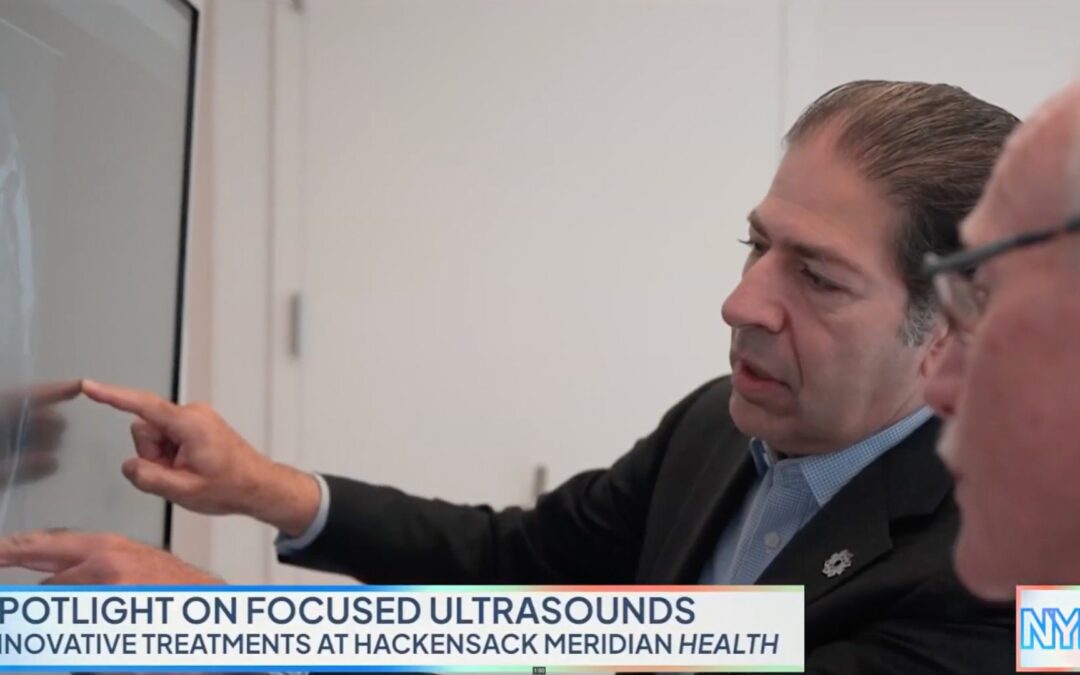
NJBS Highlighted for Advanced Tremor Treatment With Hackensack Meridian Health
New Jersey Brain & Spine was recently featured alongside Hackensack Meridian Health, highlighting the impact of...

Patient Story: Ashley’s Recovery After Cervical Disc Herniation
A stroke at birth left Ashley with cerebral palsy and limited mobility on her right side. So when she woke up at 1...

Back on the Competition Track: A Young Athlete’s Recovery After L4–L5 Disc Herniation Surgery
Severe nerve compression brought life to a halt—lumbar microdiscectomy helped him reclaim strength, mobility, and...
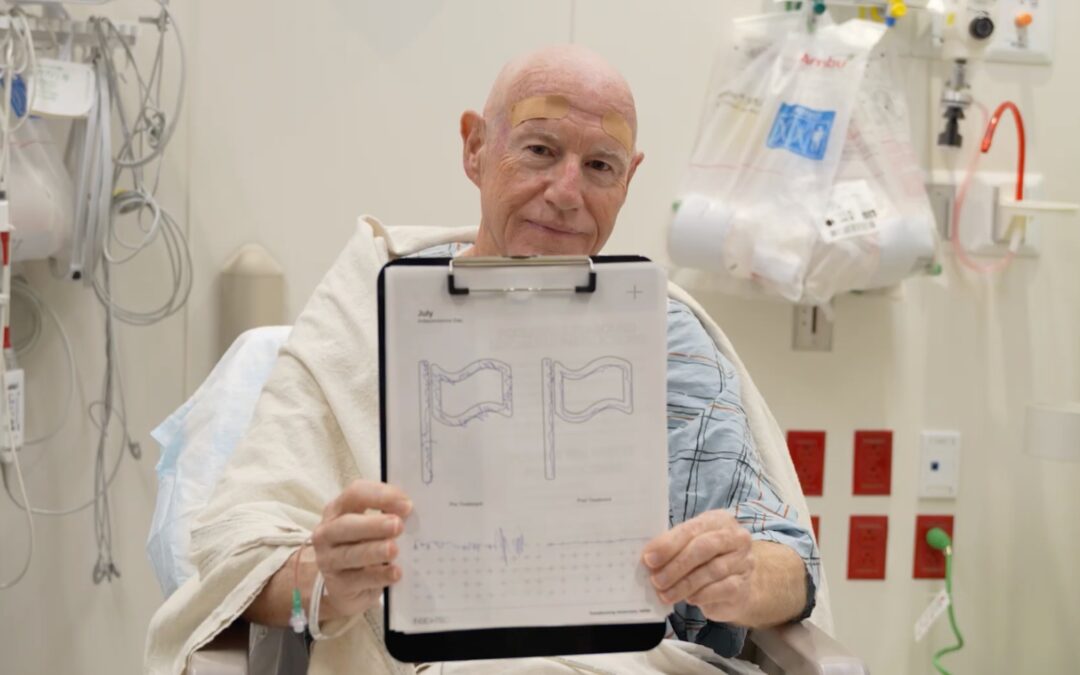
Ground-Breaking HiFu Treatment Re-Opens a Door
Innovative non-invasive essential tremor treatment puts car enthusiast back in the driver’s seat Dan lived with...
Full Patient Story: Chris’s Recovery After L4–5 Posterior Lumbar Interbody Fusion (PLIF)
How an L4–5 Posterior Lumbar Fusion Gave Chris Feeling in His Leg Again and His Life Back Chris was only in his early...
Back in the Game: Brian’s Recovery After C5–6 Disc Replacement
Neck pain and cervical radiculopathy stole his mobility, his golf swing, and his comfort, an artificial disc...

New Jersey Brain and Spine Launches $2000 Healthcare Scholarship to Support Next Generation of Healthcare Professionals
Investing in the future of healthcare: Annual scholarship open to high school and undergraduate students from or...