“Excellent. Dr. Lee takes his time and explains everything thoroughly.”

Sciatica vs. Radiculopathy: What’s the Difference?
Sciatica and radiculopathy are related but not the same: understanding the distinction helps patients ask better questions and get more accurate diagnoses. The terms sciatica and radiculopathy appear interchangeably across medical notes, referrals, and online searches. This confusion is extremely common and understandable, because the two terms describe overlapping but not identical conditions. Here is the clear explanation. The Direct Answer Radiculopathy is the broader clinical term. It refers to symptoms caused by compression or irritation of a nerve root...
read more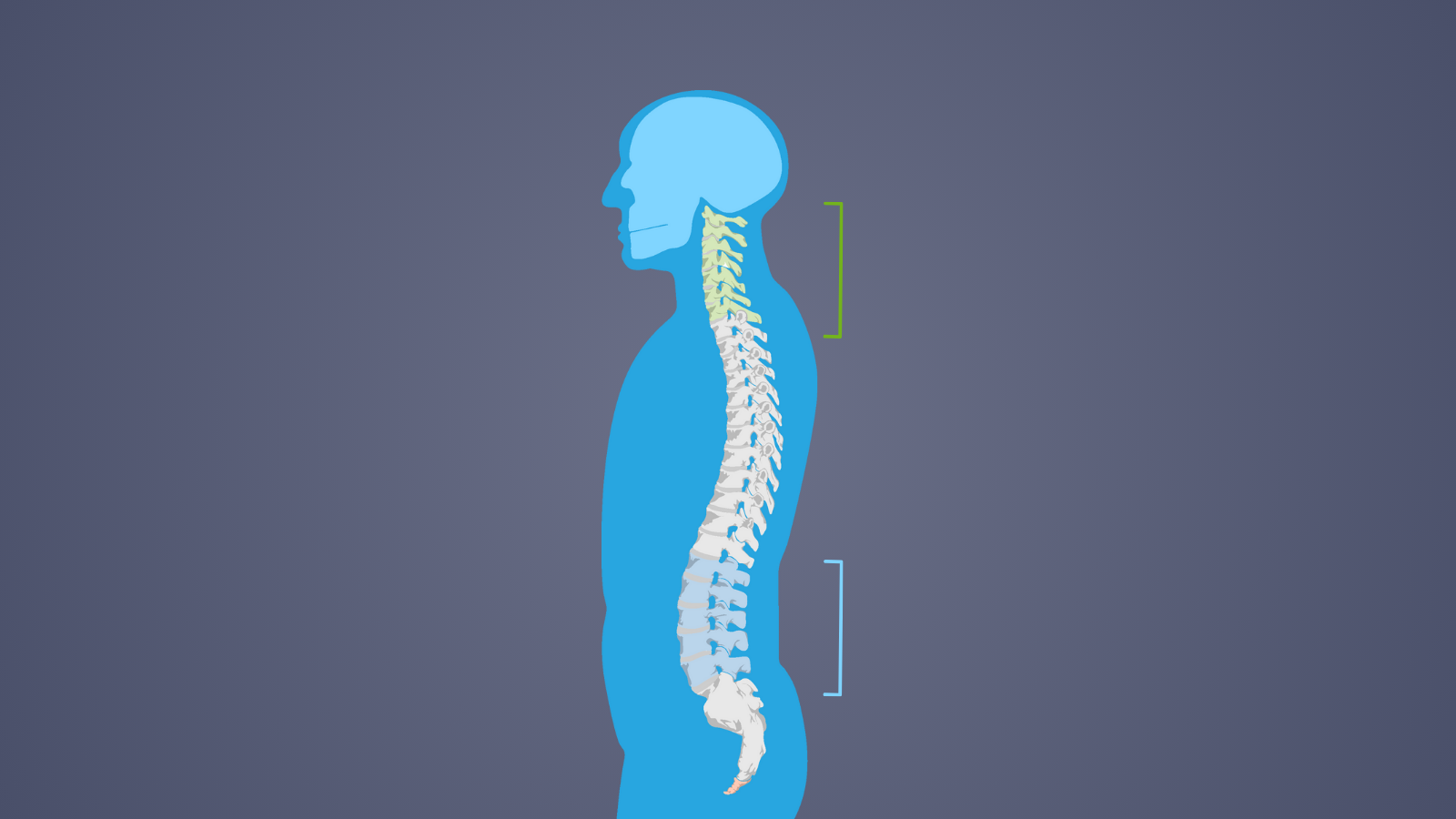
How Do I Make a Spinal Stenosis Treatment Decision?
Surgery and conservative care both have real roles in spinal stenosis treatment: the right answer depends on specific clinical criteria, not a one-size-fits-all recommendation. The most important question in a spinal stenosis consultation is also the most universal: how do I know what the right treatment choice is for me? Here is a clear framework for thinking through it. The Direct Answer: What Guides the Treatment Decision The spinal stenosis treatment decision comes down to four key factors: Symptom severity:...
read more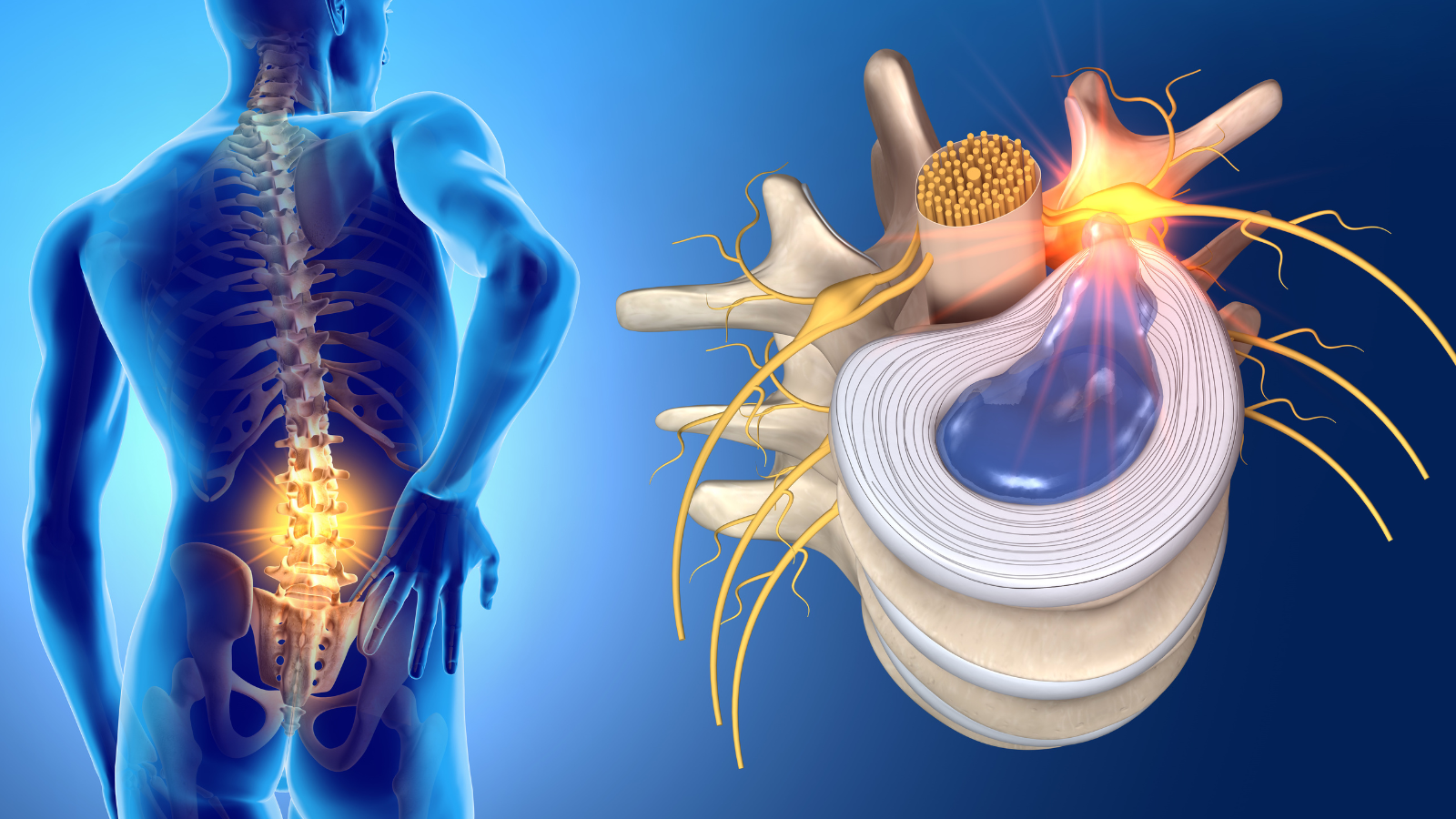
Herniated Disc in 2026: What Actually Works (And When Surgery Is the Answer)
A herniated disc diagnosis raises more questions than answers: this guide covers what the evidence actually shows, from conservative care through the surgical options that work. Most patients arrive at a herniated disc consultation having received conflicting advice from multiple sources. This is the honest, evidence-based guide to what actually works in 2026. What a Herniated Disc Actually Is A herniated disc occurs when the soft inner material of a spinal disc, the nucleus pulposus, breaks through a tear in...
read more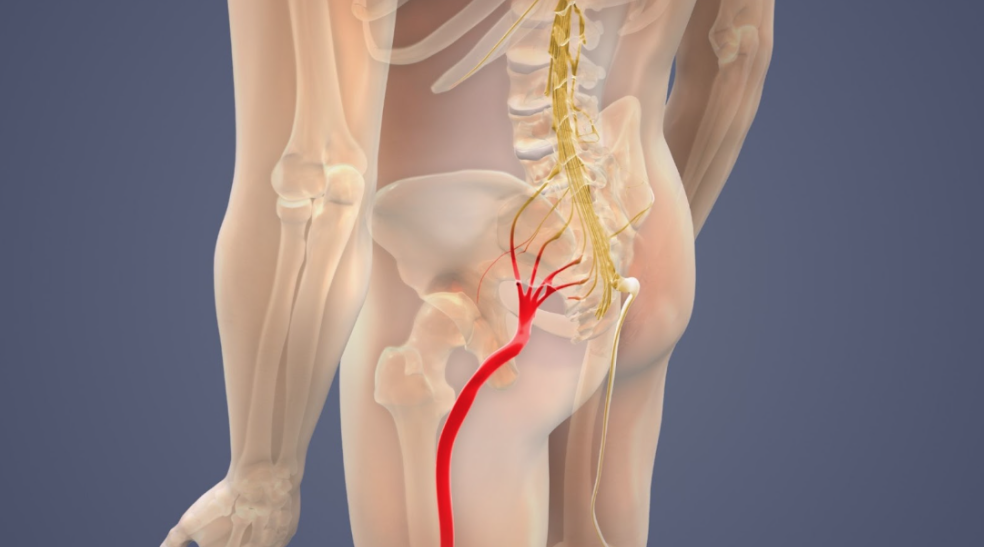
Can Sciatica Go Away on Its Own? A Neurosurgeon’s Honest Answer
Most sciatica cases improve without surgery, but the timeline and the right approach matter: here is what the evidence actually shows. Will sciatica resolve without surgery? It is the most common question in initial sciatica consultations at New Jersey Brain and Spine. Here is the honest, research-backed answer. The Direct Answer: Yes, Most Sciatica Resolves, But It Takes Time The research consistently shows that 80 to 90% of sciatica cases improve without surgery. For most patients with acute sciatica caused...
read more
Pulsatile Tinnitus Red Flags: When Your Symptoms Need a Neurosurgeon
A rhythmic whooshing in your ear is not ordinary tinnitus. Here is how to tell the difference, which symptoms are a warning sign, and when to see a neurovascular specialist. Most people have experienced ringing in their ears after a loud concert. Consider a patient like Elena Marsh, 49.* What she heard was different. A high school teacher from Montclair, she noticed a low whooshing sound in her left ear on a quiet Sunday morning. It had a rhythm. It...
read more
Degenerative Disc Disease vs. Herniated Disc vs. Bulging Disc: What’s the Difference?
If your MRI report uses these terms, here is what each one actually means and why the distinction matters for your treatment. If your own MRI or imaging report contains these terms, you are not alone. The distinction between degenerative disc disease, herniated discs, and bulging discs can be unclear, even to patients who have been told they have one or more of them. The good news: understanding the difference is straightforward, and the difference matters for how your condition...
read more
MIS-TLIF vs. Traditional TLIF: Recovery, Risks, and How We Decide
Comparing minimally invasive and open approaches to spinal fusion surgery can help you understand your options and what to expect. Two Approaches, One Surgical Goal When a surgeon recommends spinal fusion, the next question is often: which approach? For many patients with disc herniation, spondylolisthesis, or stenosis, minimally invasive TLIF is an option alongside traditional open surgery. The comparison below breaks down when each is used, what the surgery involves, and what recovery looks like for both. Comparison Table: MIS-TLIF...
read more
New Jersey Brain and Spine Announces Melanie Kaczor as Recipient of Inaugural Healthcare Scholarship
New Jersey Brain and Spine is proud to announce Melanie Kaczor as the recipient of the inaugural 2025–2026 NJBS Healthcare Scholarship, a $2,000 award created to support students pursuing careers dedicated to improving the future of patient care. The scholarship was established to recognize high school seniors and undergraduate students across New Jersey, New York, and Pennsylvania who demonstrate both academic ambition and a strong commitment to addressing meaningful challenges in healthcare. Applicants were asked to reflect on one of...
read more
ACDF Surgery Recovery: A Week-by-Week Timeline 2026
Most patients go home the day of surgery. Here is what the following weeks actually look like. Anterior cervical discectomy and fusion is one of the most common spine procedures performed in the United States, and one of the most misunderstood when it comes to recovery. Patients often arrive expecting weeks in the hospital or months before returning to work. For most, the reality is more manageable than they feared. This guide covers what ACDF recovery looks like week by...
read more