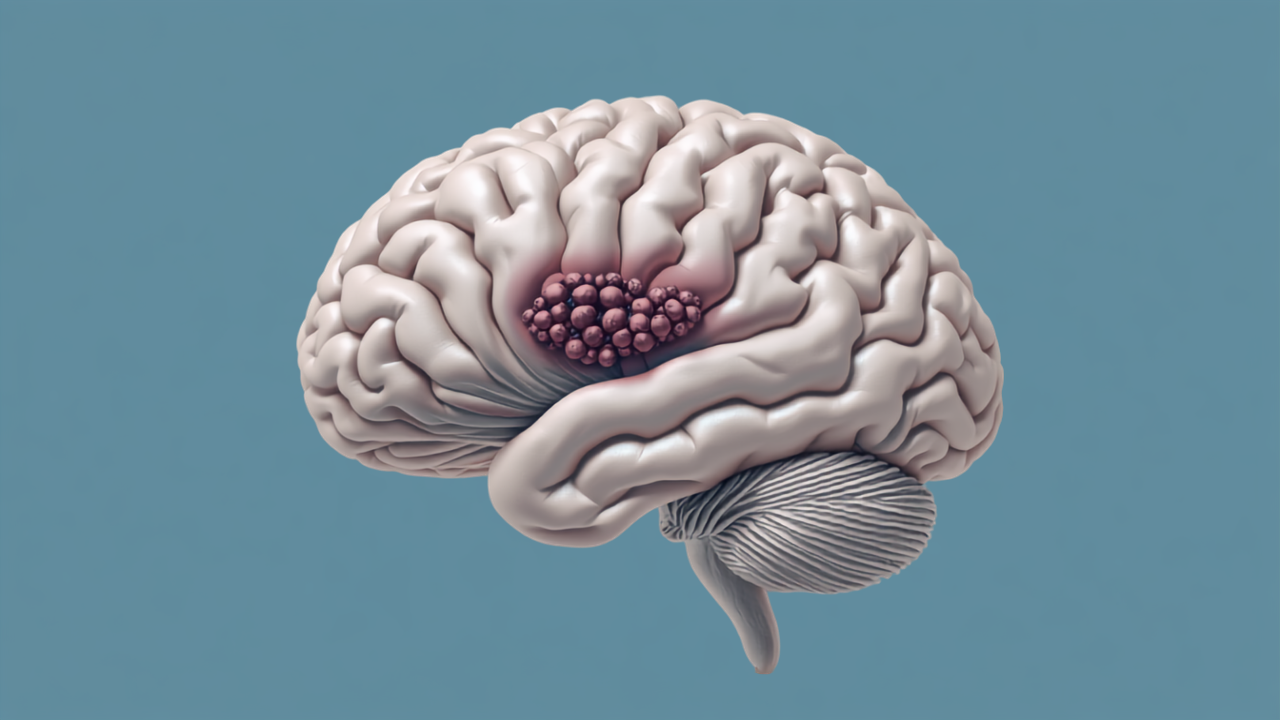
Herniated Disc in 2026: What Actually Works (And When Surgery Is the Answer)
A herniated disc diagnosis raises more questions than answers: this guide covers what the evidence actually shows, from conservative care through the surgical options that work.
Most patients arrive at a herniated disc consultation having received conflicting advice from multiple sources. This is the honest, evidence-based guide to what actually works in 2026.
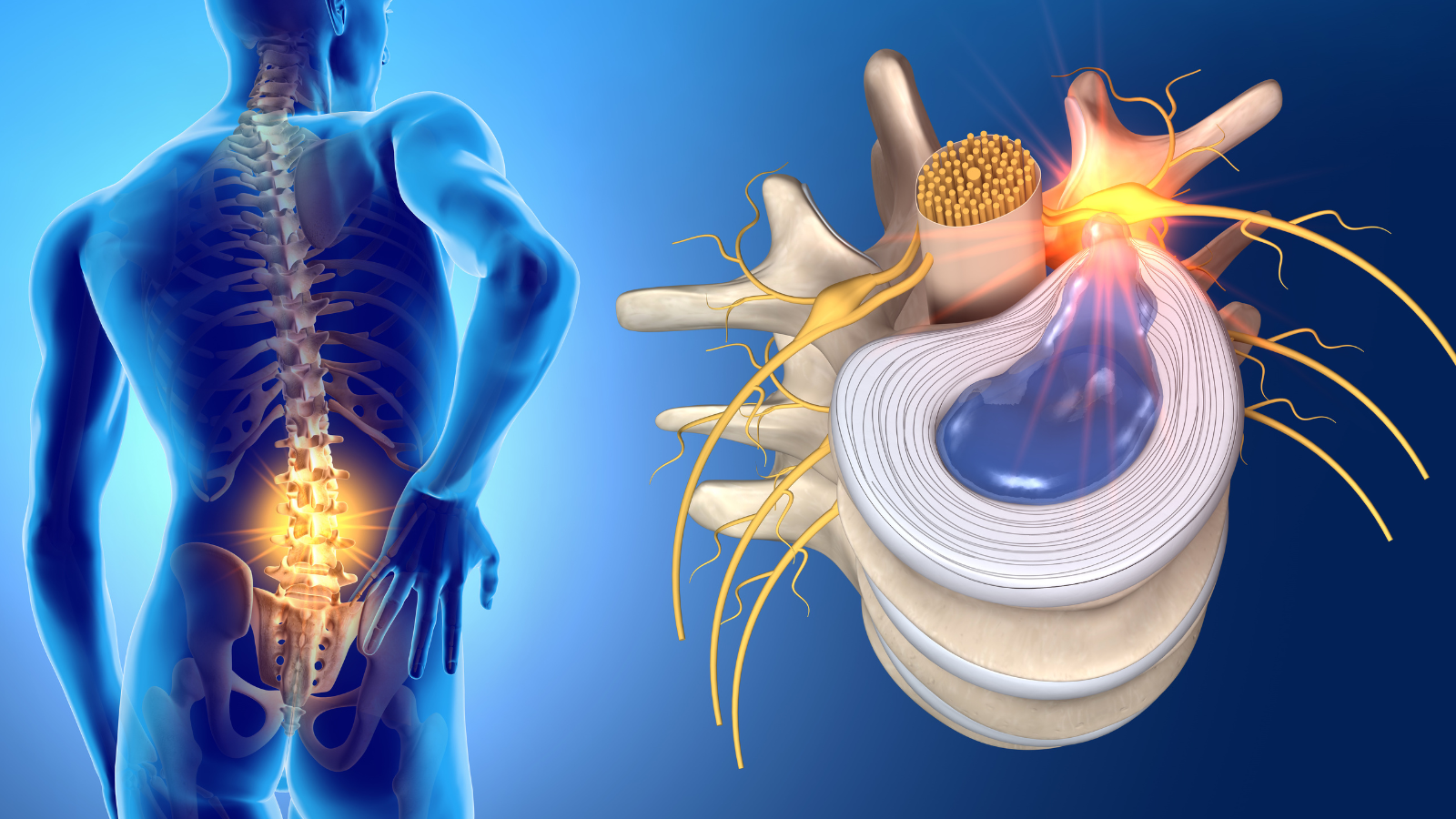
A herniated disc occurs when the soft inner material of a spinal disc, the nucleus pulposus, breaks through a tear in the tough outer ring (annulus fibrosus). The herniated material can then press against an adjacent nerve root or the spinal cord itself, producing symptoms that range from local back pain to sharp radiating pain, numbness, and weakness in an arm or leg.
Herniated discs most commonly occur in the lumbar spine (L4-L5 and L5-S1 are the most frequent levels), where they are the leading structural cause of sciatica, pain that radiates from the lower back down the leg. Cervical herniations (in the neck) produce arm pain and radiculopathy.
One crucial point: herniated discs are extremely common and many cause no symptoms at all. MRI studies consistently show that a significant percentage of adults have disc herniations visible on imaging but experience no pain. A herniation on your MRI report does not automatically mean you need surgery.
The single most important thing most patients don’t know about herniated discs: the body often reabsorbs herniated disc material over time. Research published in the American Journal of Neuroradiology demonstrated that large, sequestered herniations, the ones most likely to be causing symptoms, are also the ones most likely to shrink and reabsorb spontaneously. The process typically takes 6 weeks to 6 months.
Most patients with acute lumbar disc herniation and sciatica experience meaningful improvement within 4 to 12 weeks with appropriate conservative management. By 12 months, approximately 85% to 90% of patients have recovered adequately without surgical intervention.
This is why conservative treatment is not a “fallback”: it is the evidence-based standard first-line approach for the vast majority of herniated disc patients.
Exercise-based physical therapy is the most evidence-supported conservative treatment for herniated disc with radiculopathy. Programs that combine core stabilization, nerve mobilization, and progressive loading are more effective than passive modalities alone. Physical therapy also reduces the risk of recurrence by strengthening the muscles that protect the disc.
NSAIDs (ibuprofen, naproxen) reduce inflammation around the compressed nerve root and are effective for pain management in most patients. For severe acute pain, a short course of oral corticosteroids can produce faster reduction in nerve inflammation. Gabapentin and similar agents are used for nerve pain in selected patients.
When leg or arm pain is severe, and when it is preventing meaningful engagement with physical therapy, an epidural steroid injection delivers anti-inflammatory medication directly to the site of nerve compression. Injections do not repair the herniation, but they can reduce symptoms enough to allow rehabilitation to proceed. Studies show injections provide meaningful short-term relief for appropriately selected patients.
The old advice of strict bed rest is outdated and counterproductive. Current evidence consistently shows that patients recover faster when they maintain appropriate activity: walking, daily movement, avoiding the specific positions (prolonged sitting, heavy lifting, forward bending) that worsen radicular symptoms.
Prolonged opioid use for disc herniation pain is not evidence-supported and carries significant risks without demonstrated benefit for nerve pain. Extended bed rest delays recovery. Passive modalities (heat, massage, ultrasound) alone, without an active exercise component, do not significantly alter the natural history of disc herniation.
For the minority of patients whose herniated disc symptoms do not improve adequately with conservative care, or who present with specific neurological findings, surgery becomes the appropriate next step. The clinical criteria that typically lead to a surgical recommendation at New Jersey Brain and Spine are:
One important clarification: waiting longer is not always safer. Patients with persistent significant motor weakness from nerve compression are at risk for permanent neurological deficits if the compression is not relieved in a timely manner. Early surgery is sometimes the more conservative choice when the nerve is severely affected.
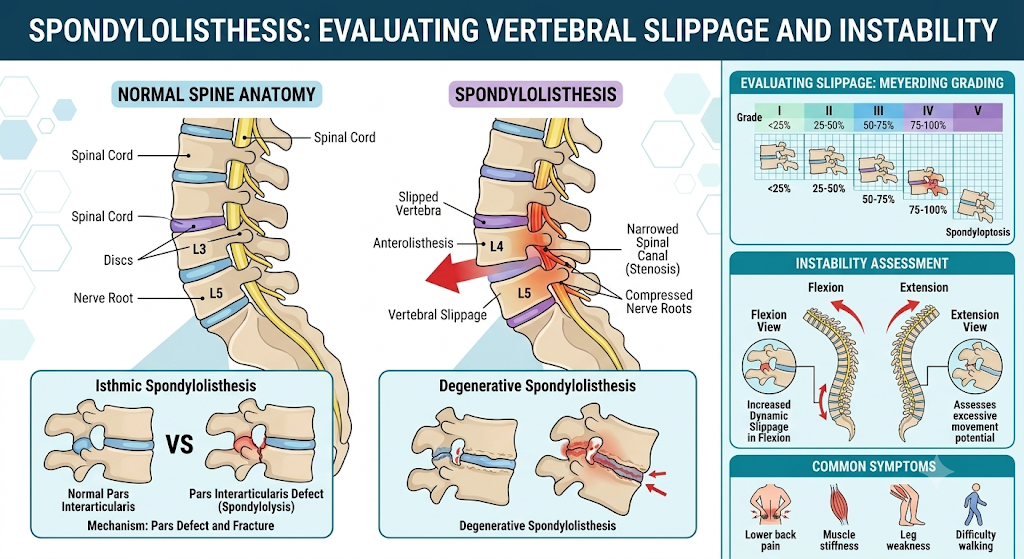
For lumbar disc herniation, the standard surgical procedure is minimally invasive microdiscectomy. For cervical disc herniation, the most common surgical approaches are ACDF (anterior cervical discectomy and fusion) and cervical disc replacement.
For lumbar herniations, a microdiscectomy removes the specific portion of the disc material pressing on the nerve root. This is typically performed through a small incision (1 to 2 cm), often as outpatient surgery. The vast majority of appropriately selected patients experience significant leg pain relief within days to weeks after surgery). Back pain outcomes are more variable. Recovery to light activity: 1 to 2 weeks. Return to physical work: 4 to 8 weeks.
Our discectomy procedure page provides detailed procedure and recovery information.
For cervical disc herniations causing arm pain (cervical radiculopathy) or spinal cord compression (myelopathy), surgical options include ACDF (anterior cervical discectomy and fusion) and cervical disc replacement (arthroplasty). The choice depends on the level affected, the degree of instability, and patient factors.
A note on new and emerging treatments: Biologic therapies (stem cell injections, platelet-rich plasma) for disc herniation are actively researched but remain investigational: they are not yet part of the standard of care. As of 2026, evidence does not support them as alternatives to established conservative or surgical management for herniated disc with radiculopathy.
At New Jersey Brain and Spine, the evaluation for herniated disc begins with a detailed history, neurological examination, and review of existing imaging. Not all patients need new imaging: sometimes the existing MRI tells us everything we need to know.
The NJBS approach is always conservative-first when appropriate: physical therapy, medications, and injections before any surgical conversation. When surgery is recommended, it is because conservative treatment has genuinely been exhausted and the risk-benefit analysis clearly favors intervention. NJBS neurosurgeons are available for second opinions on herniated disc diagnoses and treatment recommendations.
For more detail about condition-specific evaluation, learn more about the herniated disc condition.
NJBS serves patients across northern New Jersey and the greater tri-state area, with offices in Paramus, Hackensack, Montclair, Montvale, Annandale, and Englewood. No referral is required to schedule a consultation.