How Do I Make a Spinal Stenosis Treatment Decision?
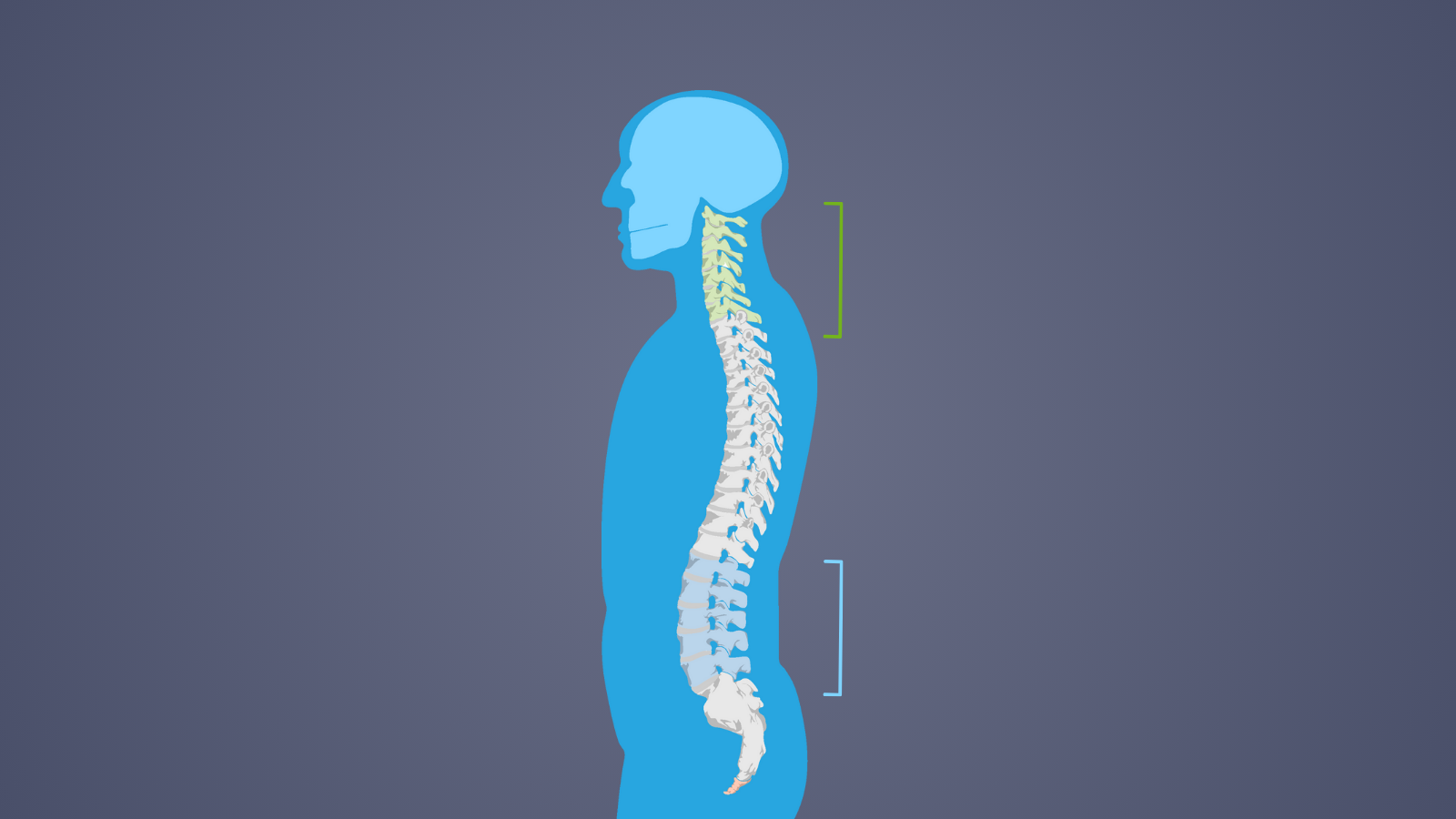
Surgery and conservative care both have real roles in spinal stenosis treatment: the right answer depends on specific clinical criteria, not a one-size-fits-all recommendation.
The most important question in a spinal stenosis consultation is also the most universal: how do I know what the right treatment choice is for me? Here is a clear framework for thinking through it.
The spinal stenosis treatment decision comes down to four key factors:
There is no single correct answer, but there are clear clinical criteria that separate patients who benefit most from surgery from those who do best with conservative management.
For patients with mild to moderate spinal stenosis whose symptoms do not include progressive neurological deficits, conservative treatment is the appropriate starting point. The evidence-supported options are:
Supervised exercise is the most effective conservative treatment for lumbar spinal stenosis. Programs targeting core stabilization, lumbar flexion exercises (which temporarily open the spinal canal and reduce symptoms), and aerobic conditioning improve walking distance and function in most patients.
NSAIDs reduce inflammation and provide pain relief for many patients. For neuropathic leg pain (tingling, burning, electric sensations), gabapentin or pregabalin may help. Oral corticosteroids are occasionally used for short-term symptom flares. Long-term opioid use is not recommended and is not part of the evidence-based approach to spinal stenosis.
Targeted injections deliver corticosteroid medication directly to the inflamed nerve roots within the stenotic canal. Epidural injections are most effective for patients whose primary symptom is leg pain (neurogenic claudication) rather than back pain alone. They do not alter the underlying structural narrowing but can provide months of symptom relief and are appropriate for patients who want to defer or avoid surgery.
Stenosis symptoms are worsened by lumbar extension (standing upright, walking downhill) and improved by lumbar flexion (sitting, leaning forward, cycling). Many patients learn to use positions and activities that load-share the spine differently: stationary cycling and walking with a slight forward lean are frequently better tolerated than upright walking or standing.
Conservative treatment is appropriate, and may be sufficient long-term, for patients who:
There is no mandatory timeline for surgery in patients with spinal stenosis without neurological deficits. Unlike a herniated disc that can cause progressive nerve damage over time, stenosis without neurological involvement can often be managed conservatively for years.
Surgery for spinal stenosis is typically recommended when:
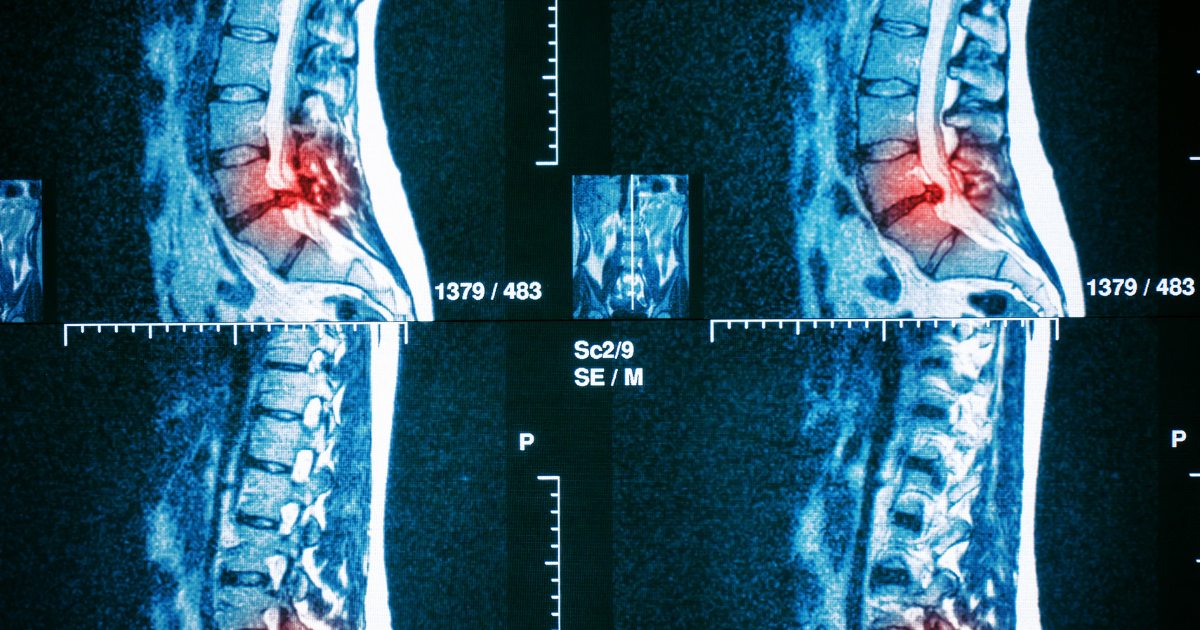
NJBS neurosurgeons also consider imaging findings, the degree of canal narrowing on MRI, the number of levels involved, and whether instability (spondylolisthesis) is present, when evaluating surgical candidacy.
When surgery is recommended, the procedure is chosen based on the specific anatomy causing the stenosis:
The most common surgery for lumbar spinal stenosis. The lamina (bony arch at the back of the vertebra) is removed to decompress the spinal canal and relieve pressure on the nerve roots. Often performed with minimally invasive techniques. Most patients experience significant leg pain relief after appropriately indicated laminectomy.
When stenosis is primarily at the nerve exit openings (foraminal stenosis), a foraminotomy enlarges the affected foramen and relieves nerve root compression. Often performed in combination with laminectomy for multi-level or bilateral stenosis.
An umbrella term for all procedures (laminectomy, foraminotomy, discectomy) that remove bone, disc material, or ligament to create more space for compressed neural structures.
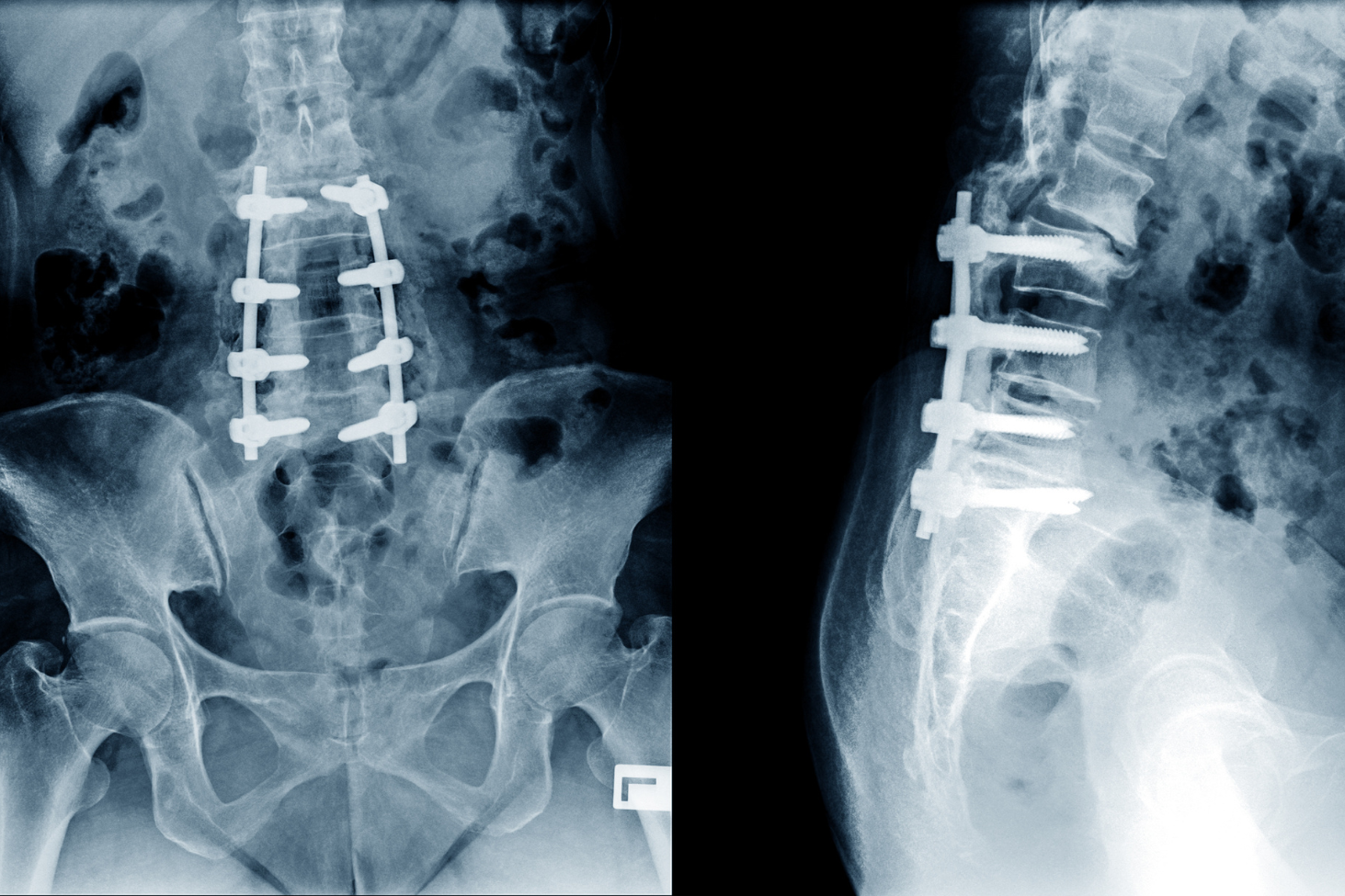
When spinal stenosis coexists with instability (spondylolisthesis or significant degenerative instability), decompression alone may be insufficient. In these cases, spinal fusion is added to stabilize the operated levels. Fusion adds surgical complexity and recovery time but is necessary when instability is contributing to symptoms.
The spinal stenosis treatment options at NJBS provides additional detail on procedure selection and what to expect.
At your consultation, consider asking:
NJBS serves patients across northern New Jersey and the greater tri-state area, with offices in Paramus, Hackensack, Montclair, Montvale, Annandale, and Englewood. No referral is required to schedule a consultation.