Spinal Stenosis Explained: Why Walking Becomes Painful, Numbness Develops, and How Minimally Invasive Procedures Can Help
Have you noticed that a routine walk down the driveway or a brief excursion through the grocery store has become increasingly difficult? Perhaps your legs begin to feel heavy, cramped, or tingly after standing still for just a few minutes, forcing you to look around for the nearest place to sit. You might have even noticed a strange pattern: if you lean forward over a shopping cart, that shooting leg pain quickly goes away.
If this presentation aligns with your experience, you are likely not experiencing generalized muscle fatigue or poor baseline leg circulation. Instead, these symptoms represent the classic physiological presentation of spinal stenosis.
Spinal stenosis is one of the leading structural catalysts for back and lower extremity pain in adults, yet its gradual onset is frequently misattributed to other systemic conditions. Understanding the underlying biomechanics of this narrowing, its progressive impact on neural pathways, and the advanced, minimally invasive interventions utilized to restore functional mobility is essential to reclaiming your active lifestyle.
At New Jersey Brain and Spine (NJBS), our board-certified neurosurgeons prioritize an objective, clinical approach to evaluating spinal narrowing. By exhausting non-operative pathways first and leveraging state-of-the-art microsurgical techniques when indicated, our team is dedicated to safeguarding your neurological health and restoring your baseline mobility.
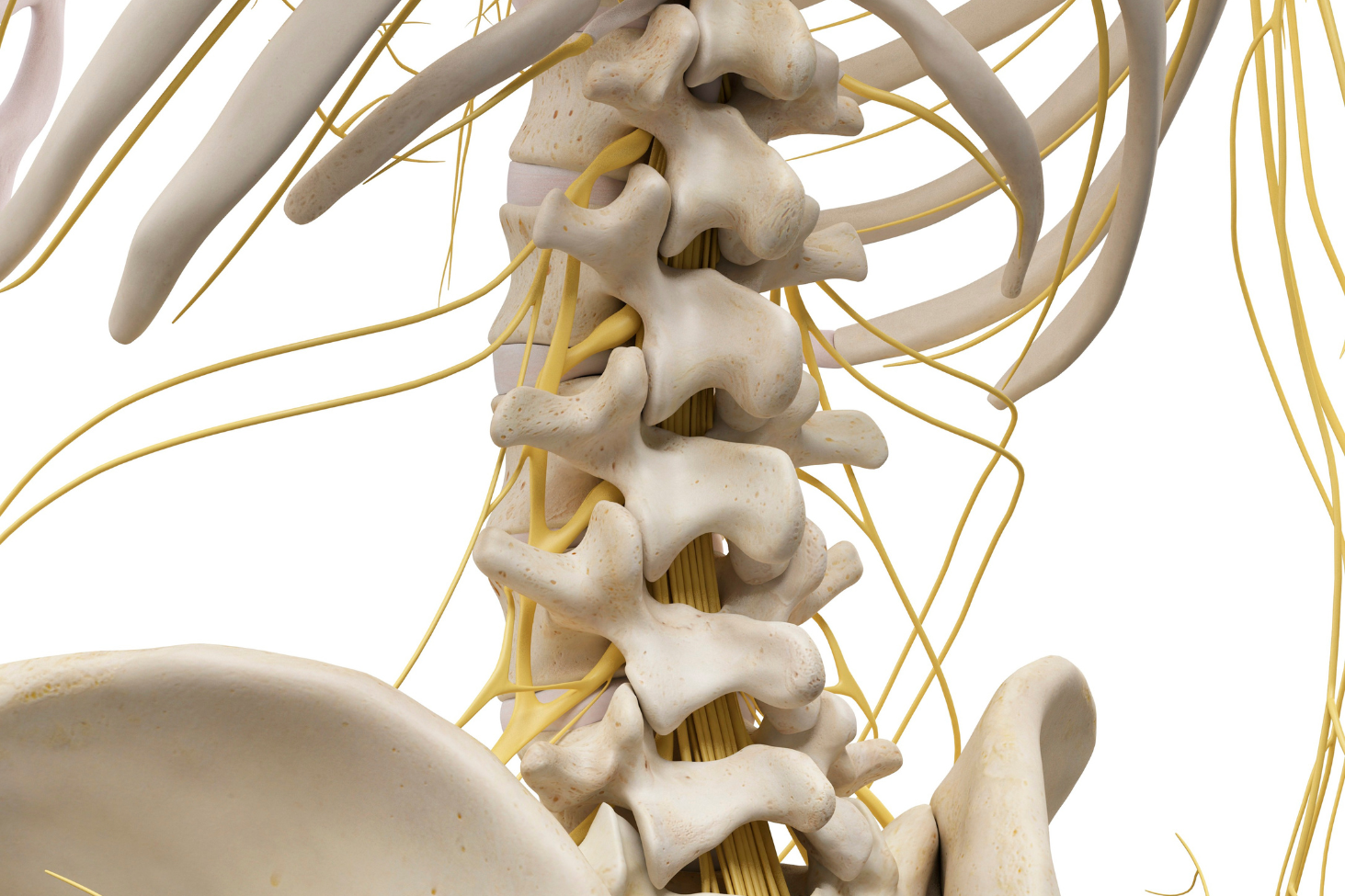
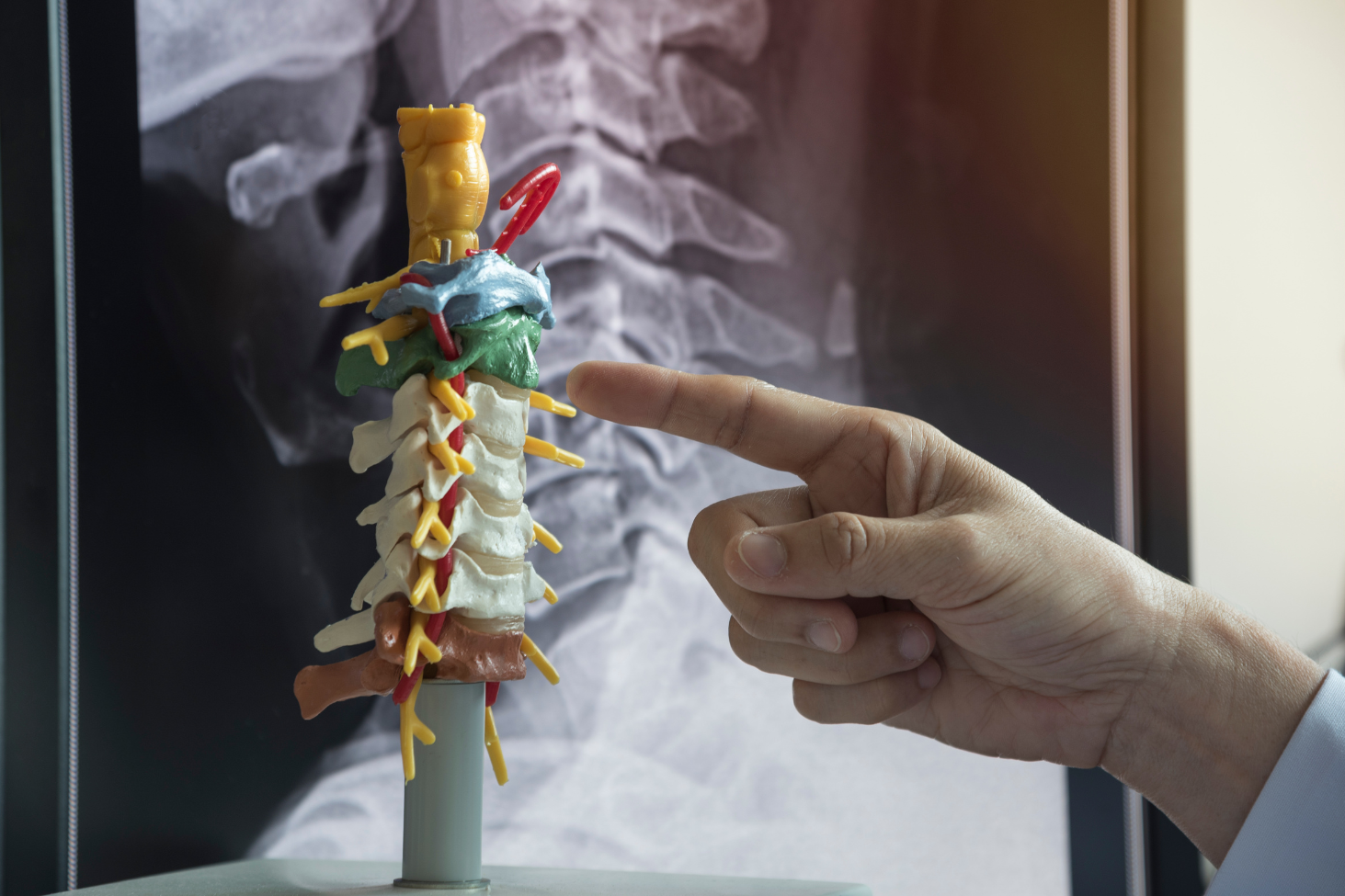
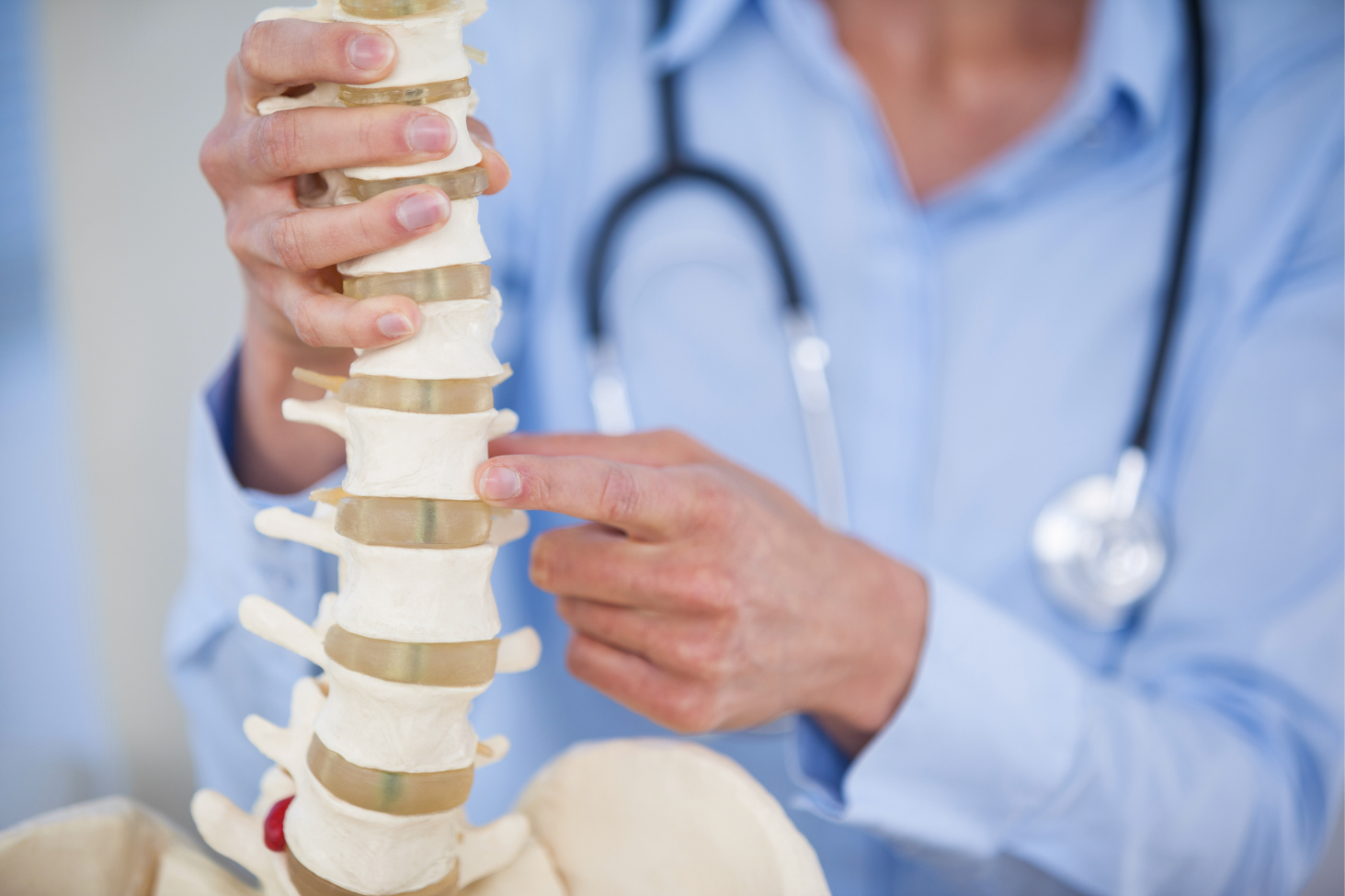
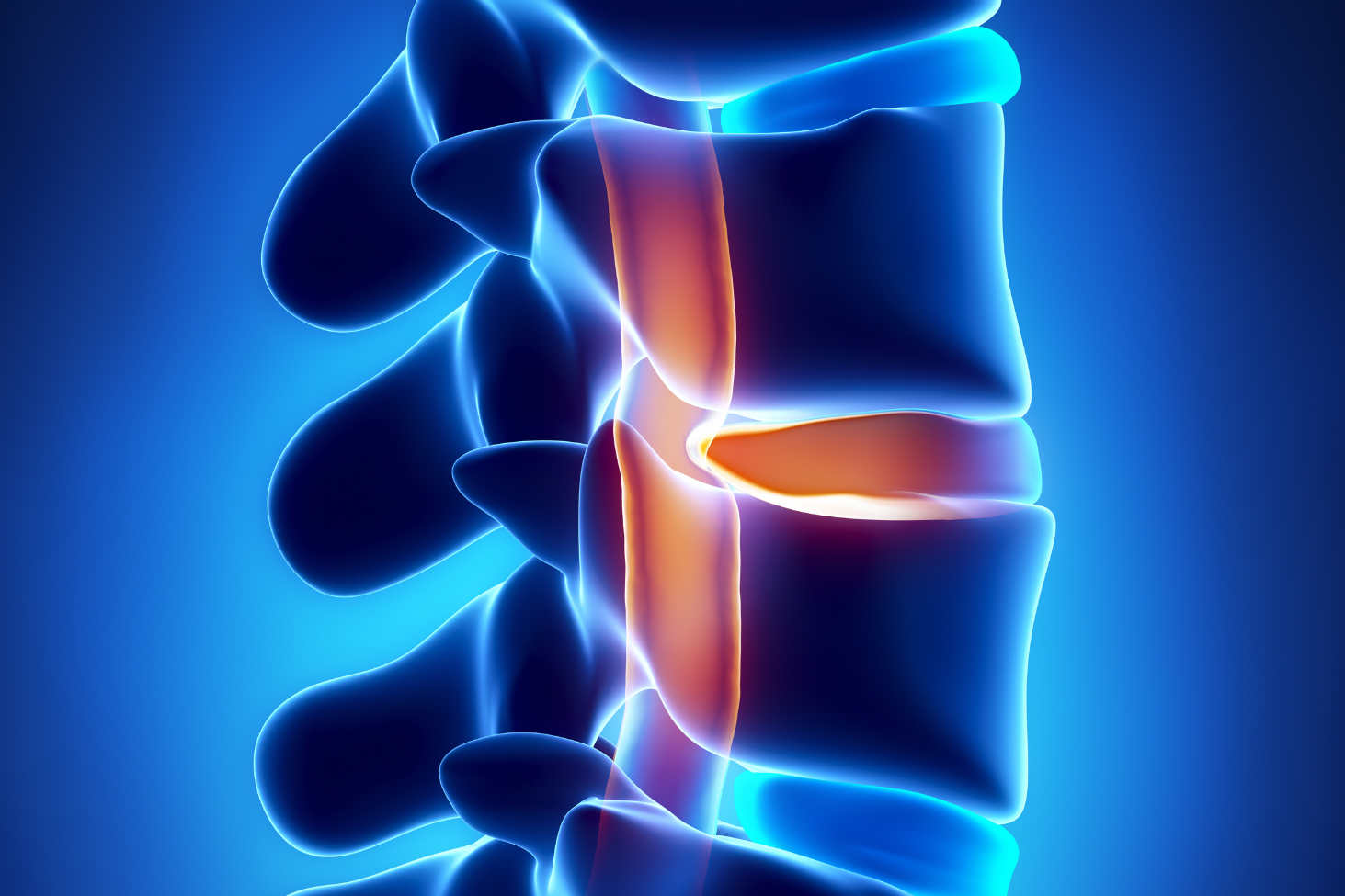
To understand how spinal stenosis develops, it helps to picture your spine as a protective, bony tunnel. Running straight down the middle of this tunnel is the spinal canal, a hollow passageway designed specifically to shield your spinal cord and primary nerve roots.
Spinal stenosis simply means that this open passageway has started to narrow. As we age, normal wear-and-tear on the body can cause a gradual chain reaction inside the spine:
As these structural changes take up valuable real estate inside the spine, the open canal begins to shrink. Eventually, the rigid walls of the bony tunnel begin to press directly against the delicate nerve roots encased within.
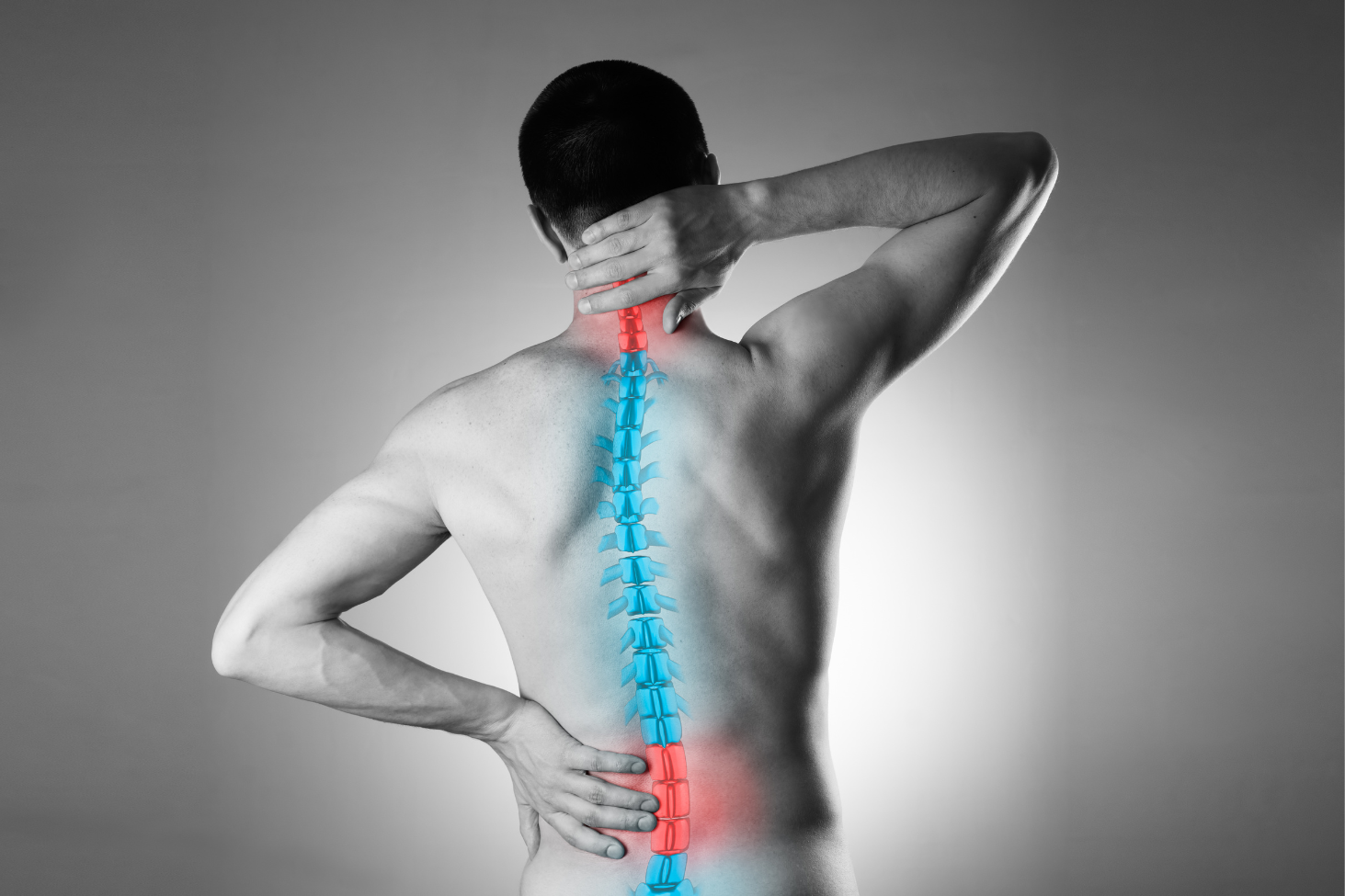
While this narrowing can happen in the neck (cervical stenosis) — which can dangerously compress the spinal cord itself — it most frequently targets the lower back (lumbar spinal stenosis). In the lower back, this pressure squeezes the main bundle of nerves that travel down to your lower body, which is exactly why it triggers heavy, cramped, or painful sensations in your legs and feet.
The defining clinical marker of advanced lumbar spinal stenosis is a medical phenomenon known as neurogenic claudication. This represents a distinct cluster of symptoms characterized by cramping, aching, or a progressive sensation of heaviness originating in the buttocks or thighs and radiating distally into the calves during periods of ambulation or upright standing.
The reason walking triggers this discomfort while sitting provides immediate relief is explained by the positional biomechanics of the lumbar spine:
This precise mechanical relationship is why patients presenting with lumbar stenosis exhibit the “shopping cart sign.” Leaning forward over the handle of a cart provides the exact degree of lumbar flexion required to temporarily open the spinal canal and alleviate neurogenic leg symptoms.
Because spinal stenosis is a slowly progressive, degenerative condition, the central nervous system attempts to adapt to the narrowing over time. Symptoms often progress gradually and may include increasing pain, numbness, balance issues, or weakness over time:
Many patients live with mild spinal stenosis symptoms for years without requiring surgery. However, certain changes may indicate that the condition is beginning to significantly affect nerve function and quality of life.
Consider evaluation by a spine specialist if:
Early evaluation does not necessarily mean surgery will be recommended. In many cases, symptoms can still be managed conservatively. However, progressive neurological symptoms should not be ignored, as prolonged nerve compression may eventually become more difficult to reverse.
A 56-year-old male came to NJBS after several years of progressively worsening lower back pain and leg fatigue. An avid golfer and walker, he noticed that he could no longer complete a full round of golf without needing frequent breaks. Over time, even routine errands became difficult, as his legs would become increasingly heavy and fatigued after walking short distances. He often found himself stopping to rest or leaning forward for relief, but assumed it was simply part of getting older.
After trying physical therapy, anti-inflammatory medications, and activity modification, his symptoms continued to progress. During his evaluation, MRI imaging demonstrated lumbar spinal stenosis causing compression of the nerves supplying the lower extremities.
Because his walking tolerance and quality of life had significantly declined despite conservative treatment, minimally invasive decompression surgery was recommended. The patient was walking the same day and gradually returned to golfing, exercise, and daily activities with significantly improved leg symptoms.
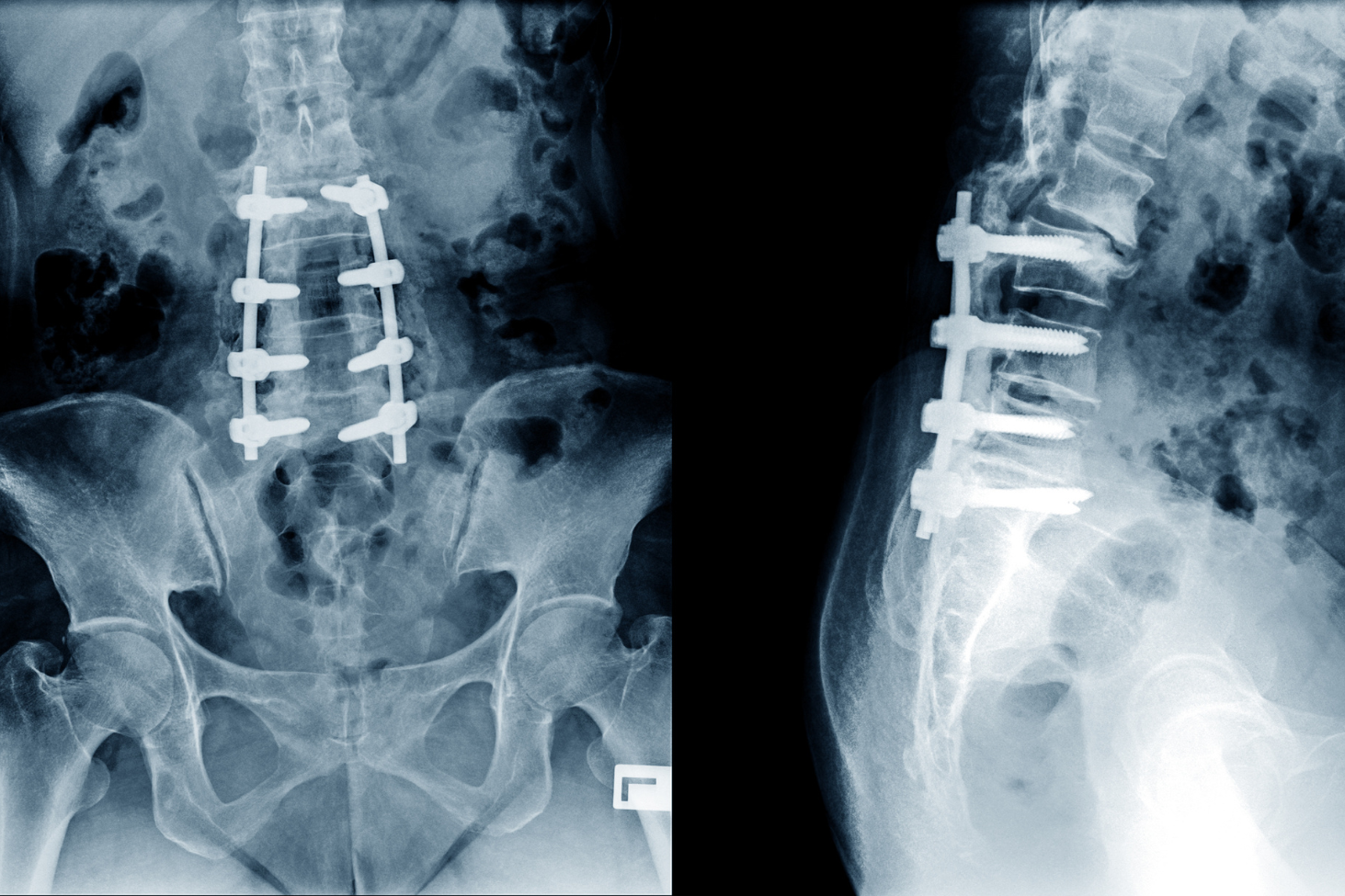
If conservative measures — such as structured physical therapy, core stabilization, or fluoroscopically guided epidural steroid injections (ESIs) — fail to sustain your functional goals, surgical decompression is indicated. Fortunately, modern neurosurgery has evolved away from extensive, open-back surgeries that require prolonged hospitalizations and significant muscle disruption.
At New Jersey Brain and Spine, our neurosurgeons utilize advanced minimally invasive spine surgery (MISS) protocols to precisely widen the spinal canal while preserving the natural architecture of the back.
The primary surgical intervention for advanced stenosis is a laminectomy, which involves removing the lamina — the bony roof of the spinal canal — along with the thickened ligaments compressing the nerves.
In a traditional open procedure, this required a long incision and stripping major paraspinal muscles away from the bone. Today, the NJBS neurosurgeons execute this procedure through tiny incisions utilizing specialized tubular retractors and high-powered operative microscopes.
Rather than cutting or detaching healthy muscle tissue, the specialist dilates through the muscle fibers to access the precise point of narrowing. Using microscopic instruments, only the specific hypertrophic bone spurs or thickened ligaments causing the compression are excised.
Because the structural muscles, ligaments, and bone architectures remain completely intact, the structural stability of the spine is preserved. The compressed nerves are immediately liberated, and the majority of optimized patients are able to ambulate within hours of the procedure and return home the same day.
A significant hurdle in managing spinal stenosis is preventing patient anxiety over complex radiology reports. At NJBS, our clinicians emphasize that a notable finding on an MRI — such as “severe spinal narrowing” — does not automatically dictate a need for surgery.
Extensive clinical data shows that many completely asymptomatic individuals possess marked spinal stenosis on routine imaging that requires zero treatment. An expert NJBS neurosurgeon treats the physical patient’s active functional baseline, objective motor strength, and dermatomal tracking — not the static grey-scale structures on an imaging film.
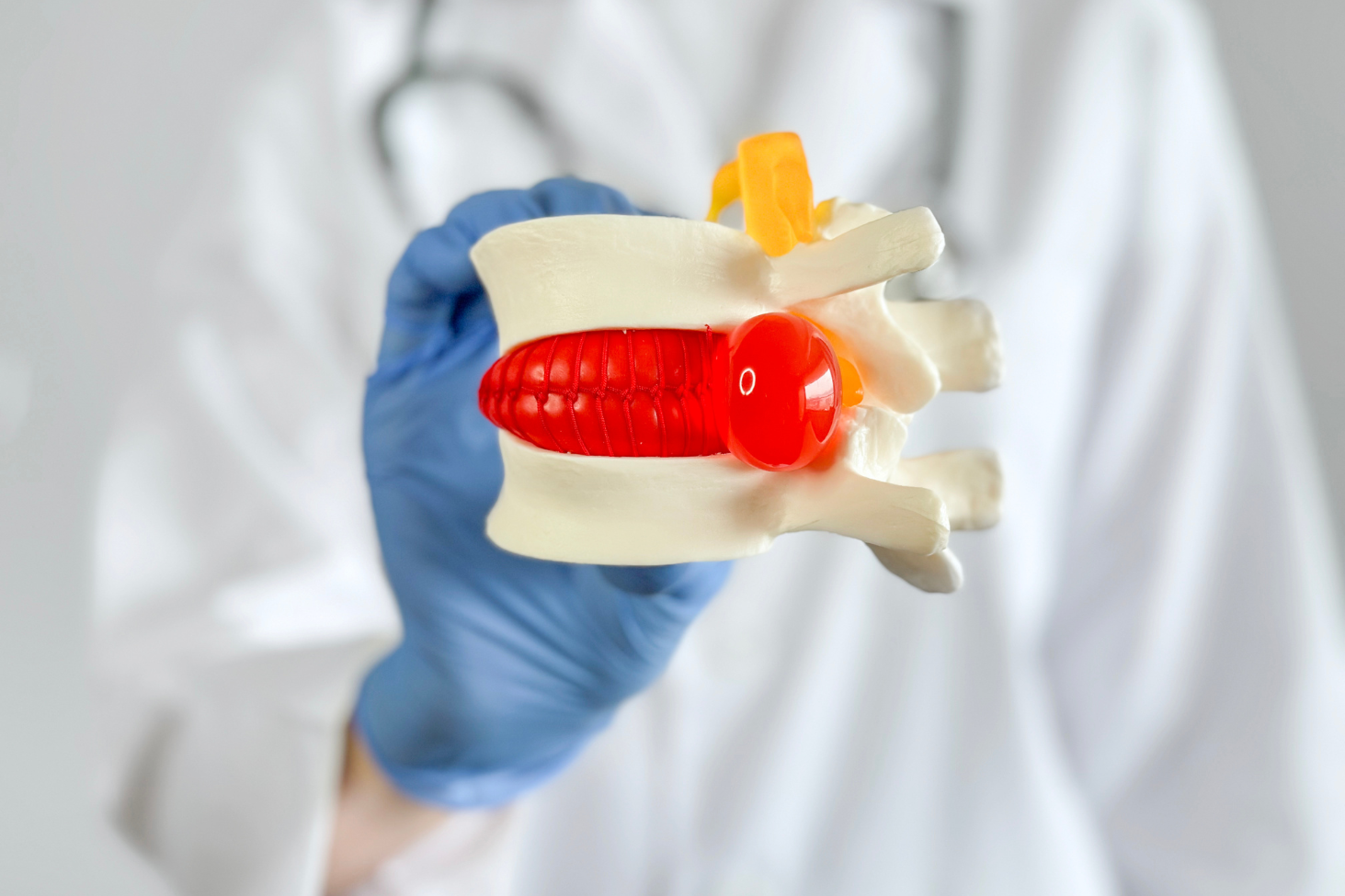
No. They are distinct structural issues, though they can coexist. A herniated disc is an acute focal injury where the inner gelatinous nucleus pulposus ruptures through the outer annulus fibrosus to compress an isolated nerve root. Spinal stenosis is a generalized, multi-factorial narrowing of the entire bony spinal canal or neural foramina, typically driven by aging, generalized osteoarthritis, and ligamentous hypertrophy across multiple segments.
Physical therapy cannot reverse the structural narrowing itself, but it can be very effective at reducing symptoms and improving function. Specialized exercise protocols cannot physically dissolve the bone spurs or calcified ligaments that are narrowing the spinal canal. However, conservative spine care is highly effective for managing mild to moderate symptoms by conditioning the deep core abdominal muscles and optimizing hip flexibility, which alters pelvic tilt to maximize the canal’s physical diameter during daily ambulation.
Both pathologies present with leg pain during walking, but they differ in positional mechanics. Vascular claudication (poor leg circulation) is caused by arterial insufficiency to the lower extremity muscles; it triggers cramping based strictly on the distance walked, and simply standing completely still will cause the pain to stop. Neurogenic claudication (spinal stenosis) is strictly positional; standing still will not alleviate the pain because the spine remains extended, but sitting down or bending forward will immediately open the canal and relieve the discomfort.
Spinal stenosis is generally a slow-moving, chronic condition. For a segment of patients, symptoms can remain plateaued for years. However, if a patient presents with progressive neurological decline (such as expanding sensory numbness or motor weakness) and chooses to leave the condition unmitigated, the chronic neural ischemia can eventually culminate in permanent nerve damage, resulting in permanent neurogenic muscle atrophy, sensory loss, or an irreversible foot drop.
Because MISS techniques avoid cutting through the paraspinal muscle architecture, the immediate recovery profile is accelerated compared to traditional open surgery. Most patients are ambulatory within hours of their procedure. While patients must avoid heavy lifting, strenuous twisting, or high-impact activities for approximately 4 to 6 weeks to permit deep tissue healing, most individuals can safely return to light daily routines and sedentary, non-physical employment within 1 to 2 weeks.
NJBS serves patients across northern New Jersey and the greater tri-state area, with offices in Paramus, Hackensack, Montclair, Montvale, Annandale, and Englewood. No referral is required to schedule a consultation.