“Outstanding Neurosurgeon. Dr. Goodman has a calm, efficient office staff in a peaceful and comfortable environment. He prioritizes the needs and well-being of the patient above all other concerns with absolute certainty. His patients are lucky to receive his care.”
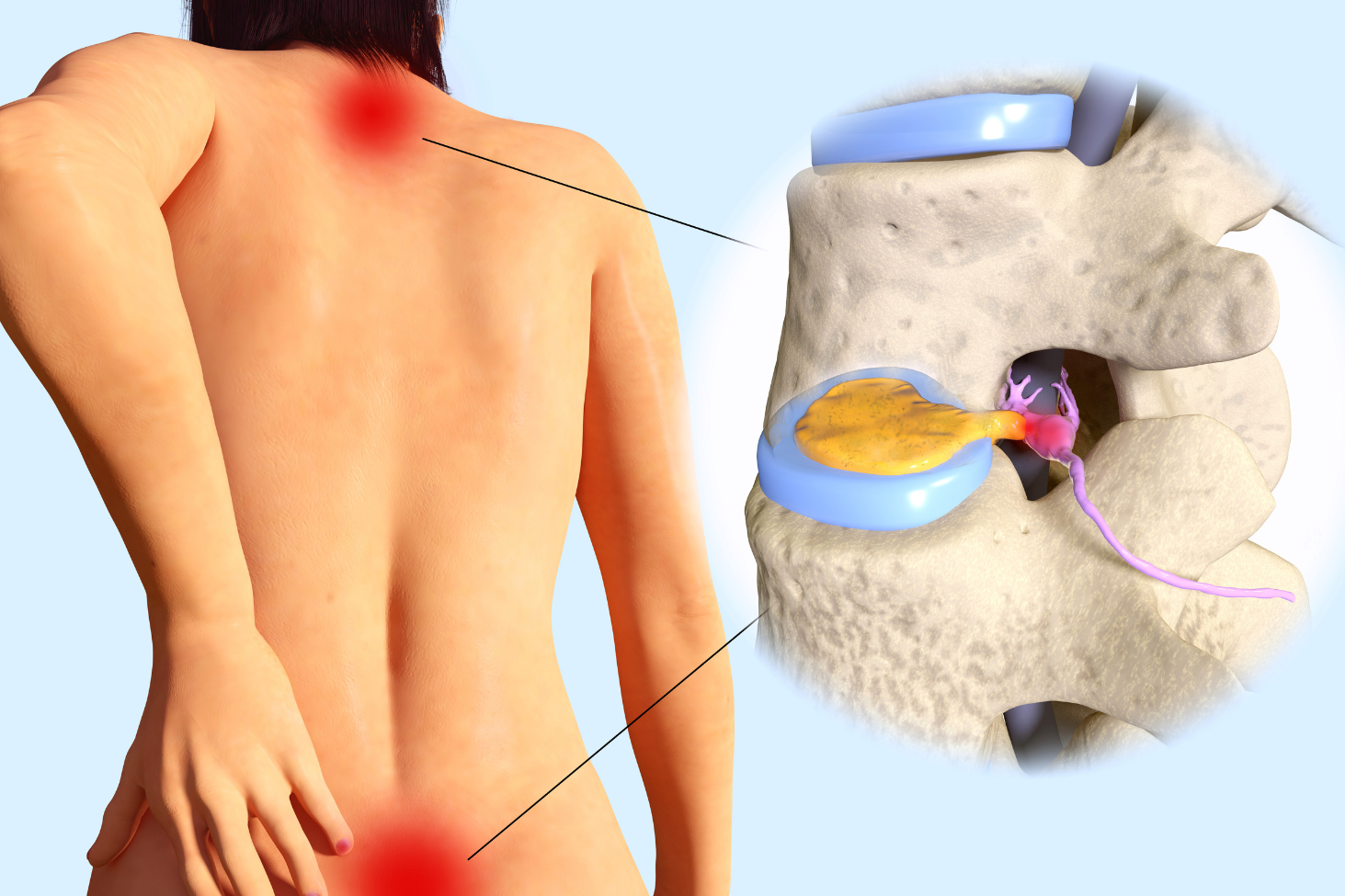
Disc Herniation vs. Bulge: Why the Difference Matters
When patients receive an MRI report that mentions both a disc herniation and a disc bulge, the questions that follow are almost always the same: which one is worse, which one is causing the pain, and what needs to be done about each? These are reasonable questions, and the distinction matters. A disc bulge and a disc herniation are different structural events with different implications for symptoms, prognosis, and treatment decisions. At New Jersey Brain and Spine, we evaluate patients...
read more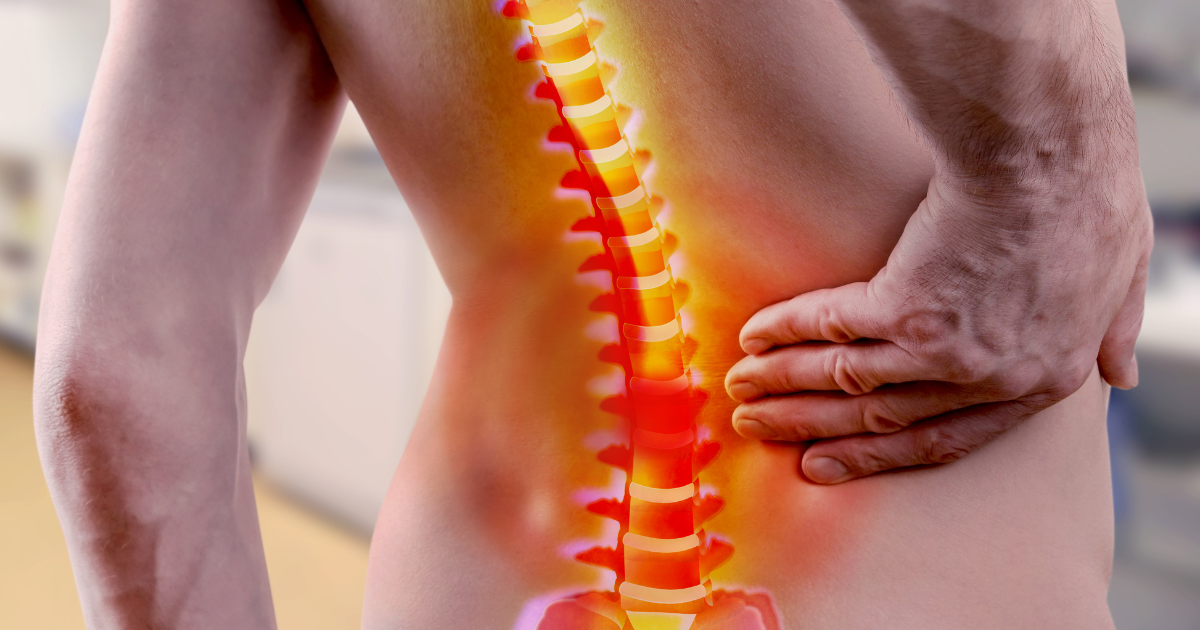
Adjacent Segment Disease After Spinal Fusion
One of the conversations I have regularly with post-fusion patients goes something like this: their fusion worked. Their original leg pain resolved, they got their function back, and life returned to something close to normal. Then, months or years later, a new pain begins. Different location, different character. They come in wondering whether their fusion has failed or whether they are facing something more serious. In many of these cases, what we are looking at is adjacent segment disease, or...
read more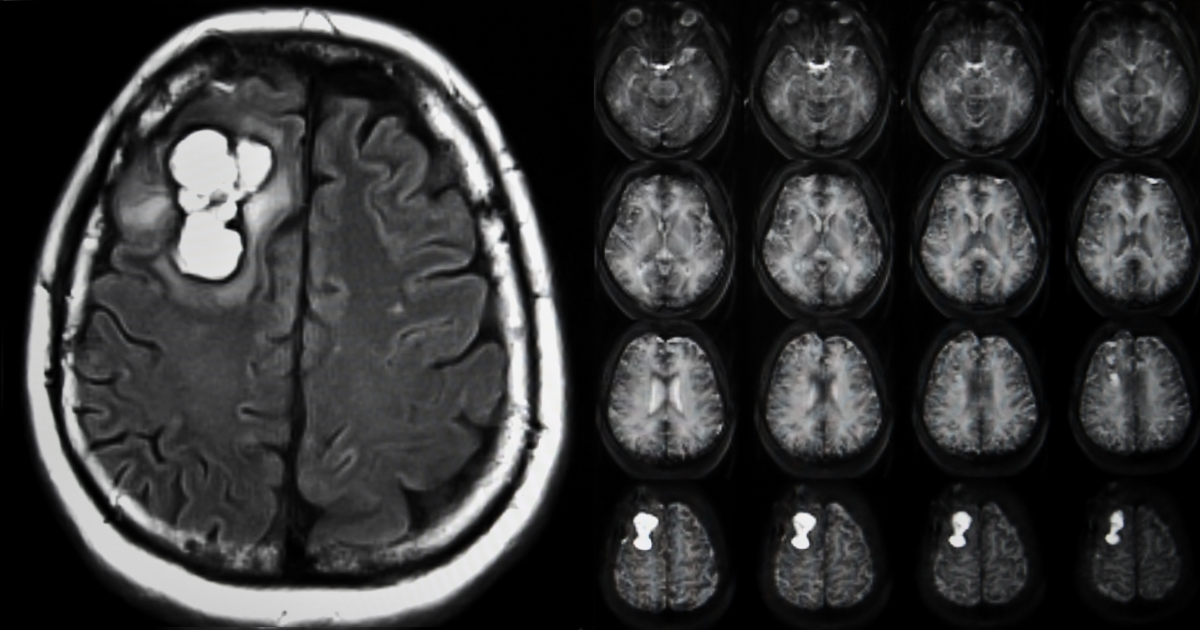
Brain Tumors: How Location Determines Symptoms and Treatment
Where a brain tumor is located tells us nearly as much as what type of tumor it is. The symptoms a patient experiences, the degree of functional risk surgery carries, the structures that must be protected during any intervention, and the overall prognosis are all shaped substantially by the tumor's position within the brain. Two patients with the same tumor histology and the same grade can present in entirely different ways, follow entirely different treatment courses, and require entirely different...
read more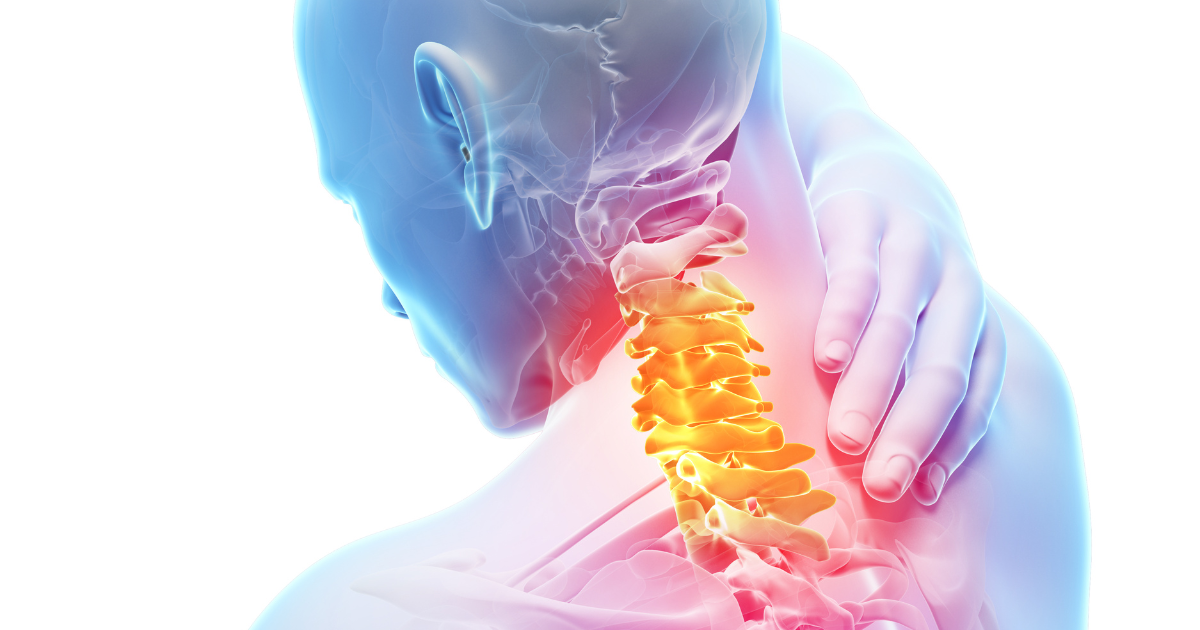
Cervical Myelopathy: When Neck Compression Affects Balance and Hand Function
Cervical myelopathy tends to announce itself gradually, and that gradual onset is part of what makes it easy to miss. Patients come in describing subtle changes they have been noticing for months: handwriting that has become harder to control, buttons and zippers that take more effort than they used to, a sense of unsteadiness walking on uneven ground or in dim light. Some attribute these changes to aging. Some have seen other specialists for the hand symptoms before anyone considers...
read more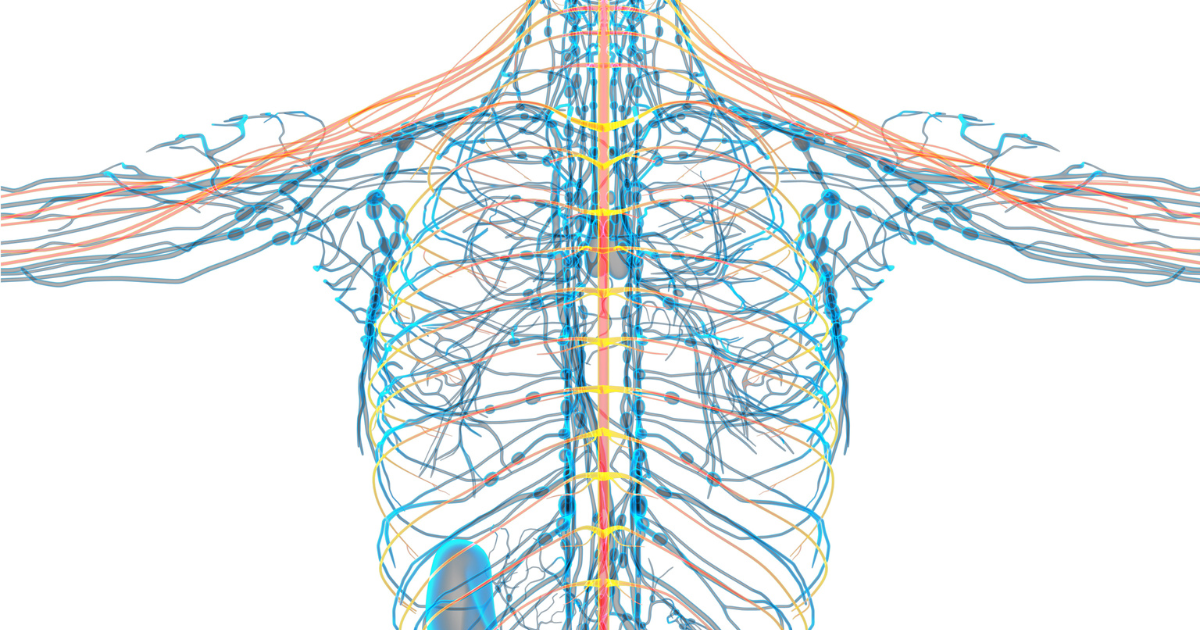
Why Nerve Pain Travels: Understanding Radiculopathy Patterns
One of the most disorienting symptoms patients bring to us is pain that originates in the spine but travels far from it. Lower back pain that shoots down through the buttock, the back of the thigh, and into the calf. Neck pain accompanied by a burning or electric sensation that radiates into the shoulder, the arm, or the fingers. Patients often arrive having been told the pain is in their leg or their arm, having spent weeks treating the wrong...
read more
How Neurosurgeons Evaluate Nerve Damage
Patients come to us describing symptoms that do not fit neatly into the categories their previous workup has addressed. A hand that is progressively losing grip strength. Tingling that starts in the lower back and runs into the foot. Weakness in one arm that appeared without any clear injury. These presentations raise the same fundamental clinical question: is this a nerve problem, where in the nervous system is it originating, and what is actually happening to the nerve involved? Evaluating...
read more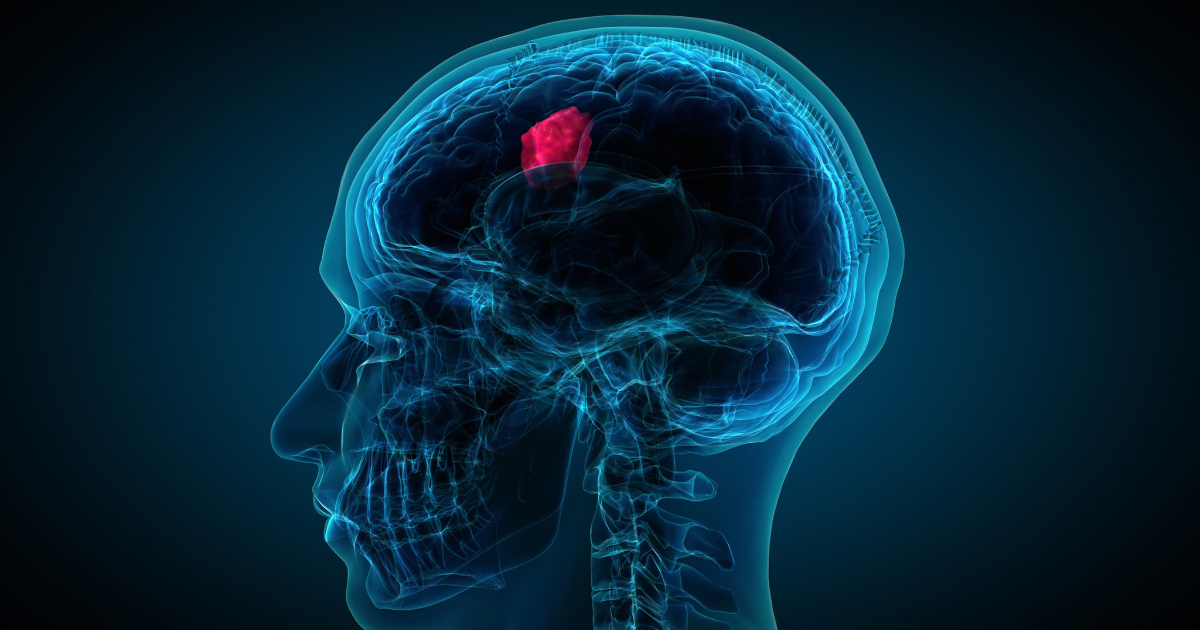
Understanding Brain Tumors: When Is Surgery Necessary?
When a patient receives the news that an MRI has identified something on their brain, the conversation that follows is one of the most important we have as neurosurgeons. The word "tumor" carries enormous weight, and most people arrive at that appointment having spent days imagining outcomes that often do not reflect what the imaging actually shows. One of the first things we try to do is separate what the scan has found from what it means clinically, and to...
read more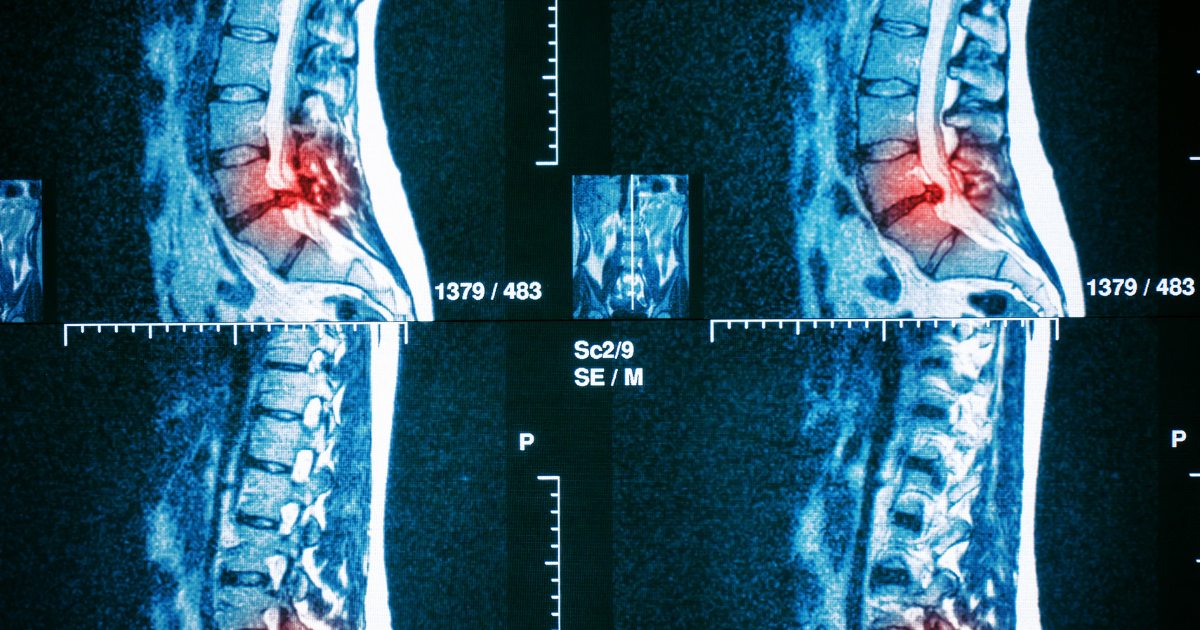
Why MRI Findings Don’t Always Match Your Symptoms
When a patient comes in holding a radiology report that lists disc herniations, stenosis, and degenerative changes at multiple spinal levels, the first question is rarely about anatomy. It is almost always some version of: "How bad is this? Is my spine falling apart? And why do I only hurt in one spot when the report makes it sound like there are problems everywhere?" That disorientation is understandable. Terms like "degenerative changes at multiple levels" sound serious, and when a...
read more
Trigeminal Neuralgia vs. Other Facial Pain Conditions
Facial pain is one of the most difficult symptoms to evaluate in neurology. Patients often describe it as the worst pain of their lives, yet it can be caused by a wide range of conditions, from dental problems to rare neurological disorders. One of the most significant of these conditions is trigeminal neuralgia, a disorder that produces severe, brief, electric shock-like pain along the face. Getting the diagnosis right is essential, because the treatment for trigeminal neuralgia is fundamentally different...
read more